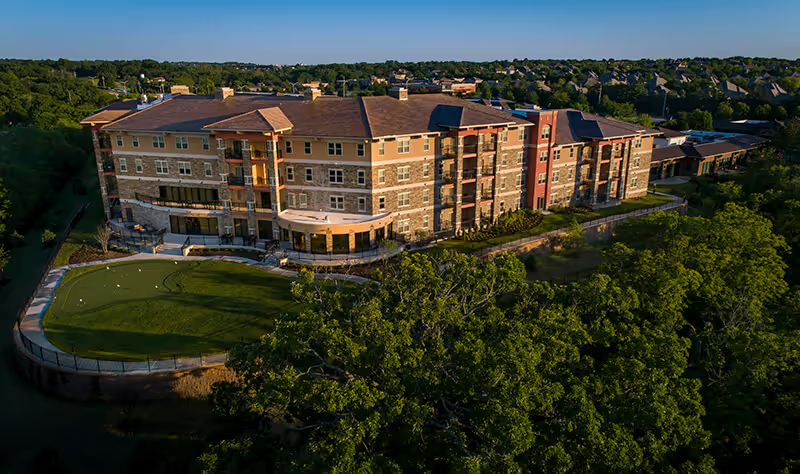
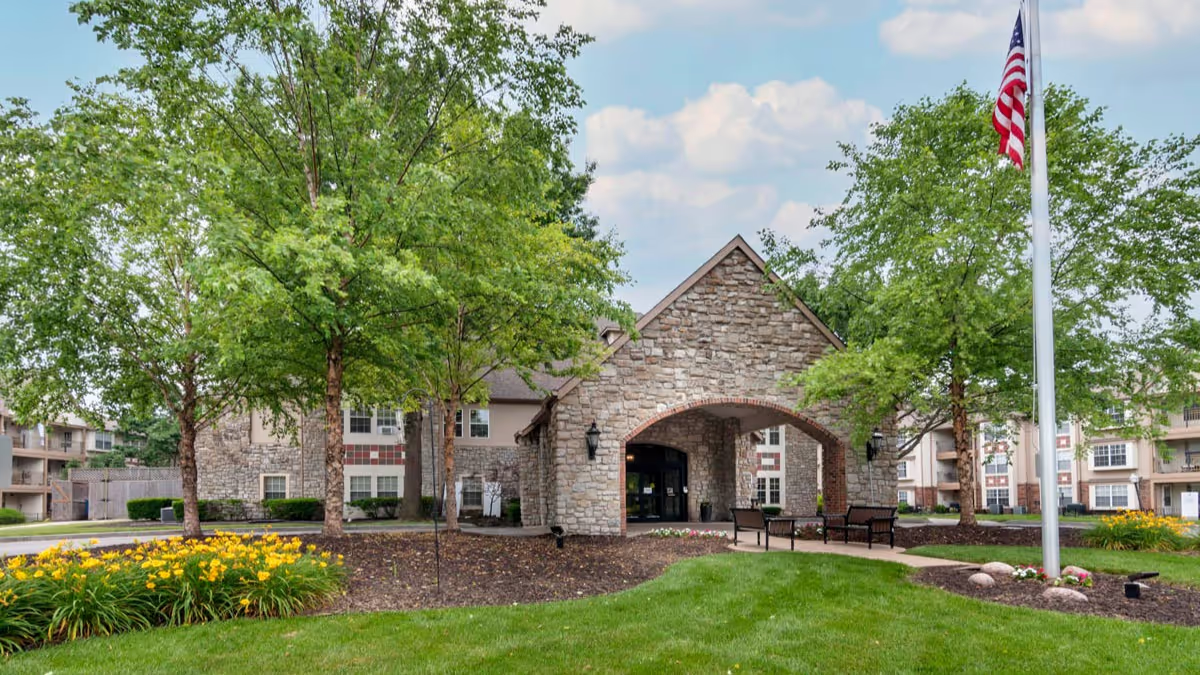
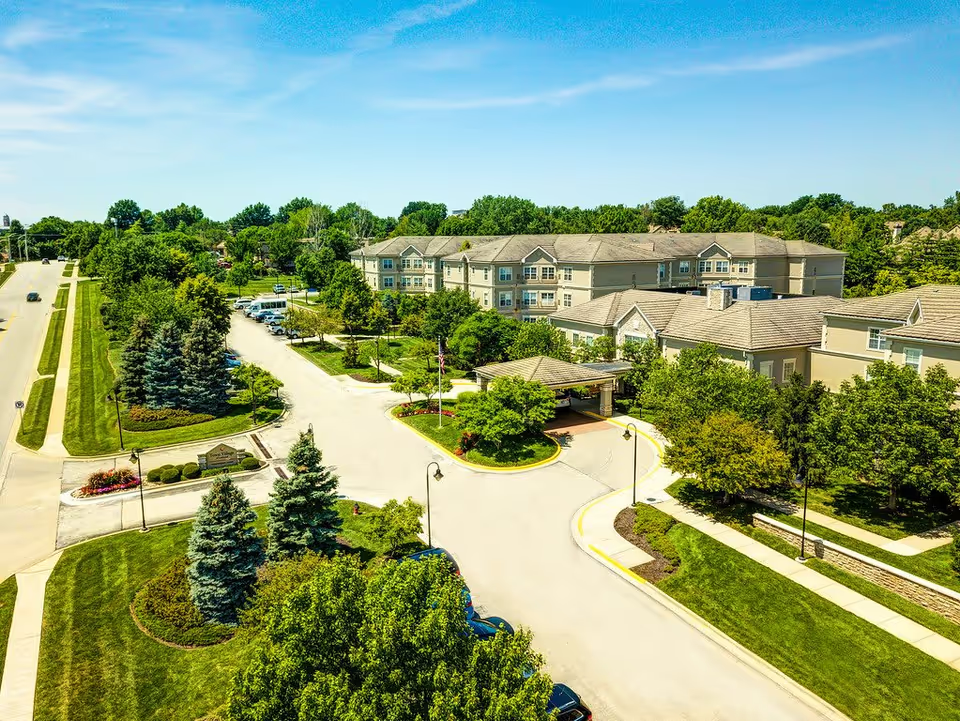
Tallgrass Creek presents as a large, well-appointed continuing-care campus with many residents describing an active, social lifestyle. The community offers extensive programming — dozens of clubs, classes, fitness options, water exercise, day trips, and lifelong-learning opportunities — and many reviewers highlight that the campus promotes social engagement and new friendships. The grounds and facilities are frequently described as modern, resort-like, and meticulously landscaped, with amenities such as multiple dining venues, indoor and outdoor pools, fitness centers, a dog park, and on-site retail and services.
Clinical and higher-acuity care impressions are mixed. Several families and residents praise the on-site medical clinic, outpatient rehab, and responsive skilled-nursing staff, citing effective rehabilitation outcomes and continuity of care. However, other accounts point to inconsistent clinical performance in some higher-acuity units: staffing variability, delays in responding to incidents, gaps in routine personal-care and therapy access, and uneven communication with families. These contrasts suggest that day-to-day clinical experience may depend on unit, shift, or current staffing levels.
Staff and community culture are often cited as strengths. Many reviewers emphasize friendly, resourceful, and pleasant staff across dining, activities, maintenance, and concierge roles; maintenance and landscaping responsiveness are frequently praised. At the same time, there are repeated comments about front-desk or administrative interactions that felt unhelpful or unprofessional to some families. Communication breakdowns and inconsistent messages between departments are a recurring operational concern.
Dining and activities are core selling points: multiple restaurants and rotating menus are commonly described as strong features that support resident satisfaction. Yet there are also consistent notes about service execution problems on occasion — long seating waits, late meal delivery, supply shortages, or variability in food quality — indicating that kitchen and service performance can be uneven at times.
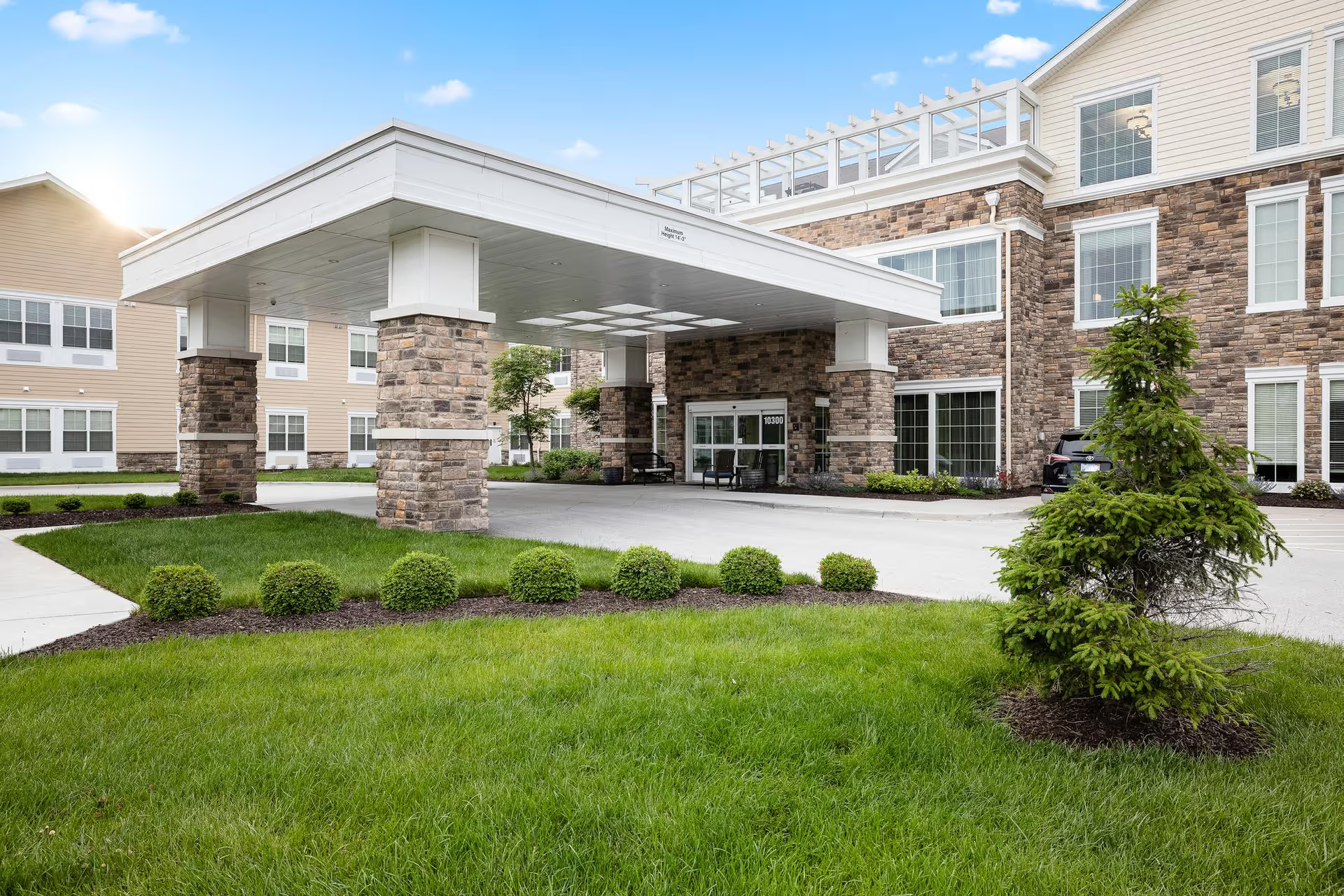
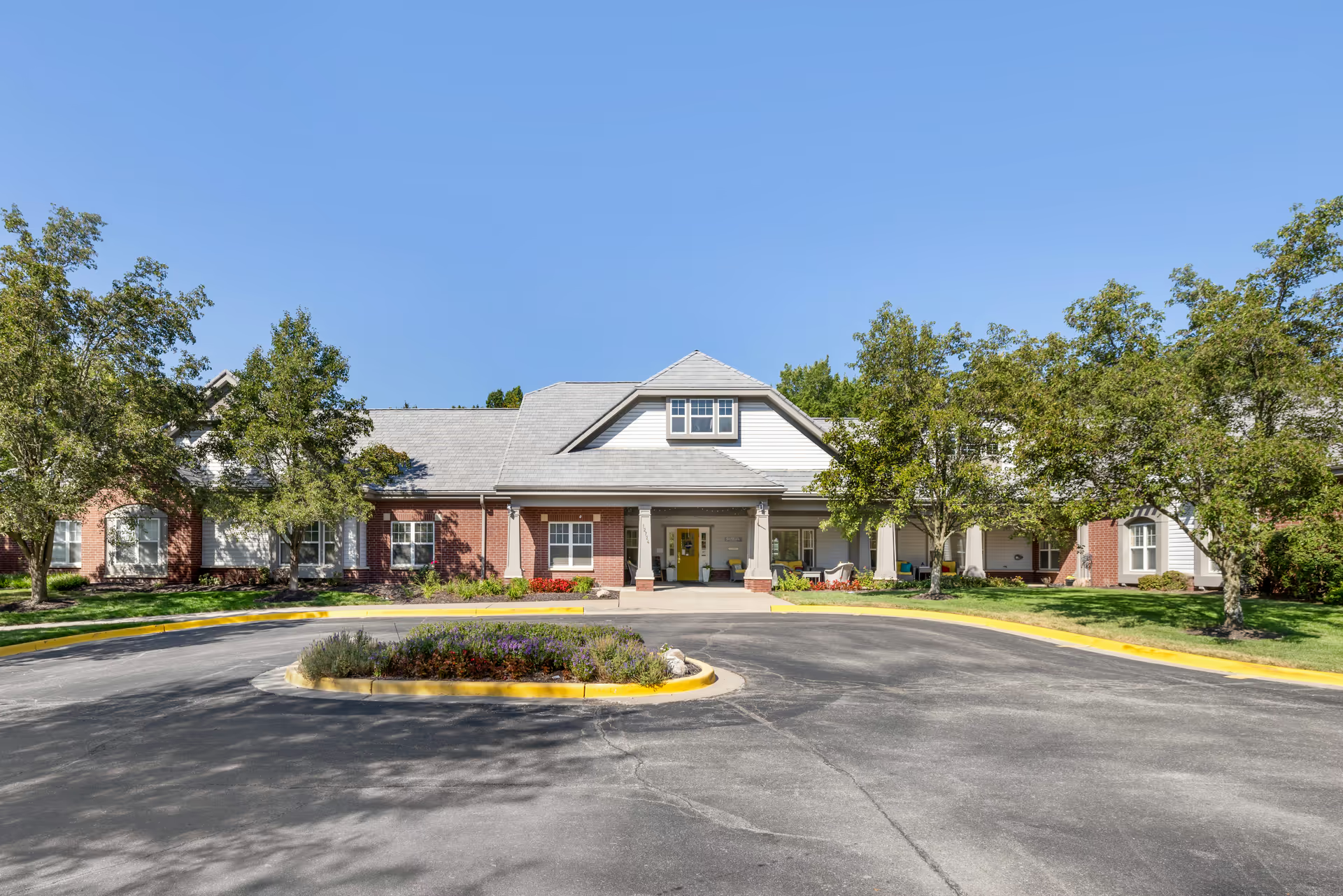
Facility infrastructure and amenities receive high marks for cleanliness, modern design, and recreational offerings, though construction and renovation activity have created intermittent disruptions for some residents (e.g., unit closures, leaks, and temporary shutdowns). The campus provides gated security and transportation services that many residents and families value for peace of mind and convenience.
Management and business-practice concerns appear in multiple reviews and merit particular attention. Several accounts describe dissatisfaction with sales tactics, buy-in expectations and rising monthly fees, delays or disputes around refunds and billing, and limited transparency about assisted/memory-care capacity and waitlist timelines. There are also isolated but serious allegations regarding withheld refunds and aggressive billing conduct; prospective residents should treat contract terms and refund policies as negotiable and seek clear written answers before committing.
Overall pattern: many residents report a high-quality independent-living experience with abundant activities, attractive facilities, and staff who create a welcoming culture. At the same time, there are consistent operational themes — variable staffing, episodic service inconsistencies, and management/contractual concerns — that surface in higher-acuity care and in interactions around admissions and finance. Prospective residents and families should tour current clinical units, ask for recent staffing ratios and incident-response protocols, review contract and refund language carefully, and inquire about waitlists and transition pathways for assisted and memory care to ensure expectations align with available services.