Overall impression: Reviews for this facility are mixed, with a clear split between families who experienced attentive, professional care and those who encountered operational shortcomings. Positive comments emphasize compassionate caregivers, continuity of staff who know residents well, a welcoming physical environment following updates, and effective physical-therapy interactions. At the same time, a set of recurring operational issues — particularly around staffing levels, clinical expertise for cognitive impairment, and administrative responsiveness — appear frequently enough to merit attention from prospective residents and their families.
Care quality and safety: Many families praised direct-care interactions as caring and patient. Competent physical-therapy staff and successful rehabilitation experiences are noted by several respondents. However, reviews also describe delays in starting rehabilitation for some residents, missed mealtime assistance, slow responses for personal-care needs, and at least one fall with injury. These patterns point to uneven care continuity under periods of staff shortage and suggest gaps in pressure-injury prevention, fall-prevention protocols, and timely personal-care assistance.
Staff and clinical expertise: Staff are often described as familiar with residents and capable in everyday caregiving tasks. Conversely, reviewers raised concerns about workforce stability and morale, including high stress, turnover, and confrontations involving supervisory personnel. There are also repeated references to limited expertise in dementia and delirium management, which may affect residents with cognitive impairment and complicate behavioral or acute-care episodes.
Dining and therapy services: Positive notes include appetizing presentation, friendly meal service (including occasional after-hours flexibility), and capable therapy clinicians. Offsetting those positives are complaints about inconsistent food quality, missed or delayed meal delivery, staffing instability in the kitchen, and chaotic therapy-space management at times. Prospective families should clarify current meal-service processes and therapy scheduling during tours.
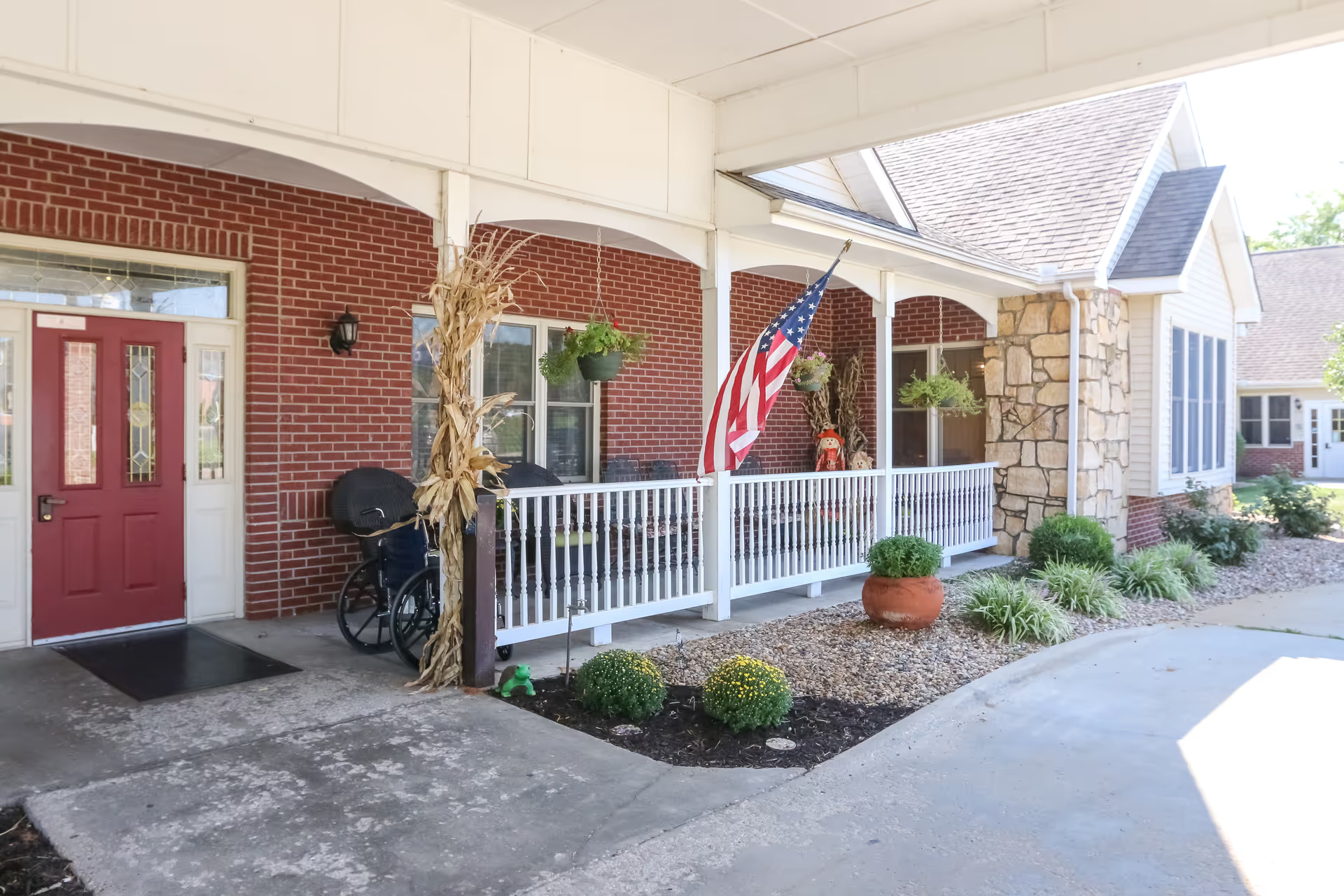
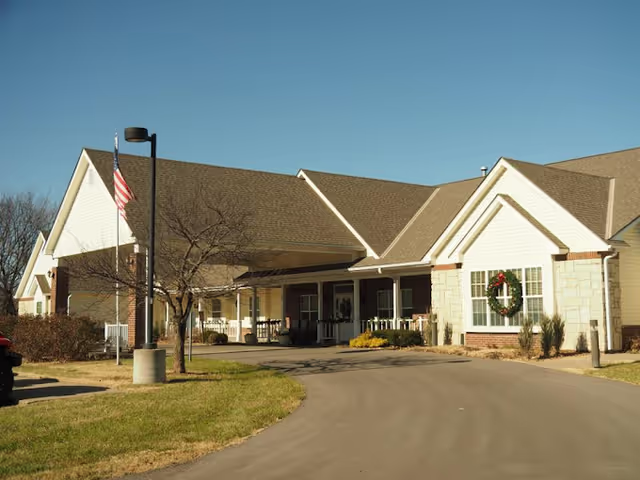
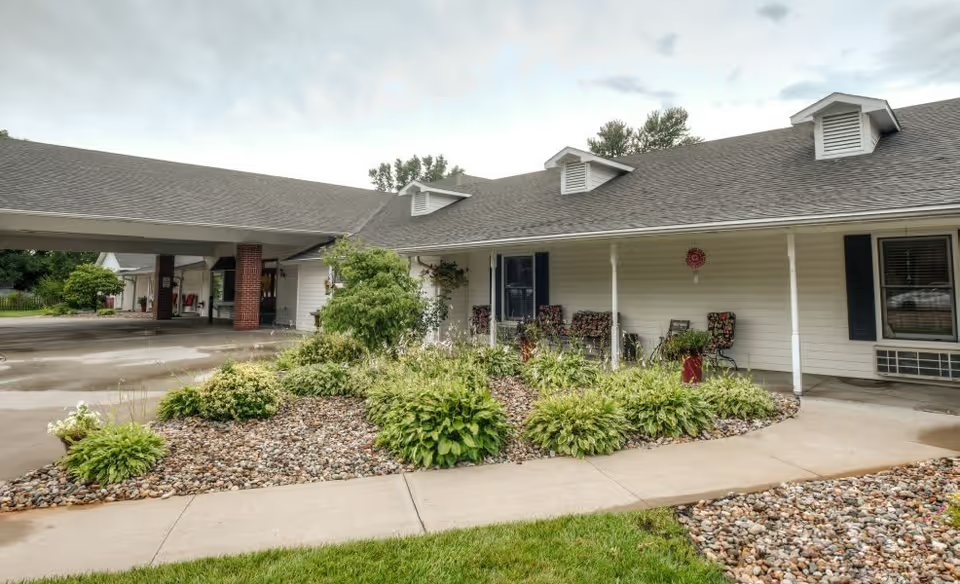
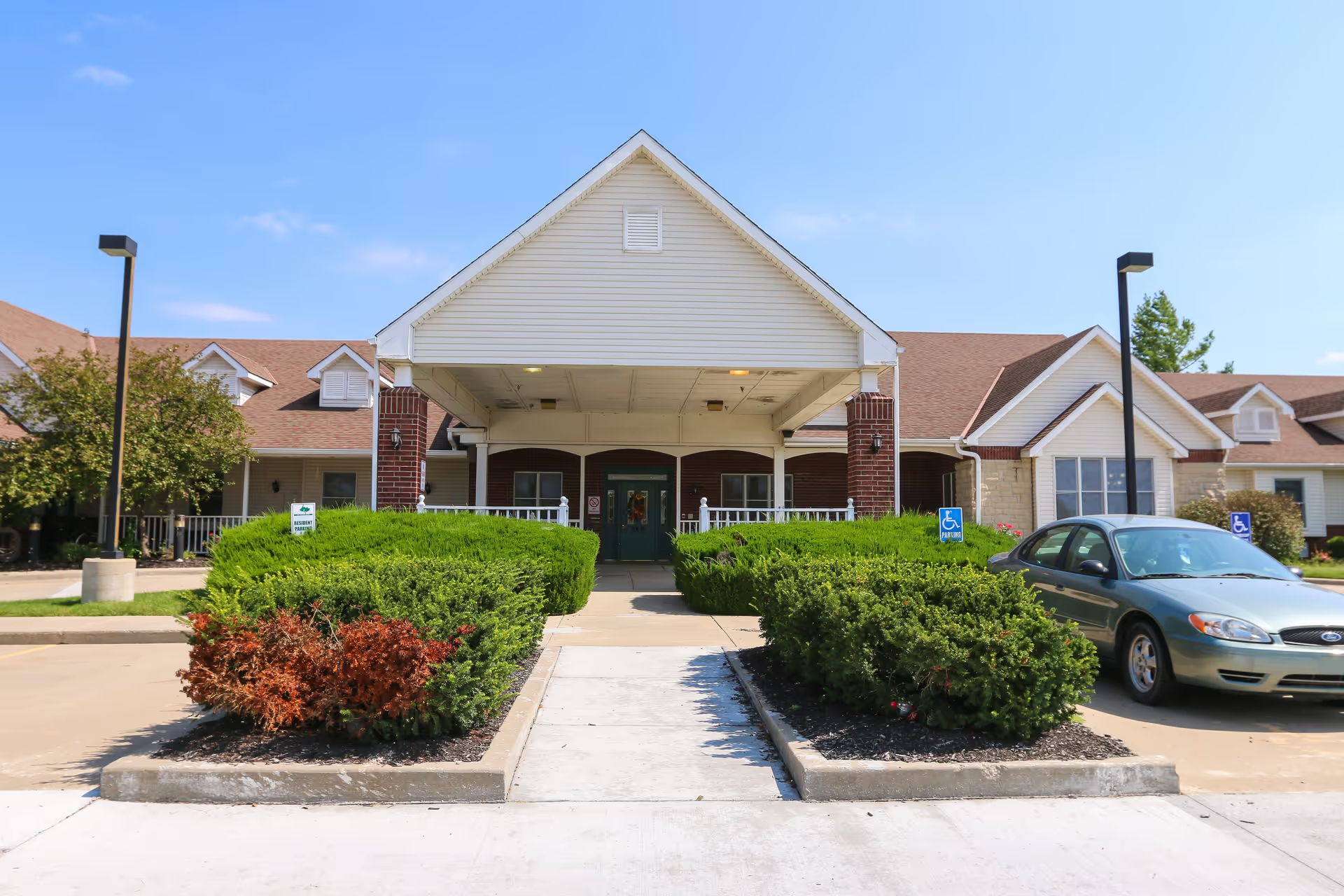
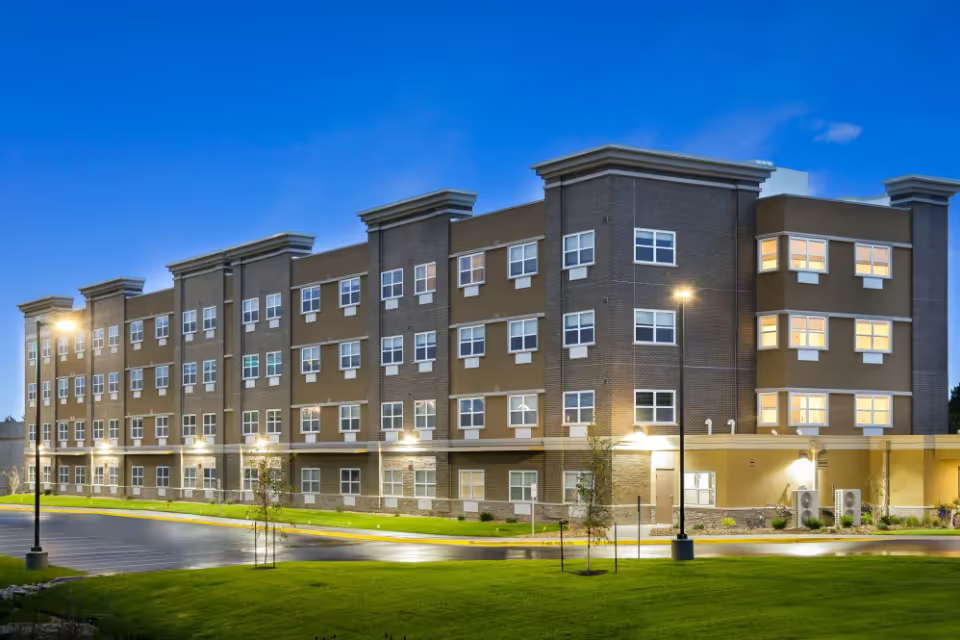
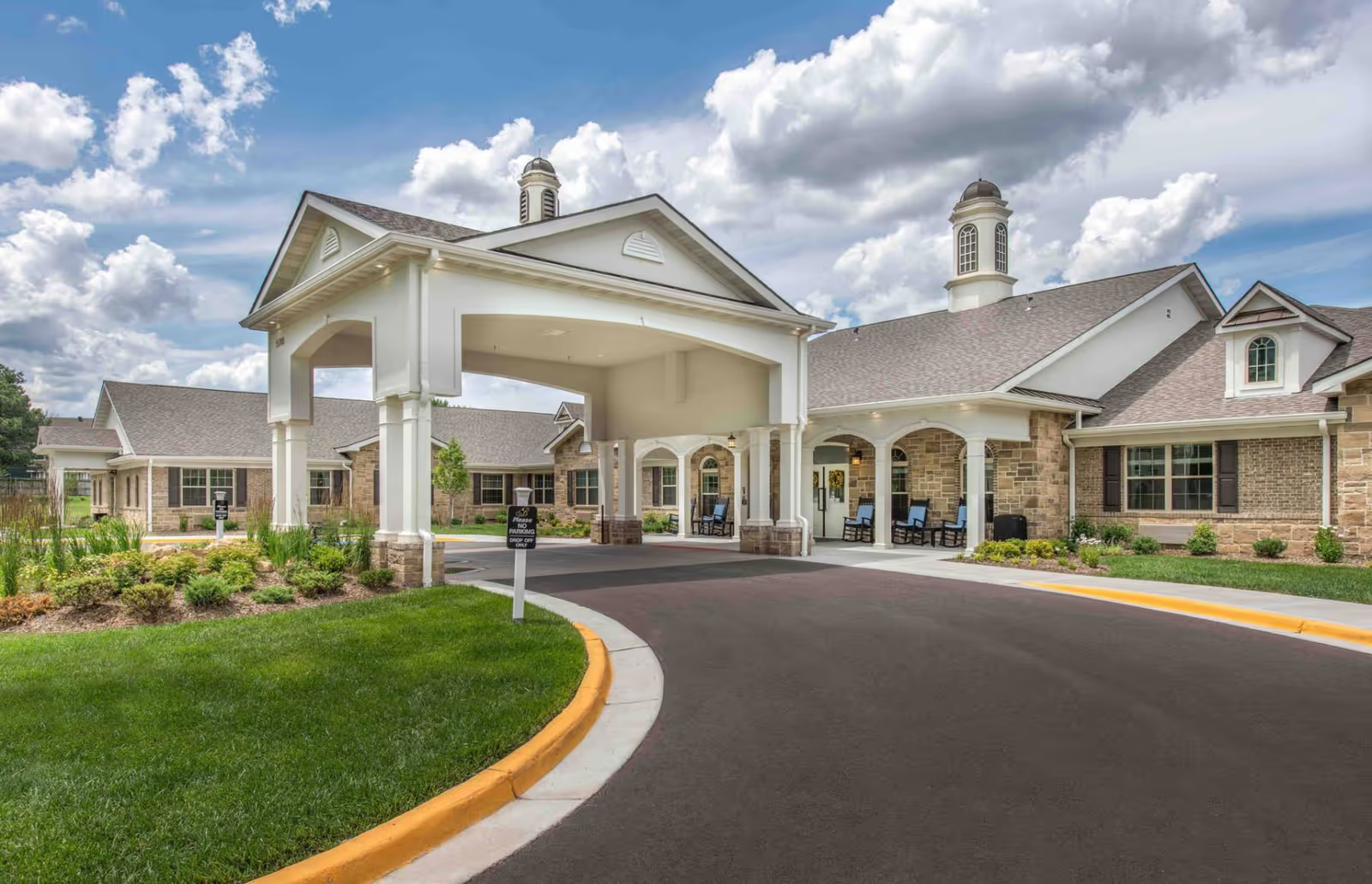
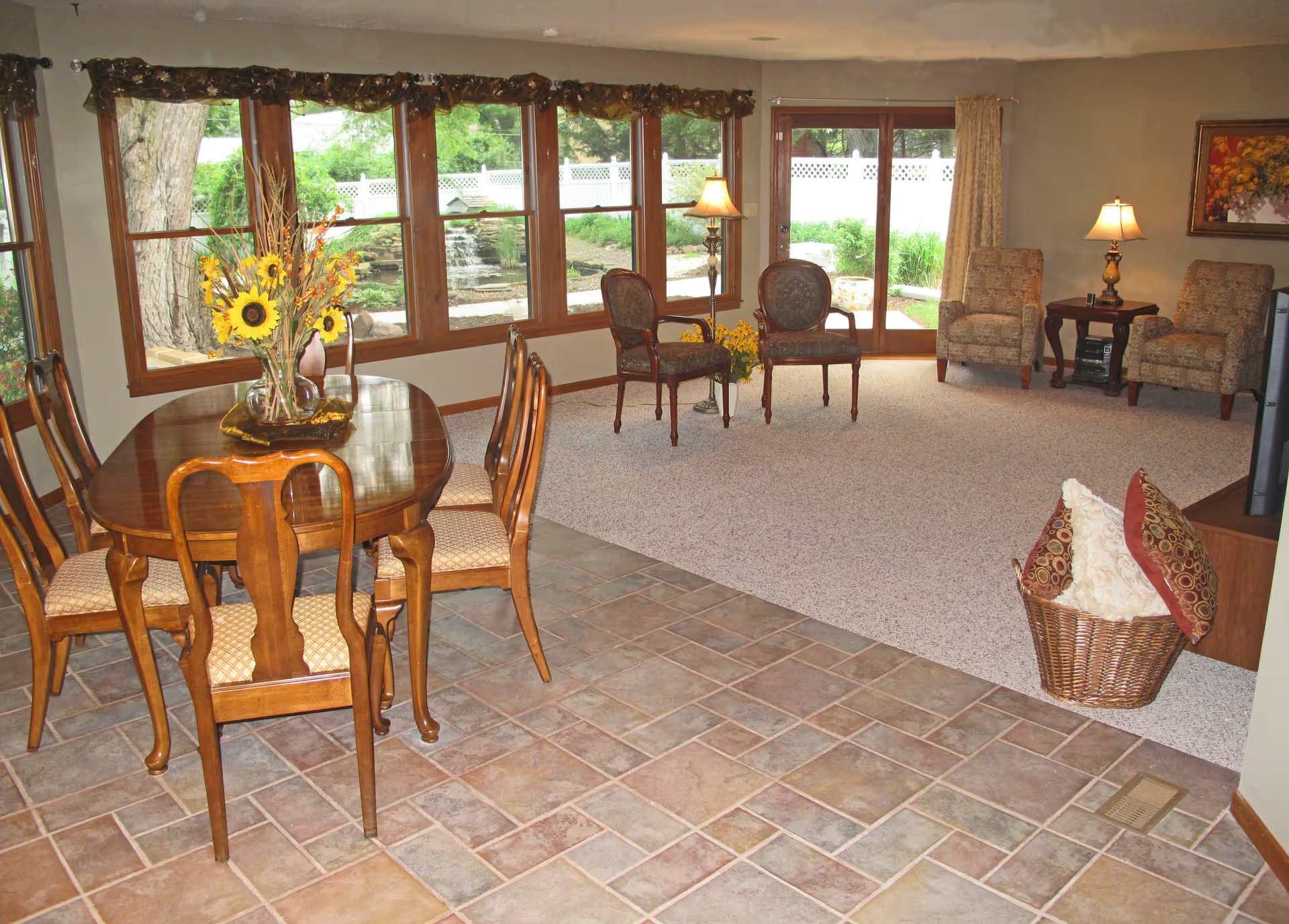
Facilities, cleanliness and maintenance: The facility receives favorable mention for recent renovations, cheerful common areas, and a generally home-like atmosphere in some units. At the same time, reviewers reported deferred maintenance needs, slower-than-expected repair responses, and localized odor concerns. Cleaning-response time and sanitation-related care (for residents with continence needs) were identified as areas needing improvement.
Management, communication and administration: A consistent theme is uneven administrative responsiveness. Concerns include billing errors, delayed refunds, unresponsive or brusque communication from management, and the need for families to intervene to secure adequate care. There are also indications that care continuity was affected during infectious-disease events. These patterns suggest that financial processes, family communication channels, and escalation pathways could be clarified and strengthened.
Notable patterns and guidance for families: Experiences appear polarized — several families express gratitude and would recommend the facility, while others describe operational failures that materially affected care. When evaluating this community, families should ask about current staffing ratios and turnover, dementia and delirium training for clinical staff, fall-prevention and wound-care protocols, meal-service reliability, recent maintenance and inspection history, and how billing and family communication issues are handled. Confirming current conditions in person and reviewing recent inspection reports will provide the most up-to-date picture of strengths and areas needing improvement.