The collected reviews present a mixed picture of clinical care and operations. On the positive side, reviewers describe clinicians and bedside staff who can be friendly, calming, and effective in delivering immediate care for minor injuries and acute symptoms. Several comments highlight prompt attention for walk-in or urgent situations and express gratitude for successful interventions. These accounts suggest the facility can provide competent, reassuring care in episodic, urgent contexts.
Counterbalancing those positive notes, there are consistent concerns about diagnostic processes and continuity of care. Reviewers describe delays in ordering or performing diagnostic tests, multiple required appointments to reach a diagnosis, and instances where a second opinion changed the initial assessment. These accounts point to gaps in test coordination, diagnostic follow-up, and medication-review procedures that have, in some cases, affected clinical outcomes. Medication-management practices and clinical review processes appear to be areas needing reinforcement.
Administrative and management issues are recurring themes. Complaints include lost paperwork, slow responses to inquiries, difficulties with insurance authorization or billing, and inefficient appointment scheduling that leads to extended wait times. Front-desk communication and professionalism are also singled out as inconsistent, creating added friction during care episodes. Together these operational weaknesses suggest the facility could benefit from process improvements in records handling, scheduling, and patient communication protocols.
Staffing picture is variable: many clinical staff are described positively, while other staff members — clinical and administrative — are perceived as inconsistent in competence or professionalism. This unevenness creates an unpredictable experience for families and patients; some encounters are prompt and effective, while others involve delays or coordination lapses. Prospective residents and families should anticipate variability in day-to-day interactions and consider asking specific, recent questions about staffing stability and clinical oversight during tours.
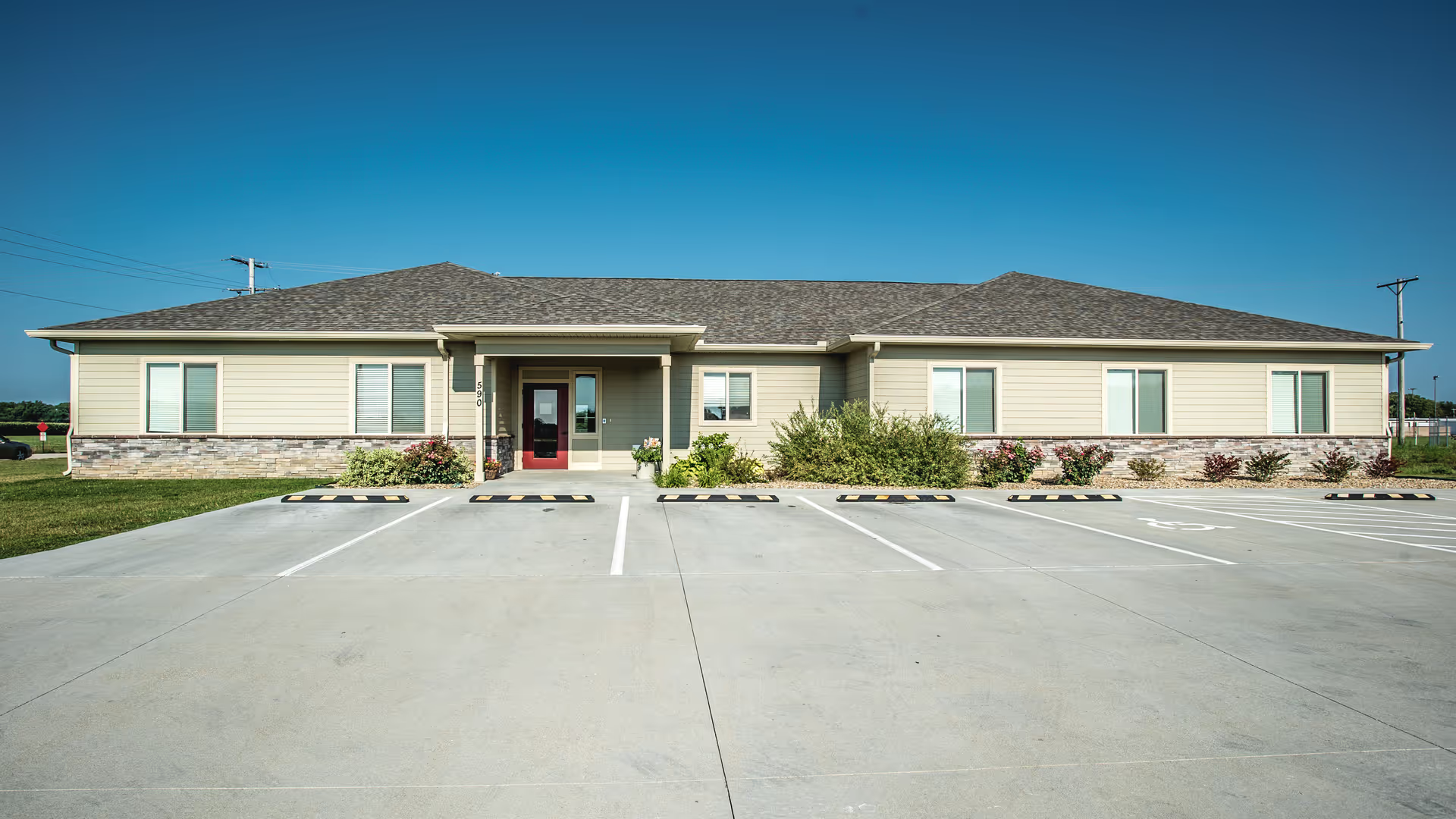
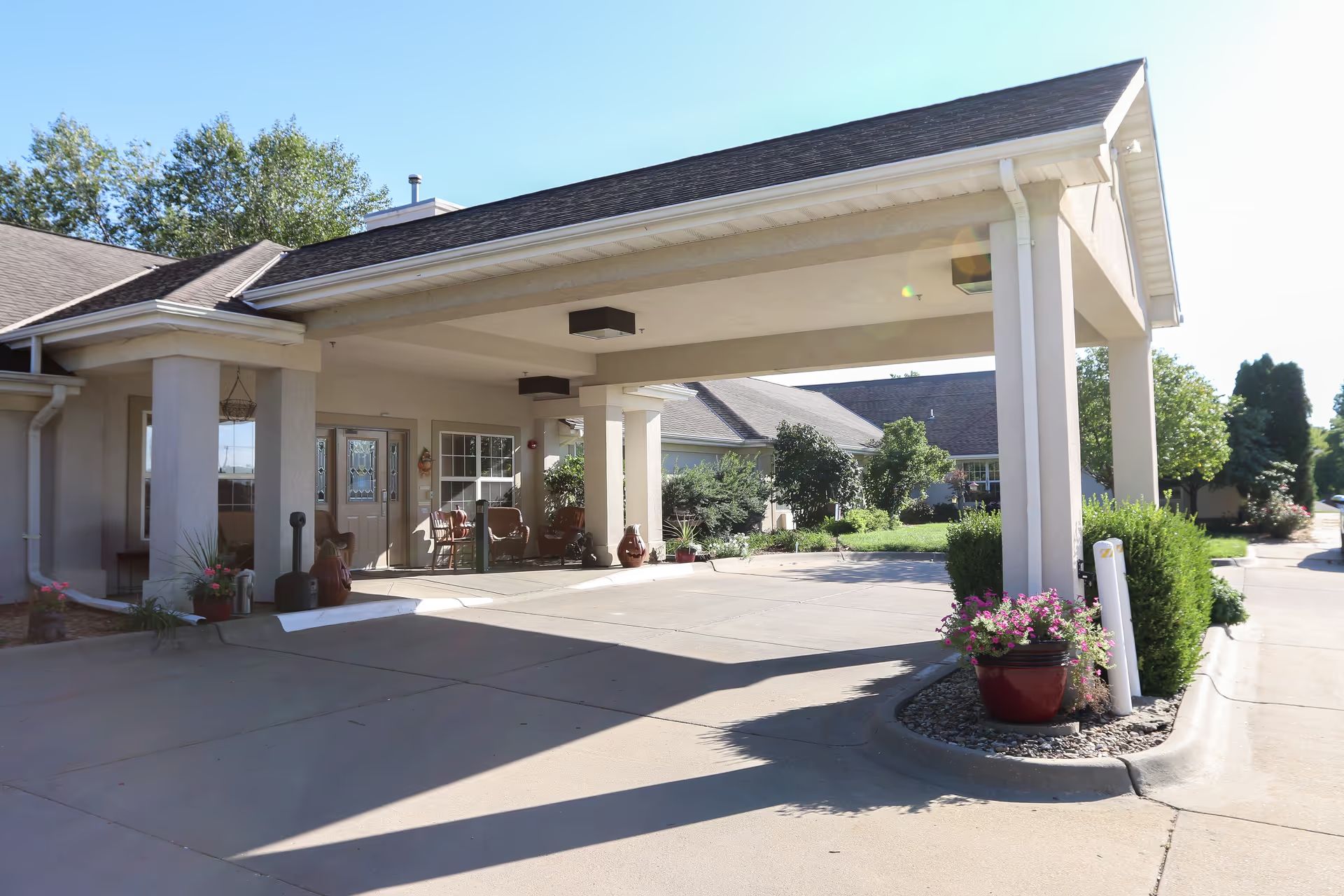
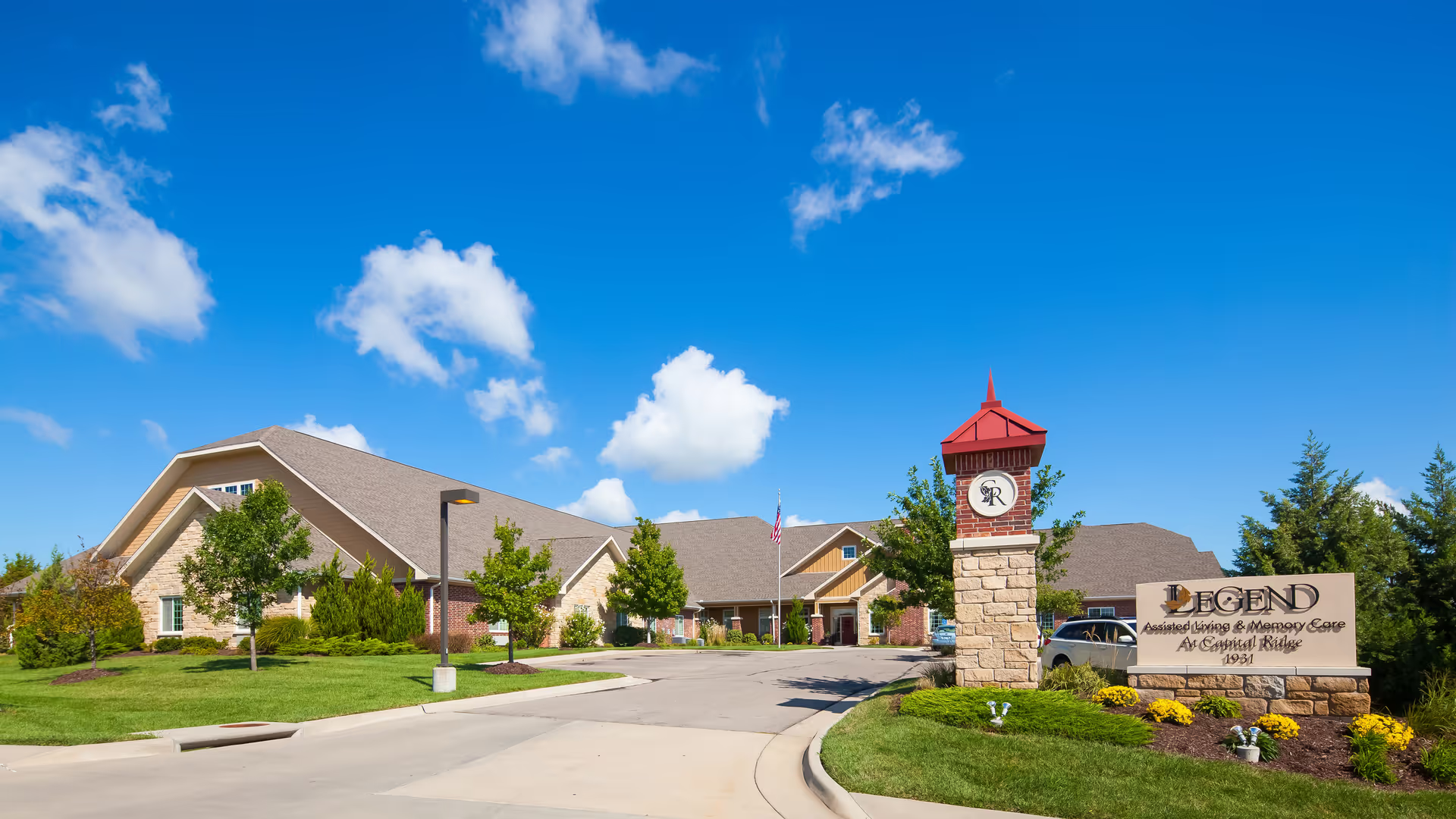
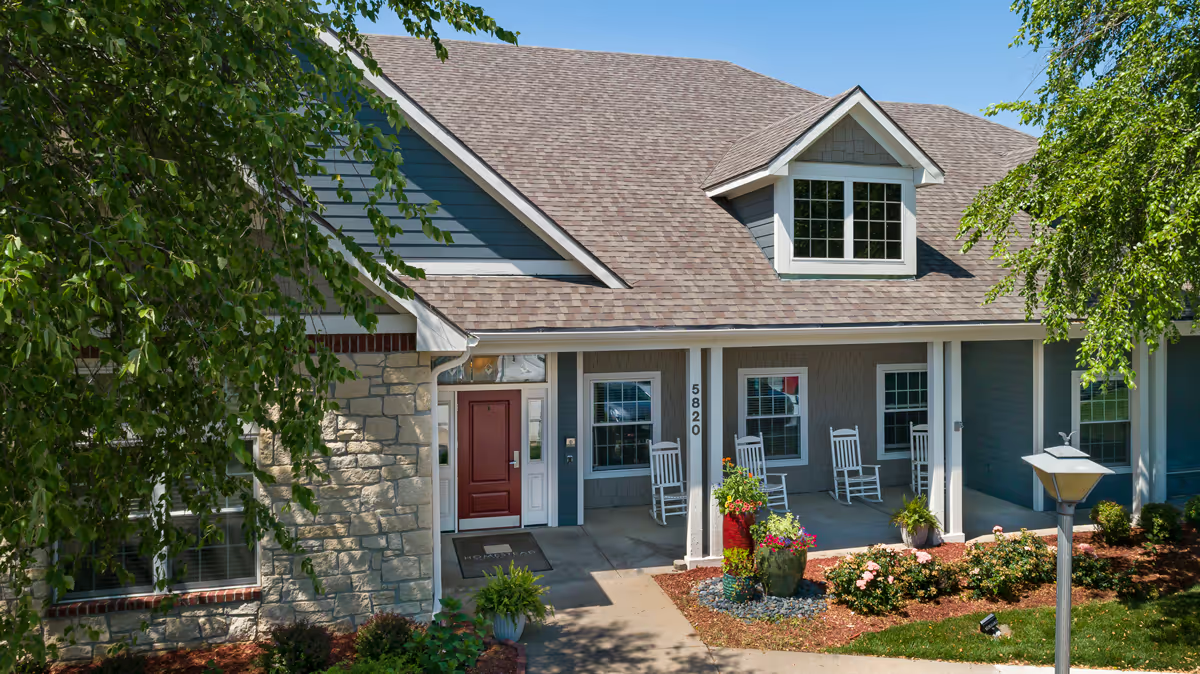
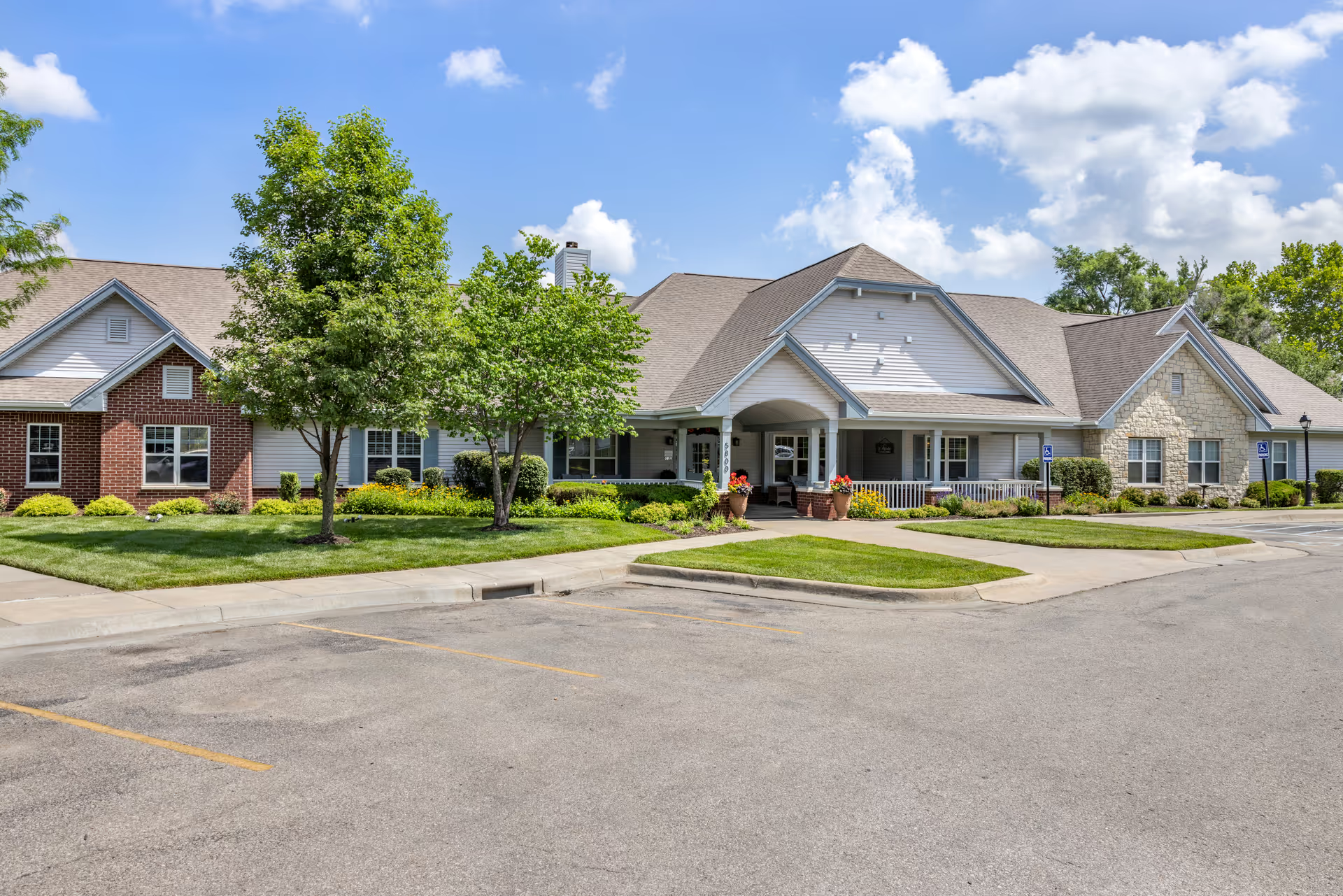
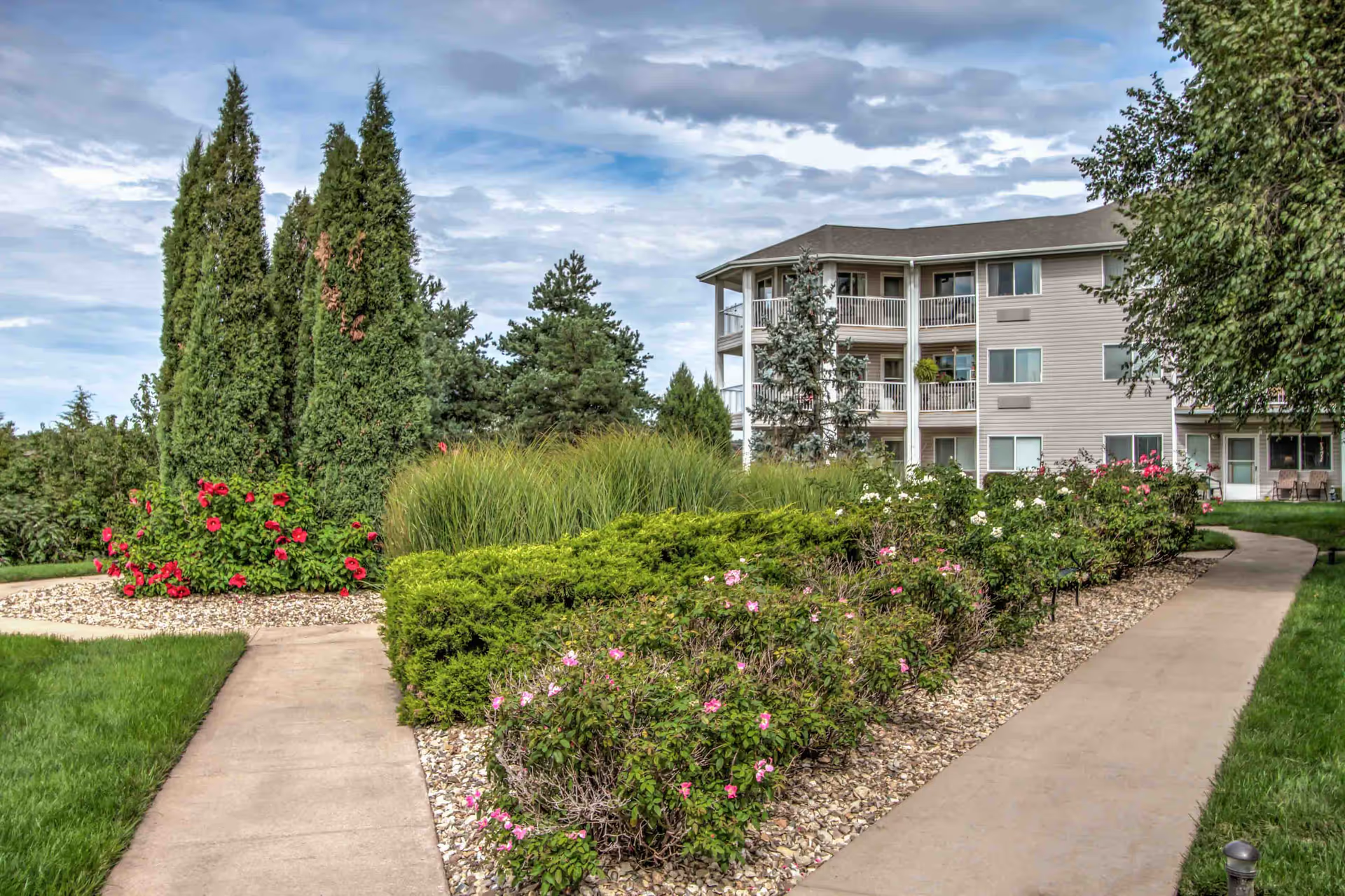
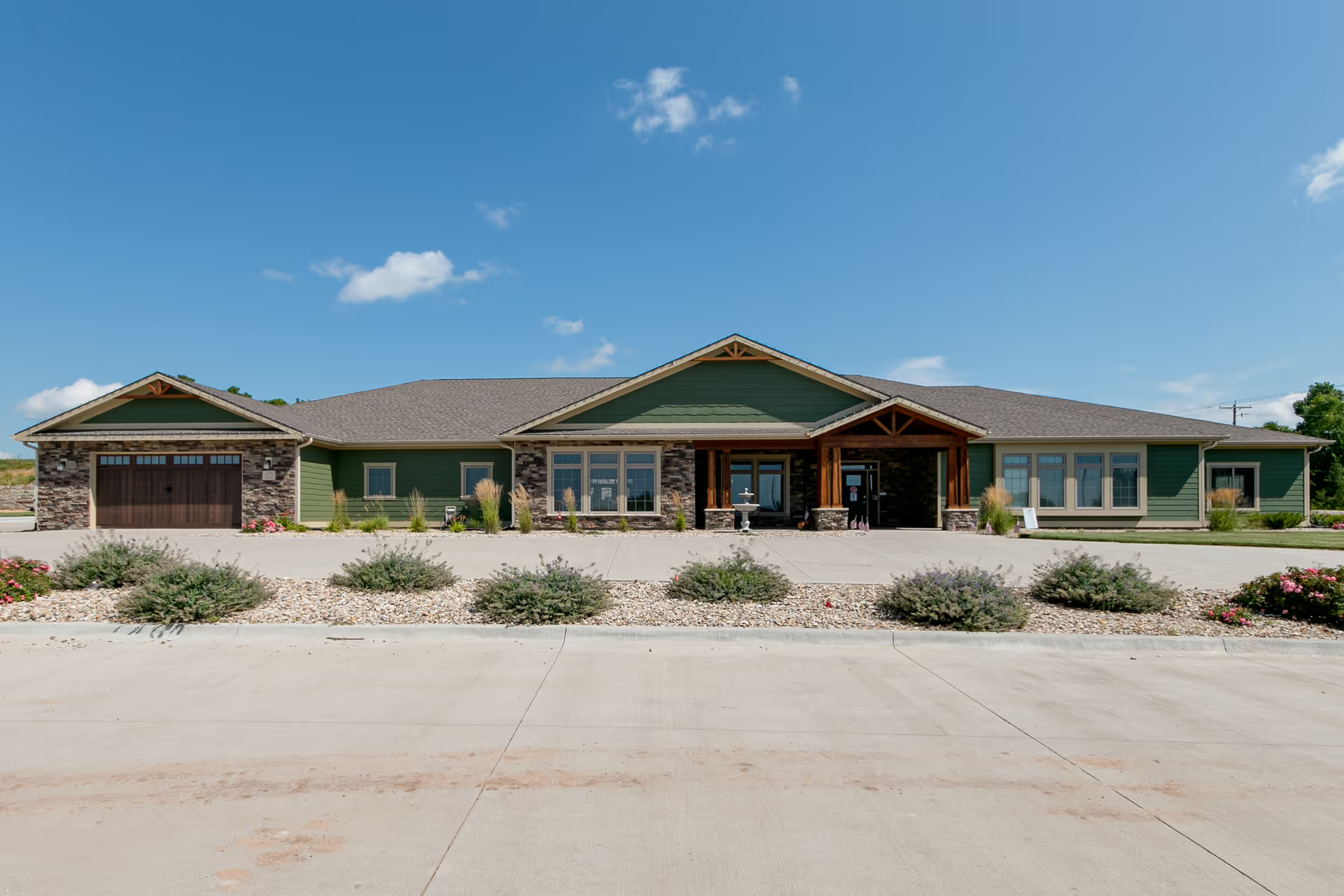
Reviews do not provide substantive information about dining services, organized activities, or the physical amenity environment. Because commentary is concentrated on clinical care and administrative performance, families should request current, facility-provided details about meals, activity calendars, and living spaces when evaluating fit.
Overall, the facility shows strengths in delivering timely, compassionate care for acute, minor clinical needs, but exhibits notable weaknesses in diagnostic coordination, medication oversight, administrative workflows, and front-desk professionalism. Those patterns indicate areas where management attention and process redesign could materially improve the consistency and reliability of care and the family experience.