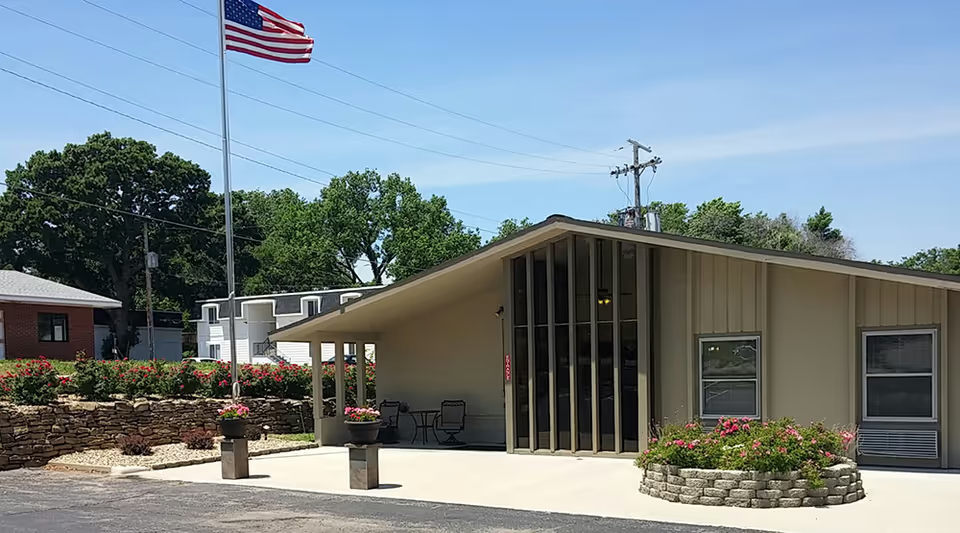
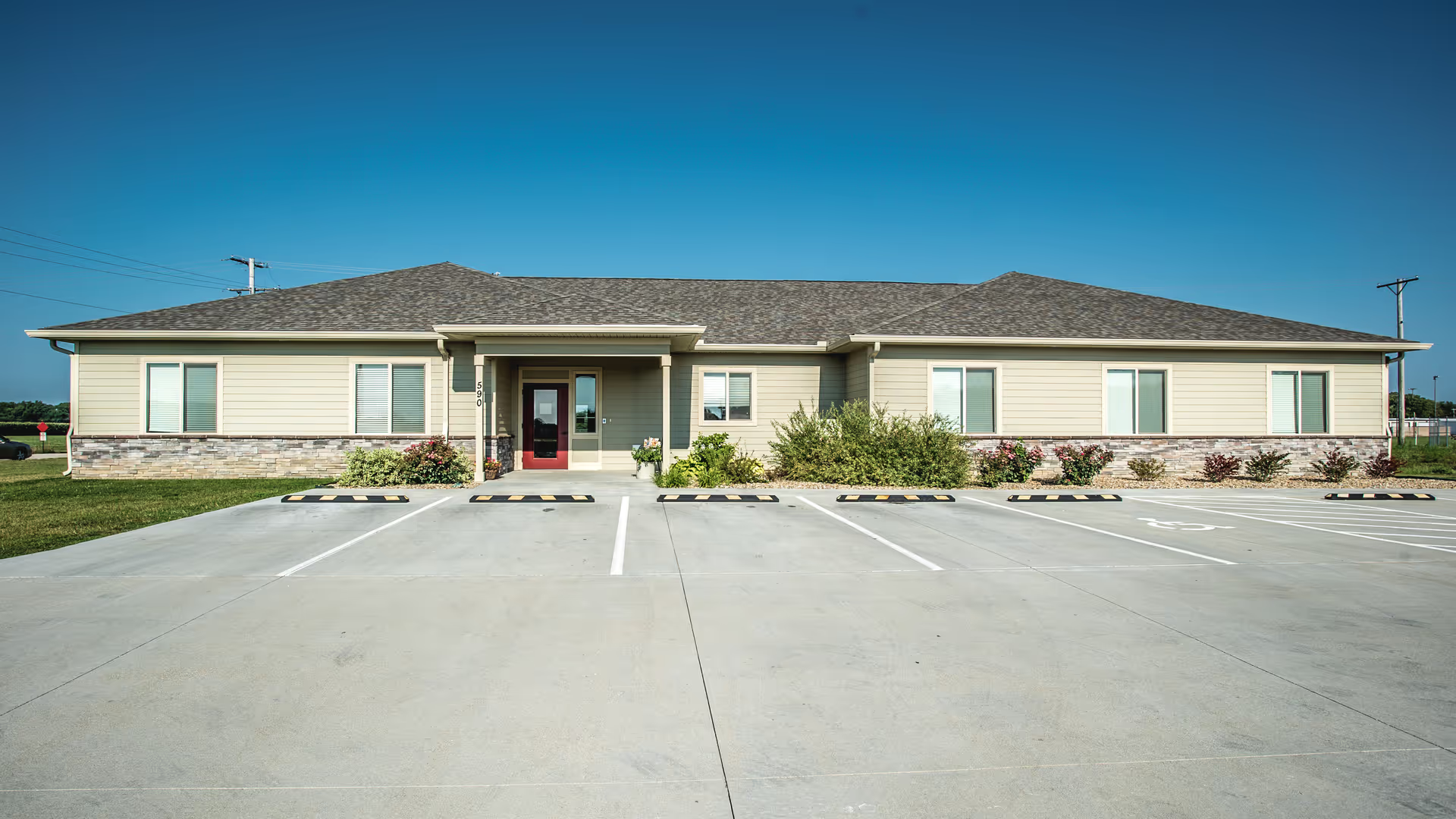
Brookdale Topeka presents as a small, memory-care–focused community with many families praising the caregiving staff, activity team, and the facility’s home-like feel. Reviewers commonly highlight compassionate, patient aides and engaged activity directors who run a broad schedule of programs — exercise sessions, crafts, sing-alongs, game-based activities, and movies — and who create personalized, moment-of-success activity stations. Nursing and wellness staff receive repeated positive mentions for responsiveness, medication adjustments that prioritize comfort, and proactive family communication, which many families found reassuring during transitions.
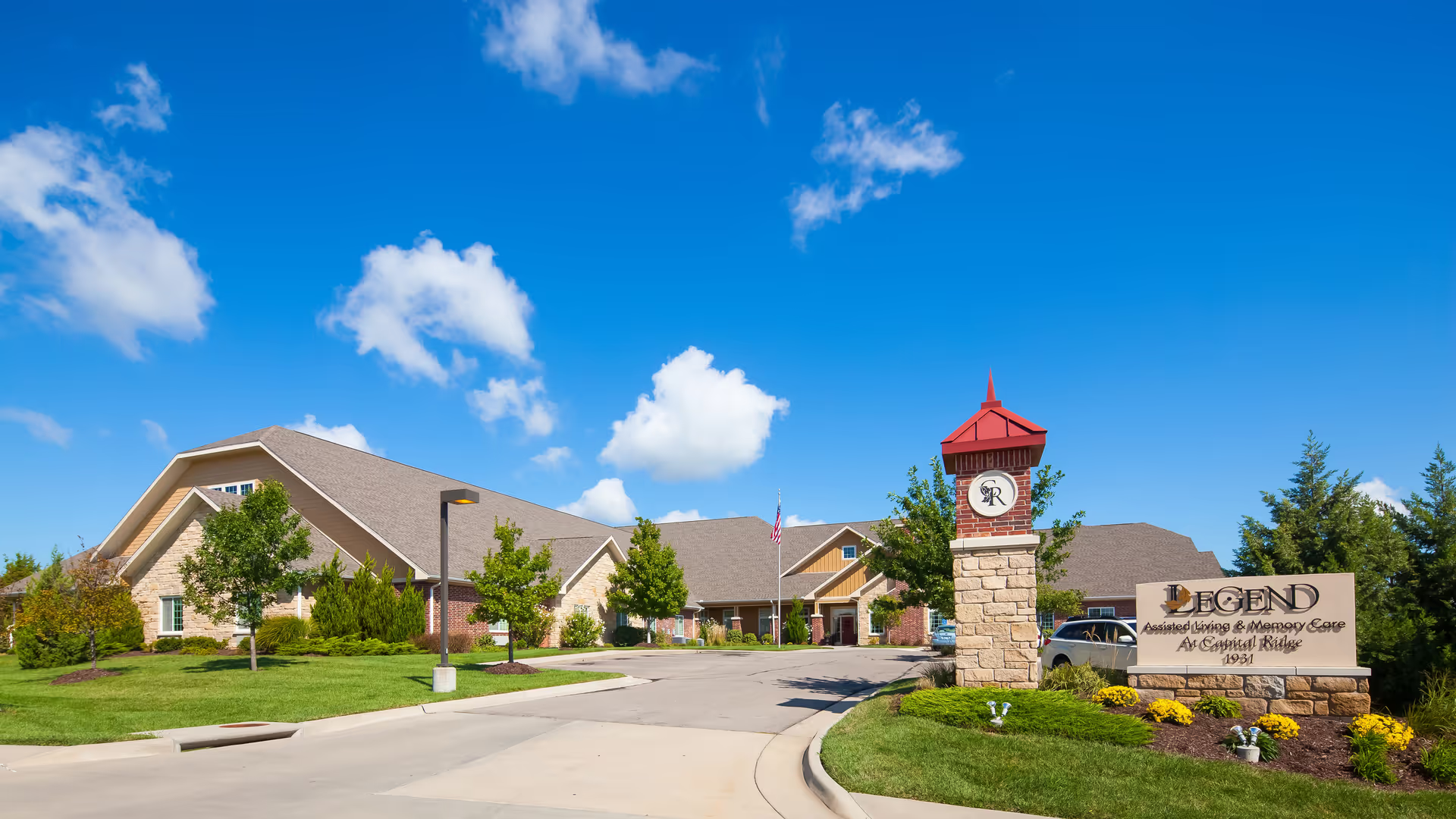
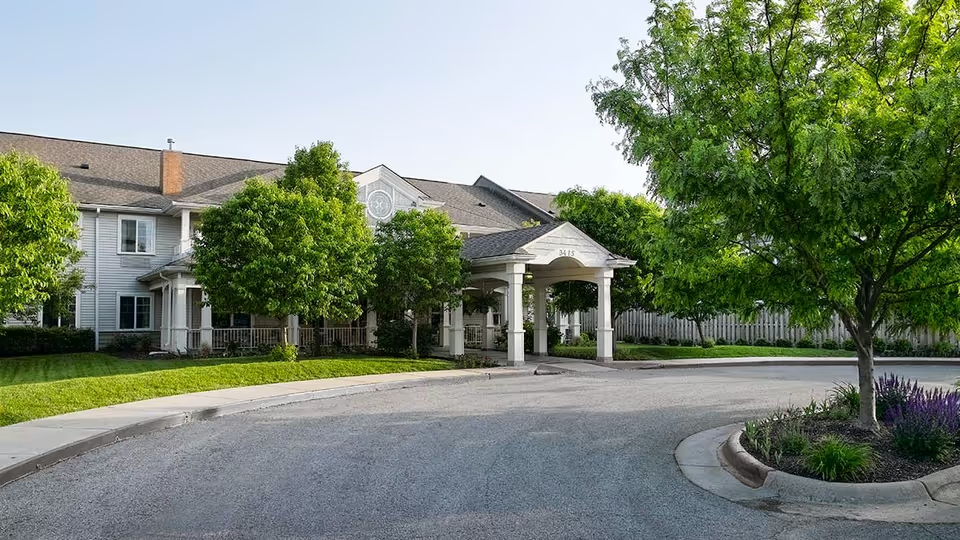
Dining and daily life are often described positively: family-style meals, multi-course offerings, and an on-site chef are noted strengths. The building, common areas, and outdoor courtyards are frequently characterized as clean, secure, and well maintained, contributing to a safe, comfortable environment for residents with cognitive impairment. Move-in processes, individualized room modifications, and options for virtual or porch visits (used during infection-control periods) are also cited as helpful features that ease transitions for families.
At the same time, several operational patterns recur in the feedback. Leadership and management turnover is a consistent concern, accompanied by examples of young or inexperienced management and frequent policy changes; this instability appears to affect staff morale and local decision-making. Staffing levels and employee turnover were described as stretching aides thin at times, producing inconsistent attentiveness and variability in day-to-day care. Housekeeping and maintenance practices are generally acceptable but have been uneven in some instances, with isolated incidents involving mattress or room maintenance and odor or cleanliness issues in particular common areas.
Administrative matters are an important area for prospective families to review closely. Multiple families described billing difficulties, unexpected charges, late or discharge fees, and communication gaps between the local site and corporate office; a few reported more serious administrative concerns related to collections and information handling. Laundry and personal-belongings management is another operational weakness cited — lost or mislabeled clothing and an unorganized laundry process — pointing to a need for stronger inventory and labeling practices.
Program fit should be carefully considered: the community’s focus on memory care, structured schedules, and a dementia-centered environment is an asset for residents with cognitive impairment but may be a less suitable match for people without memory needs. Activity offerings are robust overall, but engagement can be uneven across functional levels; some families praised very active programming while others found options too limited or not well matched to their loved one’s abilities.
In summary, Brookdale Topeka is frequently commended for compassionate caregiving, a strong activities culture, clean facilities, and effective clinical staff — features that many families found reassuring for dementia care. The primary operational concerns are management instability, administrative and billing inconsistencies, staffing pressure, and occasional housekeeping/laundry lapses. Prospective residents and families would benefit from targeted conversations during a tour about staffing ratios, billing practices and fees, laundry procedures, privacy policies, and how activities are individualized to a resident’s functional level to determine whether the community is the right fit.