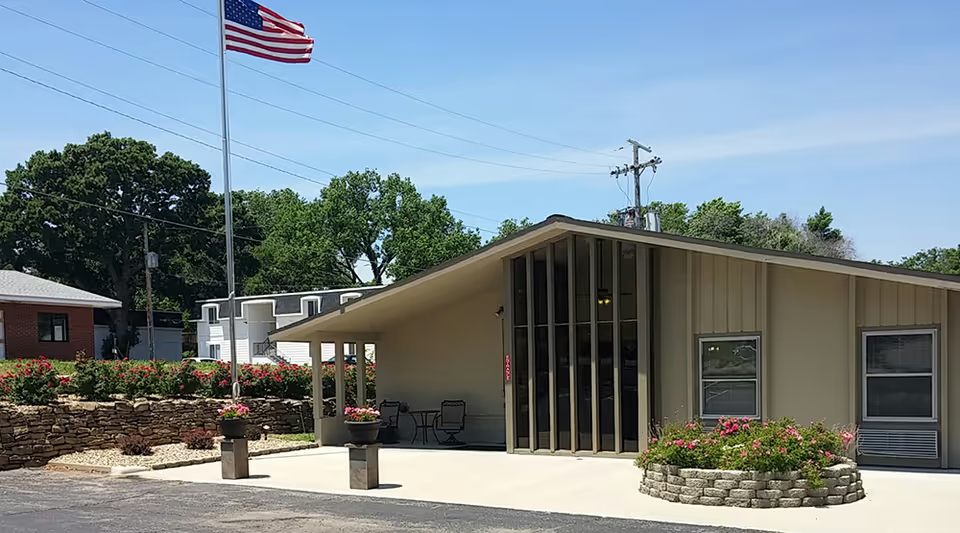
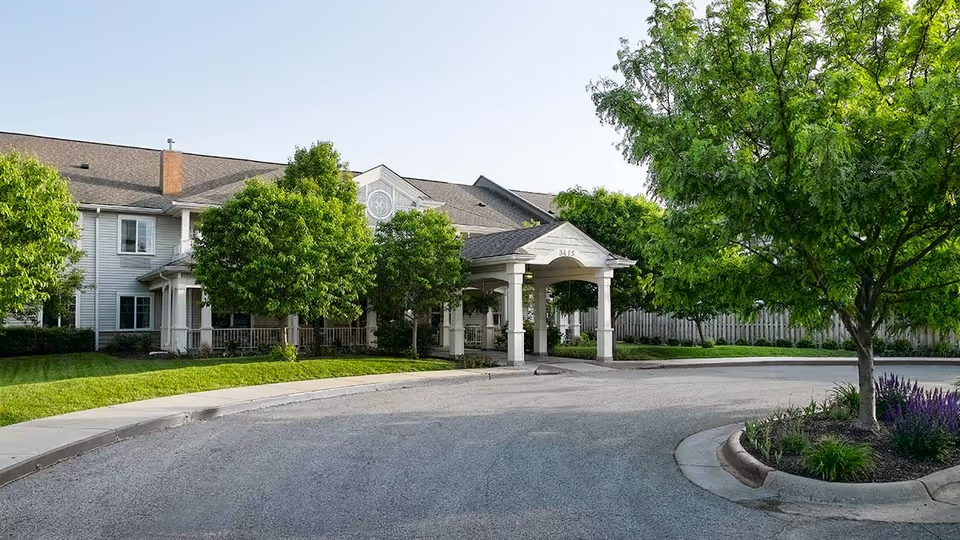
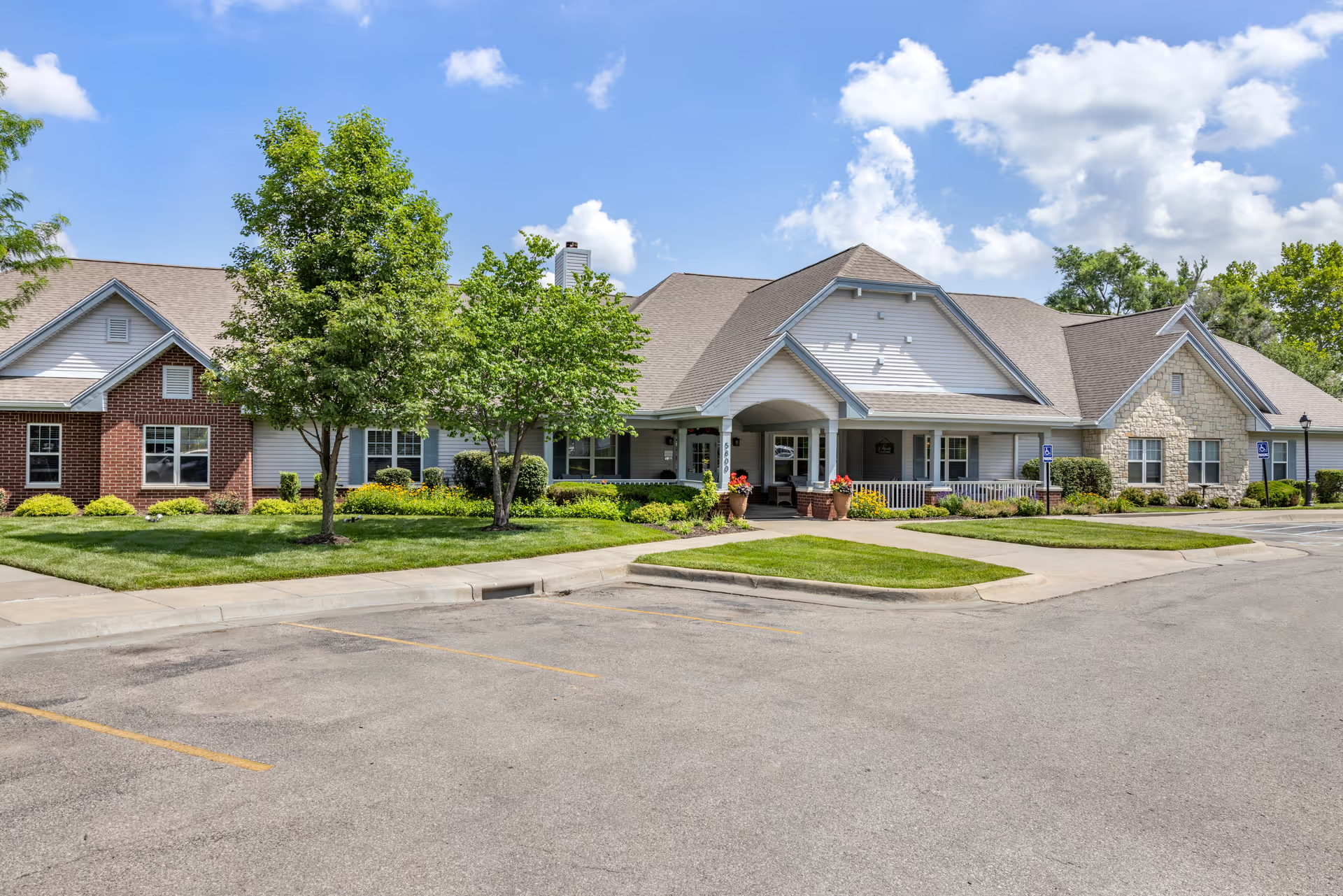
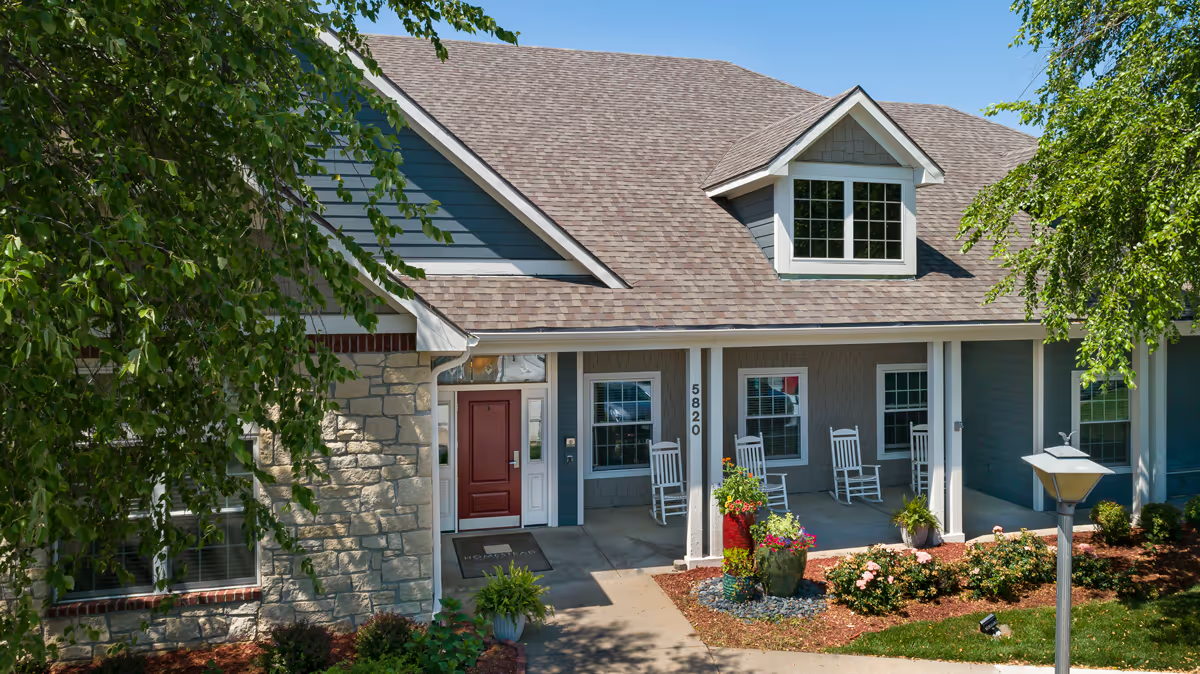
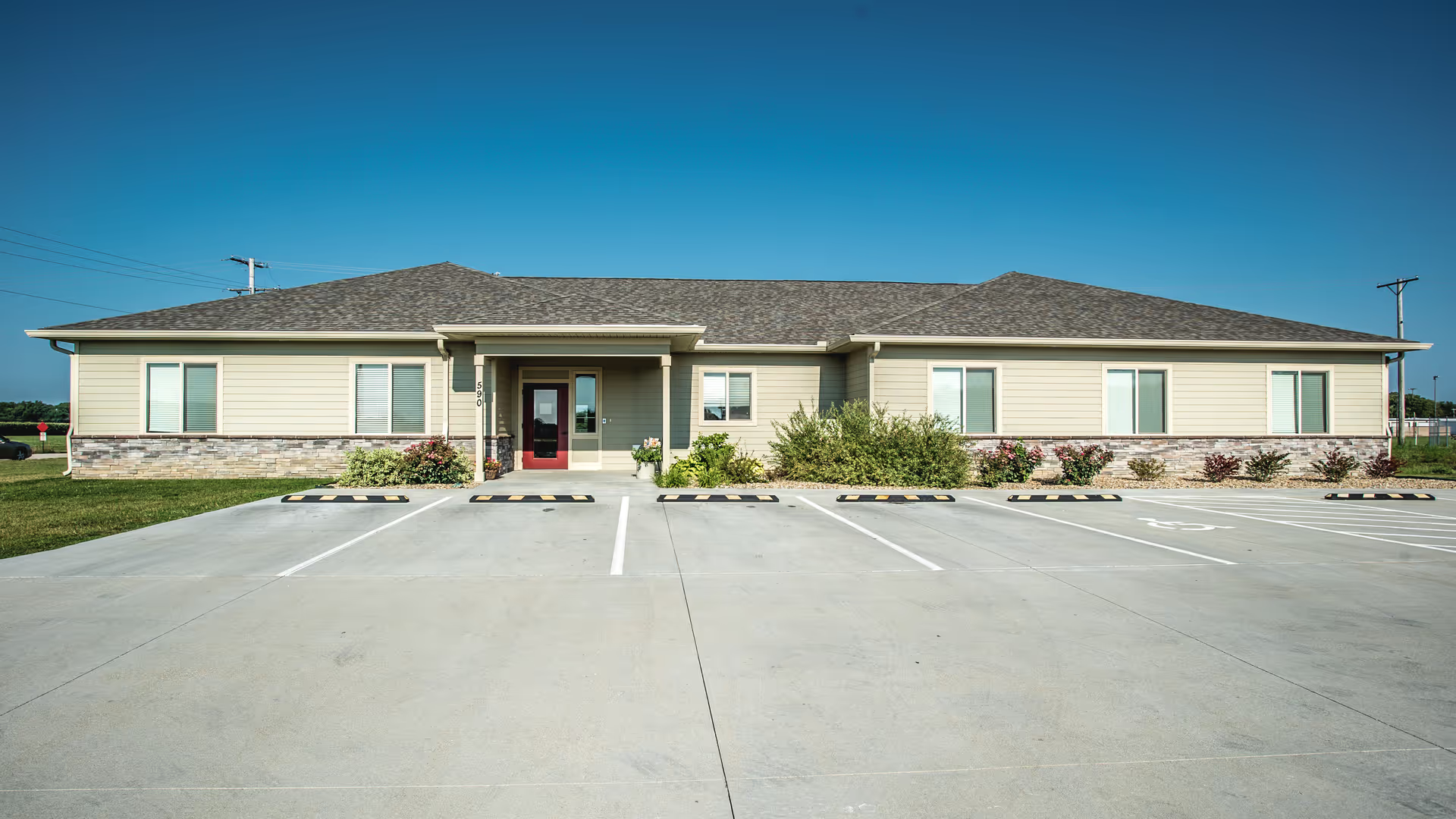
Kelly House of Topeka presents as a small, home-like assisted living residence with a strong emphasis on dementia care and individualized attention. Review content emphasizes a clean, odor-free environment and a family-style atmosphere that many families find reassuring. Several reviewers highlight the facility's hospice support and the ability of staff to provide attentive end-of-life care when needed, which complements the dementia-focused services.
Care quality is frequently described as compassionate and personalized. Families note daily personal attention, dignity-preserving approaches for residents with cognitive impairment, and instances where care appears to have a stabilizing or improving effect on a resident's functioning. Staff are characterized by many as going to considerable lengths to meet resident needs and to make residents feel secure and valued. That said, reviewers also indicate variability in staff conduct: there are isolated negative experiences that point to inconsistencies in professionalism and training. Prospective families should ask about staff training, turnover, and supervision during their evaluation.
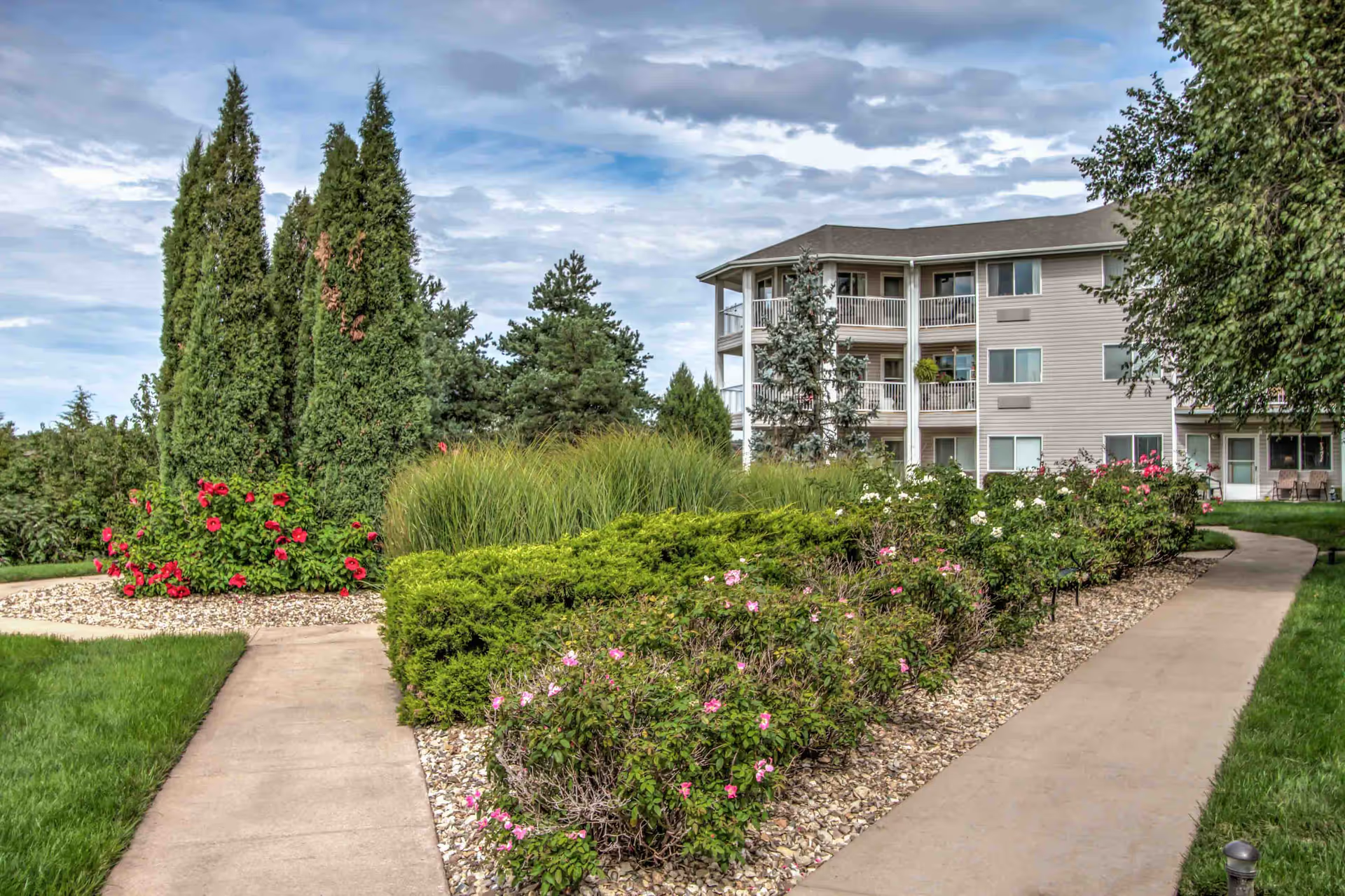
The activity program is a notable strength. Activities are described as adaptable and engaging rather than one-size-fits-all; examples include puzzles, reading groups, daily sing-alongs, library games, and other cognitively stimulating options. The facility also offers outdoor amenities—garden space, walking paths, and a bird aviary—and an on-site salon for grooming and beauty services. Family involvement is encouraged, and the overall social environment is portrayed as emotionally supportive and secure.
Facility amenities and upkeep are portrayed positively: reviewers describe well-cared-for interiors and common areas, and the small scale contributes to an intimate, residential feel. There is limited specific information about dining quality or menu variety in the available summaries; families interested in meal service should request menus, observe meal times, and ask about accommodations for dietary needs.
Management and communication show mixed signals in the summaries. Many accounts convey responsive, caring staff and management who facilitate family involvement and hospice coordination. However, the presence of some negative accounts suggests occasional gaps in staff training, consistency of conduct, and family communication. Visitors should observe staff–resident interactions, inquire about staff education and ongoing training programs, review policies for complaint resolution and medication management, and clarify how individualized care plans are developed and communicated to families. Overall, Kelly House appears to offer a warm, small-scale option with strong dementia supports and engaging activities, while prospective families should verify staff consistency and communication processes during a visit.