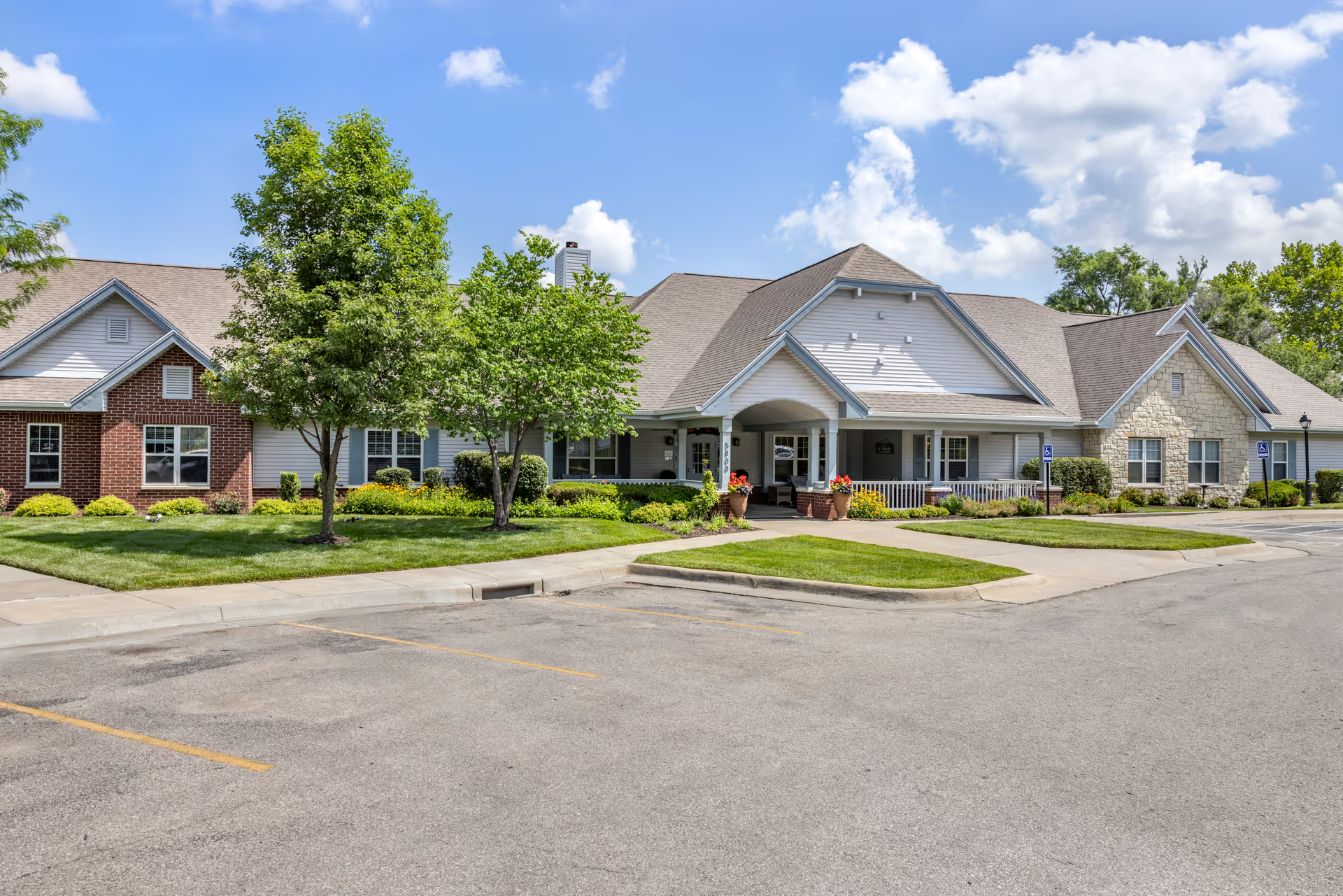
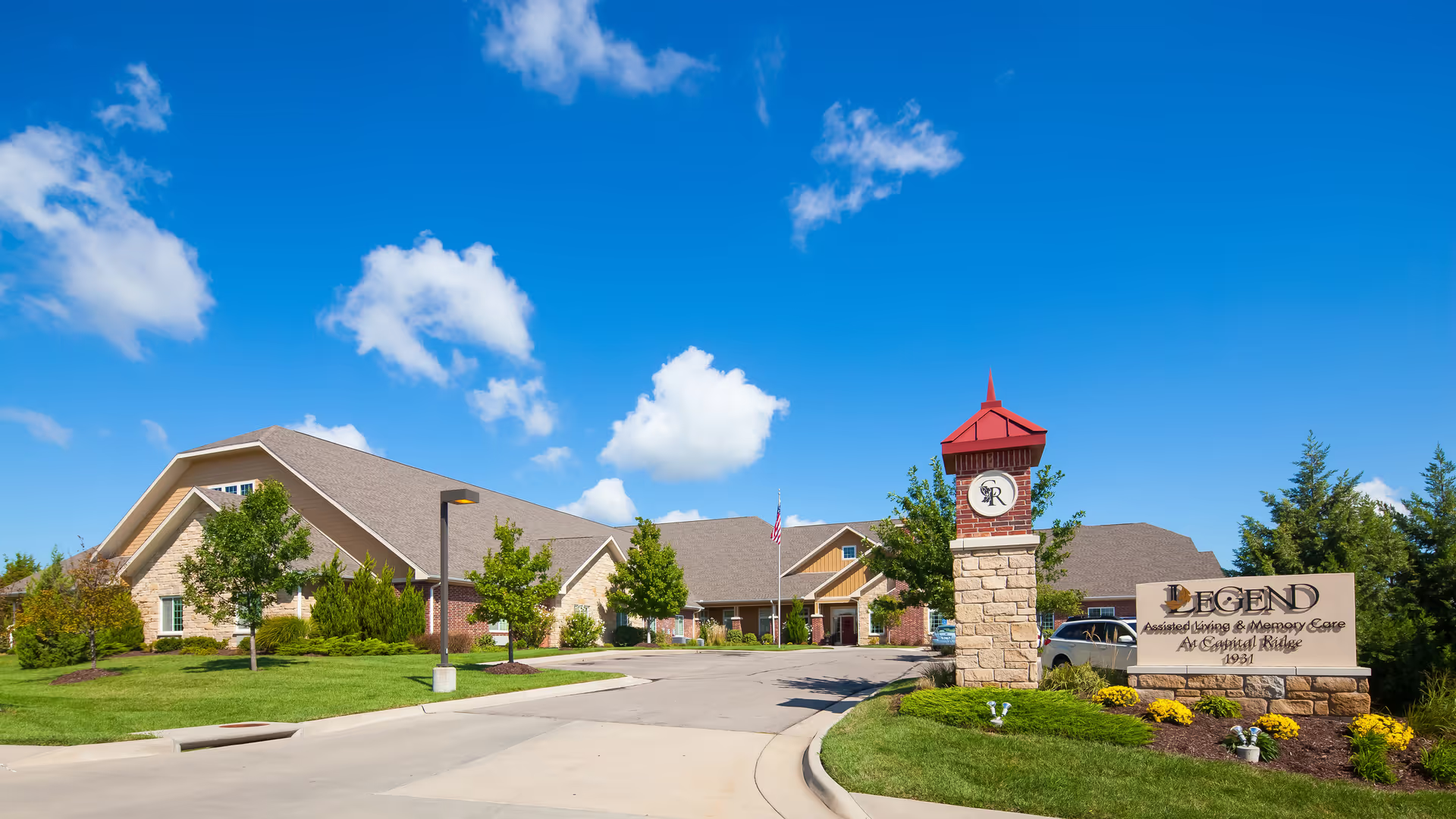
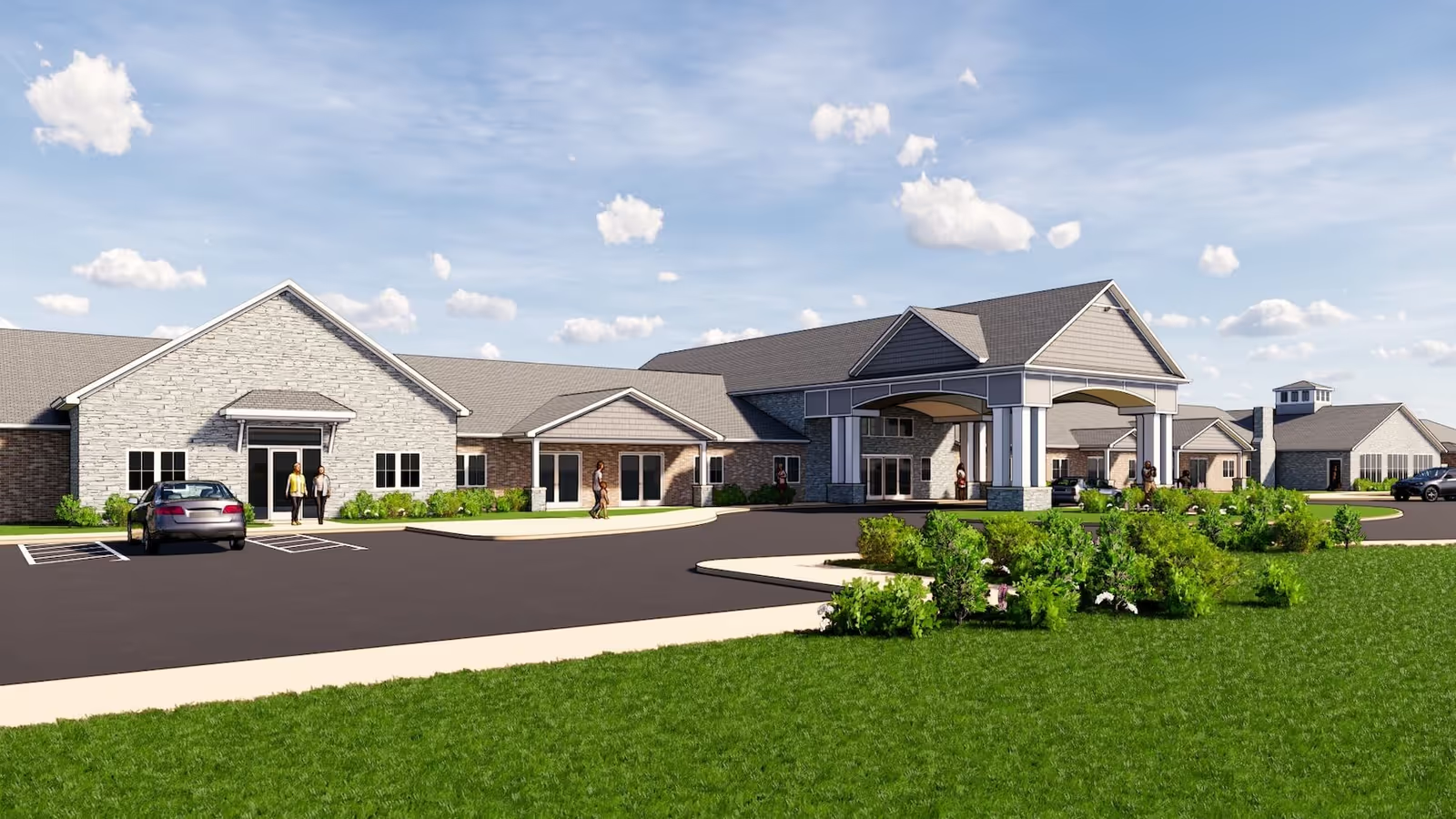
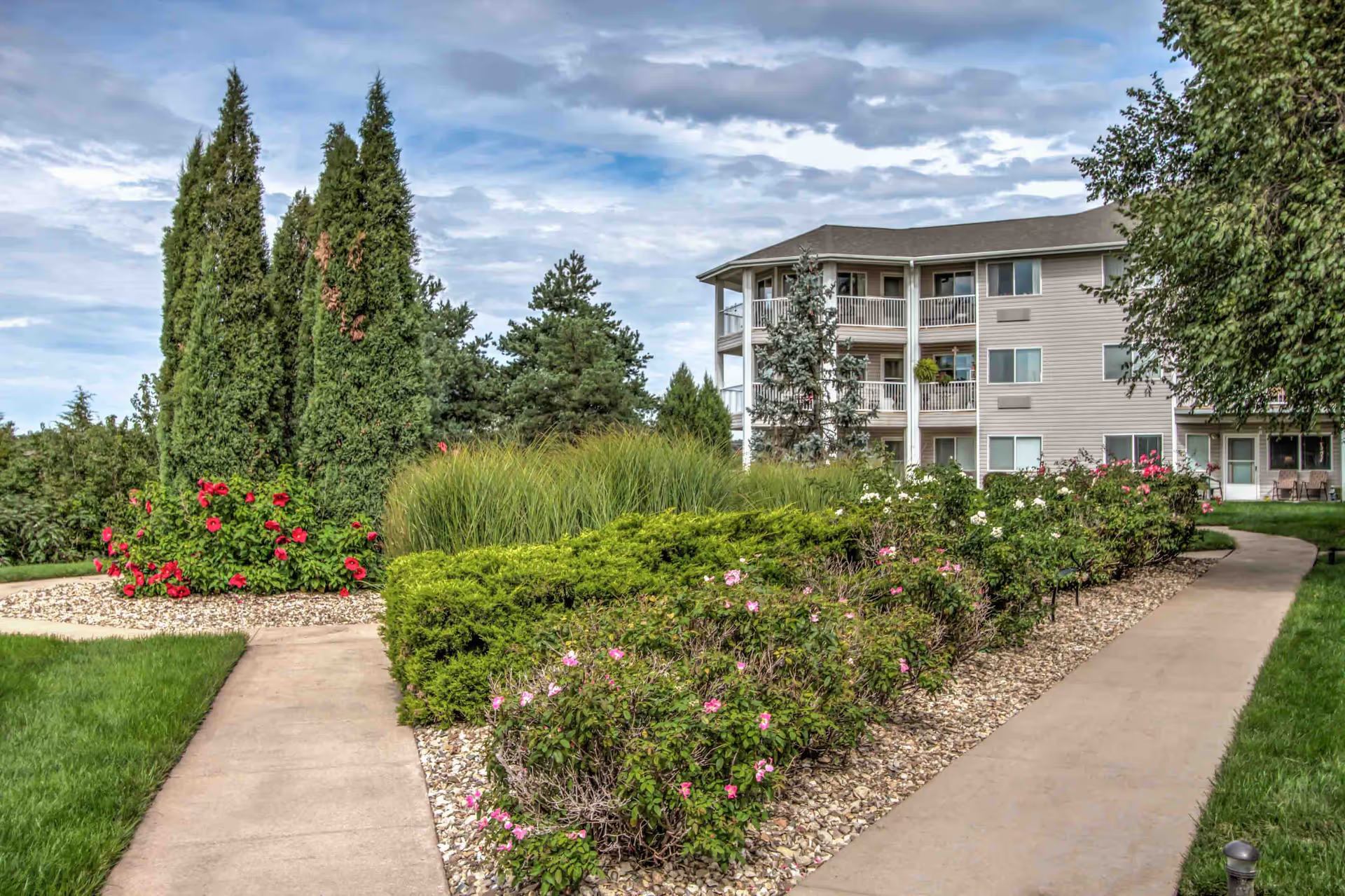
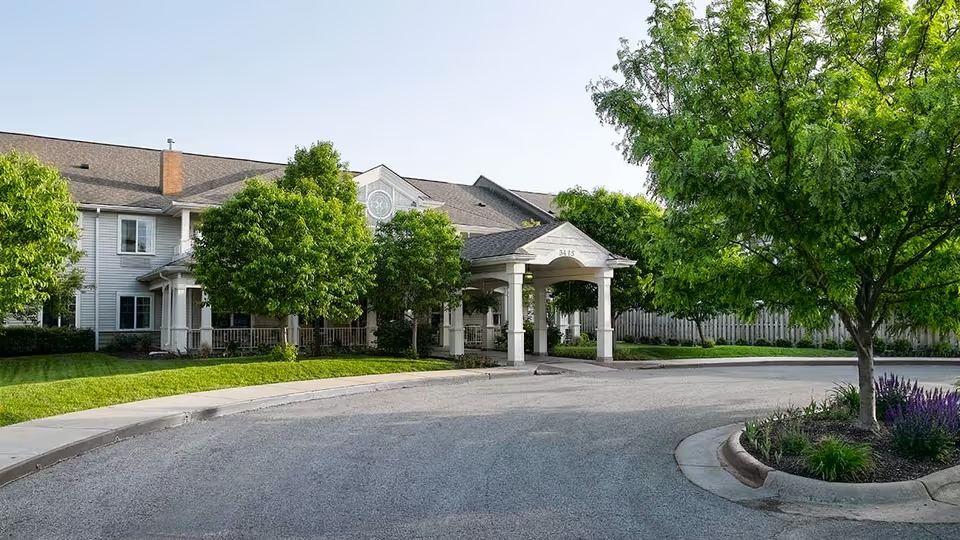
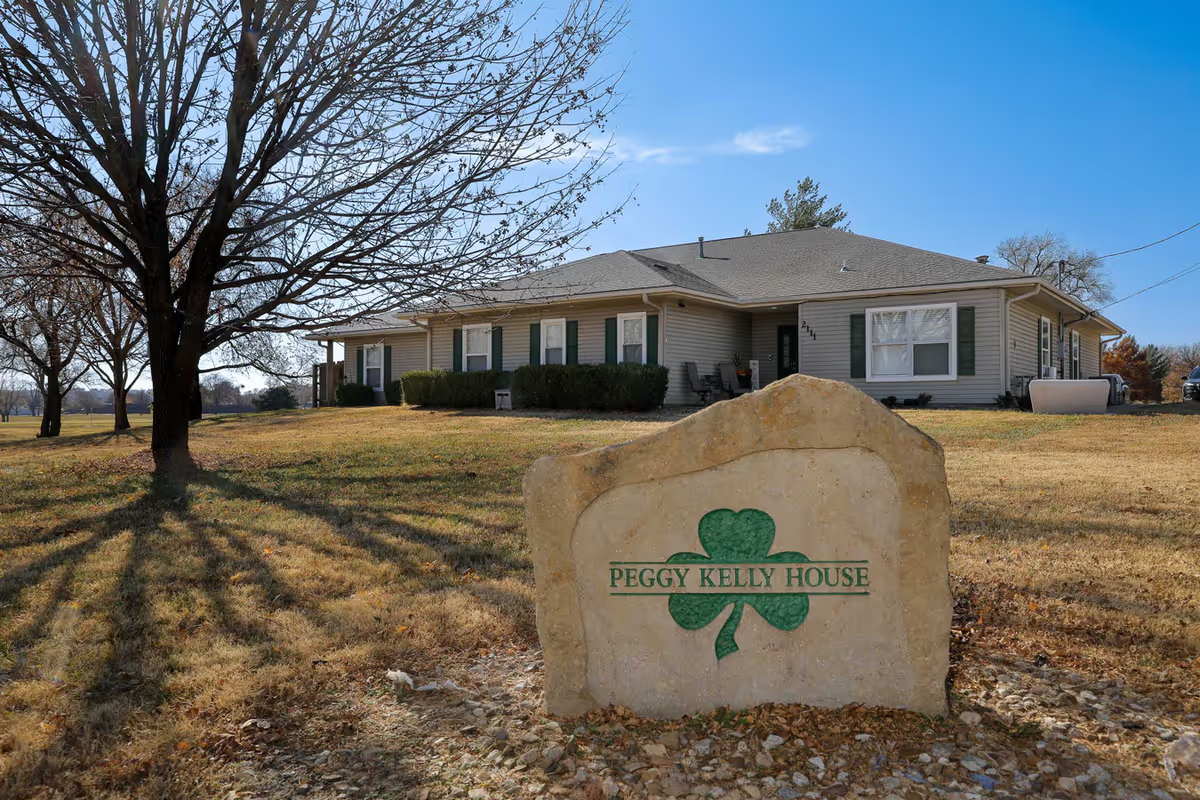
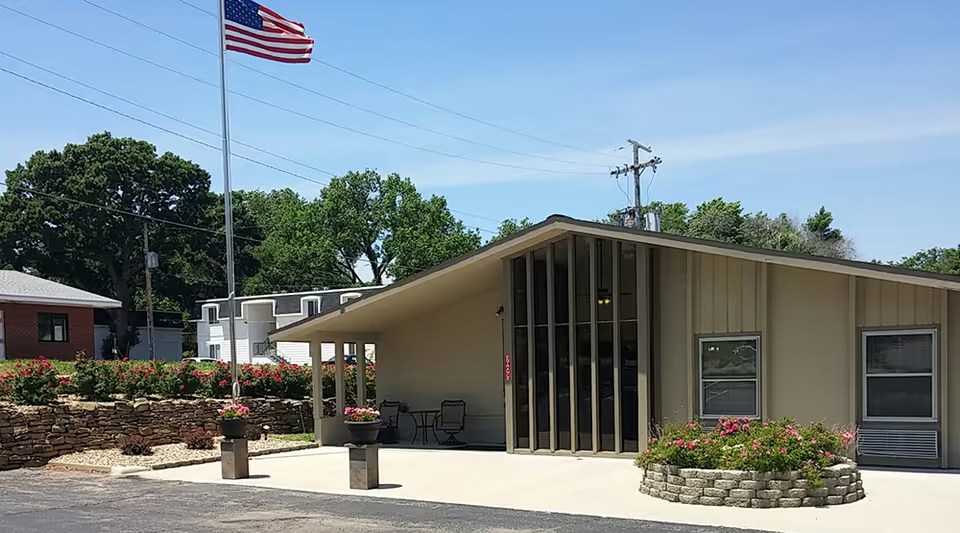
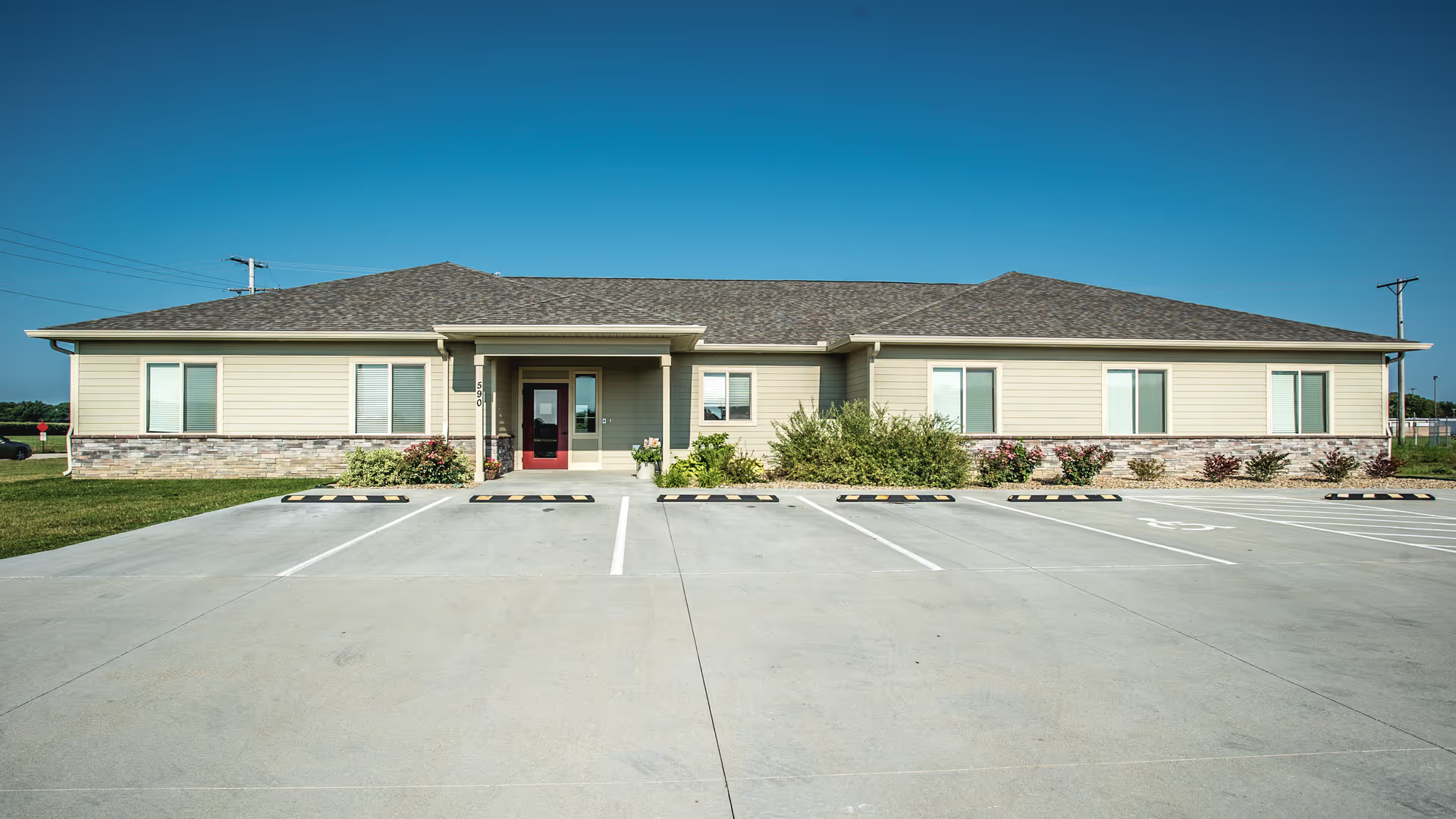
Overall impression The facility is described primarily as a small, family-style memory-care community with a strong emphasis on social engagement and compassionate front-line staff. Many families highlight consistent caregiver assignments, warm staff–resident relationships, a teamwork culture, and frequent invitations for family involvement. The atmosphere is characterized as clean and open, with secure outdoor space, gardening opportunities, and resident animals contributing to day-to-day livability.
Care and staffing Caregiving strengths include attentive, compassionate staff members, continuity in assignments, and active efforts to keep families informed. These features appear to support meaningful one-on-one attention and an environment where residents are visible and engaged. However, a subset of reviewers raised significant clinical concerns, including variability in nursing-level care and lapses in clinical procedures or responses. There are also notes implying gaps in how some clinical incidents are managed and communicated to families, and at least one account that prompted concern about post-operative care and subsequent follow-up. Prospective families should clarify clinical staffing ratios, nurse oversight, incident-response protocols, and any recent regulatory history during a tour.
Dining, personal services, and events Several reviewers praised meals, celebratory events (birthdays and milestone gatherings), and on-site personal services such as hair and nail care. Transportation for outings and a regular activity calendar are additional operational strengths. At the same time, there are inconsistent accounts about dining quality and instances described as meal-service interruptions or rationing; these suggest dining continuity can vary and merit direct questions about meal plans, substitution policies, and how special dietary needs are handled.
Activities and facilities Activity programming is a consistent positive: scheduled crafts, games, exercise, hymn/devotional services, music events, and off-site trips are commonly mentioned. The facility’s secure courtyard and hobby accommodations (e.g., gardening, small animals) support engagement for residents with memory-care needs. The small scale of the community appears to foster social interaction and a sense of being "seen and heard," which many families valued.
Management, cost, and availability The facility does not accept Medicare or similar financial assistance, which creates affordability considerations; couples may face additional cost pressure if two separate apartments are required. Reviewers also note limited availability, implying capacity constraints and potential waitlists. Given mixed feedback on clinical practice and a mention of regulatory concerns, prospective residents should request written information about costs, contract terms, staffing credentials, clinical oversight, incident logs, and any inspection findings.
Bottom line Homestead Assisted Living & Memory Care of Topeka is frequently praised for its compassionate staff, active programming, family-centered culture, and secure, homelike spaces. Those strengths are tempered by reports indicating variability in clinical and dining consistency and by financial-policy limitations. For families considering this community, a focused tour should include direct questions about clinical staffing and supervision, meal-service protocols, emergency and incident communication procedures, financial policies for couples, and recent regulatory or inspection records.