The reviews of Tonganoxie Terrace describe a facility with a mix of clear strengths and recurring operational weaknesses. Many accounts highlight highly committed front-line caregivers — CNAs, nurses, and therapists — and a well-regarded rehabilitation program. Several reviewers also note helpful admissions staff, long-tenured employees, restaurant-style meal presentation with accommodation for special diets, and clean, welcoming common areas. A number of comments indicate recent capital and leadership changes (new management, new owners, facility upgrades) that have coincided with visible improvements in some areas.
Care quality and staffing present a mixed picture. Positive comments emphasize compassionate, attentive staff and timely therapy services; however, other accounts describe inconsistent staffing levels, high turnover, and delays in attending to residents' needs. There are repeated concerns about medication administration and clinical monitoring processes, as well as mentions of pressure-injury and infection-prevention issues and other adverse clinical outcomes. Some reviewers expressed serious concerns following a resident's death and other safety-related incidents; these indicate gaps in clinical incident response, documentation, and family communication that prospective families should investigate further.
Dining and activities are similarly variable. Several reviewers praise a capable dining team, appealing meal presentation, and individualized dietary accommodations under a certified chef. At the same time, other reviewers describe limited menus tied to budget constraints and inconsistent meal quality during transitions in dietary management. Activity offerings and outings are appreciated by some residents and families, while others find programming poorly organized or insufficiently staffed.
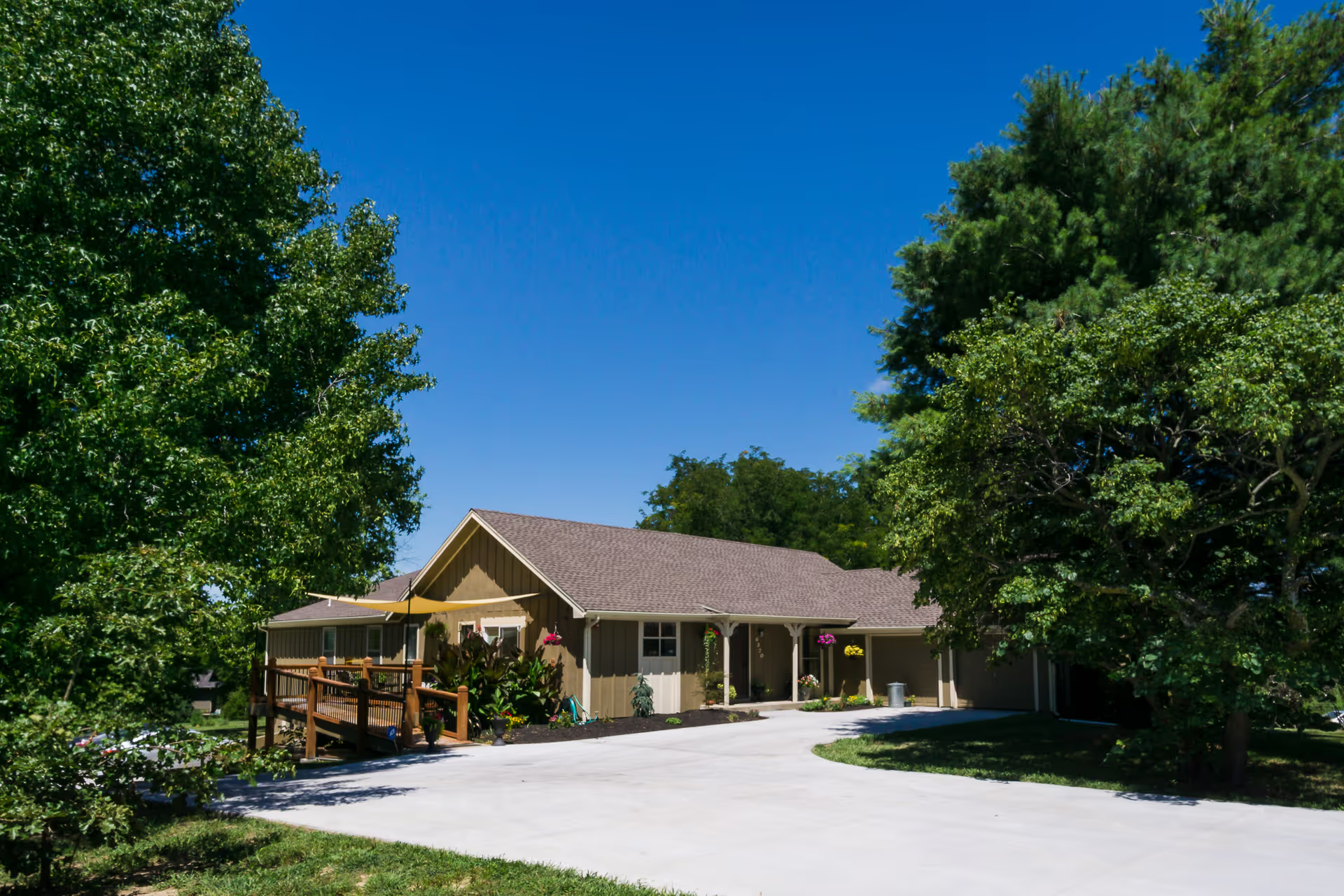
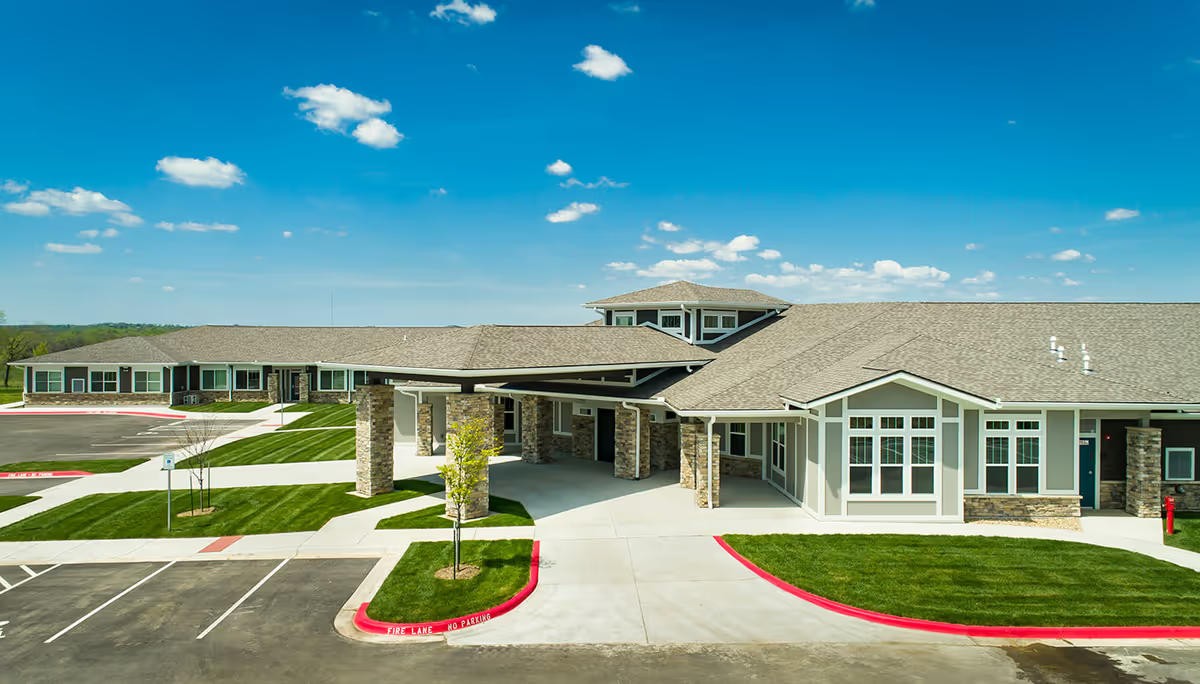
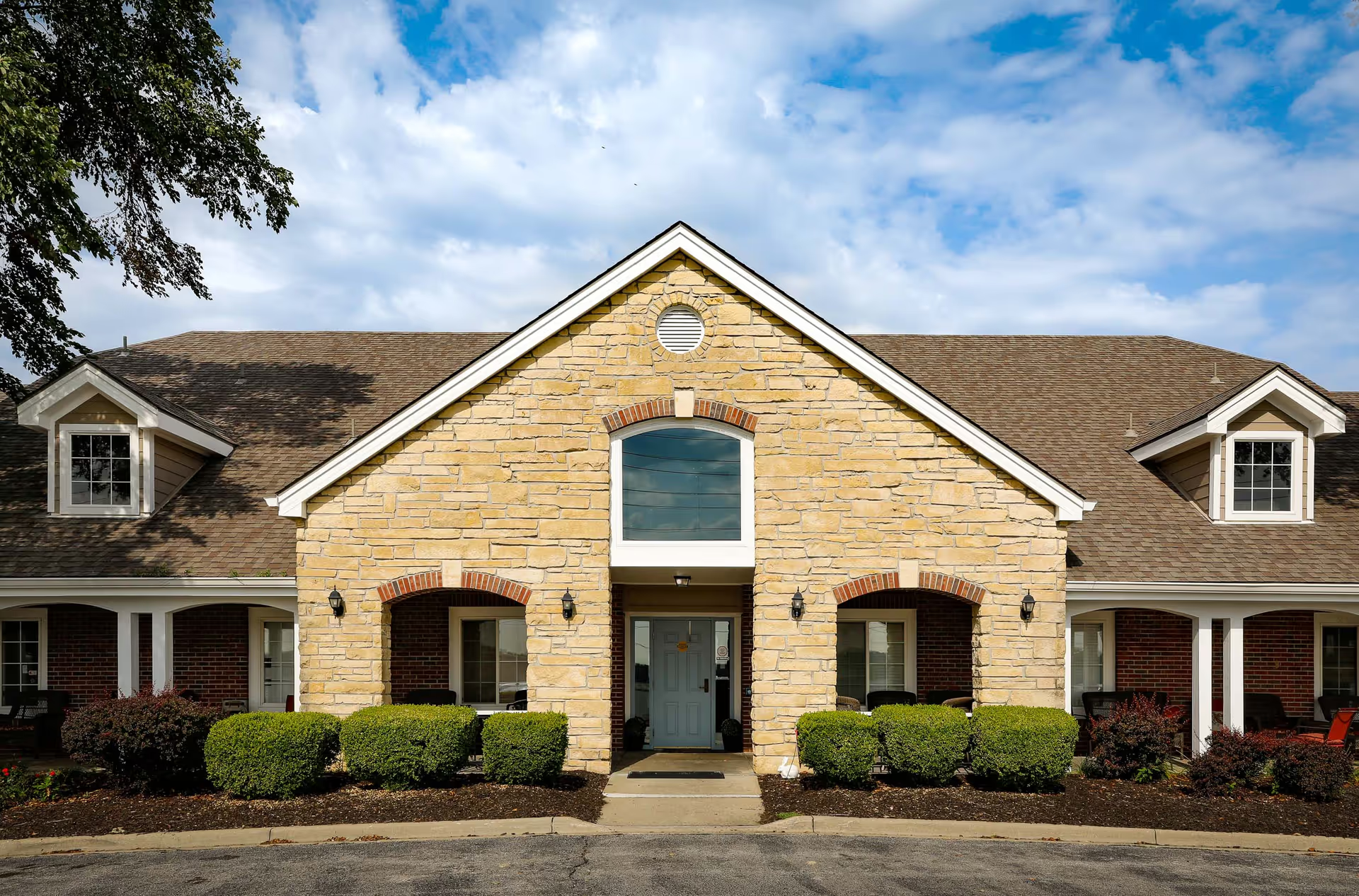
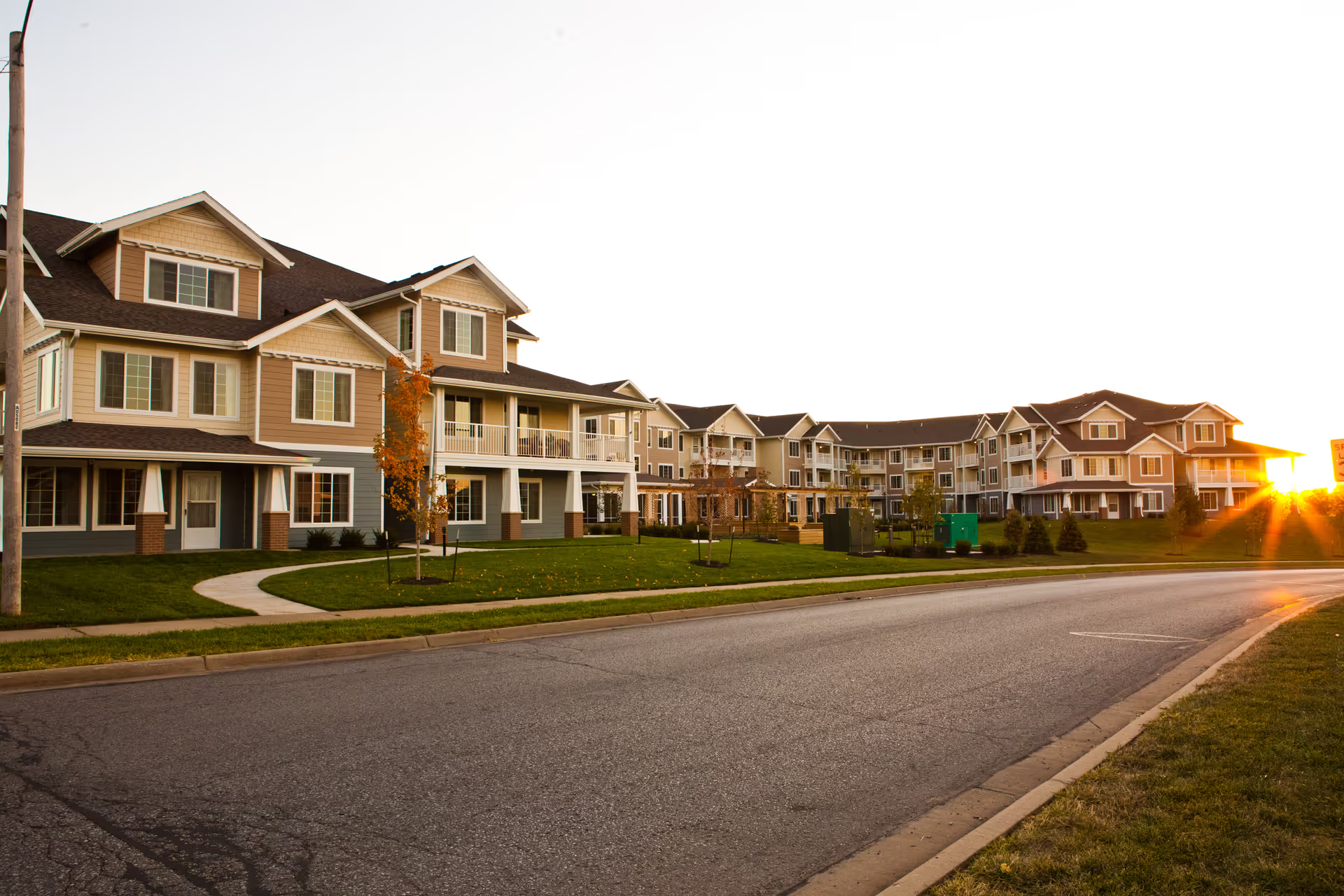
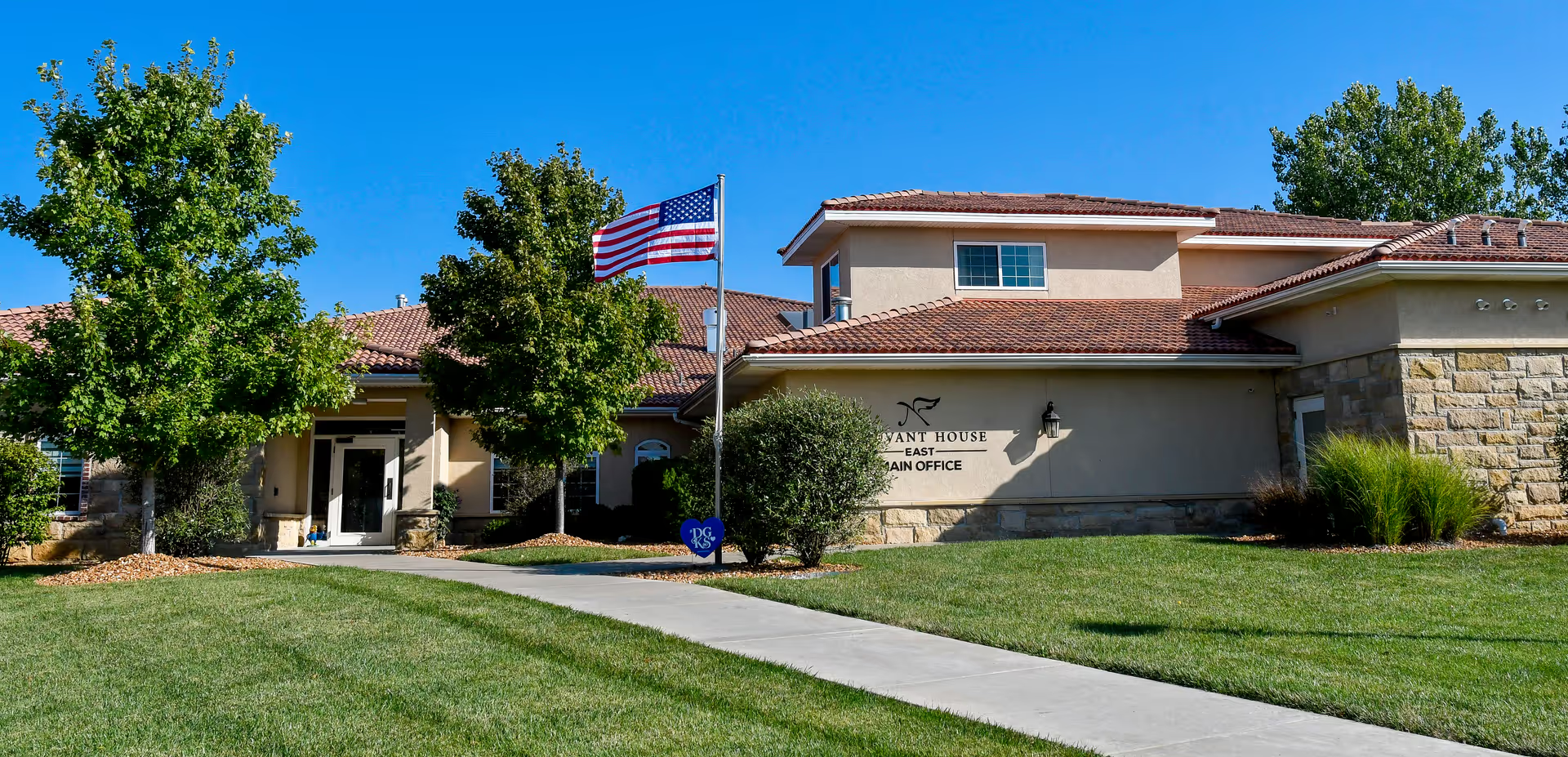
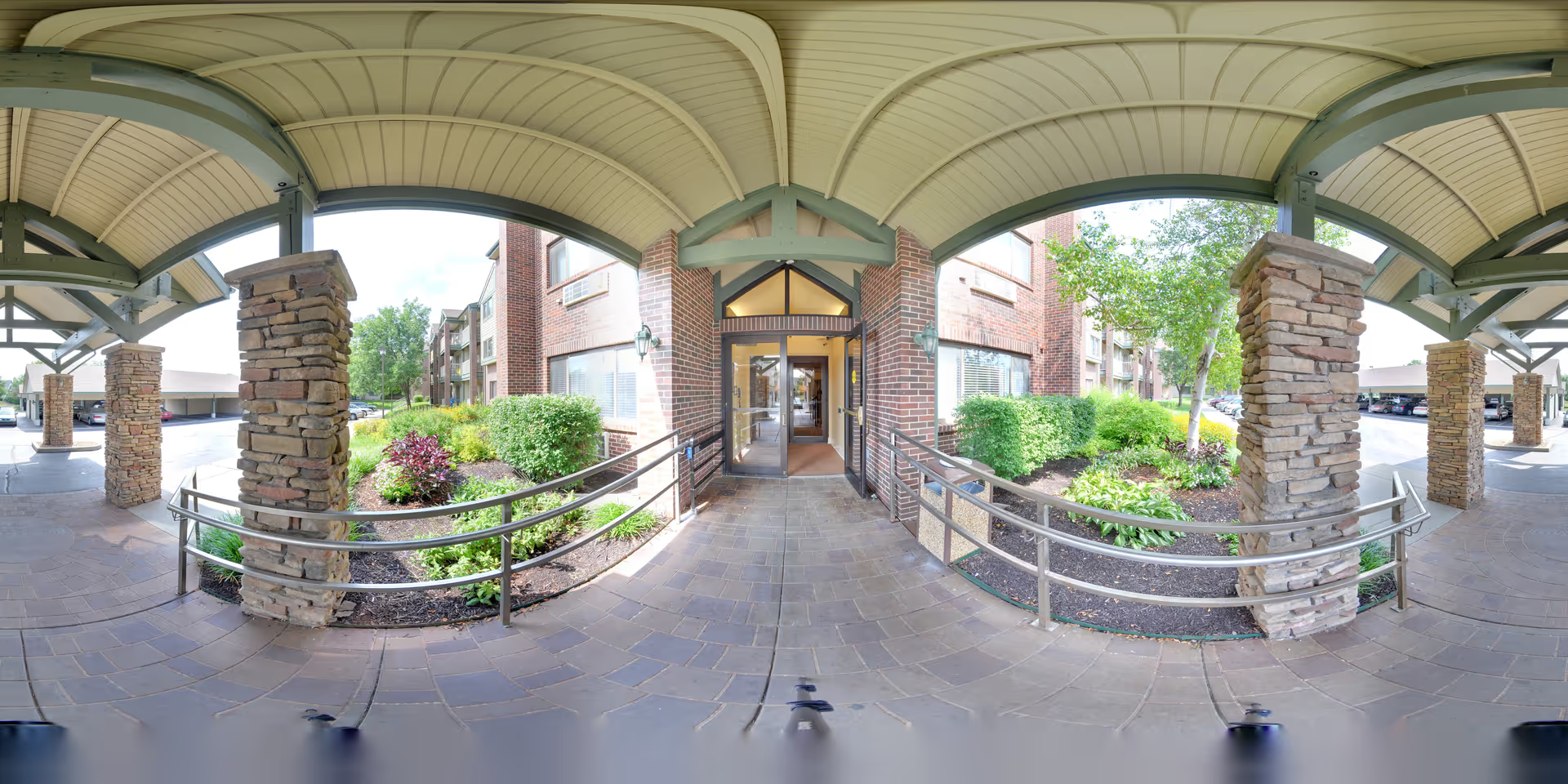
Facility condition and maintenance show both improvements and deficiencies. Positive notes include recent upgrades (roof, parking, vehicle), clean common spaces, and pleasant outdoor features. Contrasting feedback calls out sanitation issues and odor concerns in rooms and hallways, ad-hoc repairs, and pest-control concerns. Transportation reliability is another operational weakness noted by families, with reports of vehicles out of service and no permanent driver.
Management and administrative processes draw mixed evaluations. Some families describe proactive communication, helpful admissions support, and responsiveness to concerns under newer leadership. Others cite inconsistent family communication, paperwork roadblocks during discharge or transitions, missed appointment coordination, restrictive visitation and property-handling policies, and lapses in infection-control/PPE practices. These administrative and operational gaps appear to contribute to variability in resident experience.
In summary, Tonganoxie Terrace demonstrates notable strengths in compassionate caregiving, rehabilitation services, and certain administrative roles, alongside a set of significant operational concerns: inconsistent housekeeping and sanitation, staffing and turnover issues, medication-management and clinical oversight gaps, maintenance and pest-control shortcomings, and uneven dining and activity programming. Prospective residents and family members should tour the facility, ask for recent inspection reports, review staffing ratios and turnover, inquire about medication-error tracking and infection-control protocols, confirm housekeeping schedules and pest-control measures, and verify transportation availability and administrative processes before making a decision.