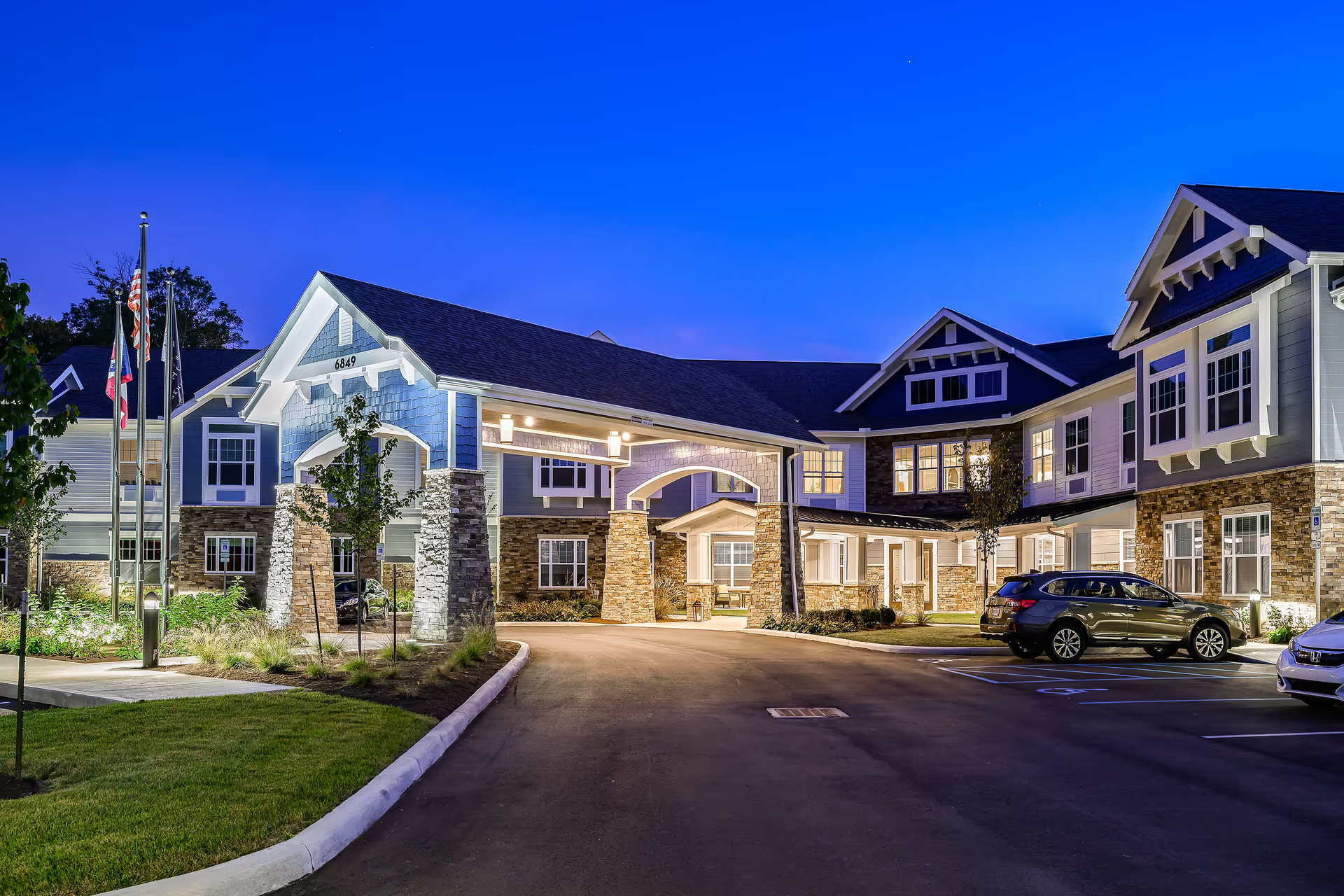
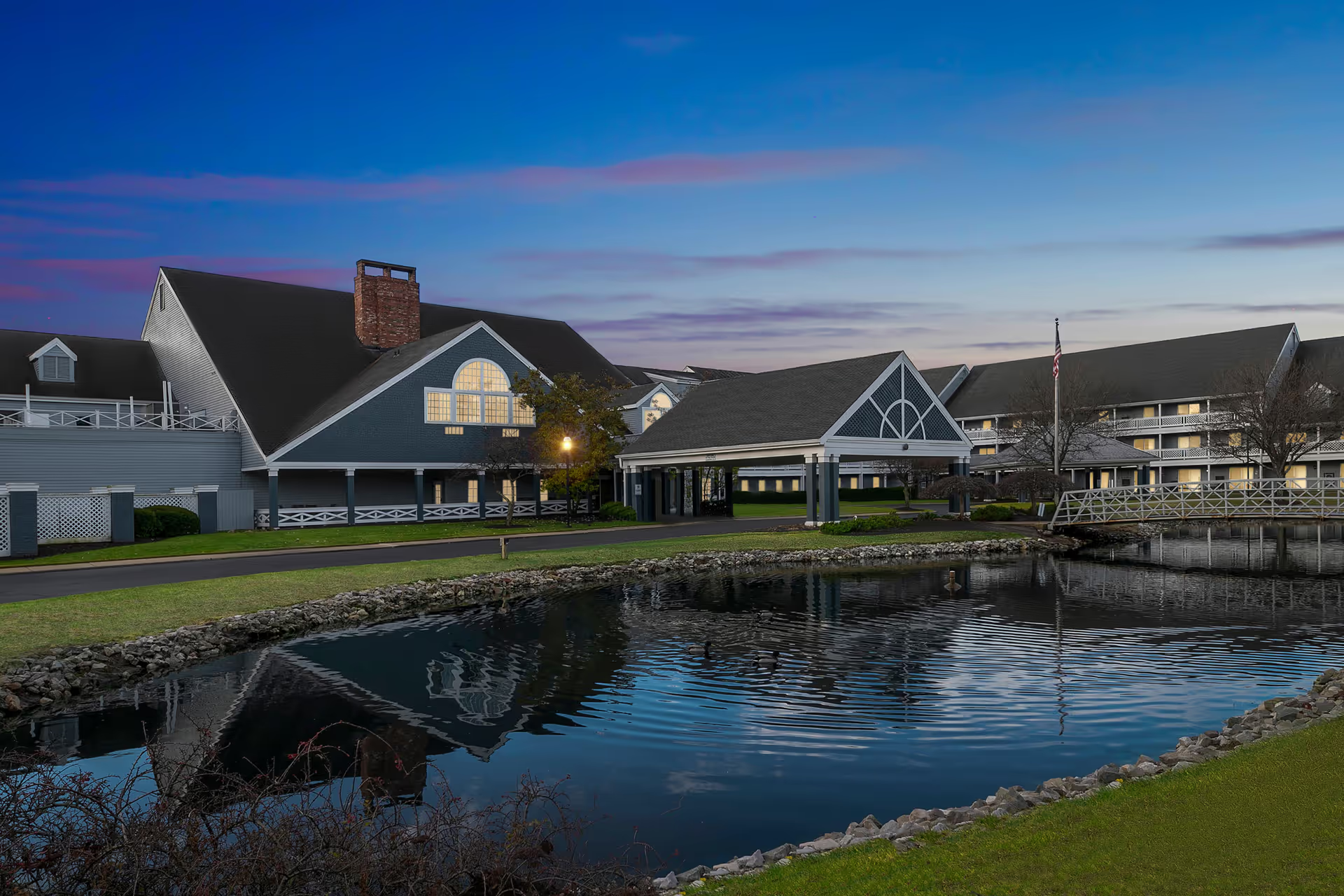
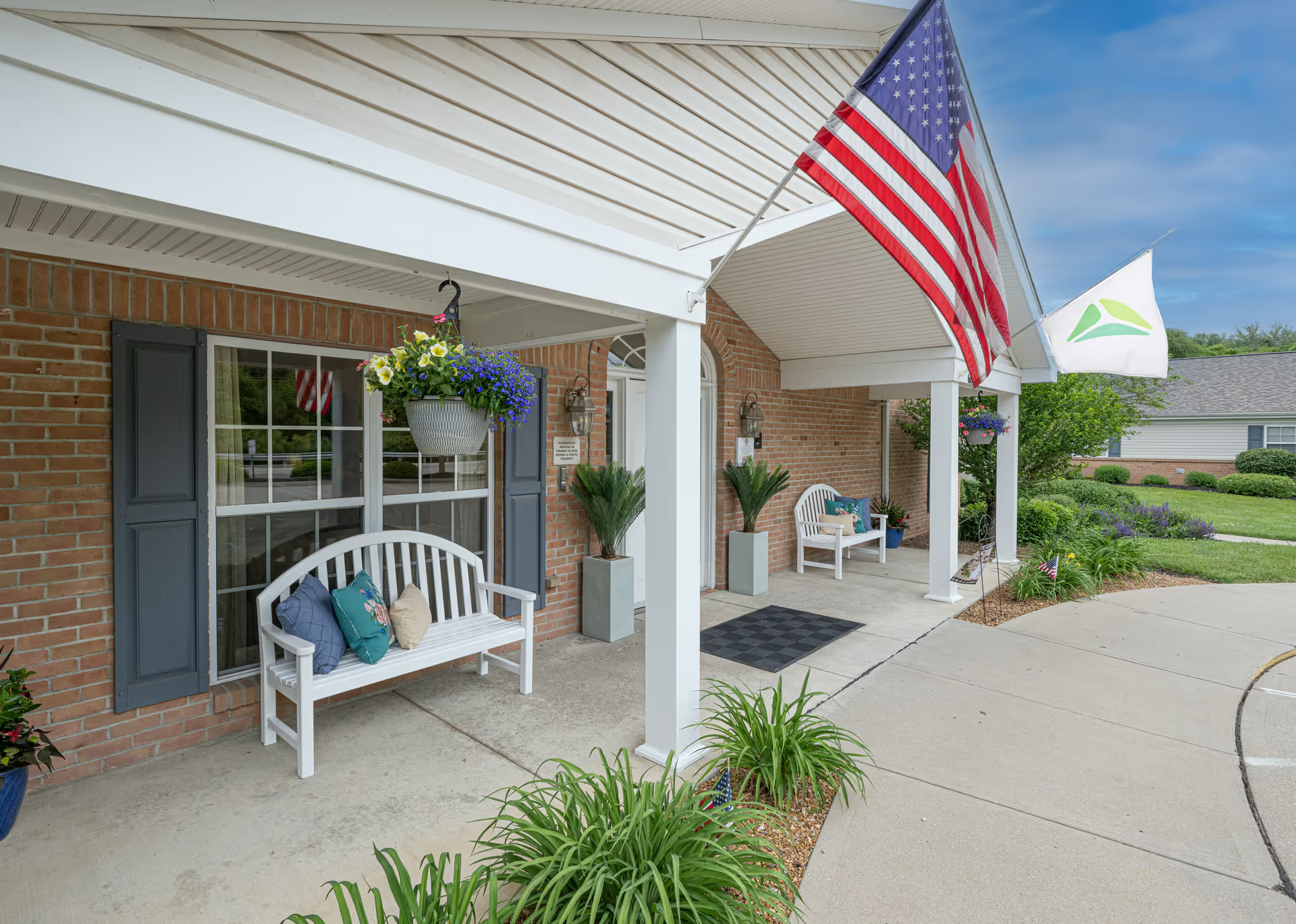
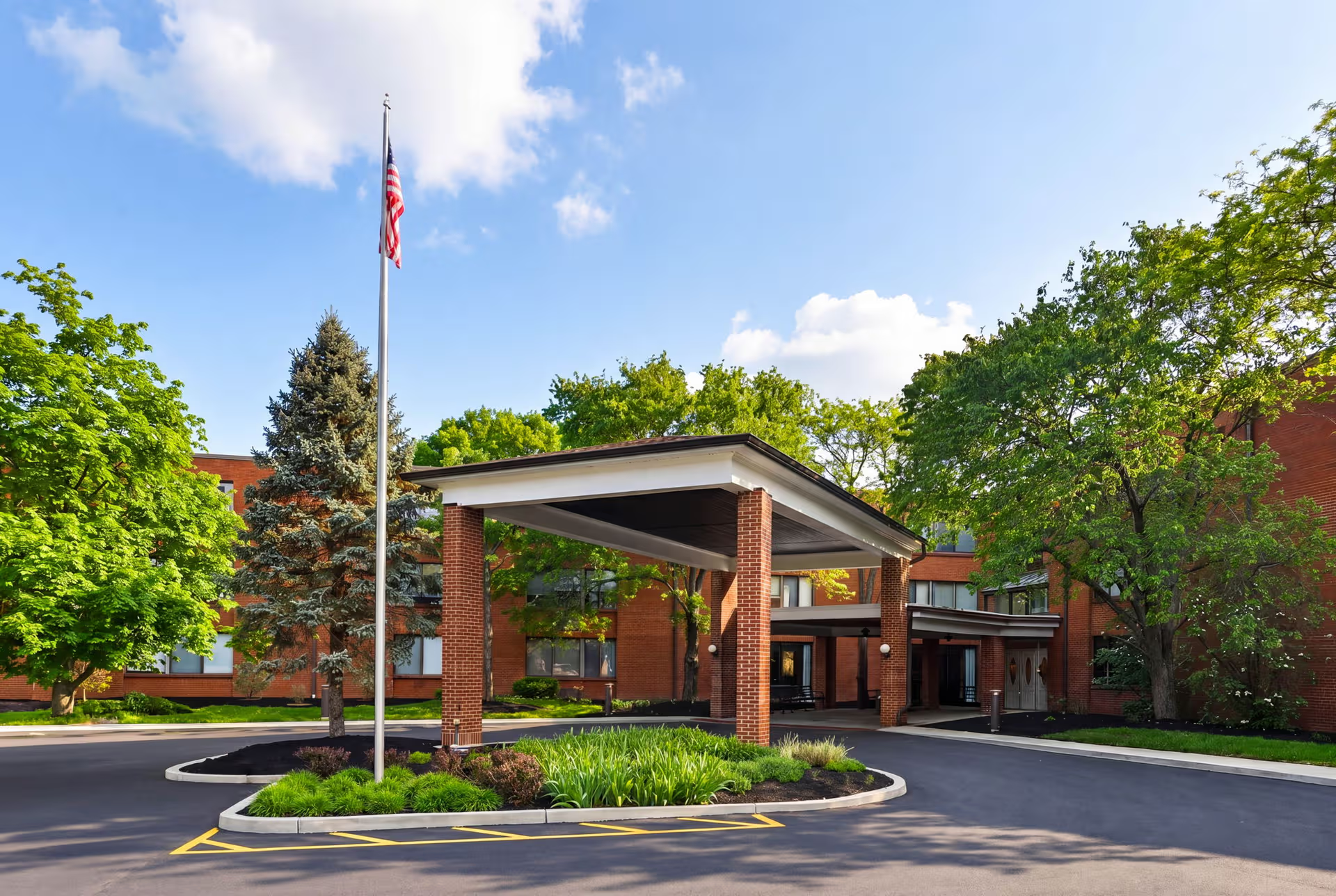
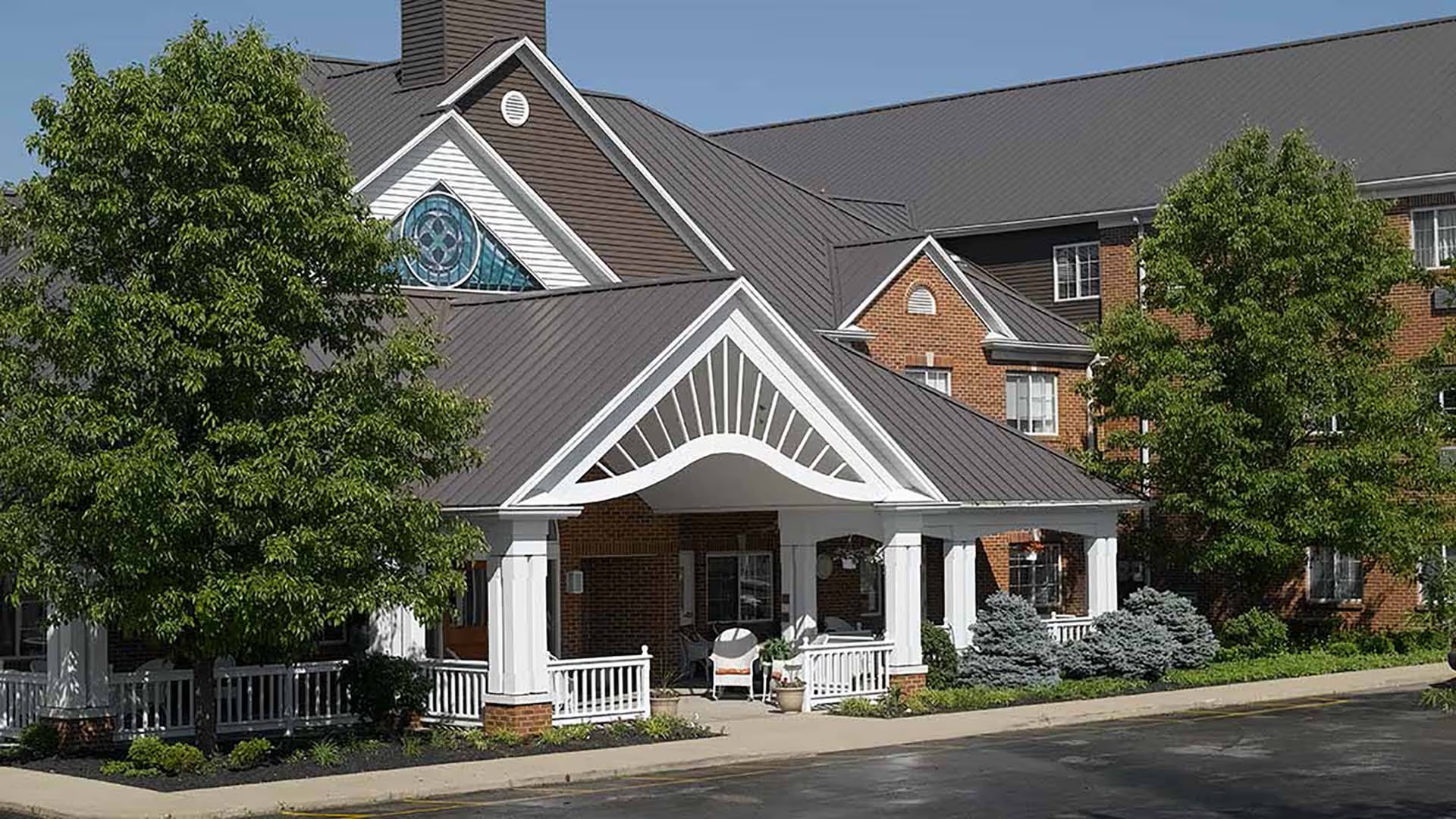
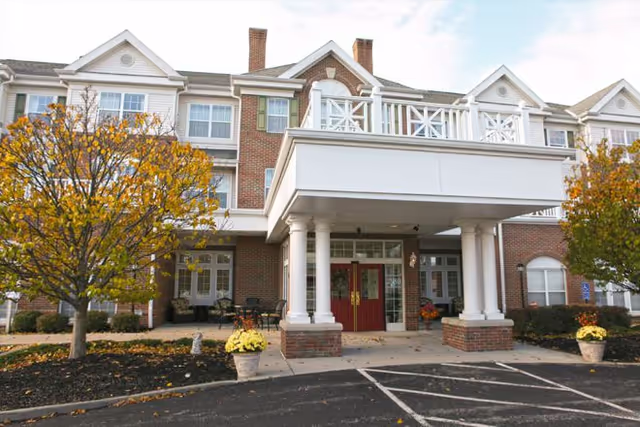
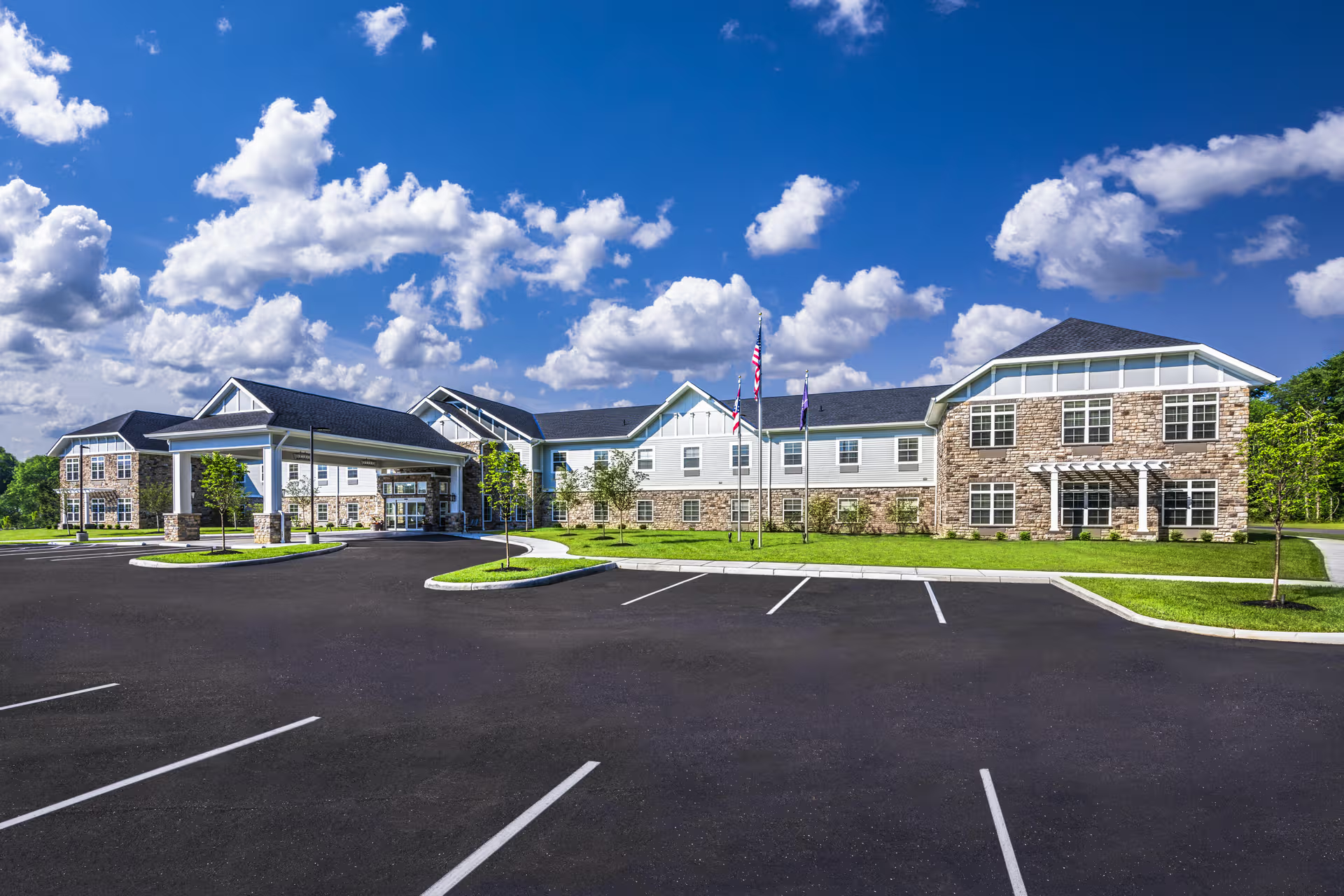
The Seasons@Alexandria presents a largely positive physical environment and strong social programming alongside a mixed pattern of clinical and operational performance. Many reviewers praised the facility’s appearance, cleanliness, and well-maintained grounds; they also frequently cited warm admissions and onboarding experiences, a welcoming atmosphere, and an active activities program that supports social engagement. The community’s memory-care unit and some rehabilitation services received favorable comments for compassionate, person-centered interactions and meaningful programming. The pet-friendly culture and convenient location near shopping and restaurants were noted as additional lifestyle benefits.
Care quality impressions were polarized. Positive accounts describe attentive, professional staff who prioritize resident dignity and individualized care. However, a number of families raised substantive concerns about delays in attending to basic needs (for example, slow responses to call lights and assistance requests), inconsistent clinical monitoring, and gaps in escalation when medical issues developed. These concerns include breakdowns in fall-prevention practices and in some cases limited follow-through on therapy goals. Reviewers identified both strong caregiving examples and situations where clinical processes appeared inconsistent, suggesting variability in day-to-day care quality.
Staffing and staff conduct emerged as a central theme. Several reviewers complimented compassionate, dedicated employees and examples of staff going above and beyond. Conversely, persistent comments about understaffing, inattentive night-shift coverage, and uneven professionalism indicate operational instability. These patterns align with reports of slow response times, occasional lapses in bedside assistance, and variable communication tone. Families also highlighted particularly effective staff members and positive staff–resident relationships, underscoring that strengths coexist with notable variability in conduct and reliability.
Dining and therapy experiences were described unevenly. Some residents and families enjoyed homemade-style meals and a pleasant dining environment, while others described meal-quality inconsistencies. Rehabilitation and therapy services were praised when therapists were proactive and encouraging, but reviewers also reported instances where therapy engagement and discharge planning felt abbreviated or insufficient, resulting in perceived missed opportunities for recovery.
Facility amenities and operations earned positive marks for cleanliness, layout, and general comfort. The building, rooms, and common areas were often described as attractive and well cared for. Administrative items drew mixed feedback: the onboarding process and specific staff in admissions were singled out positively, yet families noted shortcomings in billing practices, insurance verification, and follow-up on pricing. These administrative gaps contributed to frustration around financial transparency and timely authorization of services.
Notable patterns for prospective residents and families to consider: the community offers significant strengths in environment, social programming, memory-care engagement, and individual staff dedication. At the same time, there are recurring operational issues related to staffing consistency, responsiveness to resident needs, clinical escalation, fall-prevention, medication processes, and administrative communication. Visitors evaluating The Seasons@Alexandria should arrange a focused tour that observes staffing levels and call-response times, discuss fall-prevention and transfer protocols, review medication and clinical escalation procedures, and obtain detailed, written information on billing and insurance authorization processes. Meeting with nursing leadership and therapy staff and requesting recent quality or staffing metrics may help clarify whether the operational concerns described have been addressed.