Review sentiment for Boyd Nursing and Rehabilitation is mixed, with a clear split between strong praise for the caregiving and therapy teams and serious operational concerns. Many accounts highlight a compassionate, family-style culture driven by long-tenured staff, an engaged administration, and strong social-services leadership. Families and residents frequently praise the nursing staff and CNAs for attentive, personal care; the therapy team for effective rehabilitation and positive functional outcomes; and front-line support such as friendly reception and warm housekeeping when it is present.
Clinical care and staff behavior emerge as a central strength and a point of variability. Positive descriptions emphasize skilled nursing, responsive communication with families, and a supportive bedside manner. Conversely, other accounts cite delays in responsiveness, nurses appearing distracted, and variability in staff professionalism and tone. These patterns point to an overall environment where strong caregivers exist but where staffing consistency and interpersonal conduct can fluctuate, affecting resident experience.
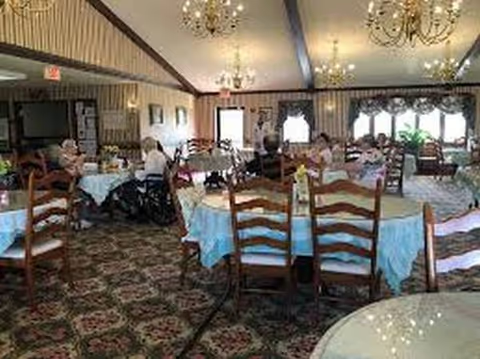
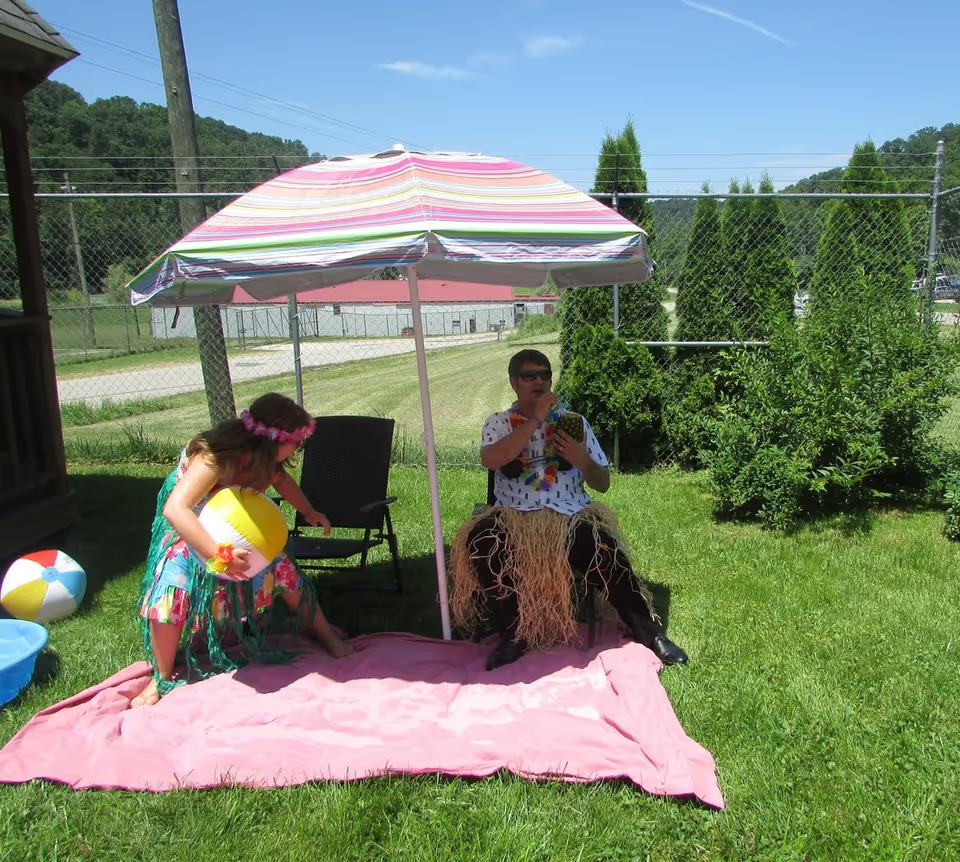
Dining and therapy are generally described positively but inconsistently. Several accounts commend the kitchen staff for homestyle meals and attentive service, and physical/occupational therapy is repeatedly identified as a facility strength, with measurable rehabilitation successes and well-liked activity sessions. At the same time, there are complaints about inconsistent meal quality and preparation, indicating variability in food service standards across shifts or units.
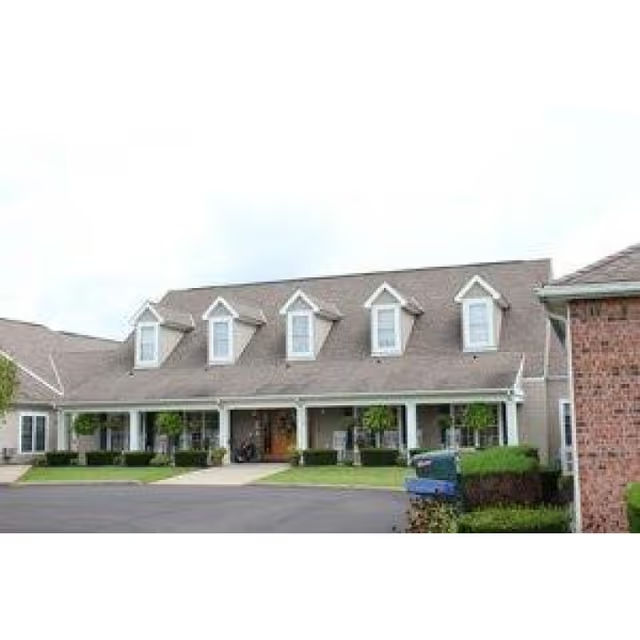
Facility upkeep and infection-control practices are notable areas of concern. While many reviewers describe clean, well-kept common areas and rooms, others detail lapses in housekeeping consistency, maintenance backlogs (patchwork walls, unfinished repairs, broken equipment), and infection-control issues that affected resident outcomes. Together these items suggest uneven operational execution: parts of the building and staff perform to a high standard, while other areas show gaps in routine maintenance and clinical-hygiene processes.
Operational and management themes include understaffing during certain shifts, which reviewers link to increased risk for delayed care and reduced supervision; leadership strengths in some departments (therapy, social work, administration) alongside calls for stronger housekeeping leadership and improved staff professionalism; and questions about the transparency of quality reporting. Prospective residents and families should weigh the facility’s clear strengths in personalized care and rehabilitation against the reported variability in housekeeping, maintenance, infection-control practices, and staffing consistency.
Recommendation: Visit the facility at different times of day (including evenings/weekends), meet therapy and nursing staff, review recent quality/infection-control records if available, and ask about staffing patterns and maintenance schedules. These steps will help determine whether the facility’s strong clinical and social-service elements align with consistent operational practices for your specific needs.