Reviews of Woodland Oaks Health Care present a strongly mixed picture, with distinct strengths in rehabilitation and hands-on caregiving alongside recurring operational and clinical concerns. Many families describe positive therapy outcomes, attentive aides and CNAs, a clean facility environment, prompt laundry service, and active social programming — elements that contributed to successful short-term rehab and long-term placement for some residents. These accounts highlight staff members and departments that provide recovery-focused care and make families feel reassured.
Conversely, a number of reviews describe systemic issues that affect day-to-day care. The dominant themes are inconsistent staffing levels (particularly at night), slow or missed responses to call bells, and uneven nursing coverage. These workforce gaps are linked to delayed clinical assessments, concerns about medication management and family notification practices, and variable bedside-safety performance during tasks such as transfers and catheter care. Several comments also indicate breakdowns in documentation and in handoffs to emergency services, which can complicate escalation of care.
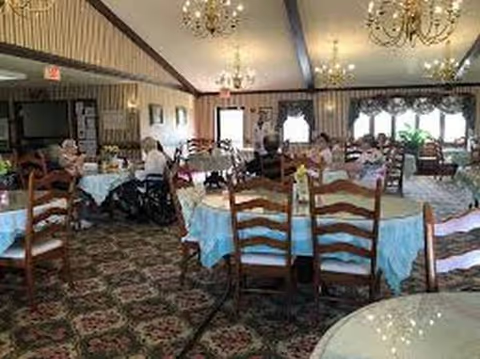
Infection control and sanitation are recurring concerns in the commentary. Some families cited specific infection events and hygiene lapses that they felt contributed to transmission within communal spaces; others described food-preparation and pest-control issues that undermined confidence in kitchen operations. Dining experiences range from unsatisfactory meals and perceived poor food quality to accounts of reliable meal service; this variability suggests inconsistent meal preparation and monitoring. Activity programming and common areas are viewed positively when used, but shared spaces were also described as potential vectors for illness when infection-control practices were perceived as inadequate.
Management and communication emerge as mixed as well. Positive experiences reference engaged administrators, helpful social work and therapy staff, and family-friendly visitation practices. Negative comments point to poor communication around medications and clinical status, slow or unhelpful administrative responses to incidents, occasional privacy breaches, and a perception that cost may not align with care consistency. Taken together, the reviews recommend close due diligence: prospective residents and families may benefit from direct questions about staffing levels for specific shifts, infection-control protocols, medication-notification procedures, and the facility's approach to privacy and incident reporting when evaluating Woodland Oaks Health Care.