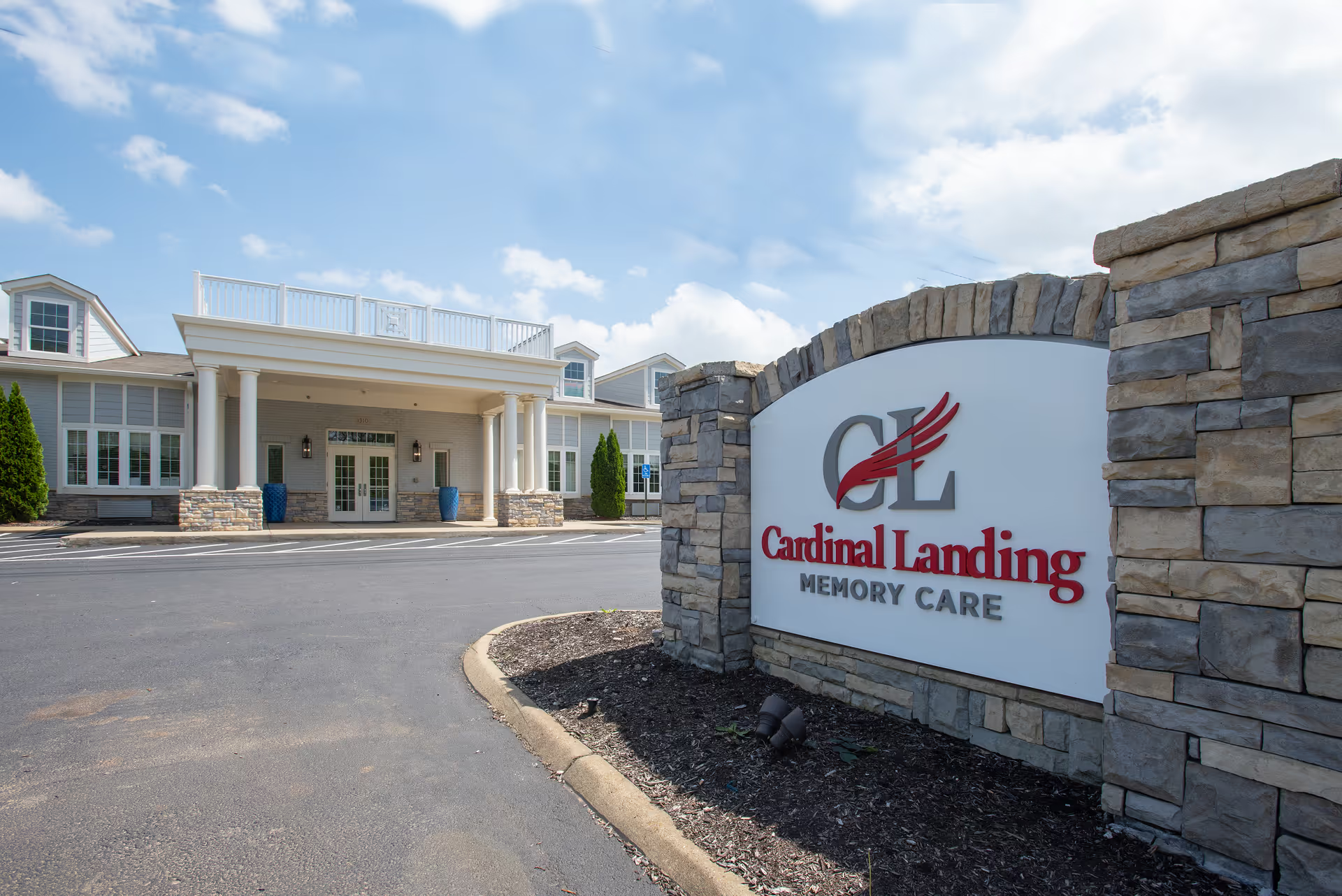
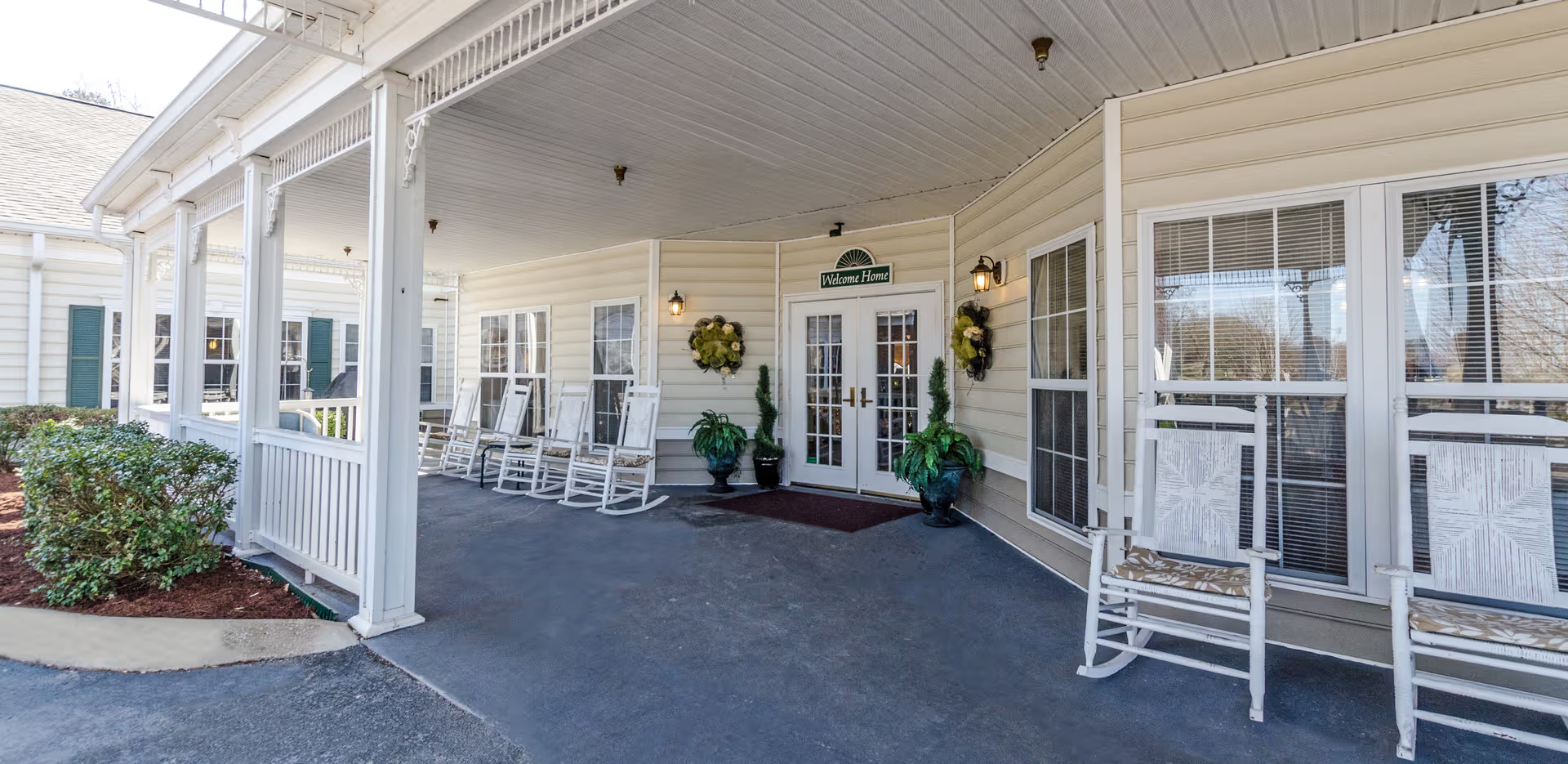
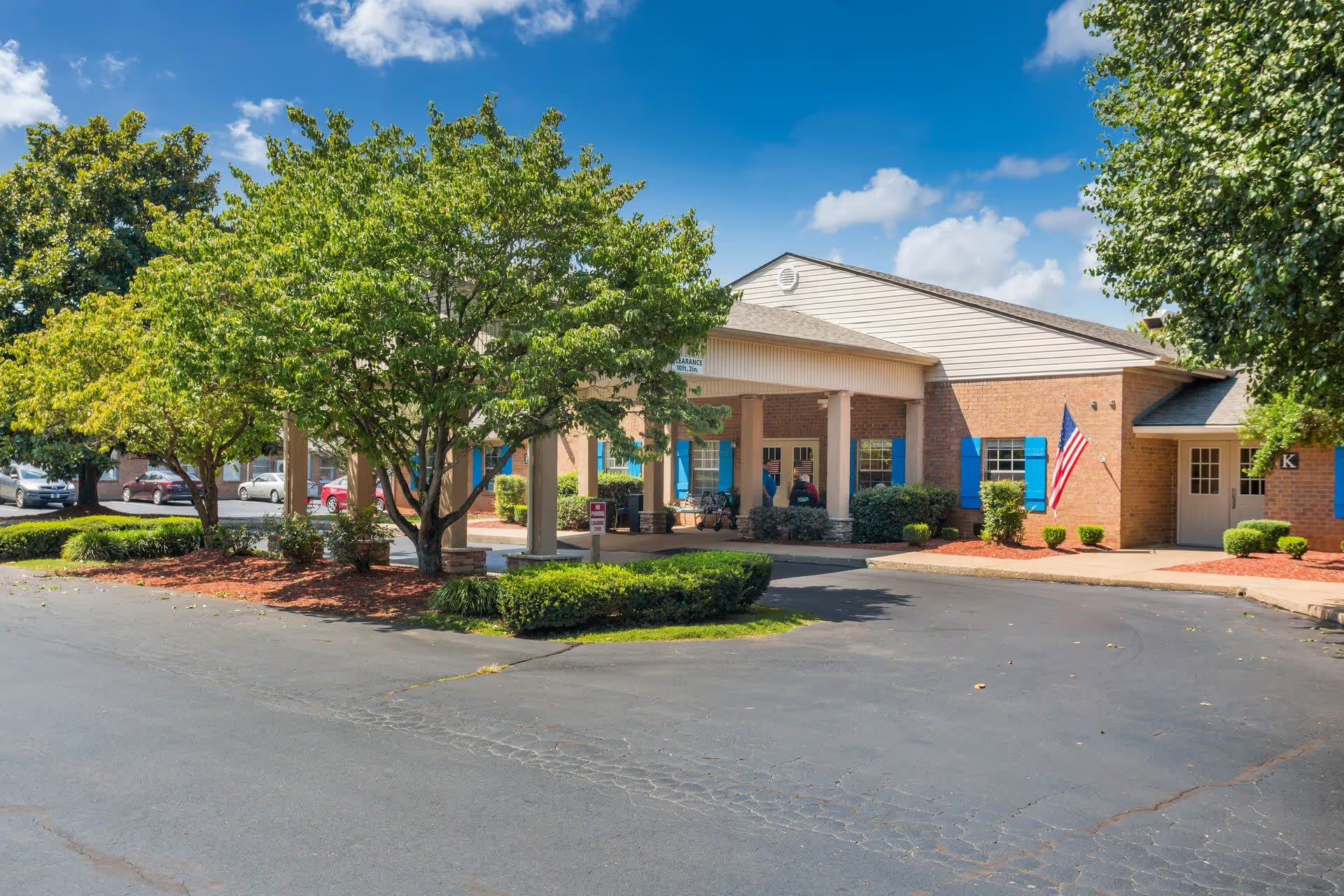
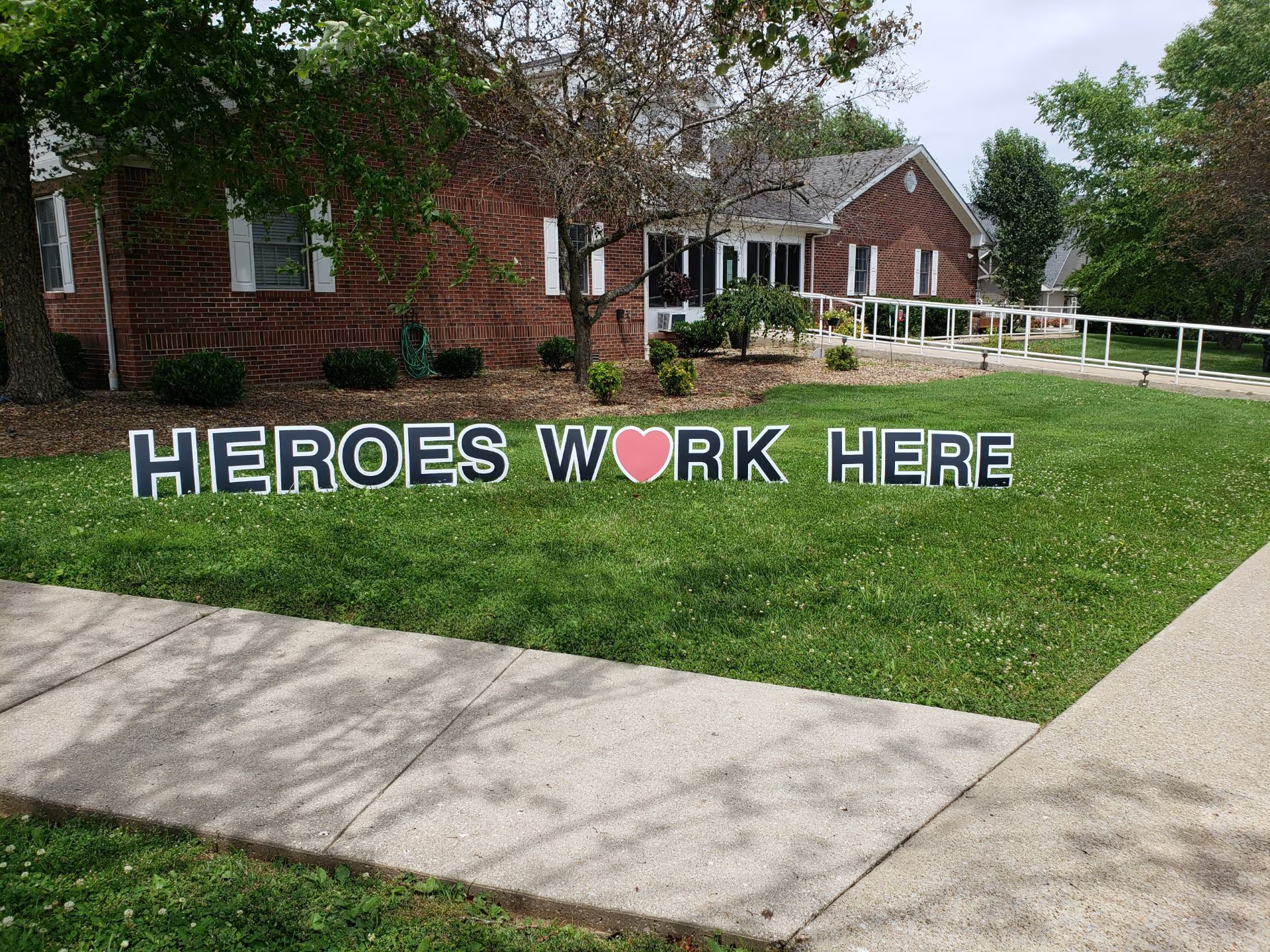
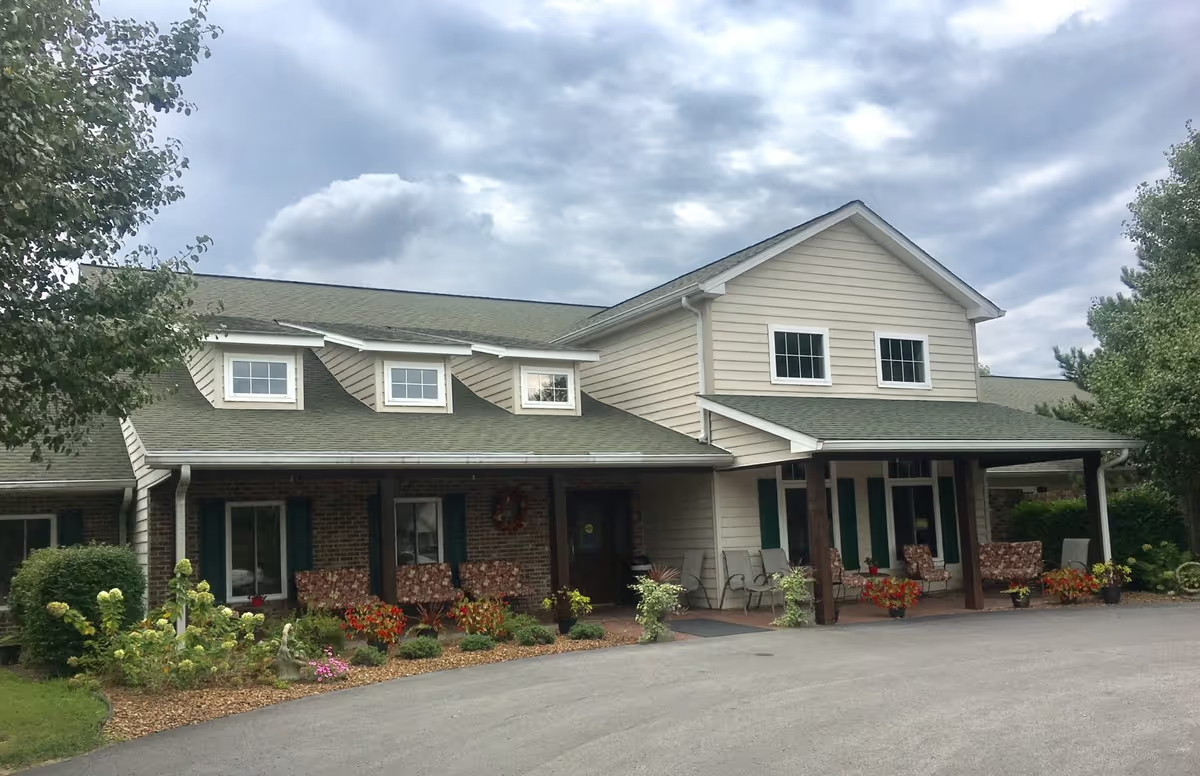
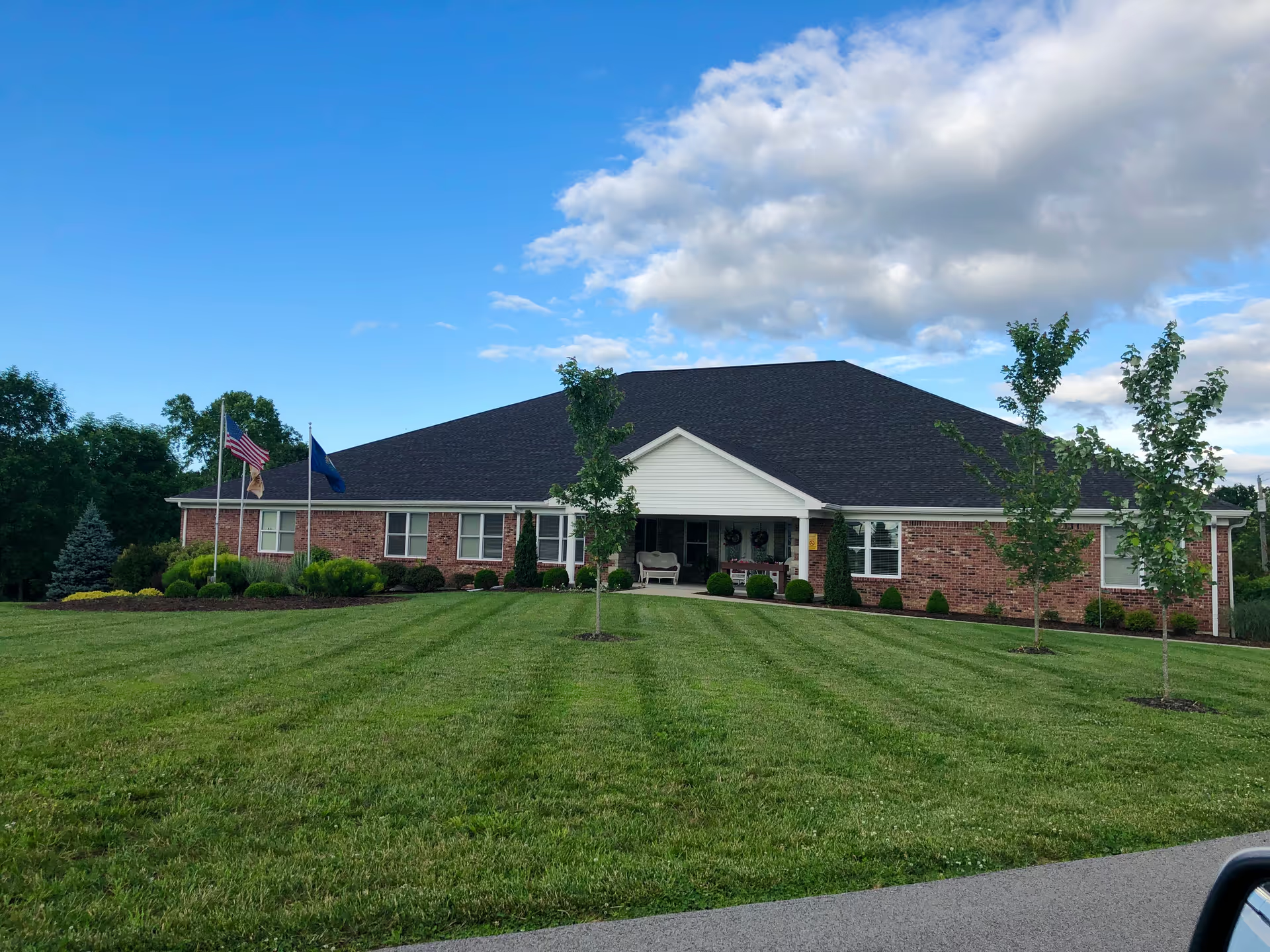
This facility presents a mixed profile: many reviewers praised its cleanliness, campus amenities, and social atmosphere, while others described operational and clinical inconsistencies that affected their experience. Physically the community is regularly described as clean, recently refurbished in places, and well equipped — with on-site libraries, exercise rooms, a café, and outdoor spaces. Apartments are often updated, include functional kitchens and storage, and allow personalization, which contributes to a strong sense of home for many residents.
Care and clinical services show a wide range of experiences. Positive accounts highlight compassionate bedside care, effective short-term skilled nursing and therapy, and on-site nursing coverage for medication administration. Conversely, there are substantive concerns about care consistency: reviewers described gaps in transfer and mobility-assistance capability, delays in responding to calls, and questions about medication-management processes. These issues point to variability in frontline clinical performance and procedures that prospective families should clarify during visits.
Staff and operations likewise display variability. Many comments emphasize friendly, attentive staff, quick maintenance responses, and a collaborative workplace culture. At the same time, recurring operational weaknesses include understaffing, high turnover, and uneven staff training or experience. These workforce patterns appear to drive many of the responsiveness and care-quality inconsistencies reported by families.
Dining and activities are strong points for many residents: chef-prepared meals, complimentary breakfast options, snacks between meals, family-style dining, and a robust activities calendar are frequently noted. However, others experienced inconsistent meal service, missing advertised hot breakfasts, or deviations from the menu. The activity program and neighborhood-based social options are substantial assets, but the facility’s pod or neighborhood layout can limit interaction across the broader community for some residents.
Management and administrative practices show both strengths and weaknesses. Several families experienced welcoming move-ins and supportive management, while other accounts describe slow follow-through on service promises, delayed maintenance or refunds, and communication or transparency concerns. There are also reports raising security and pest-control questions and instances of missing personal items; these point to operational controls that need attention.
Notable patterns: overall impressions are polarized — many families and residents express satisfaction with the environment, social life, and certain care services, while others report serious operational shortfalls tied to staffing, clinical processes, and management responsiveness. Prospective residents and families would benefit from targeted questions during a tour: staffing ratios (day/night and in memory-care neighborhoods), specific transfer/assistance capabilities, medication-administration protocols, pest-control and security procedures, meal-service consistency and sample menus, and written policies on refunds and incident communication. Verifying these operational details in writing and observing peak-period staffing and mealtime service can help evaluate whether the community’s strengths align with an individual’s needs.