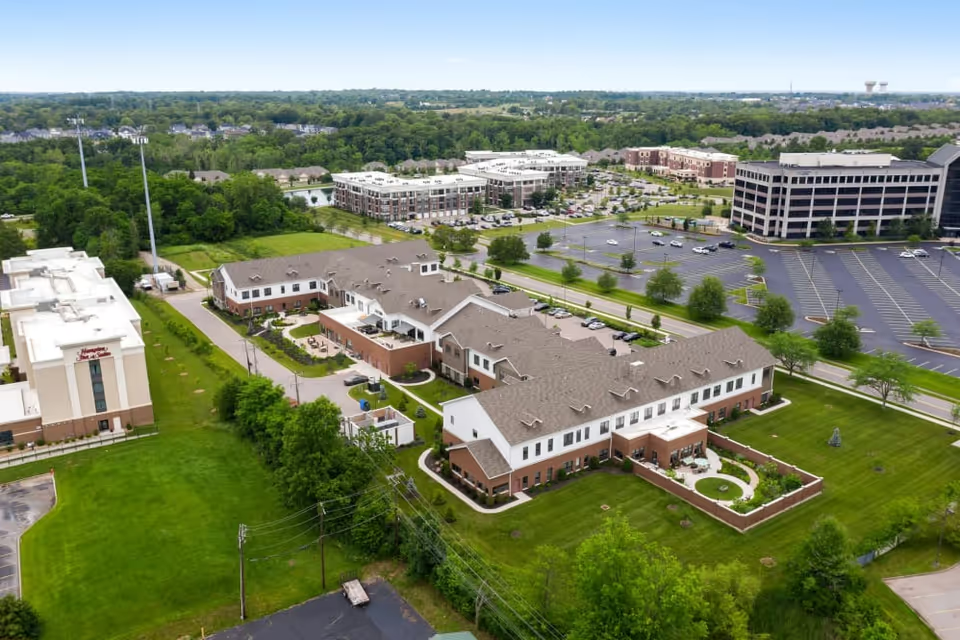
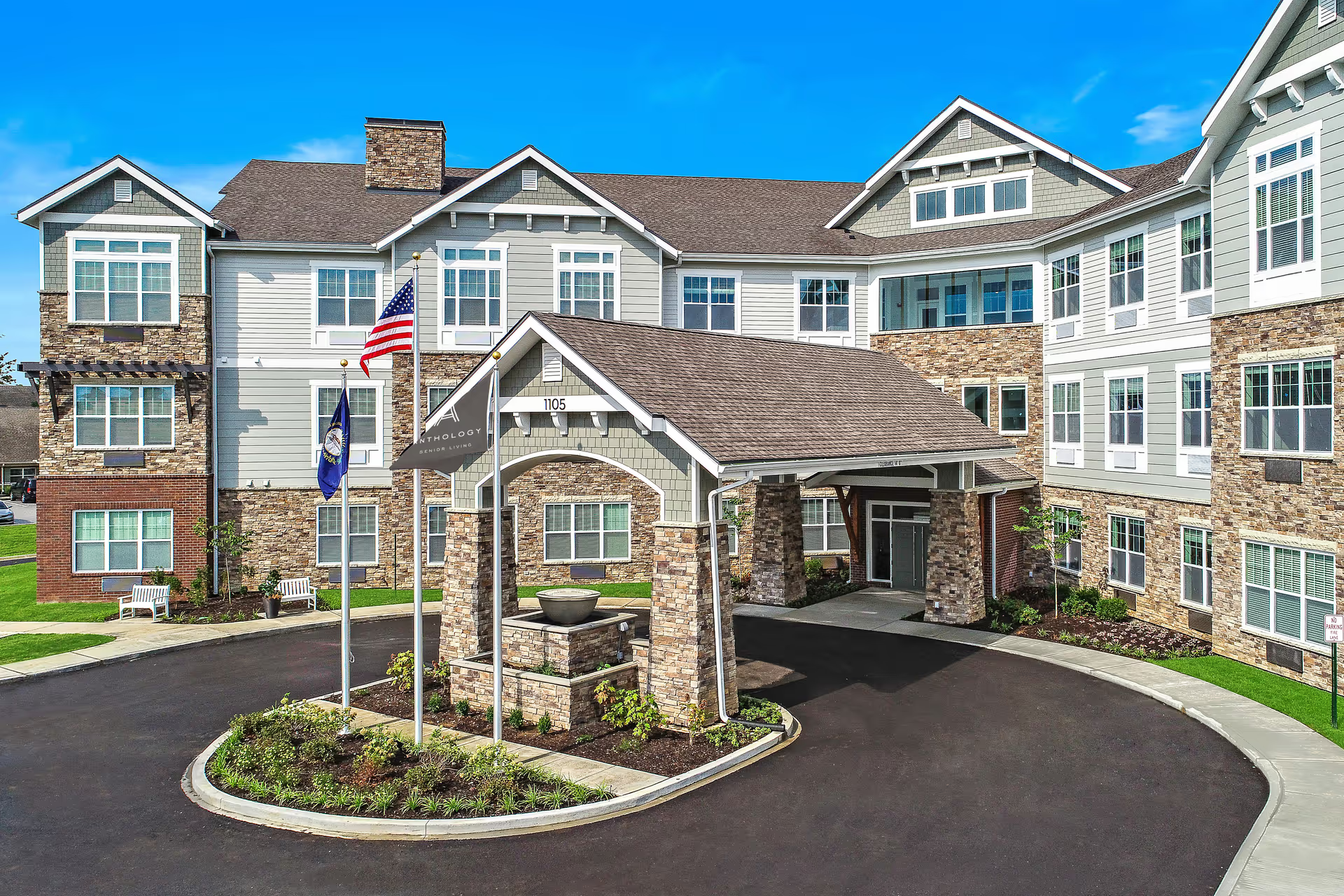
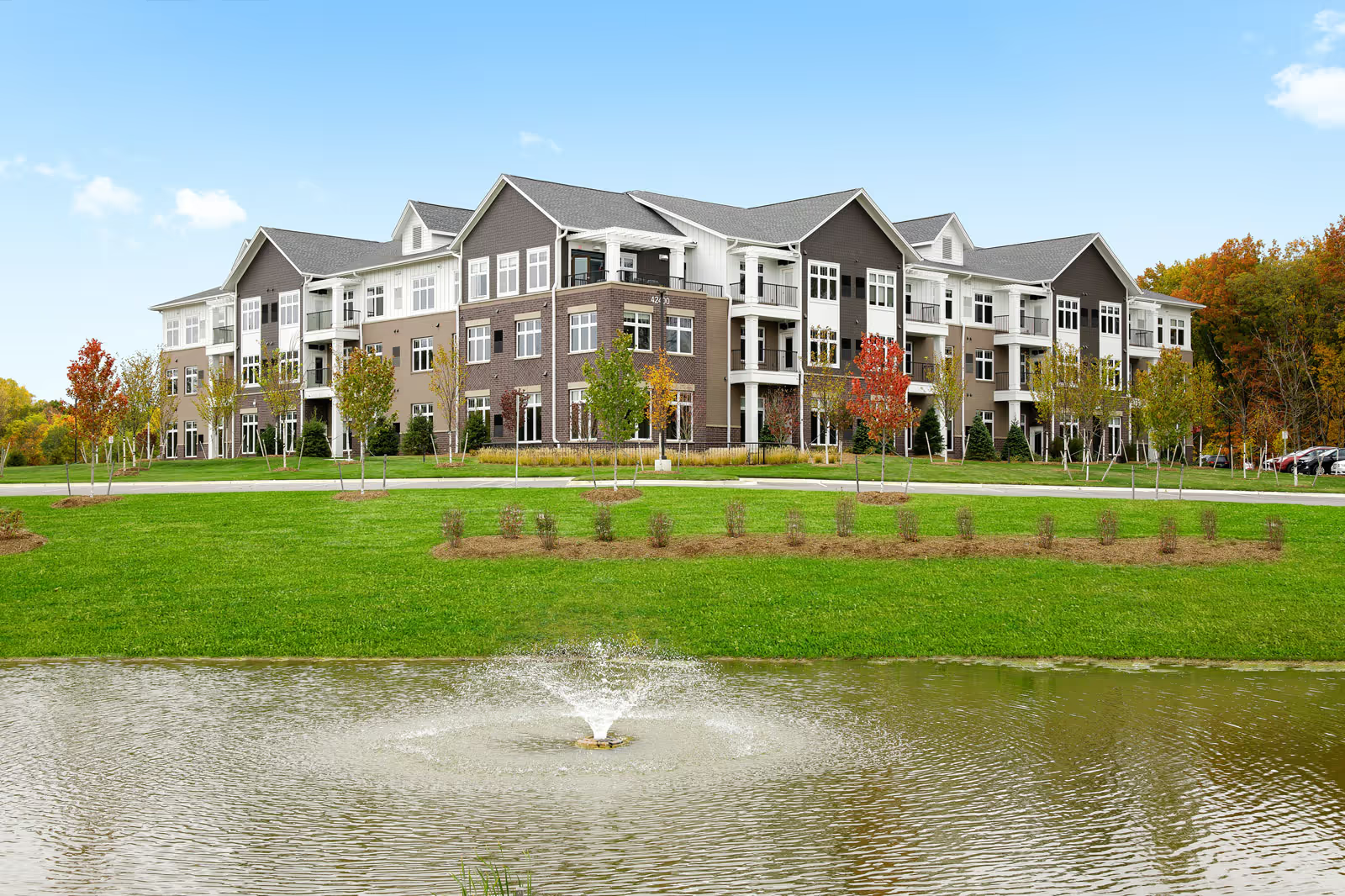
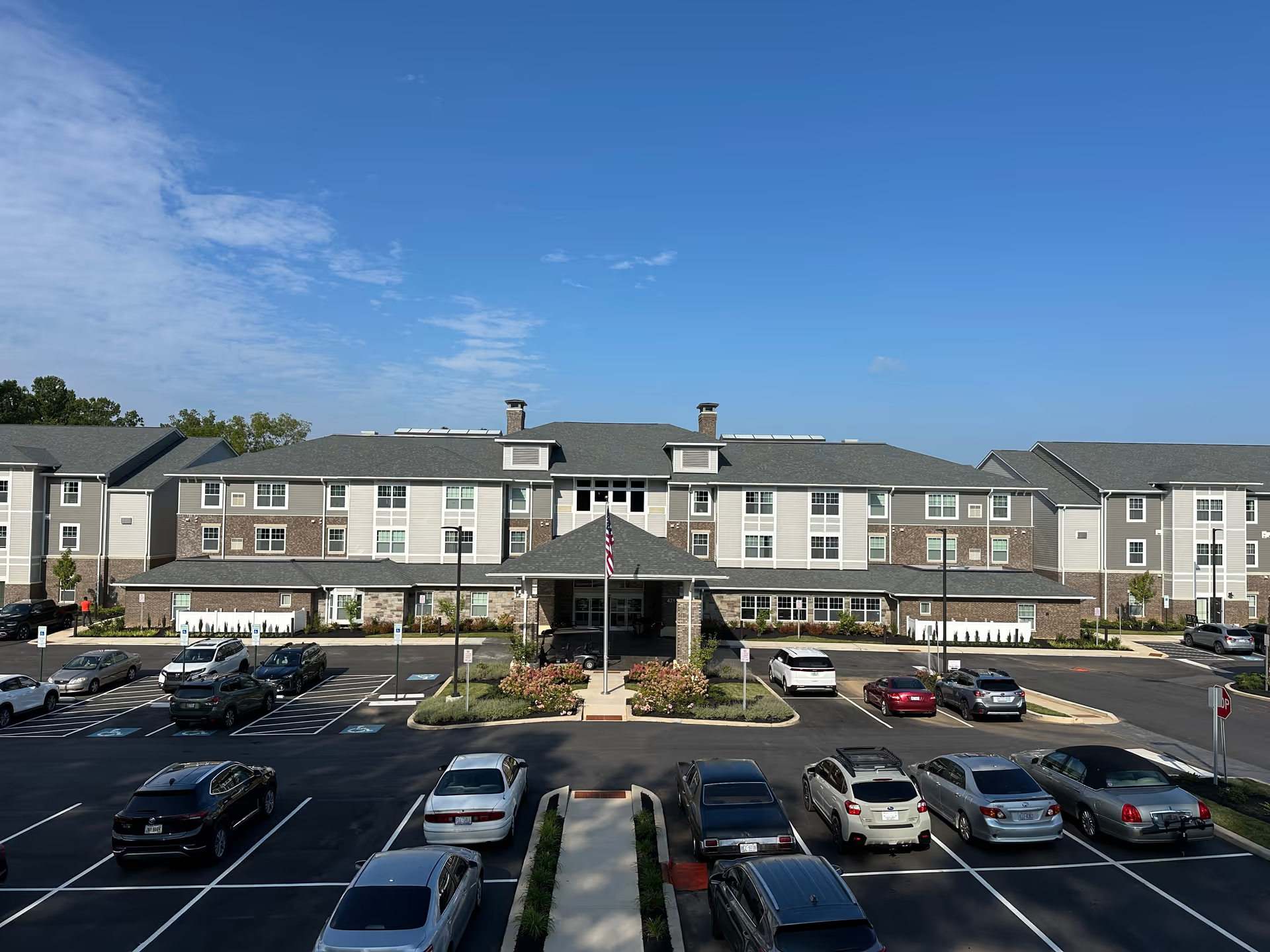
Coldspring Transitional Care Center sits at 300 Plaza Dr in Cold Spring, KY, and serves as a personal care facility run by physicians, which means doctors guide much of the care and oversee medical needs every day. The staff have a real reputation for being truly amazing and go out of their way to make residents and families feel comfortable by taking time to answer questions and meet every need, keeping everyone in the loop so families always know what's happening and where things stand. Residents receive all sorts of services here, like skilled nursing, long-term care, memory care, rehabilitation, and different therapies such as physical, occupational, and speech therapy, so whether someone needs help getting stronger or recovering from a stay in the hospital, the goal is to help restore independence and comfort. The place is fully wheelchair accessible and has customer parking and restrooms right on site, so it's easy to visit or stay connected.
Therapists and nurses also help with trickier medical needs like tube feeding, intravenous therapy, and wound care management, and when it's time for discharge or the next step, staff help plan every detail and spend time training families so everyone's prepared. The therapy and care here line up with a 5 Star Medicare.gov rating, and folks often say the team holds very high standards for how they care for people. The center partners closely with St. Elizabeth Healthcare, TriHealth, Mercy Health, Christ Hospital, University of Cincinnati, Premier Health, and Kettering Health, which means they can connect residents with a broad network of professionals and resources. They serve people needing help with kidney and blood pressure issues, dialysis, kidney cysts, and other related conditions, all in a place where rehab and skill rebuilding are big priorities.
The environment feels home-like and supportive, with a staff that knows how to give both physical and emotional support, making sure that everyone feels included and seen. Staff organize regular activities like bingo, discussion groups, arts and crafts, exercise groups, ball games, and card games, so it's never too quiet and there's always something going on for residents who want to join in. The facility offers 24-hour open access every day of the week and keeps a patient portal so families and residents can keep up with health information. The focus always stays on transitional care, which aims to support residents' recovery and adjustment, making sure that each person has a plan based on their own needs, and the caring staff keep up a routine of communicating with families every step of the way. They strive to make every stay, whether short or long, as comfortable and positive as possible.