Bluegrass Assisted Living sits in two different cities, Bardstown and Elizabethtown, and the place aims to help seniors who need extra support, whether someone just needs a hand with getting dressed or needs specialized care for memory problems like Alzheimer's, and you find that they've got both assisted living and secure memory care units for folks with different needs and it's really something how there's always someone around to help with things like bathing, eating, medication, transfers, and just the basics of daily living, and they offer short-term or respite stays too, so families and caregivers can get some help for a little while if needed. Residents can pick from a few floor plans, and apartments come with microwaves, small refrigerators, and bright colors, which makes the whole place feel pretty open and friendly, and the rooms are all furnished and set up with emergency alert systems for added safety. You'll notice the community culture leans friendly, with the staff staying helpful and positive and lots of chances for folks to get together, whether it's dancing, arts and crafts, or just talking with neighbors, and activities get resident input because they have resident-run groups as well as organized spiritual, social, and recreational programs, including "Senior Life Programs" and lifestyle things called "Nourish" and "Class Act," so there's always something going on like dances, fashion shows, and even stress management or nutrition sessions for arthritis and osteoporosis. Meals are prepared restaurant-style, and they'll serve all day if needed, with menus that consider allergies, diabetic needs, and overall nutrition, even adding in vitamins and minerals, plus there's dining spaces for gathering, and you'll see focus on meals made with quality ingredients. Memory care is a big part of what they do and they stick to an Alzheimer Care Enrichment Philosophy, offering activities and safe spaces meant to help people living with memory loss keep their skills and stay as independent as possible, and for people in memory care, everything's kept secure with staff trained in dementia support. The place has a tranquil, scenic setting with things to do outdoors, like a community garden and walking paths, and there are plenty of indoor common spaces like a library, an arts room, and spots to just sit and relax. There's Wi-Fi and phone connectivity for staying in touch, along with scheduled transportation to get folks out and about or offsite for devotional services if they like, and visitors or family will find parking pretty simple. Housekeeping and weekly laundry are included, and bed, bath, and personal clothes all get cleaned on a steady schedule, which is a relief for most seniors. Health care covers help with medications, bathing, dressing, transfers, and also includes dental care and non-ambulatory support, and four levels of care called Foundational Support, Promotional Guidance, Motivational Living, and Enriched Reinforcement let the staff tailor help as needs change. Folks living here can join social and educational programs that really do encourage interaction and keep life interesting, and there always seems to be a focus on making people feel at home, both for the residents themselves and visiting loved ones. Bluegrass Assisted Living offers dependable help for seniors in a calming environment, making daily living just a bit easier and life a bit fuller for folks who need support.
Bluegrass Assisted Living
1108 Regency Way, Elizabethtown, KY, 42701- Independent living
- Assisted living
- Memory care
Pleasant setting but staffing concerns
I appreciated the clean, homelike facility, affordable rates, friendly/caring staff, and the nice apartment/meals and activities my relative enjoyed. However, repeated staff turnover, an often-absent management, understaffing (especially nights/weekends), slow emergency responses and inconsistent meals/housekeeping created safety and care concerns. Overall it has good people and a pleasant setting, but I would recommend it only with caution and close oversight.
Pricing
| $2,700+/mo | Studio | Assisted Living | ||
| $3,000+/mo | 1 Bedroom | Assisted Living | ||
| $2,800+/mo | Suite | Memory Care |
Schedule a Tour
Amenities
Healthcare services
- Activities of daily living assistance
- Assistance with bathing
- Assistance with dressing
- Assistance with transfers
- Medication management
- Mental wellness program
- Respite program
Healthcare staffing
- 24-hour call system
- 24-hour supervision
- Same day assessments
Meals and dining
- Diabetes diet
- Meal preparation and service
- Restaurant-style dining
- Special dietary restrictions
Room
- Air-conditioning
- Cable
- Fully furnished
- Housekeeping and linen services
- Internet
- Private bathrooms
- Telephone
- Wifi
Memory care community services
- Mild cognitive impairment
- Specialized memory care programming
Transportation
- Located close to restaurants
- Located close to shopping centers
- Transportation arrangement (non-medical)
Common areas
- Beauty salon
- Dining room
- Garden
- Outdoor patio
- Outdoor space
- Small library
Community services
- Move-in coordination
Activities
- Community-sponsored activities
- Resident-run activities
- Scheduled daily activities
4.06 · 17 reviews
Overall rating
- 5
- 4
- 3
- 2
- 1
Care
3.4Staff
3.8Meals
3.0Amenities
3.4Value
4.0
Location
About Bluegrass Assisted Living
People often ask...
Bluegrass Assisted Living offers competitive pricing, with rates starting at a cost of $2,700 per month.
Bluegrass Assisted Living offers independent living, assisted living, and memory care.
Yes, Bluegrass Assisted Living allows residents to age in place and adjust their level of care as needed.
The full address for this community is 1108 Regency Way, Elizabethtown, KY, 42701.
Yes, Bluegrass Assisted Living offers respite care. Respite care in assisted living communities provides temporary, short-term relief for primary caregivers by offering professional care for their loved ones. It allows individuals to stay in an assisted living community for a limited time, giving caregivers a break while ensuring residents receive necessary support and assistance with daily activities.
Nearby Communities
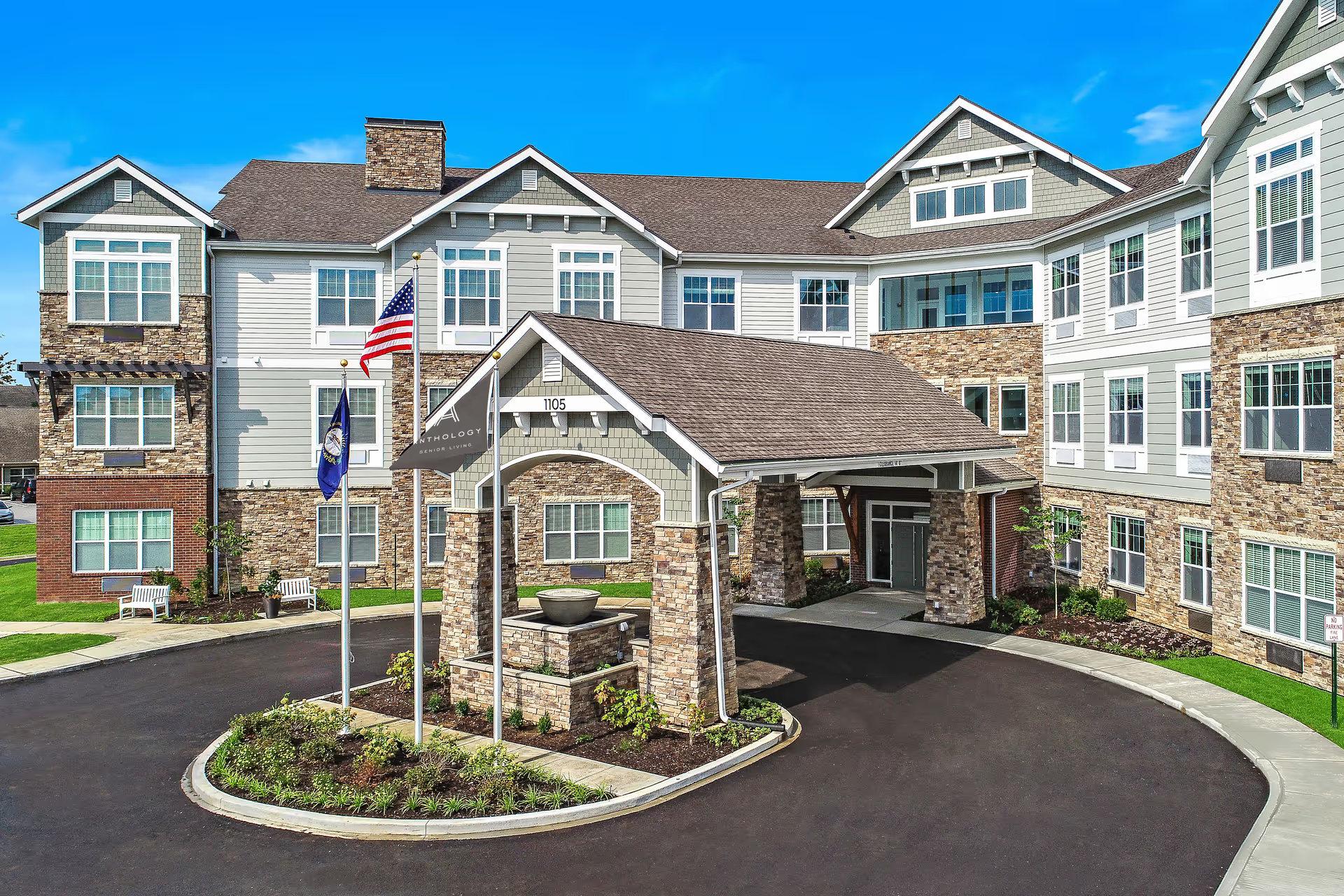 $4,100 – $6,900+4.7 (76)Studio • 1 Bedroom • 2 Bedroomindependent, assisted living, memory care
The Ashton on Dorsey
1105 Dorsey Ln, Louisville, KY, 40223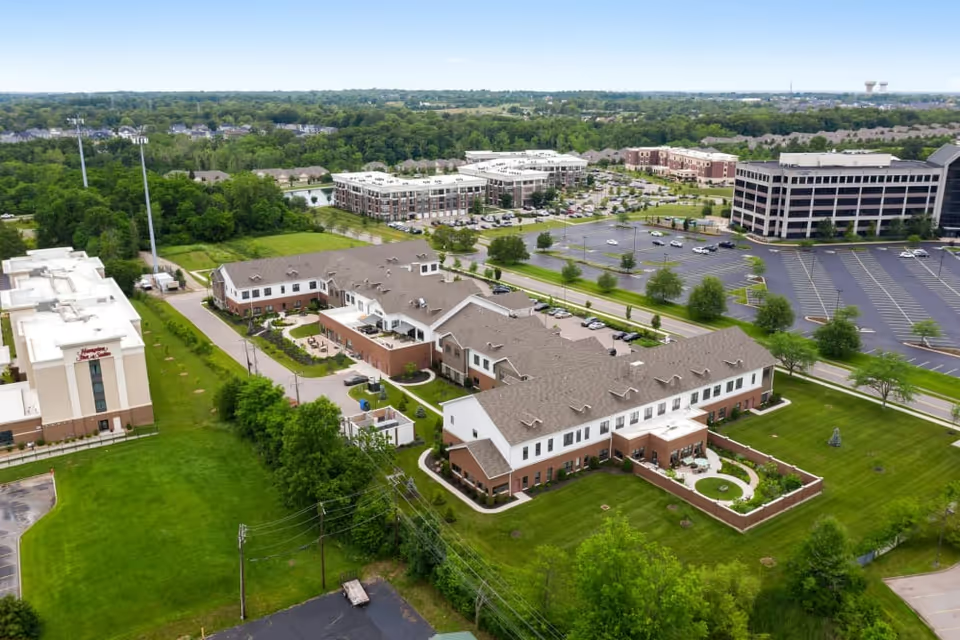 $4,395 – $5,274+4.5 (75)Semi-privateassisted living, memory care
Montage Mason
5373 Merten Dr, Mason, OH, 45040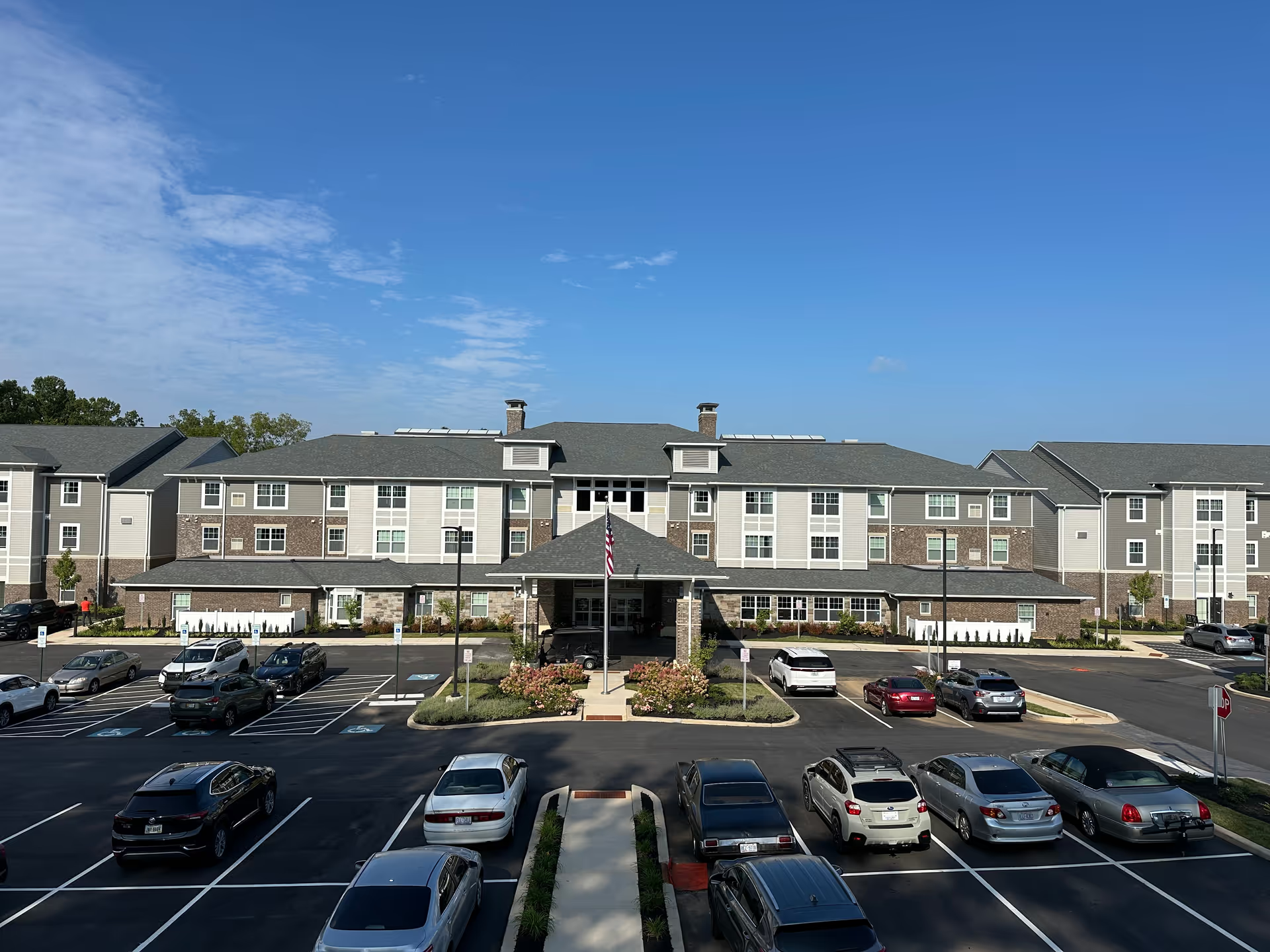 $5,112 – $6,645+4.7 (38)Semi-private • 1 Bedroom • Studioindependent living, assisted living
Julian Woods Retirement Community
421 Overlook Rd Ext, Arden, NC, 28704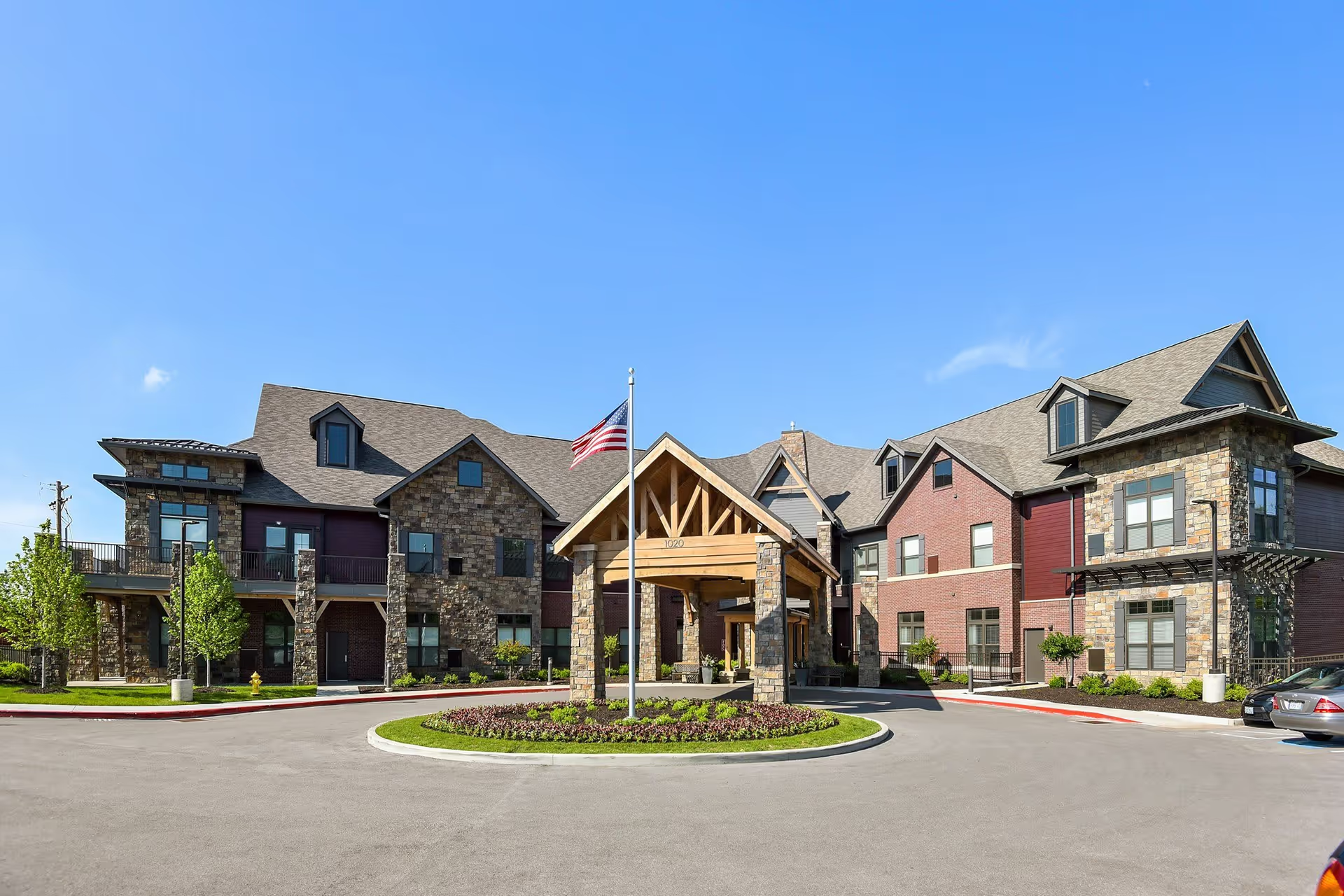 $5,000+3.9 (61)suiteassisted living, memory care
American House Town and Country
1020 Woods Mill Rd, Town and Country, MO, 63017 $5,300+4.3 (118)2 Bedroomindependent living, assisted living
Renaissance on Peachtree
3755 Peachtree Rd NE, Atlanta, GA, 30319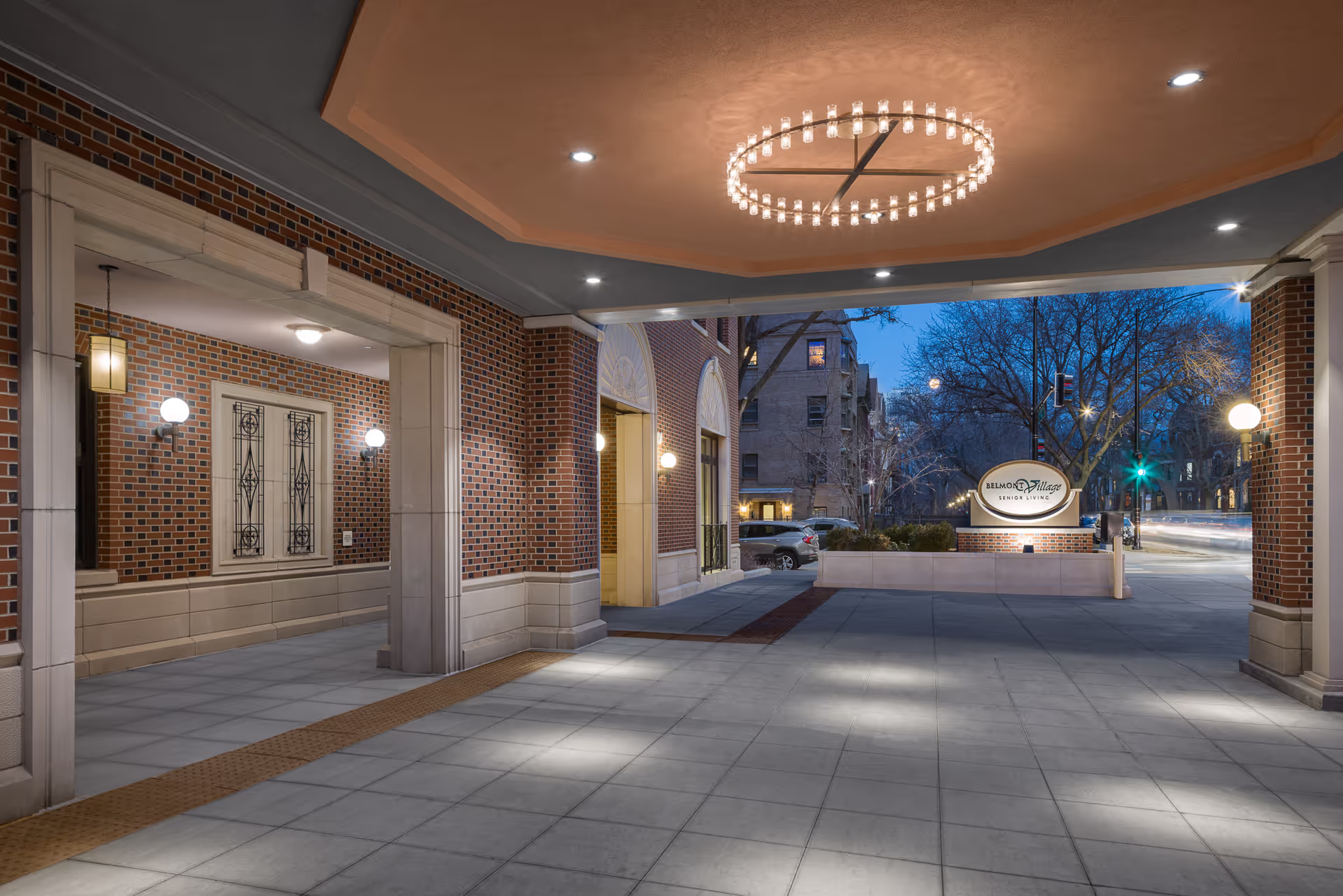 $5,506 – $7,157+4.5 (131)Semi-private • 1 Bedroom • Studioindependent, assisted living, memory care
Belmont Village Senior Living Lincoln Park
700 W Fullerton Ave, Chicago, IL, 60614
Assisted Living in Nearby Cities
Cecilia assisted living
7.4 mi22 facilities$4,646/mo- 20 facilities$4,708/mo
Radcliff assisted living
9.1 mi2 facilitiesBoston assisted living
9.6 mi0 facilities- 0 facilities
Vine Grove assisted living
10.5 mi2 facilitiesHodgenville assisted living
11.7 mi3 facilitiesSonora assisted living
13.2 mi1 facilities$2,954/mo- 2 facilities
New Haven assisted living
14.1 mi0 facilitiesBuffalo assisted living
16.2 mi3 facilitiesEastview assisted living
16.2 mi1 facilities$3,431/mo