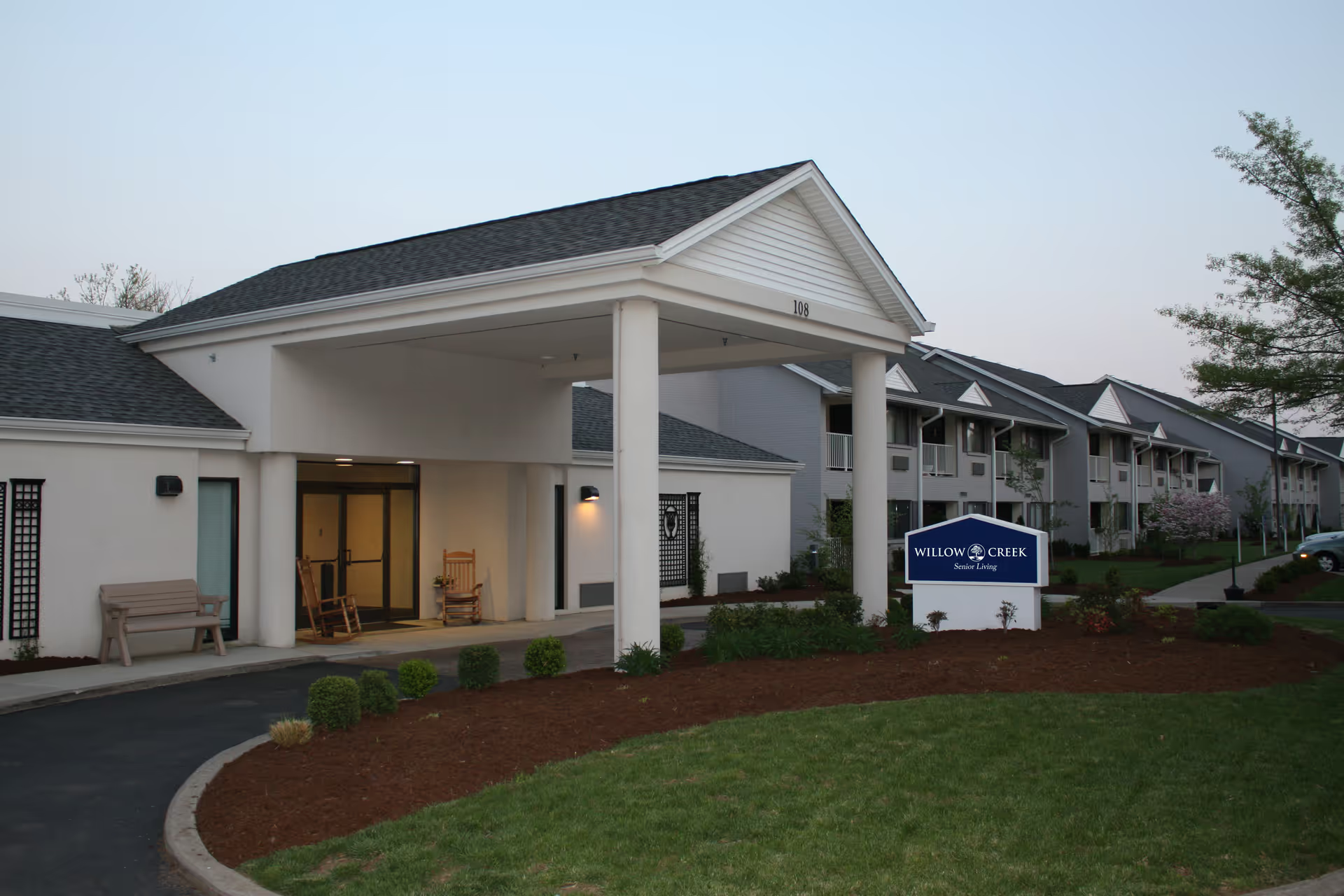
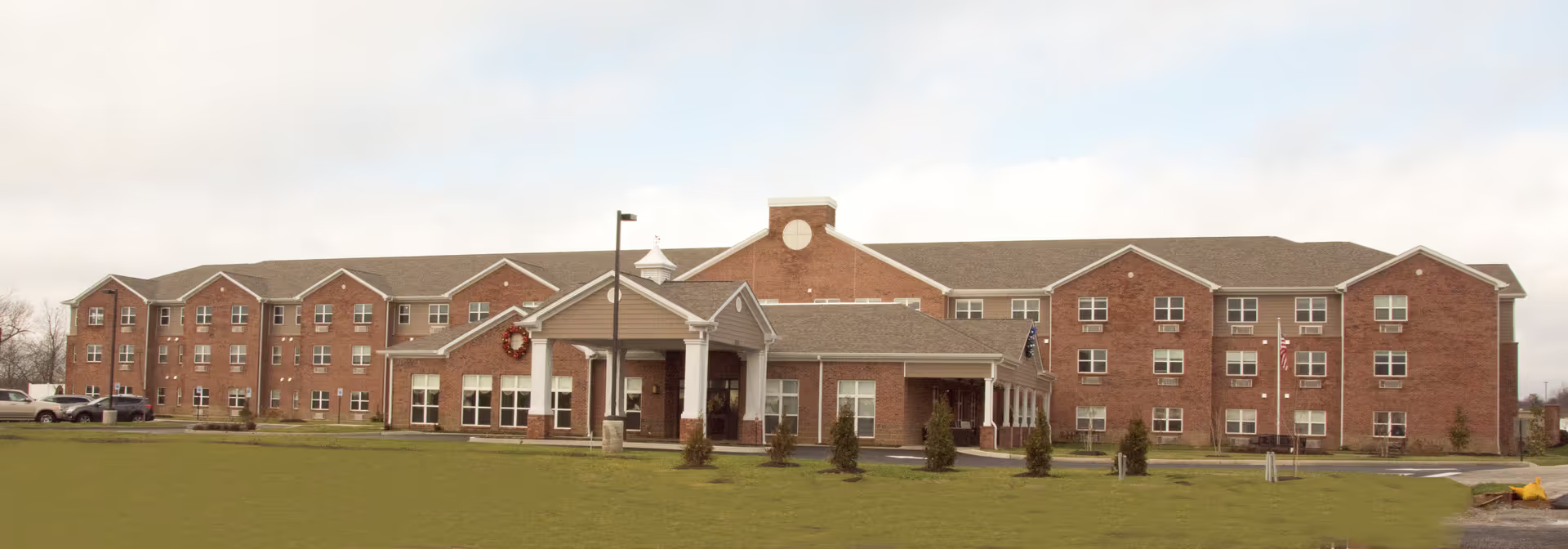
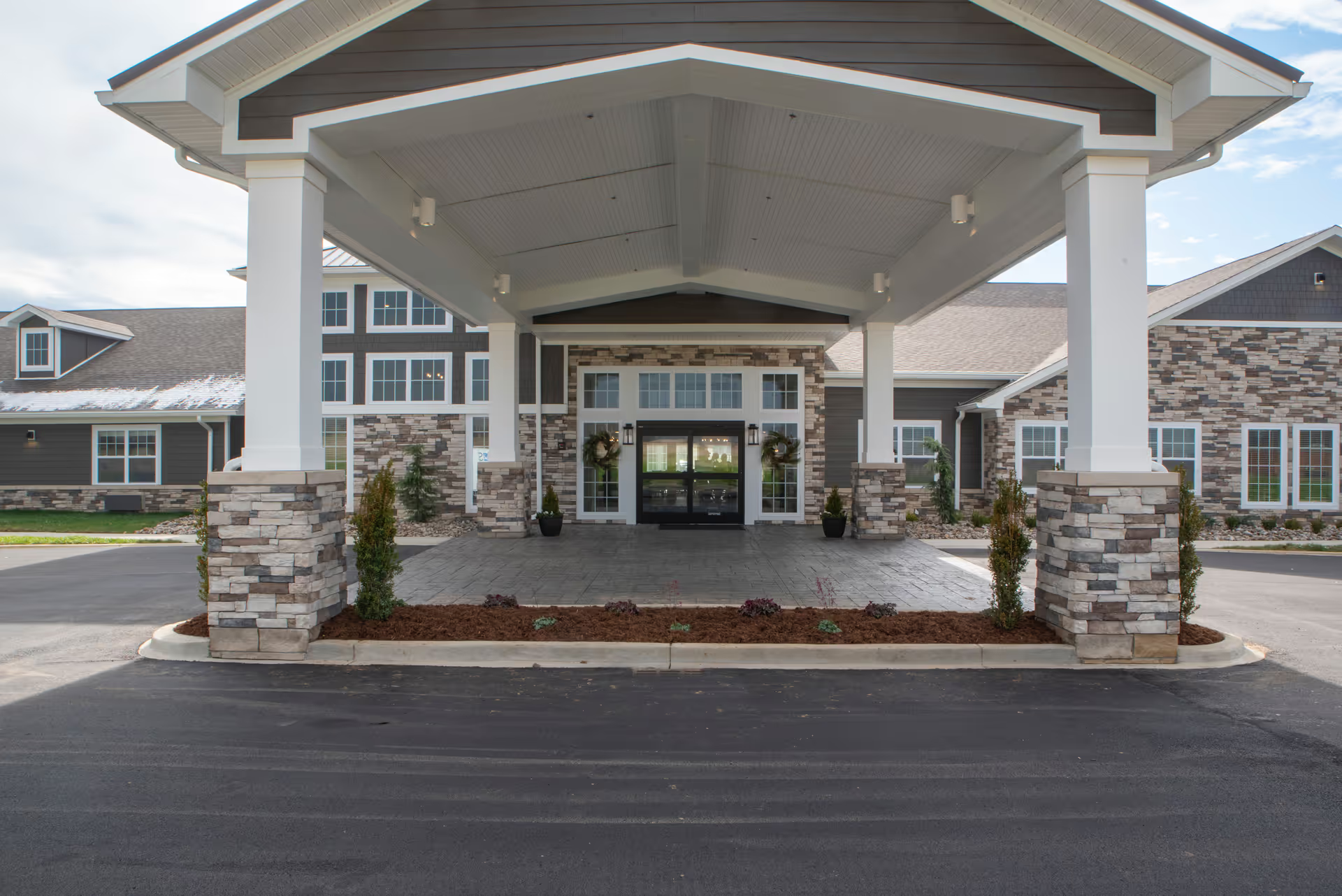
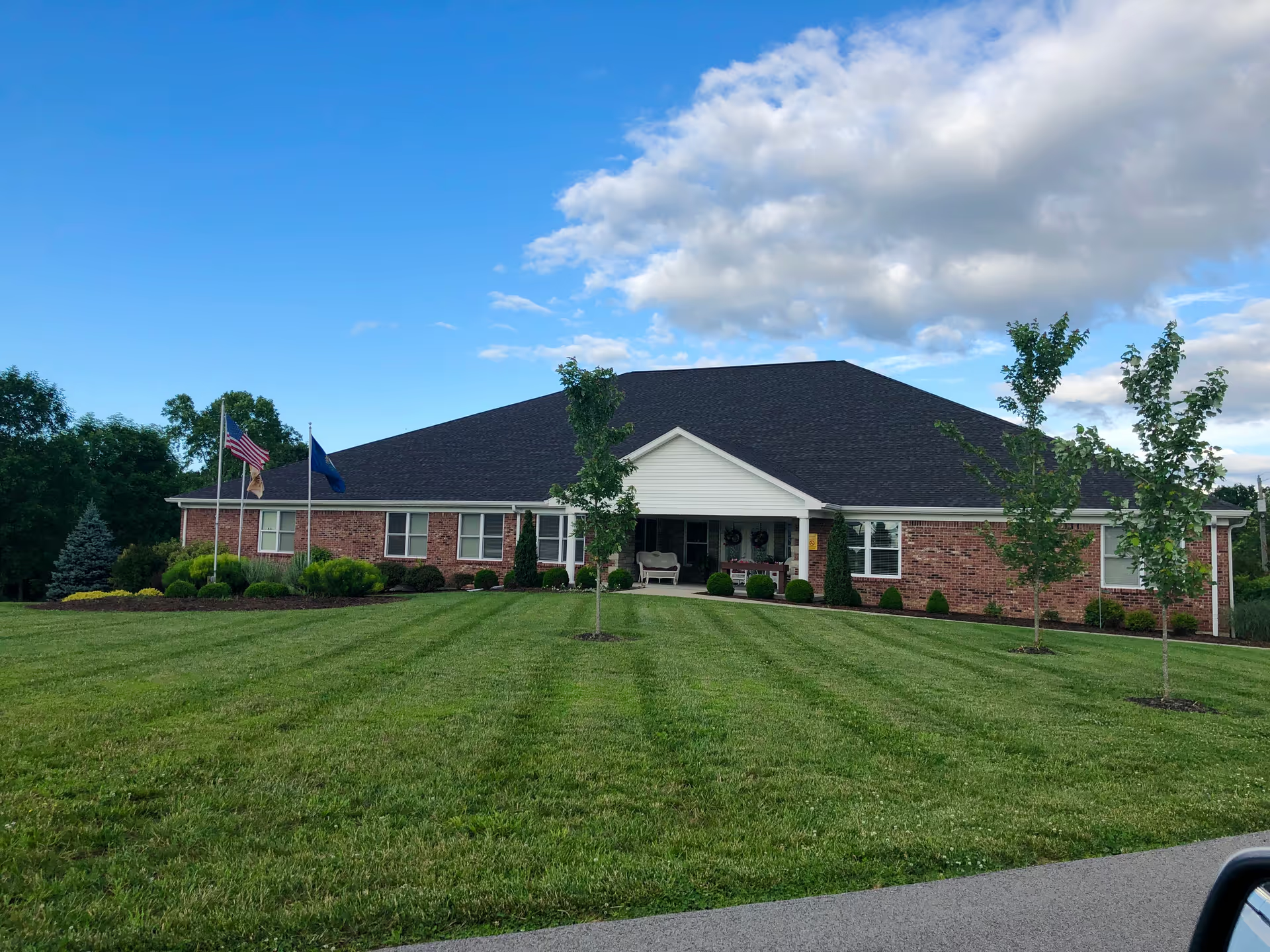
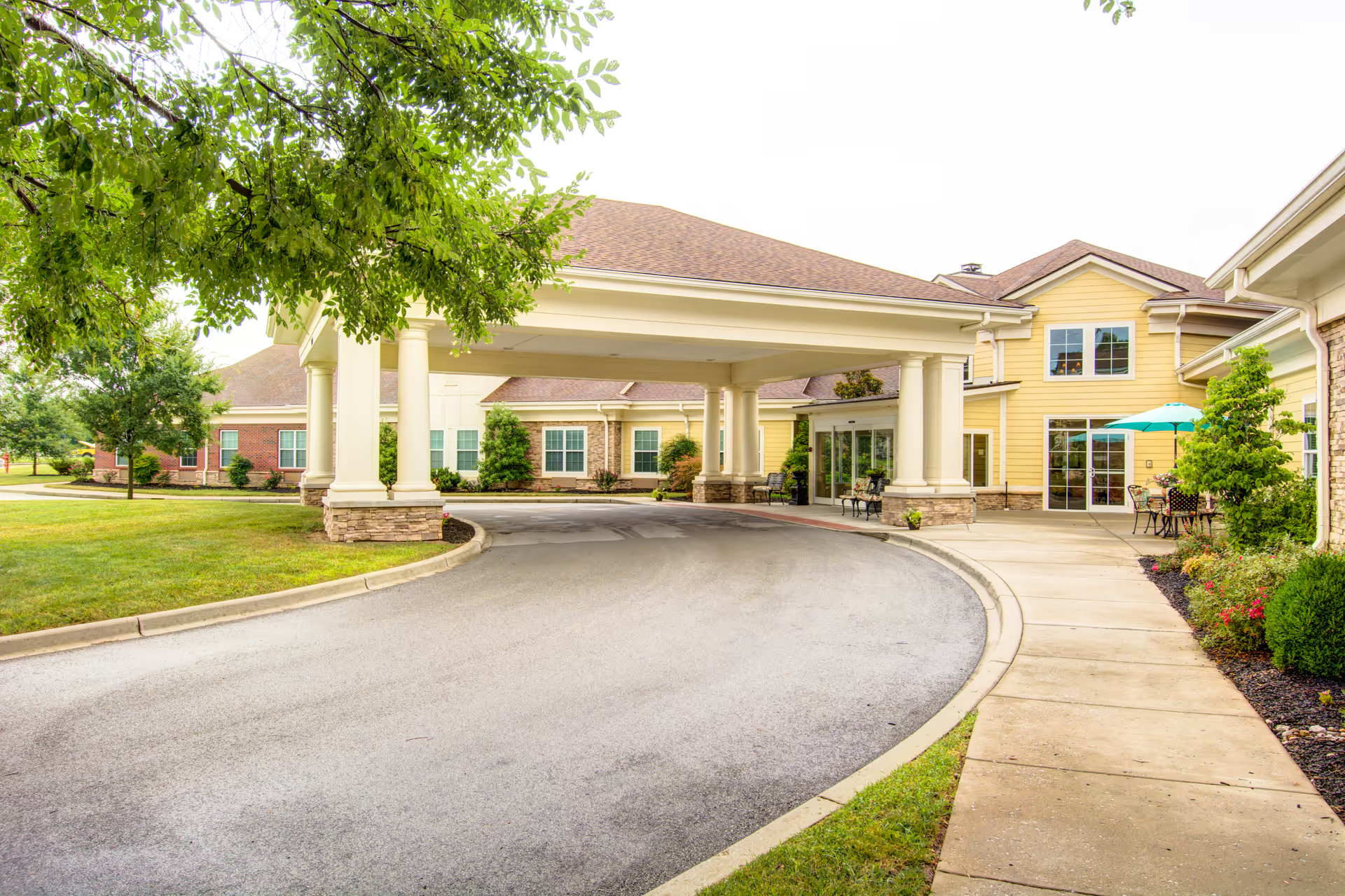
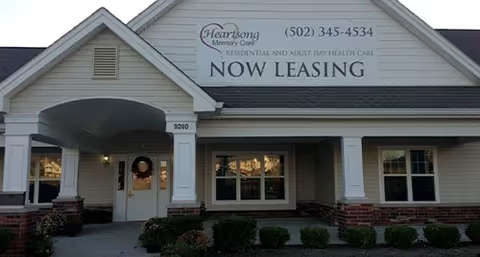
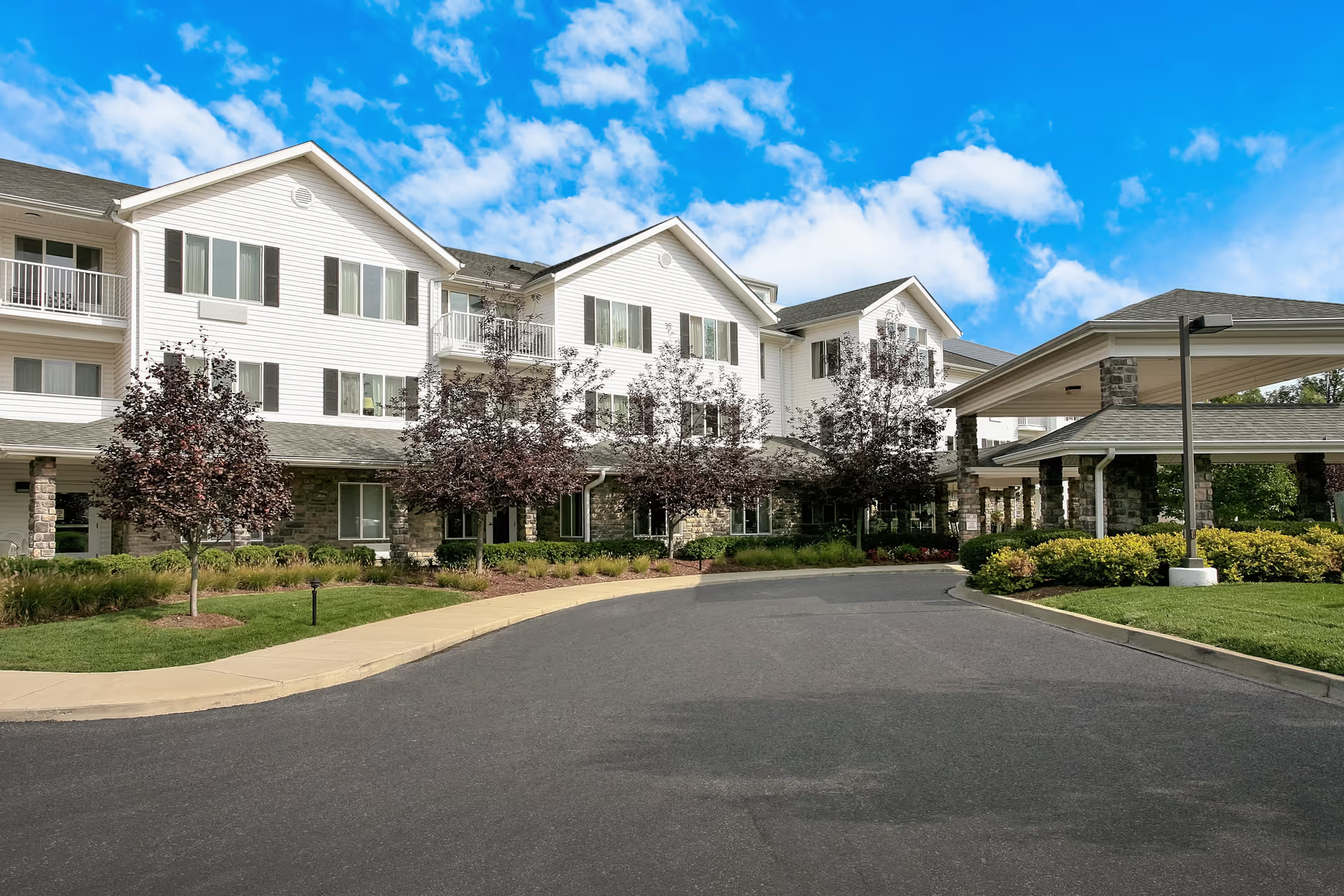
Tender Touch Heart & Home is frequently described as a small, home-like assisted living setting with strengths in hands-on caregiving and a well-kept physical environment. Many notes emphasize a clean, fresh facility with pleasant common areas, a courtyard/porch for outdoor time, and a dining room that benefits from good lighting and comfortable furnishings. The size and atmosphere are often characterized as cozy and familiar, which contributes to perceptions of personalized service and a familial environment.
Care quality and staffing are a central theme. Multiple comments praise attentive, engaged direct-care staff and specific caregivers by name; reviewers highlight proactive assistance, compassion during end-of-life situations, and safety-check routines. These attributes support a sense of individualized attention for residents. However, there are recurring concerns about inconsistent one-on-one responsiveness and occasional lapses in individualized attention, suggesting variability in day-to-day staffing or prioritization.
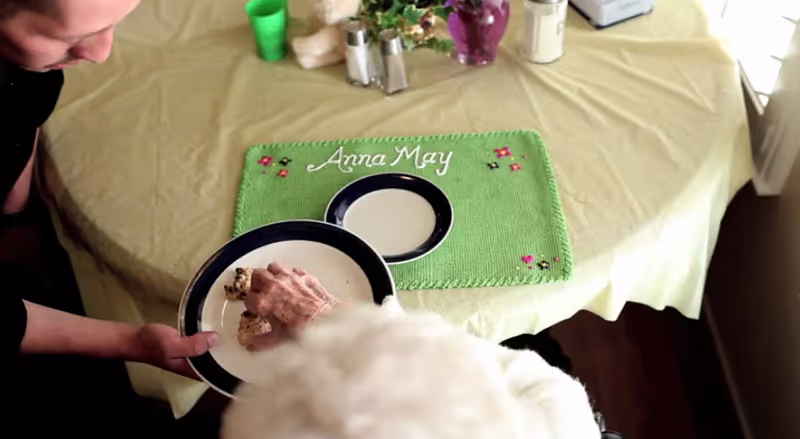
Dining receives generally positive feedback for taste and presentation, though a pattern of variability appears: most meals are described as good but reviewers also mentioned occasional dips in quality and some limitations in meal availability or options. Families also noted that meal delivery has been used at times. Overall, the dining program is functional and often well-liked, but not uniformly consistent.
The activity program is a relative strength. Offerings named include bingo, cards/dominos, exercise classes, sing-alongs, church services, guest musicians, and a weekly salon. An activity bus is available. These structured and social activities support resident engagement and contribute positively to daily life for many residents.
Facility-level amenities and maintenance are noted positively: common areas are described as fresh and well-maintained, and outdoor walking areas are available. Room size is more mixed: some reviewers point out that rooms are small and lack adjoining accommodations, which may limit roommate arrangements or in-room space.
Management and family communication show mixed patterns. Several reviewers raise concerns about administrative tone and professionalism, describing abrupt or unhelpful interactions with administrative staff. There are also instances of billing or rent-communication confusion that were resolved in some cases, indicating occasional gaps in administrative clarity. Visiting policies—particularly restrictions around mealtimes and a stated prohibition on children under a certain age—are viewed as restrictive by some families and could affect visitation flexibility.
Clinical coordination during recovery and transitions drew attention in a few comments; some families expressed concern about decision-making and communication around recovery care. While many reviewers highly recommend the facility and contrast it favorably with prior placements, the recurrent themes around administrative communication, visitation limits, inconsistent meal experience, and occasional variability in individualized attention are notable patterns for prospective residents and families to investigate further during a tour or intake conversation.