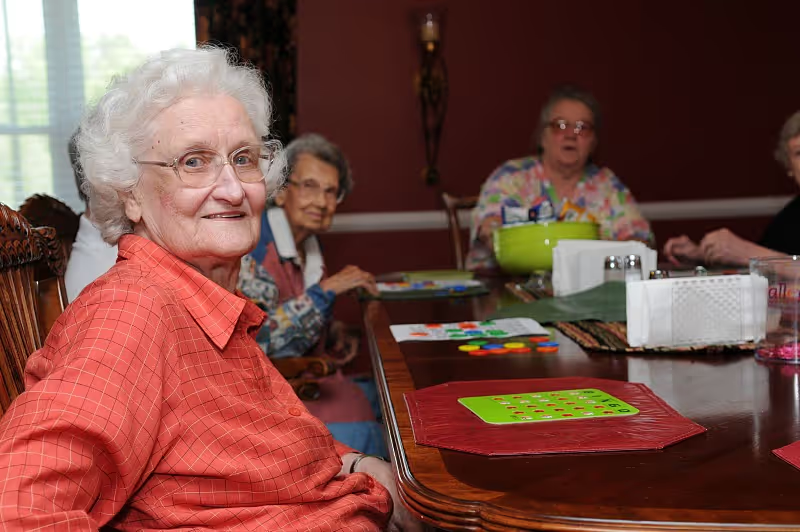
Tender Touch Senior Living elicits mixed impressions. Several reviewers commended individual staff members and named caregivers for attentive, personalized assistance, timely recognition of health changes, and clear communication with families. Admissions and placement were described as efficient by some, and multiple accounts express general resident satisfaction and positive morale among occupants. At least one staff member received specific praise, which suggests there are reliable caregivers who contribute positively to day-to-day experience.
Care quality appears variable. Positive accounts emphasize responsive attention to changes in residents' conditions and effective family updates. Conversely, other accounts point to inconsistent caregiver continuity and policies that limit substitution or backup assignments; these operational patterns undermine continuity of care and increase family stress. There are also mentions of caregiver distress and turnover, which can affect consistency in tasks such as personal support and medication follow-up.
Staffing and management practices are a central pattern across the material. Strengths include individualized relationships between particular caregivers and families, and timely placement processes. Weaknesses include inconsistent assignments, rigid policies about sending replacement staff, and indications of low staff morale. These issues have operational consequences: families describe difficulty maintaining a steady caregiver relationship and express frustration with how the facility manages staffing gaps.
Infection-control, safety, and facility-maintenance concerns appear in multiple accounts. Reviewers raised concerns about an outbreak and about cleaning-protocol limitations (including restrictions on certain disinfectants), which some felt increased infection risk. There are also comments about safety practices and preparedness; while some visitors and families had positive impressions during visits, other brief visits produced negative impressions regarding safety and sanitation standards. Overall, the available commentary suggests uneven performance in infection prevention and environmental cleaning.
There is a distinct thread of concern related to veteran care. Some family members expressed unease about how veteran-specific needs are handled and perceived differences in treatment; these remarks indicate a need for clearer veteran-focused policies and communication. Additionally, at least one review referenced concerns following a resident's death, which contributed to family distress and questions about end-of-life handling and communication.
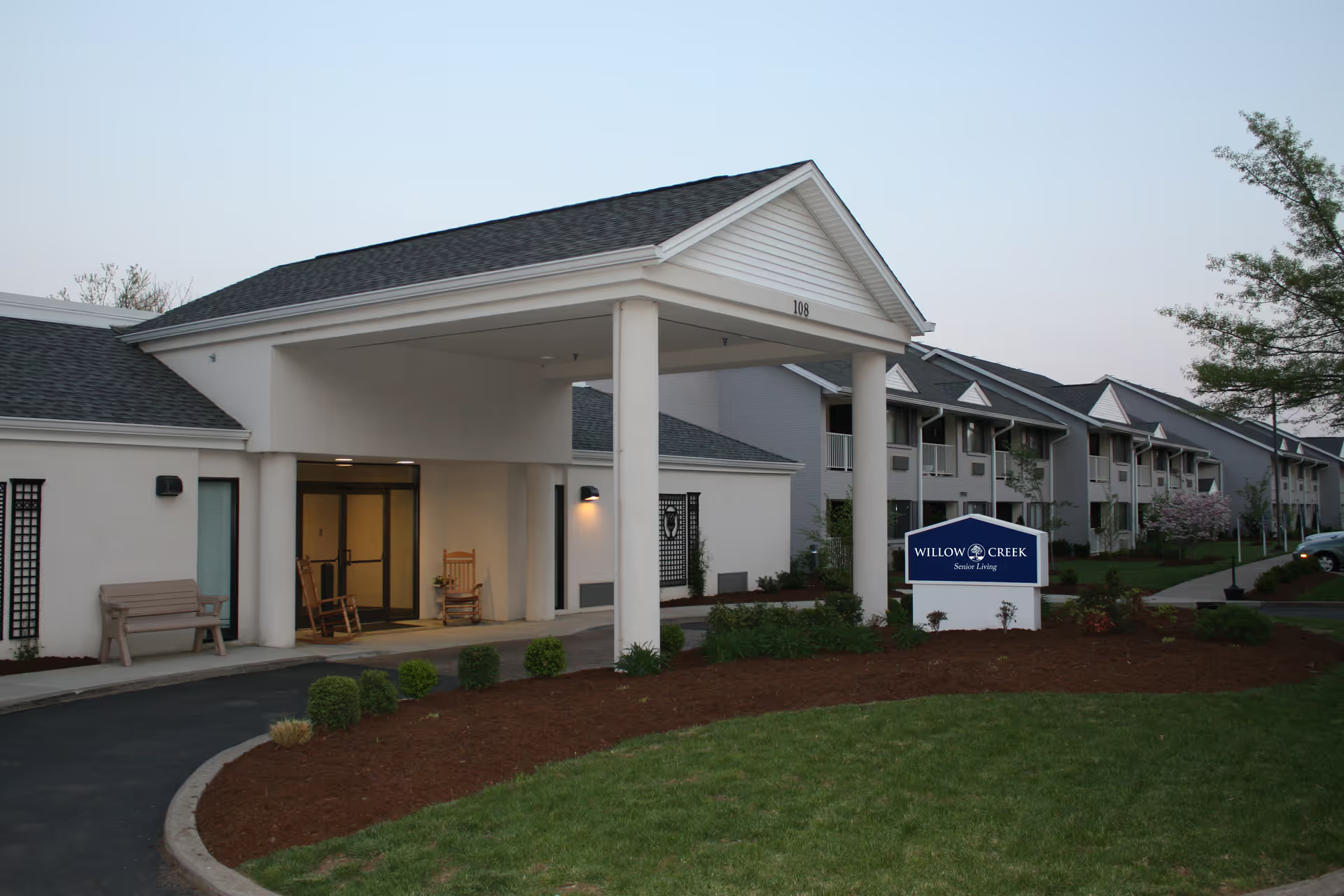
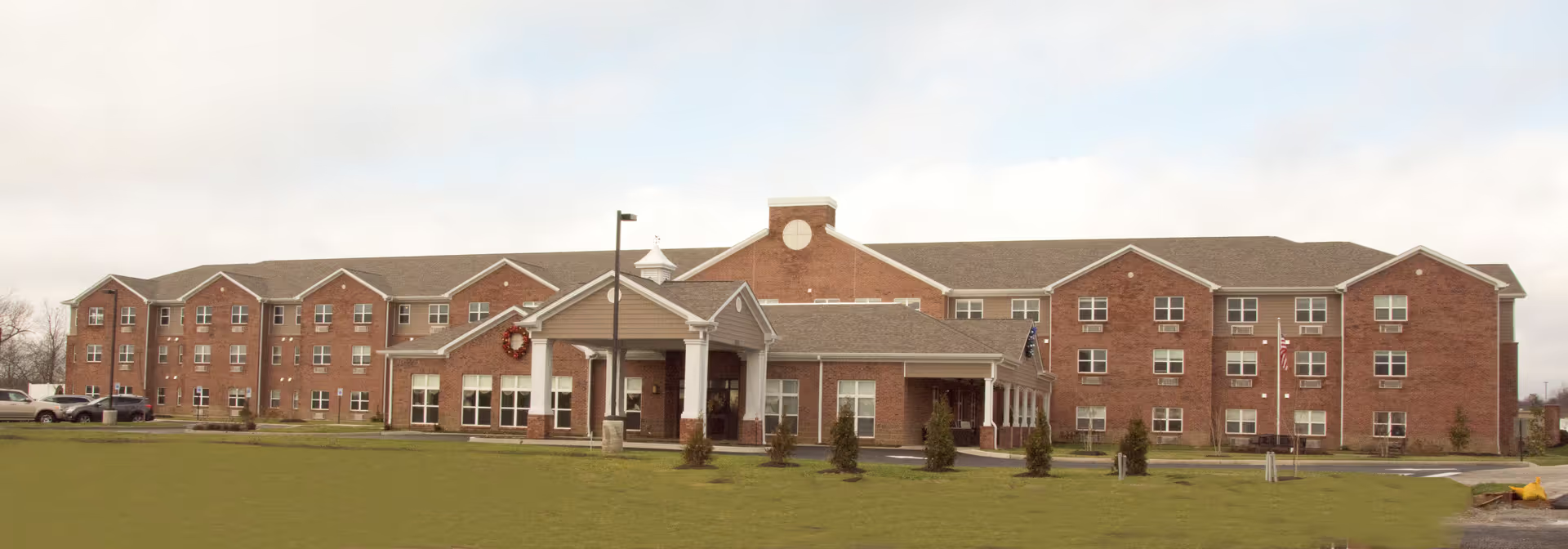
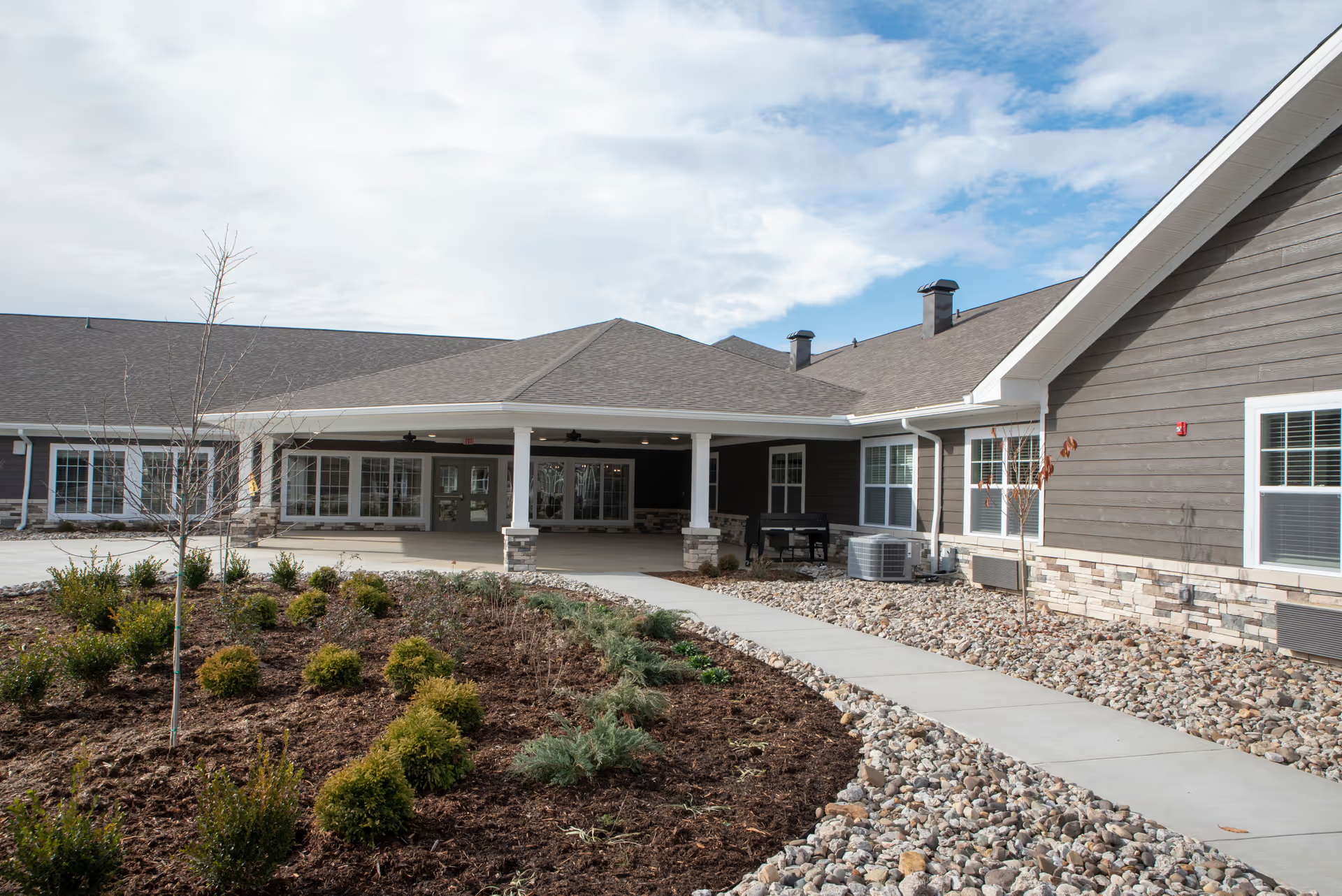
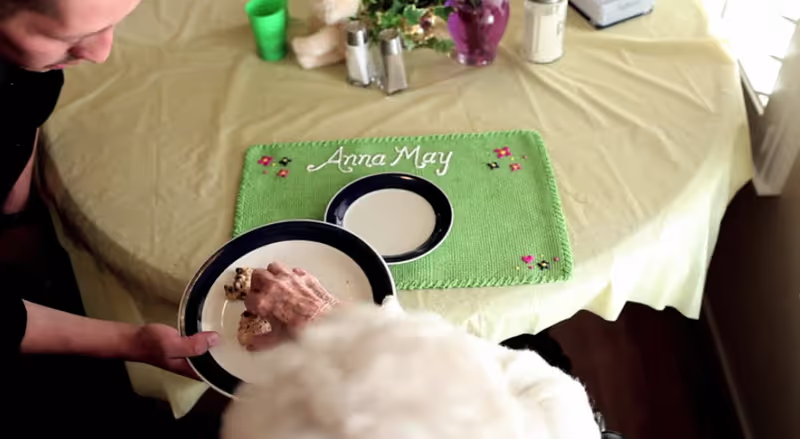
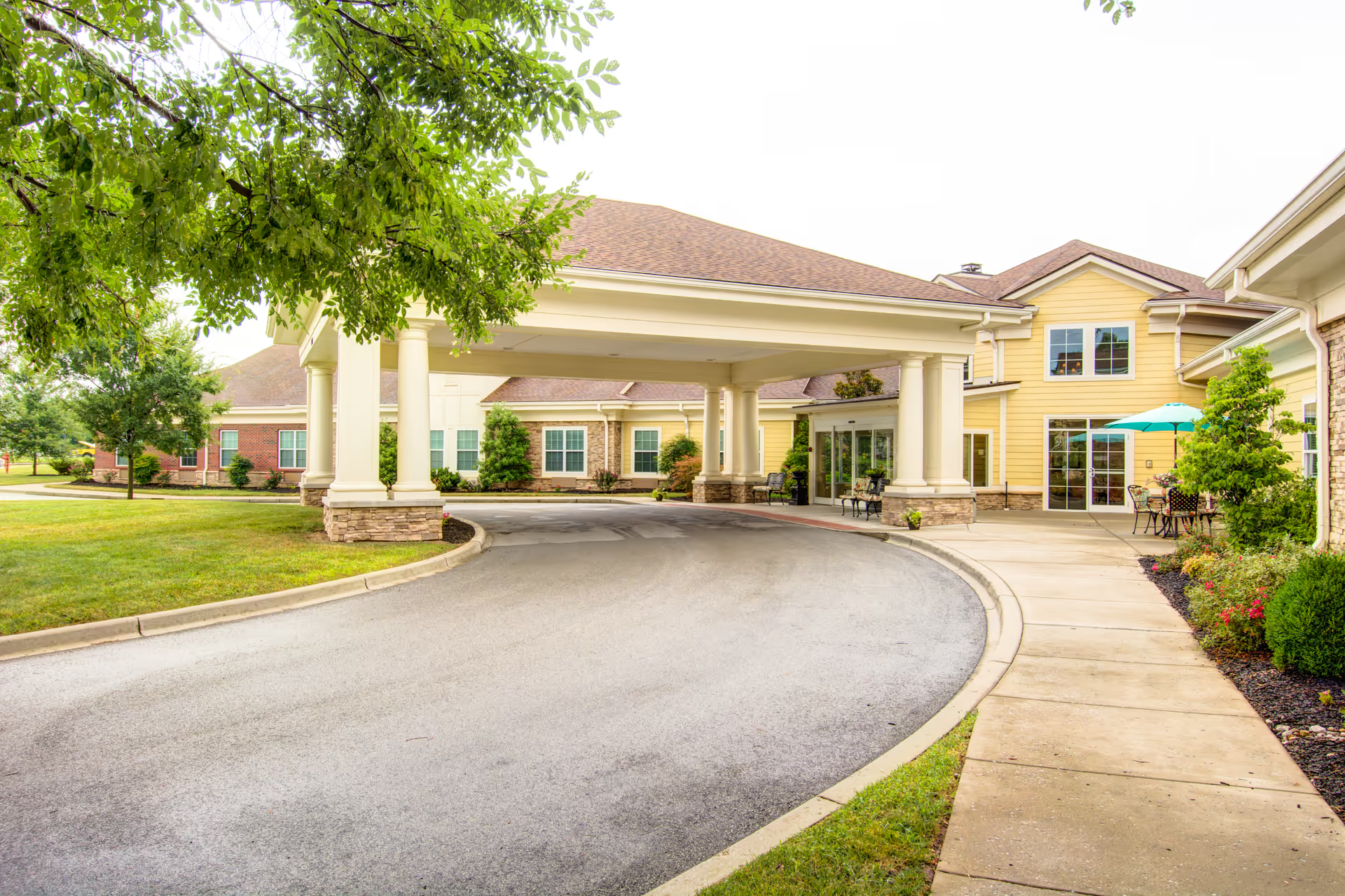
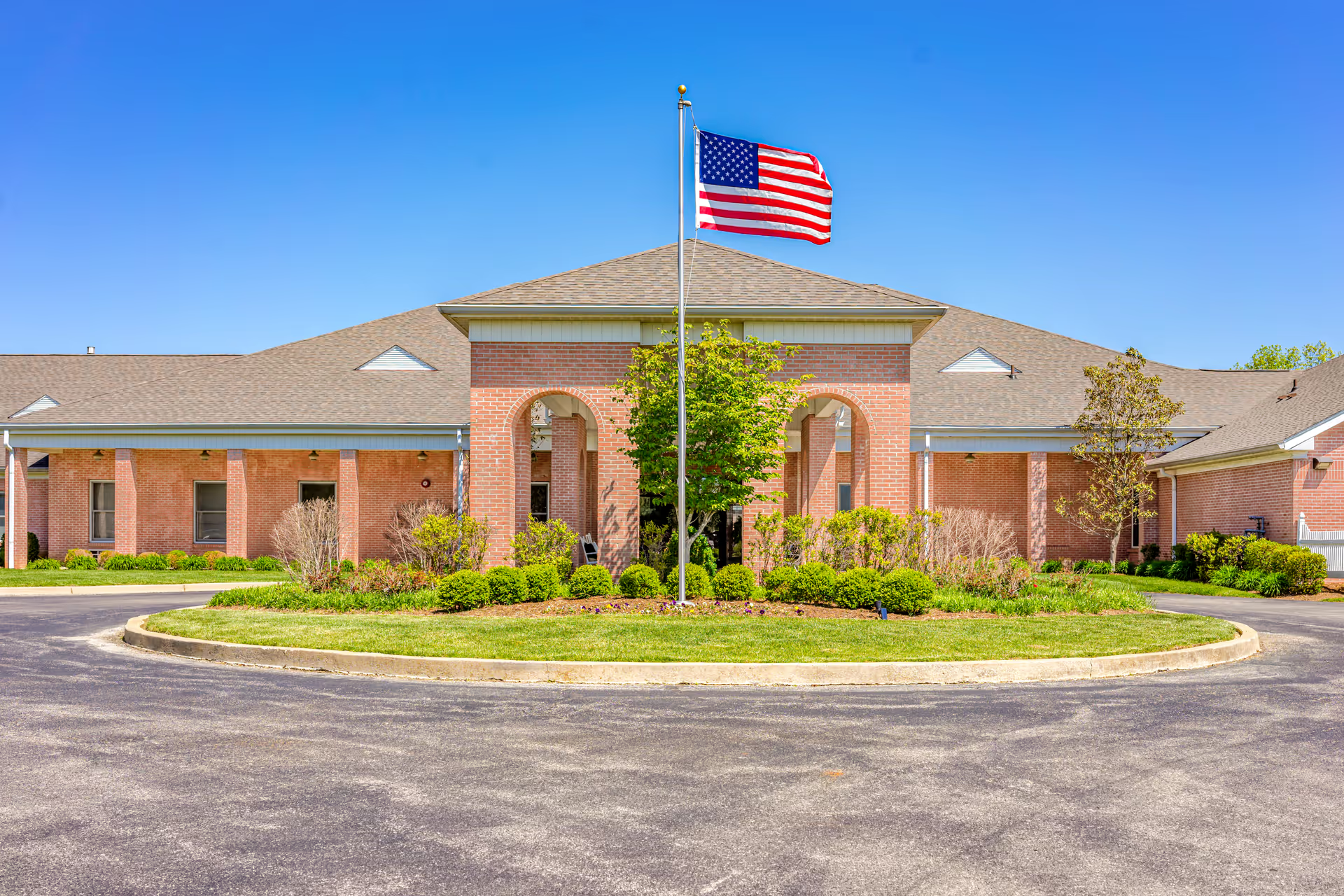
Information on dining and activities is limited in the provided material. No consistent commentary on meal quality or programmatic activities appears; the strongest available signals about daily life come from statements of general resident happiness and staff-driven engagement. Facility appearance and daily operations were described positively by some visitors, though others raised sanitation and safety questions during short visits.
In summary, prospective residents and families should weigh two main patterns: (1) the presence of compassionate, effective individual caregivers and generally positive resident experiences; and (2) operational weaknesses including staffing instability, restrictive substitution policies, and uneven infection-control and safety practices. For families considering this community, suggested due diligence includes asking about current staff turnover rates and assignment practices, backup-staffing policies, specific infection-control protocols (including cleaning agents and outbreak response), veteran-care procedures, and examples of how the facility has managed recent staffing or clinical incidents. Direct conversations with leadership about continuity plans and recent corrective actions will help clarify whether the facility's strengths are supported by stable operational practices.