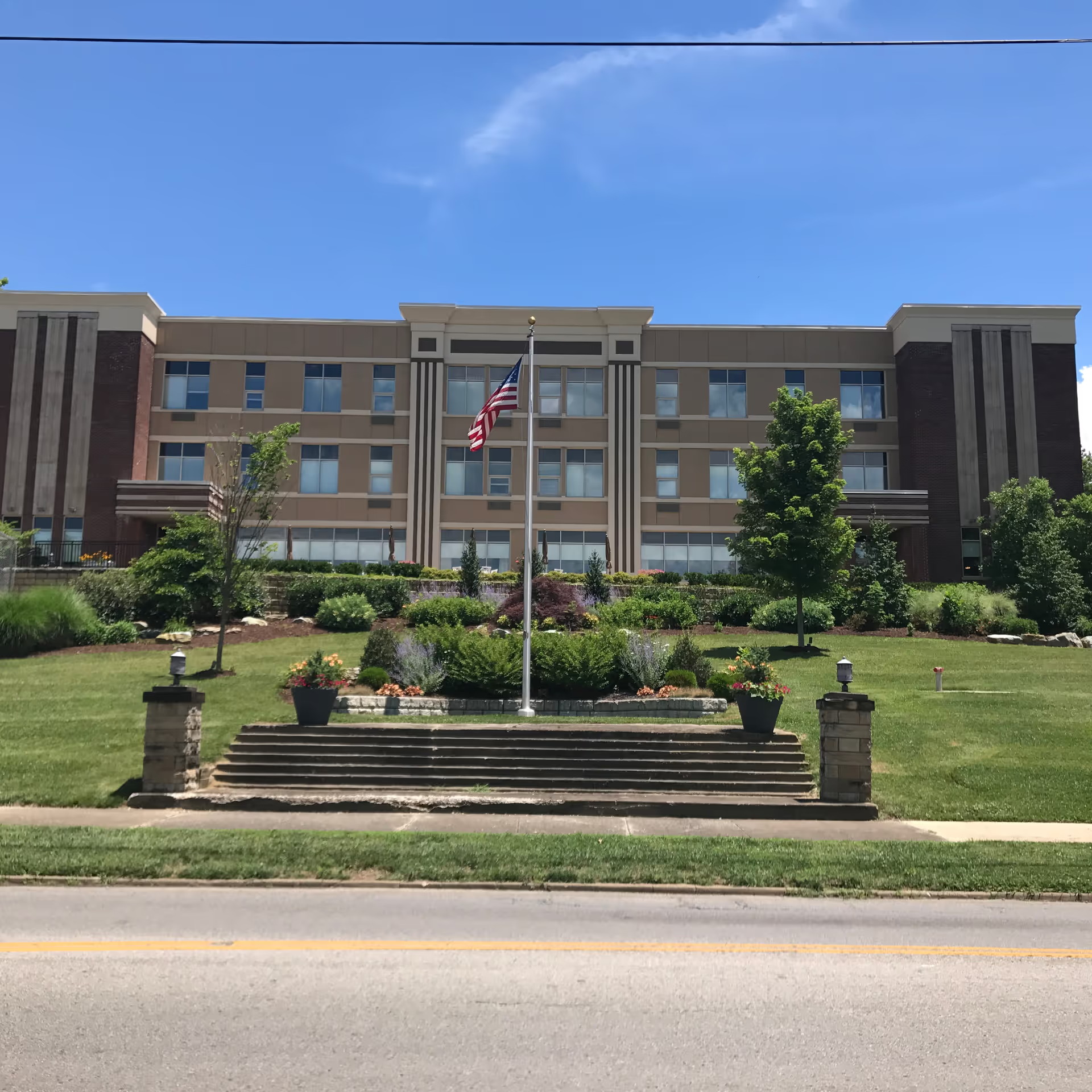
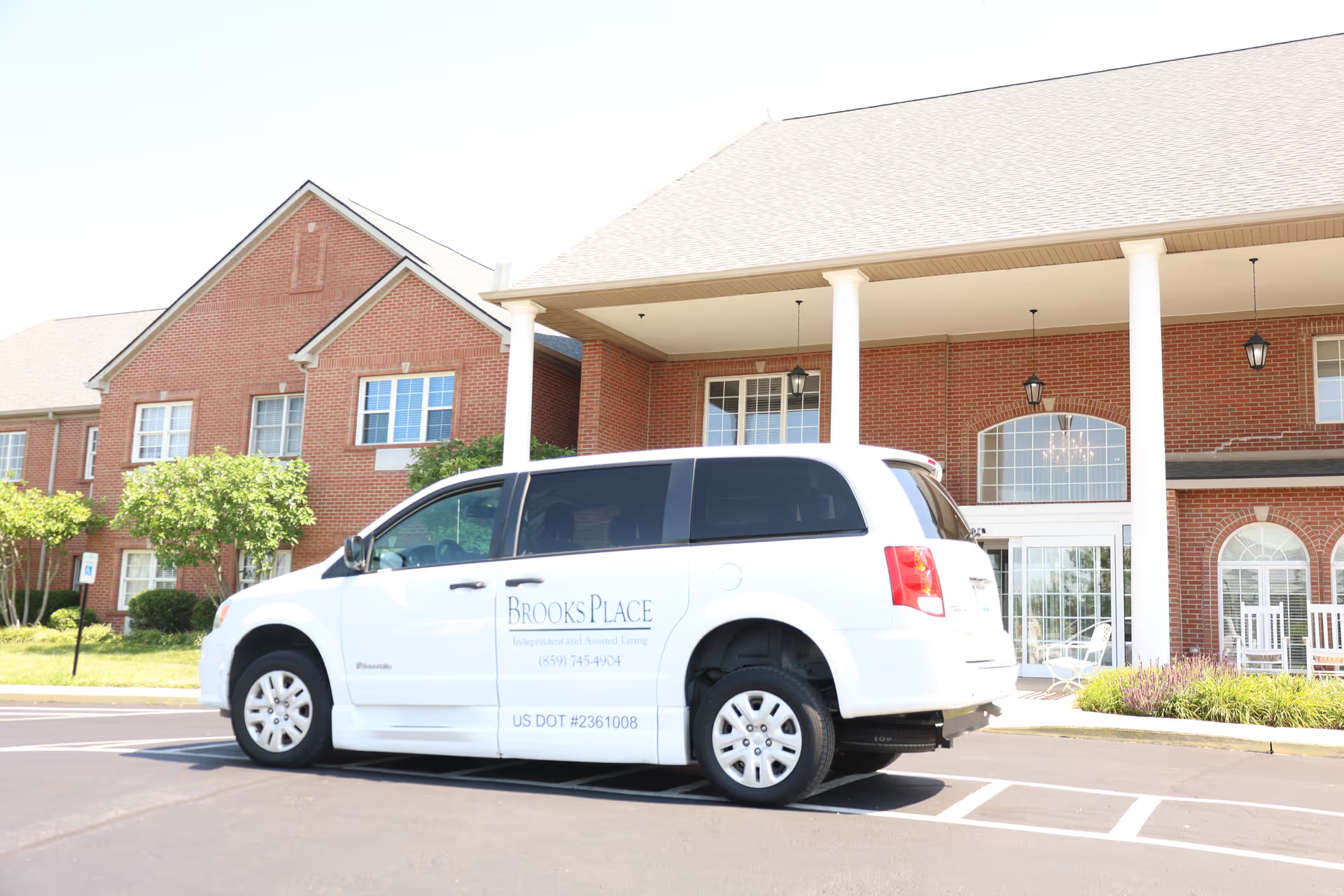
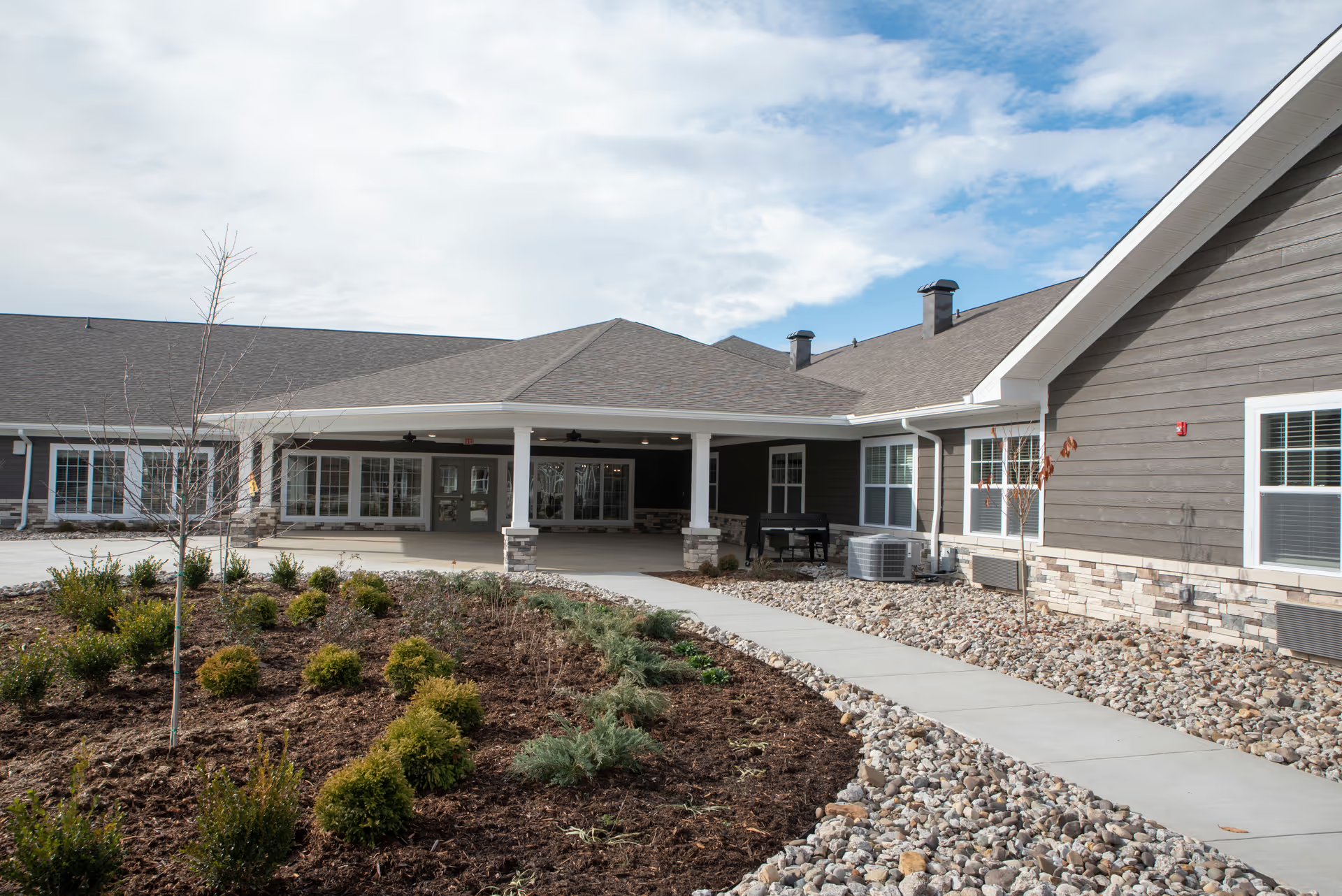
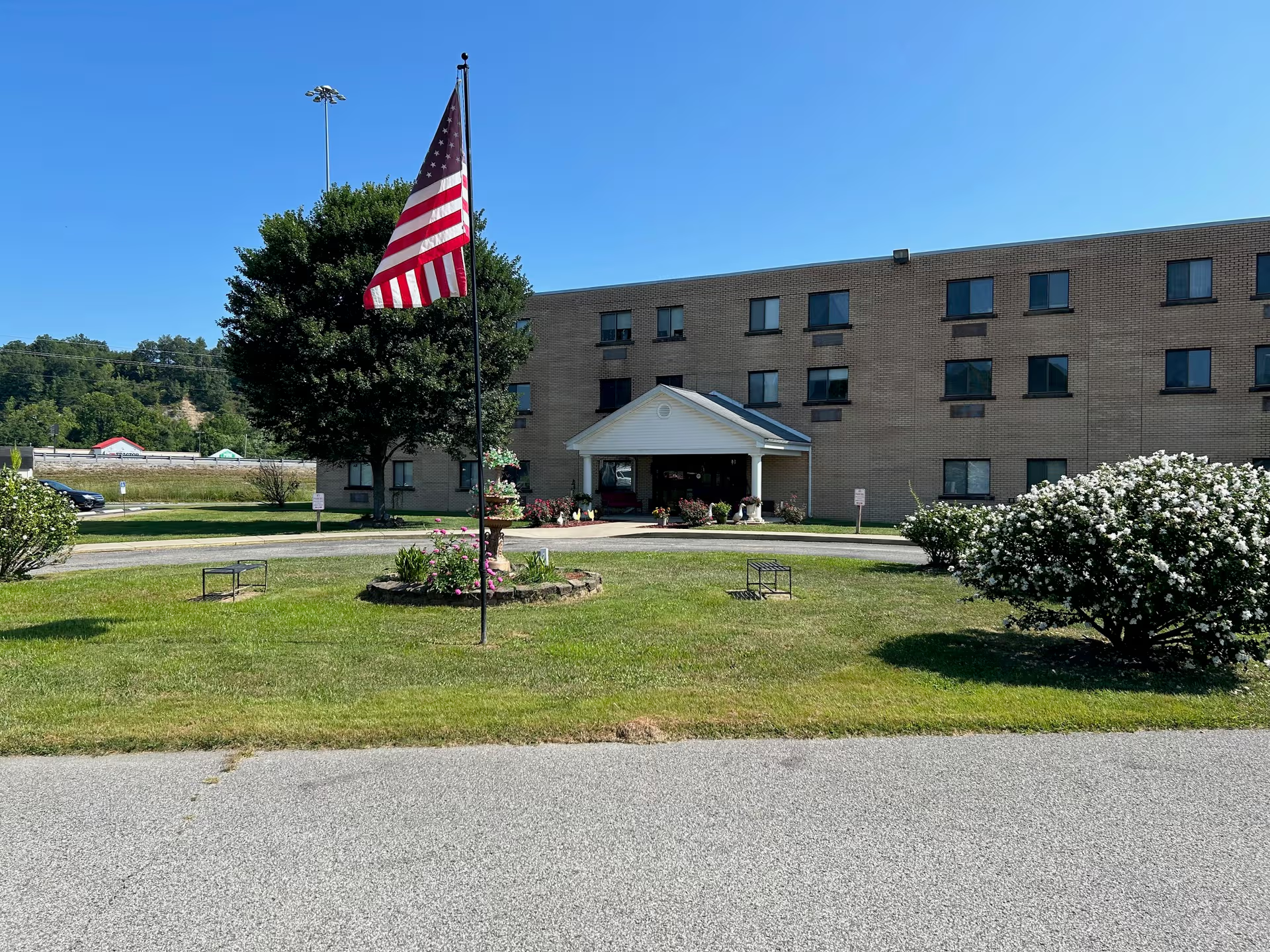
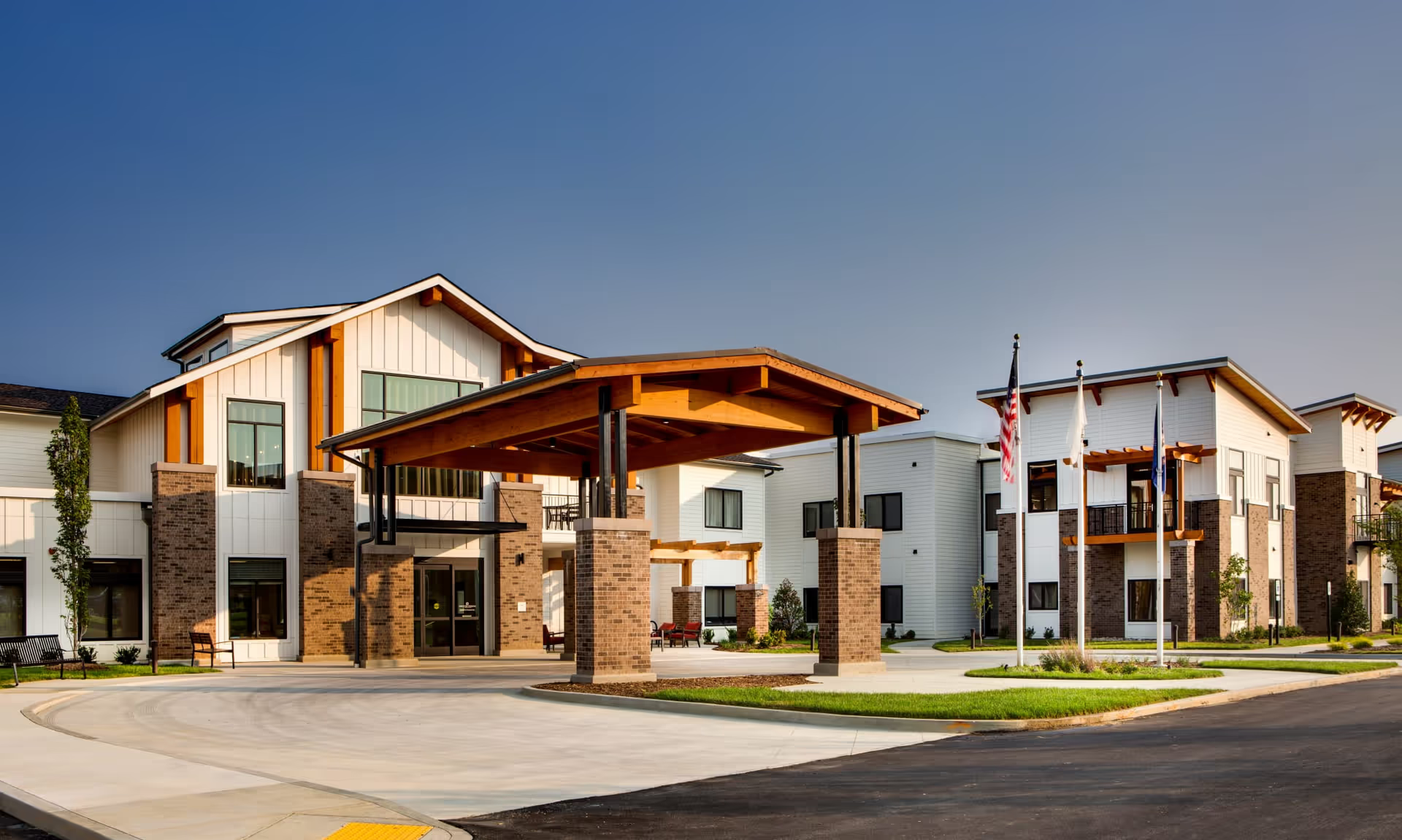
Overall impression: Reviews present a largely positive picture of Pioneer Trace Healthcare & Rehabilitation as a facility where staff form close, family-like relationships with residents and coworkers. Many comments emphasize long staff tenure, a supportive workplace culture, and caregivers described as compassionate and dedicated. The facility itself is described as attractive and welcoming, and reviewers frequently note warm interactions between staff and residents and engaging activities that contribute to a communal atmosphere.
Care quality and clinical concerns: Many reviewers characterize day-to-day care as resident-focused and attentive, with caregivers praised for treating residents like family. However, a subset of reviews raises significant clinical and safety concerns. These concerns center on decision-making during transfers and admissions, gaps in dementia-specific practices, and instances of limited responsiveness in tense situations. Together these indicate potential variability in care continuity for residents with complex or specialized needs; families considering placement should discuss transfer/admission policies and dementia-care protocols directly with administration.
Staff, management, and workplace environment: Staff-related comments are predominantly positive — employees describe a cohesive team, supportive management, and an enjoyable workplace, which likely contributes to continuity of care. Long tenures and expressed loyalty suggest stable staffing patterns in many units. At the same time, isolated accounts about communication tone and how some challenging clinical scenarios were handled point to opportunities for additional staff training in de-escalation, family communication, and dementia-specific care approaches.
Activities, dining, and facilities: Reviewers frequently praise activities and programming that create engaging resident experiences and foster social connection. The facility is described as clean, attractive, and inviting. There is little specific feedback on dining quality in the provided summaries; prospective families should request menu examples and meal-service procedures during a tour to confirm fit for personal preferences and dietary needs.
Notable patterns and recommendation: The dominant pattern is a compassionate, family-oriented culture with many long-term, dedicated staff members and positive resident relationships. Counterbalancing that are isolated but meaningful concerns about safety-related decision-making, dementia care practices, and communication during clinical incidents. Prospective residents and families should weigh the apparent strengths in staff continuity and community atmosphere against the need to confirm specific clinical policies (admission/transfer protocols, dementia-care training, incident-response and family-notification procedures) during their evaluation visit.