The reviews present a polarized view of Harrodsburg Health & Rehabilitation Center: a substantial number of accounts describe high‑quality, compassionate care and strong rehabilitation outcomes, while a distinct set of accounts raise operational and environmental concerns. Prospective residents and families should note both the facility’s frequently praised strengths and the pattern of facility‑level issues that may affect experience and safety.
Care and clinical services: Many reviewers emphasize robust short‑term rehabilitation, effective daily therapy, and interdisciplinary teamwork that supports functional recovery. Several accounts highlight therapists and nurses who are attentive and skilled, and family members report meaningful improvements in mobility and overall well‑being. Conversely, some reviews describe delays in attending to clinical issues and concerns about escalation of medical events; these suggest potential variability in clinical responsiveness and handoff practices that families should clarify during intake and care‑planning conversations.
Staff and communication: A recurring strength is the facility’s compassionate staff culture—residents and families frequently describe staff who are warm, respectful, and treat residents with dignity. Administrative staff and leadership also receive positive mentions for being accessible and helpful. At the same time, there are complaints about inconsistent professionalism, dismissive or rude interactions, and noisy staff conduct that can disturb residents. These contrasting impressions indicate that resident experience may depend heavily on unit staffing and individual caregiver behavior.
Dining and activities: Dining is generally reported as a positive aspect. Multiple reviewers praise meal quality, the addition of a bistro/buffet, and the variety of options. The activities program is also repeatedly cited as a highlight, with many families noting an engaging social calendar and staff who foster a friendly community. These programmatic strengths appear to contribute positively to residents’ social and emotional wellbeing.
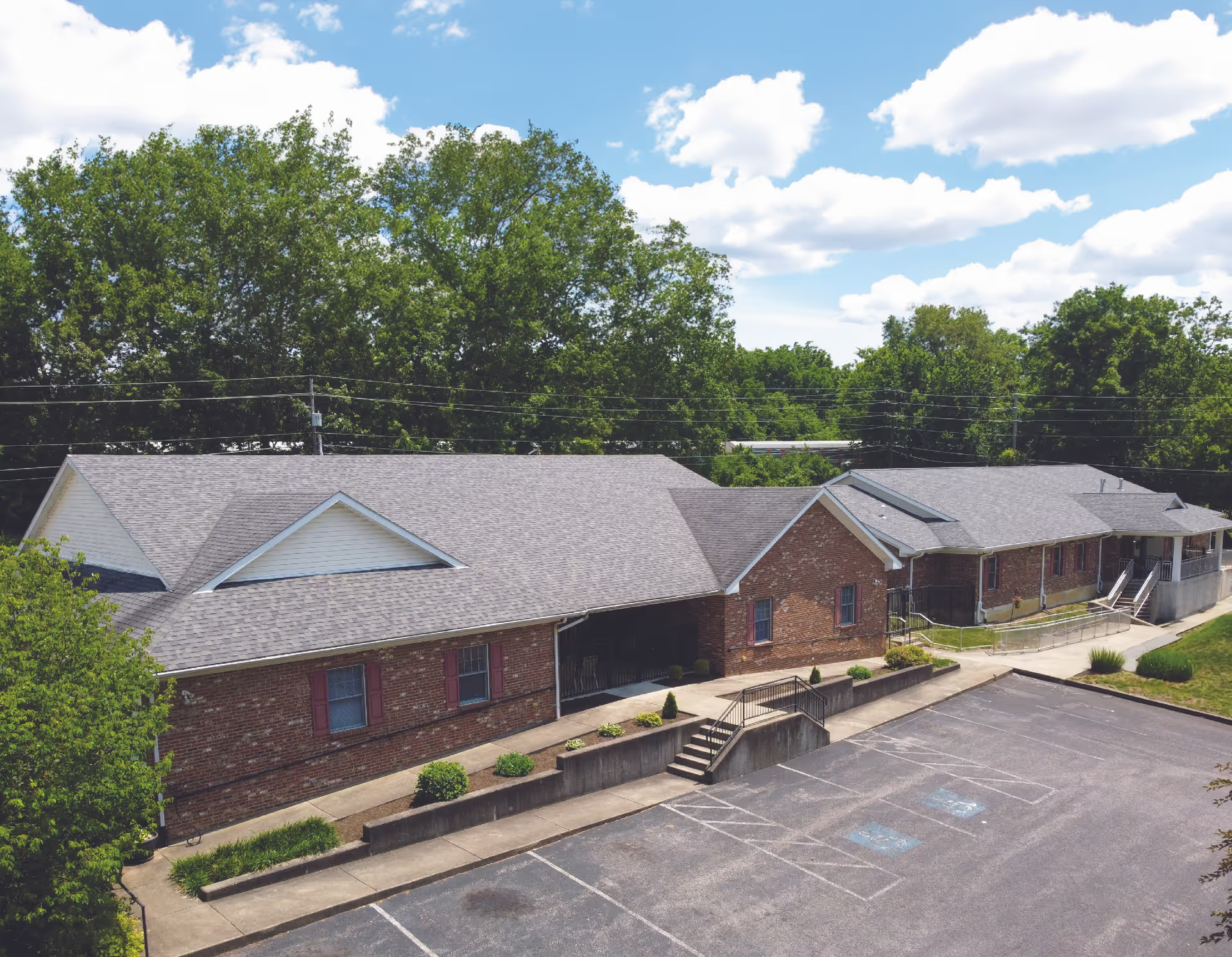
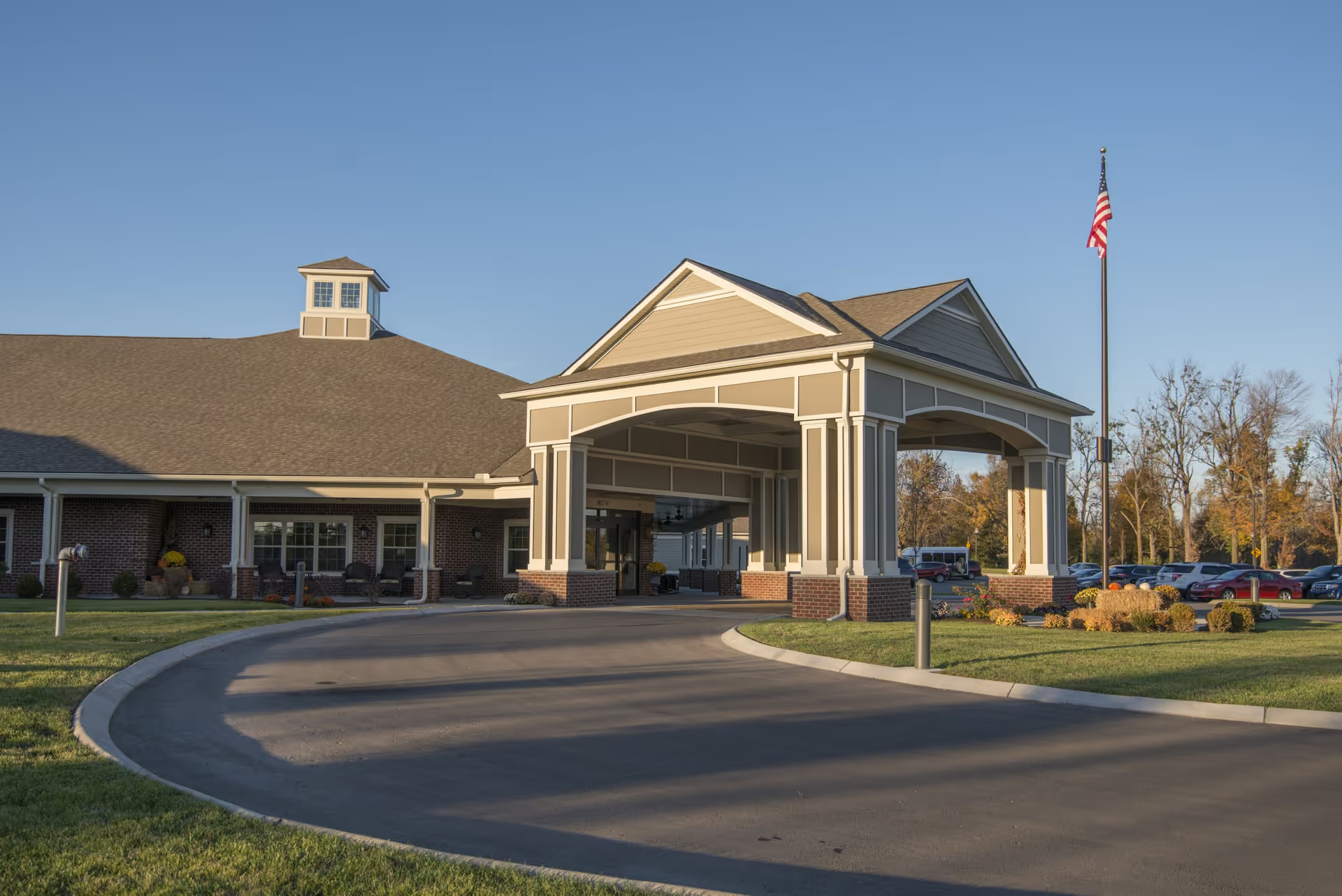
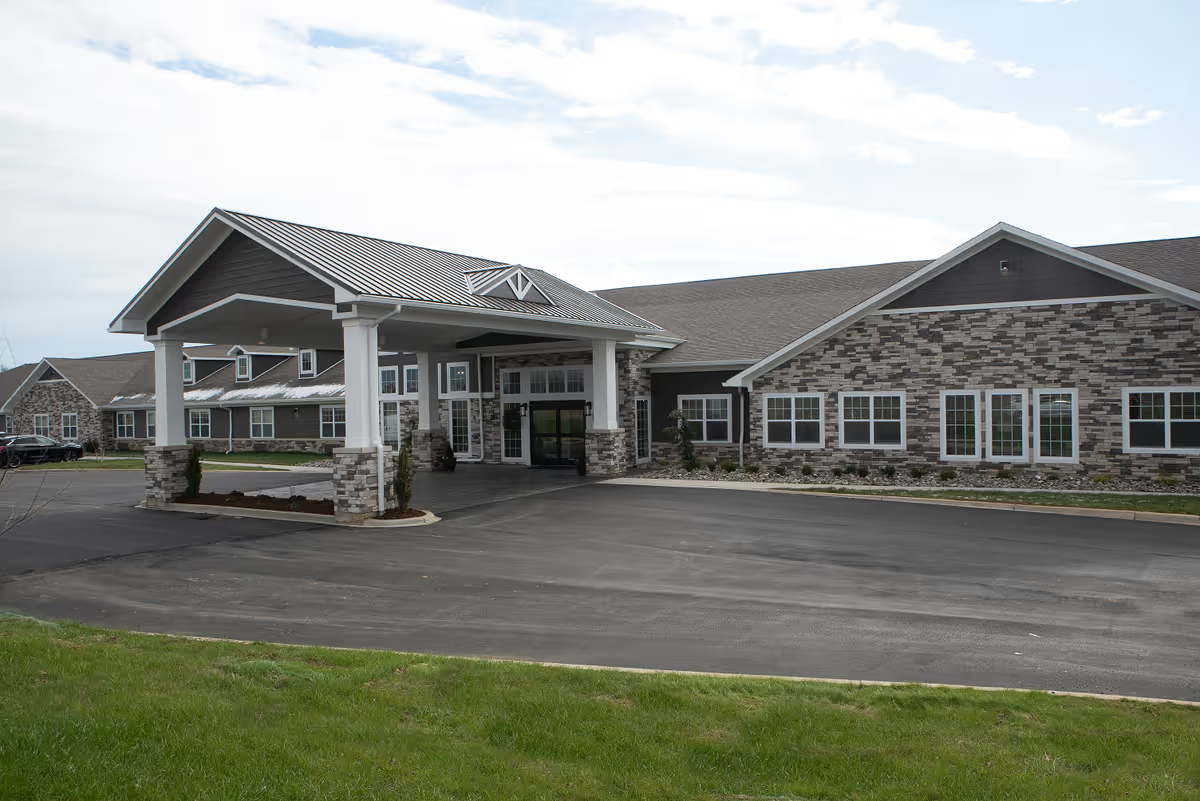
Facilities and sanitation: Descriptions of the physical environment are mixed. Some reviewers note freshly painted, clean communal areas and a welcoming atmosphere; others describe cleanliness issues, odor concerns, and isolated pest‑control problems. Reports also raise questions about environmental maintenance and equipment (for example, aging beds or inadequate side rails in specific instances). The combination of positive and negative facility comments suggests variability in housekeeping, maintenance, and pest control practices between units or shifts.
Management and notable patterns: Leadership and administration receive frequent praise for responsiveness, community engagement, and support for families, and the facility is described by some as a good workplace with strong teamwork. However, there are recurring operational themes that warrant attention: inconsistent sanitation controls, incontinence‑care delays, gaps in personal‑property management, and occasional lapses in clinical escalation. These are trait‑level concerns rather than single isolated incidents and suggest areas to probe during a tour or care discussion—examples include asking about staffing ratios, property‑management policies, clinical escalation protocols, and infection/pest‑control procedures.
Recommendation: Overall, Harrodsburg Health & Rehabilitation Center appears to offer strong therapy programs, a caring core of staff, and an active social environment, but experiences appear uneven across the facility. Families considering this center should observe unit cleanliness, ask for documentation of clinical escalation and staffing practices, review property‑management procedures, and speak with recent families about consistency of care to ensure alignment with the resident’s needs and expectations.