Overall impression: The collection of summaries portrays Daisy Hill Senior Living as a socially active, well-maintained community with a consistently praised caregiving culture. Family members and residents frequently describe staff and management as compassionate, approachable, and engaged; these interpersonal strengths are cited as central to resident well-being and family confidence. Cleanliness, a home-like atmosphere, and a calendar full of social, musical, and religious events contribute to a lively campus culture that many describe as feeling like “home.”
Care and staff: Care quality is overwhelmingly framed as a strength. Staff are characterized as kind, attentive, and willing to go above and beyond; managers and directors are described as accessible and communicative. The community also emphasizes coordination with outside providers and home-health agencies, and 24/7 staffing availability is noted. That said, there are recurring concerns about consistency in staff professionalism and communication tone in some interactions, and commenters call attention to specific communication shortfalls such as an unresponsive phone system or reception gaps.
Dining and activities: Activities are a clear highlight — programs include music, bingo, reading groups, happy hours, lunch outings, religious and musical events, and frequent entertainment. These offerings support social engagement and family satisfaction. Dining impressions are mixed: several accounts praise the chef and dining options and call out convenient meal reminders and outings, while others mention limited menu variety and inconsistency in food quality. Prospective residents should expect an active social program but be prepared for variation in meal experience.
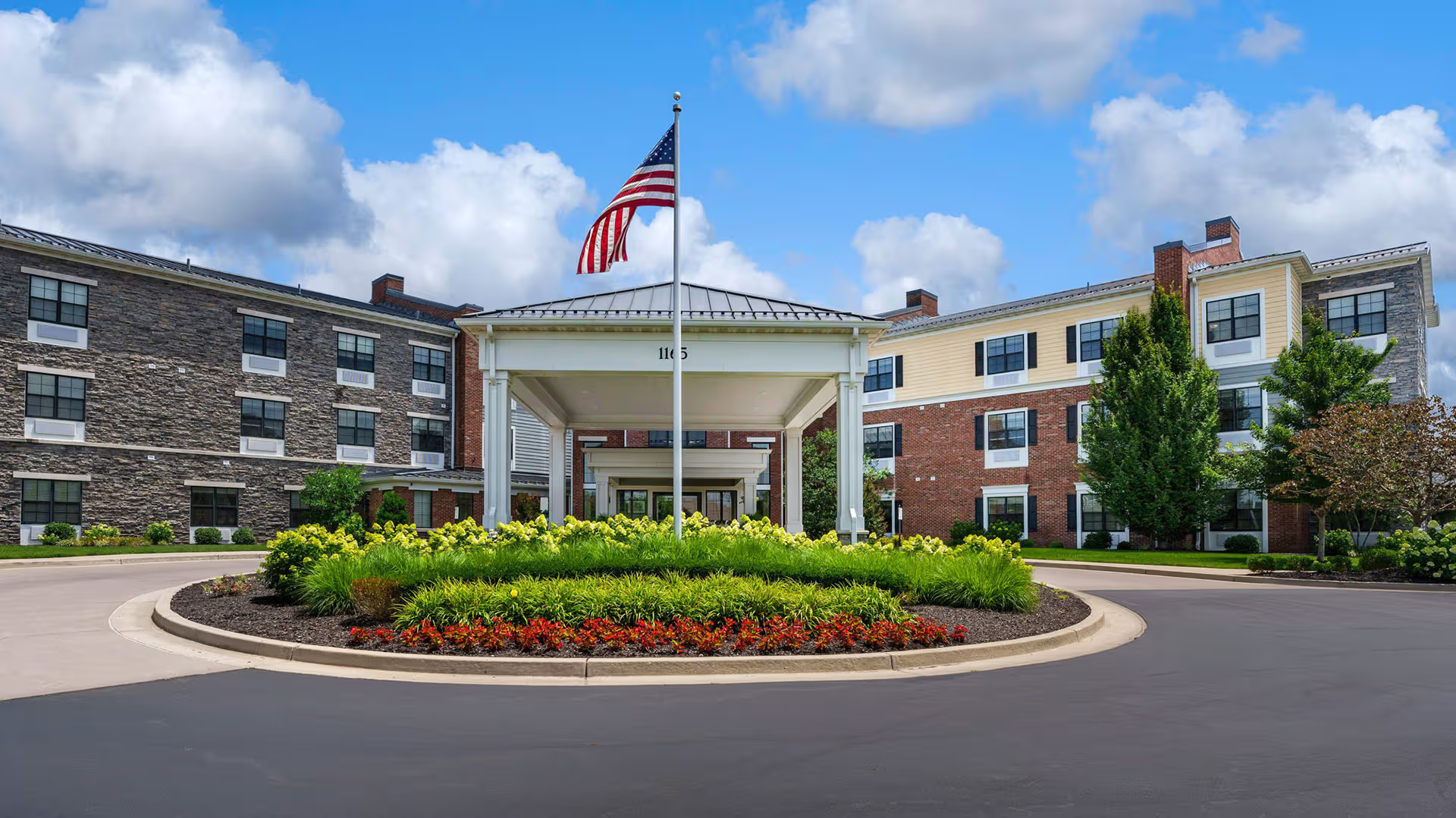
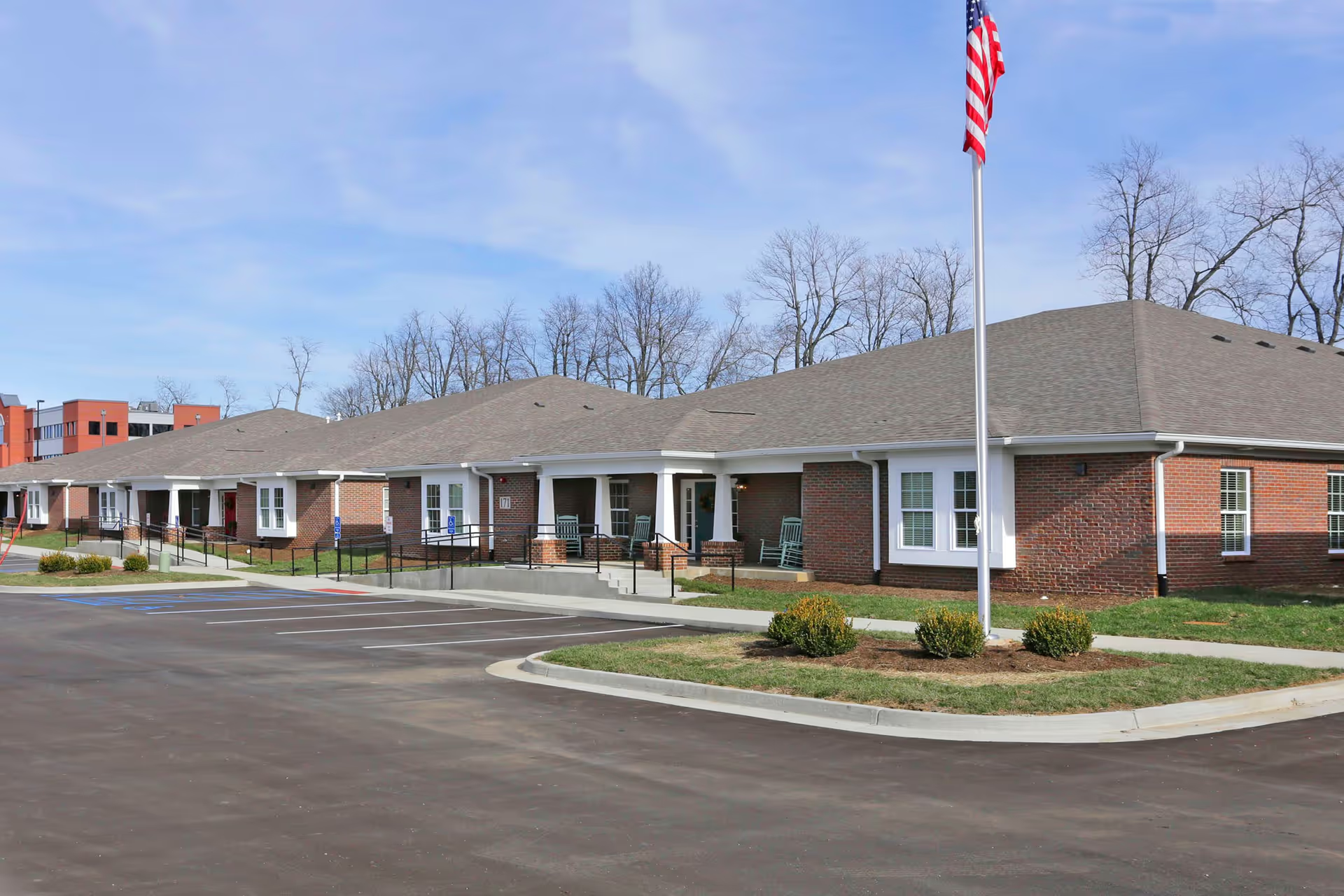
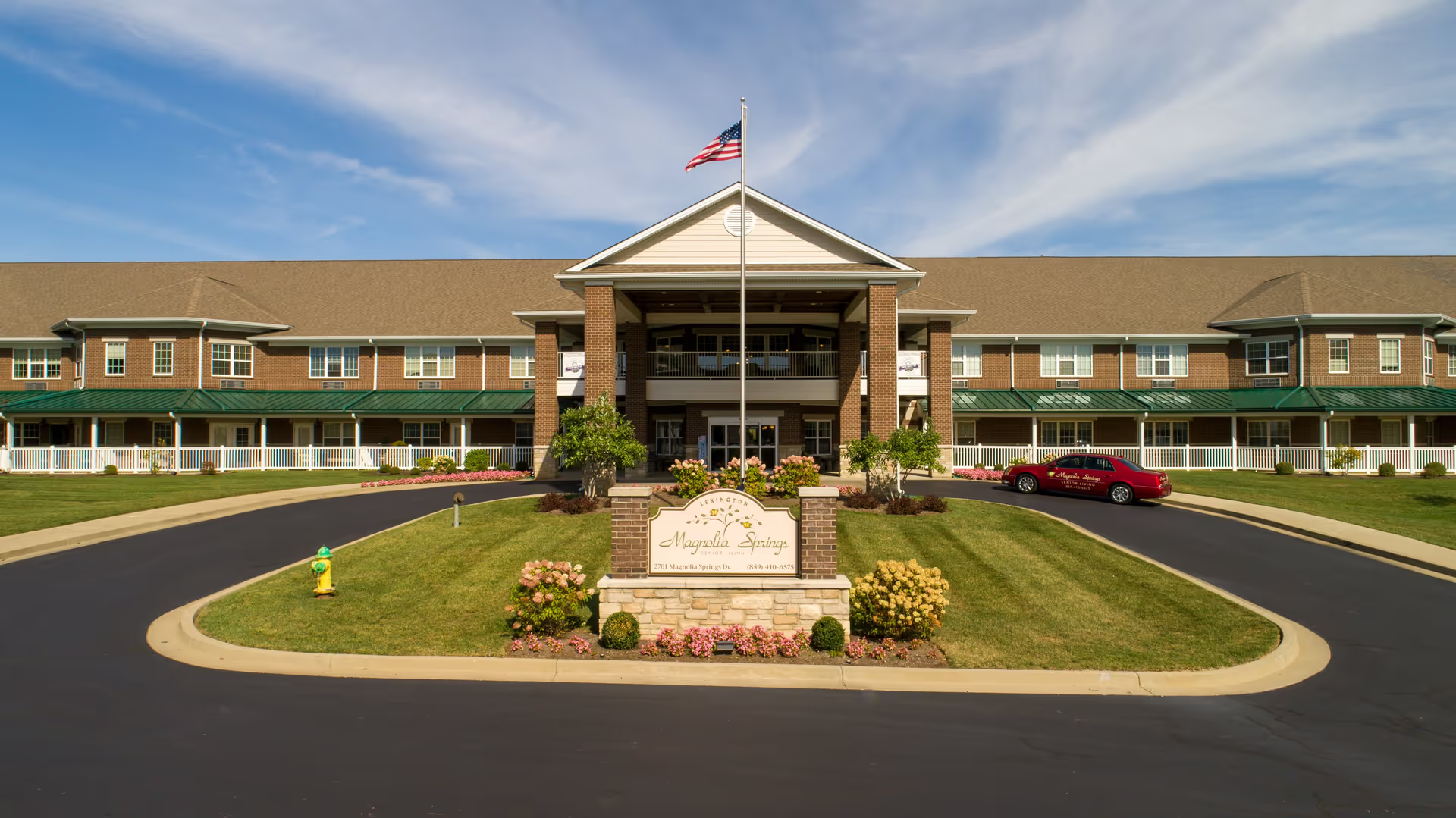
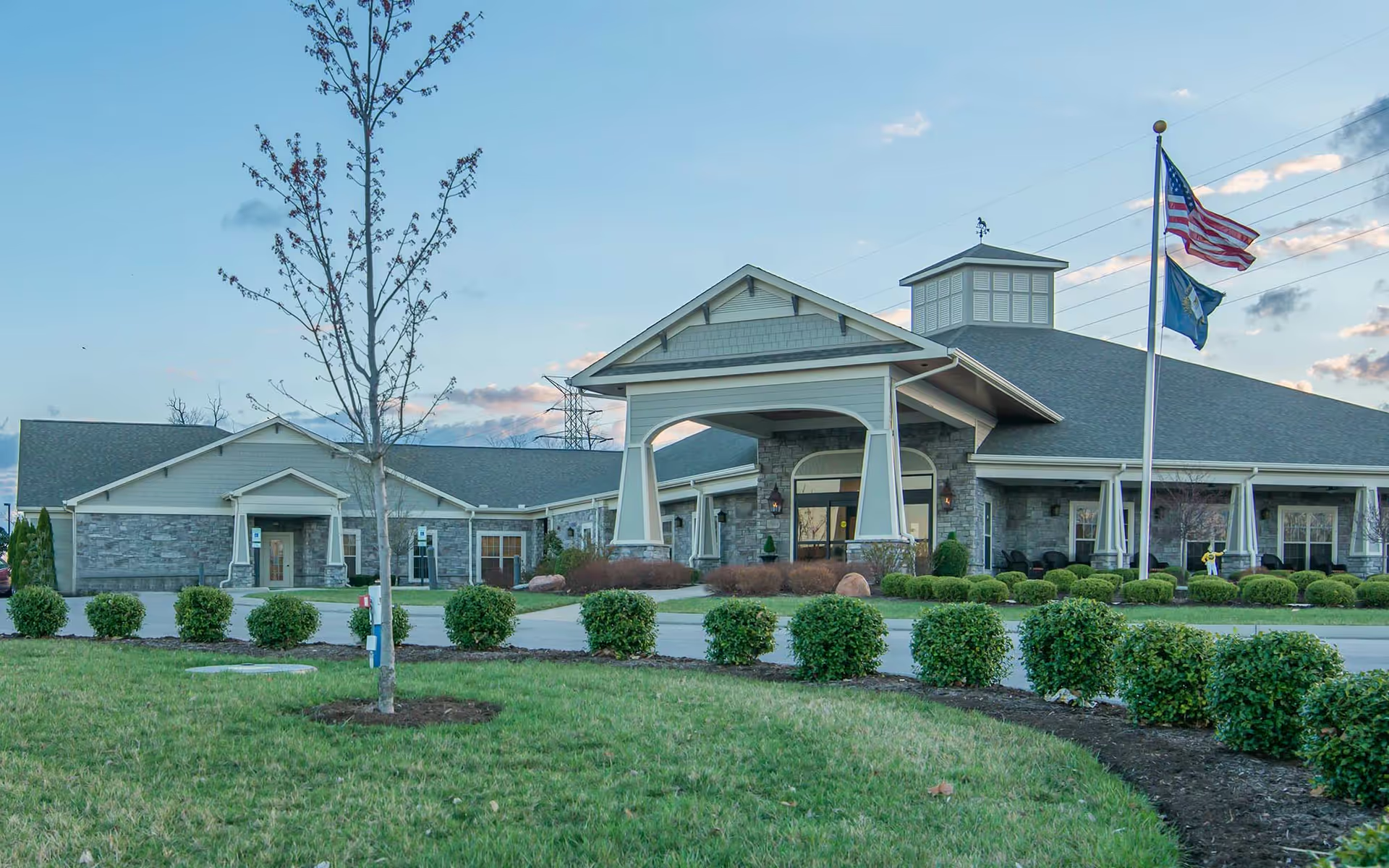
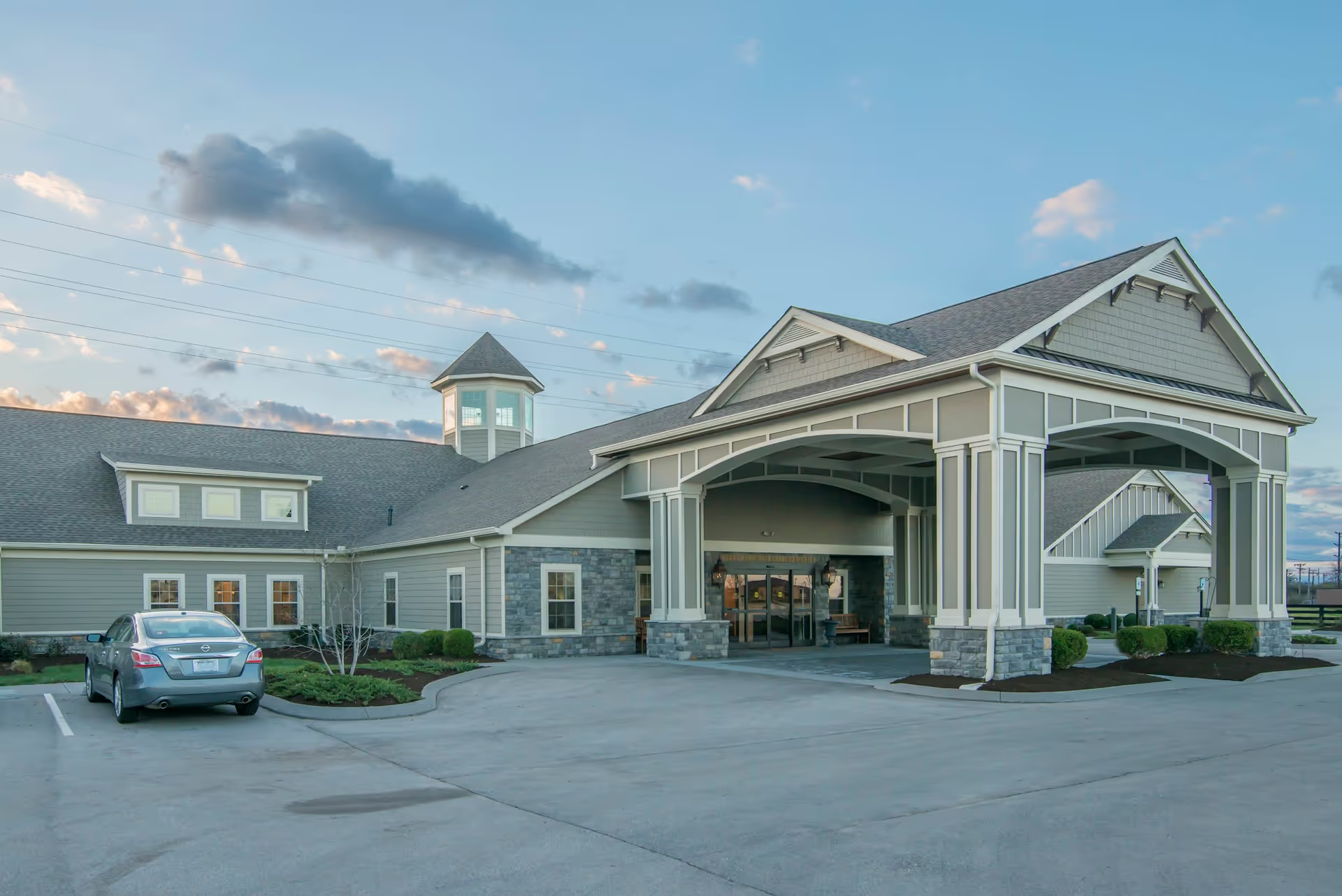
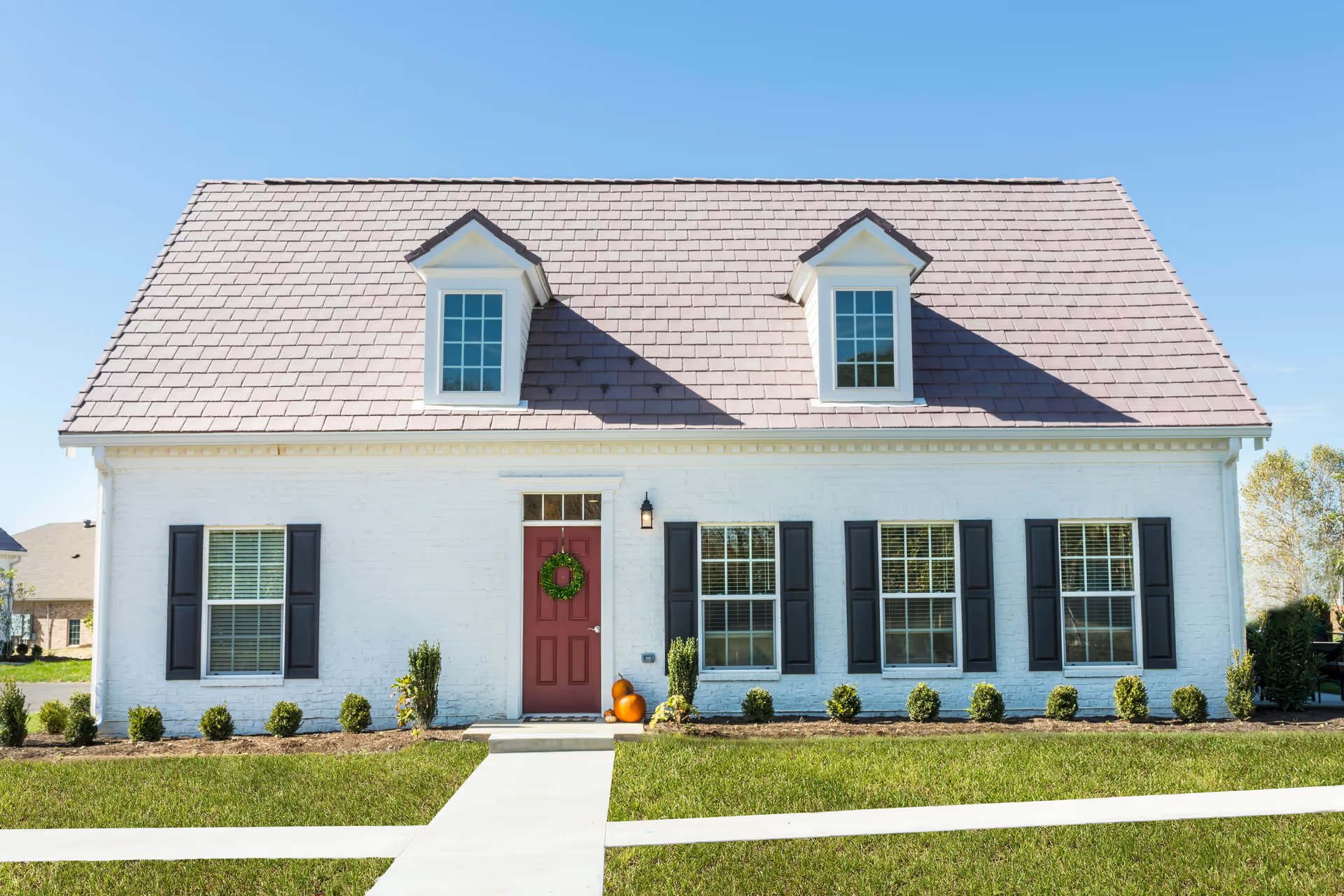
Facilities and residences: The physical environment receives positive notes for cleanliness, bright common areas, screened-in porches, and apartment-like units. There is variability, however, in unit size and finish — some apartments are described as spacious and apartment-like with porches, while others are characterized as nondescript with basic kitchenettes. Newer villa options are described as pet-friendly and more complete. The campus is undergoing construction in places and is situated in a more isolated location, which some reviewers say affects accessibility.
Management and operational patterns: Management is generally portrayed positively for responsiveness and family communication, though there are repeated mentions of operational weaknesses that prospective residents should review: phone-system responsiveness, occasional leadership and housekeeping consistency concerns, and additional fees for communication bundles. Clinical-service limitations are also a consistent theme — the community relies on outside providers and home-health agencies rather than offering comprehensive on-site medical nursing, and several comments highlight limited visible nursing presence on the memory-care side.
Notable patterns and practical implications: The dominant pattern is strong interpersonal care and an active social environment that families value highly. The most common operational negatives relate to dining consistency, communication systems, variable unit finishes, and limited on-site clinical nursing. For prospective residents and families, useful points to verify during a tour include current dining menus and sample meals, exact clinical and memory-care nursing availability, the fee schedule for ancillary services, unit floor plans/finishes, and current construction timelines. These checks will help align expectations with the strengths — particularly the well-regarded staff and social programming — and the identified limitations.