Magnolia Springs Lexington receives widespread praise for its caregiving culture, campus amenities, and social programming. Many families and residents describe a warm, family-like atmosphere driven by compassionate staff who learn residents’ names and routines. Nursing and caregiving are frequently characterized as personalized and responsive; reviewers cite prompt call-button response, attentive meal assistance, and hands-on therapy services that support rehabilitation and range-of-motion improvements. The community’s memory-care and assisted-living offerings are seen as a strength when residents’ needs align with the facility’s clinical scope.
Dining and activities are consistent high points. The culinary department is commonly described as high-quality and varied, with chef-prepared meals, snacks, and special dining options. Programming is broad: daily activities, outings, themed events (e.g., dances, Fall Ball), exercise classes, arts, and social groups contribute to an active social life. On-site amenities — theatre, salon, chapel, fitness center, sunrooms, outdoor walking areas, and private dining rooms — support both social engagement and family visits. Transportation services and chauffeured outings further extend resident options.
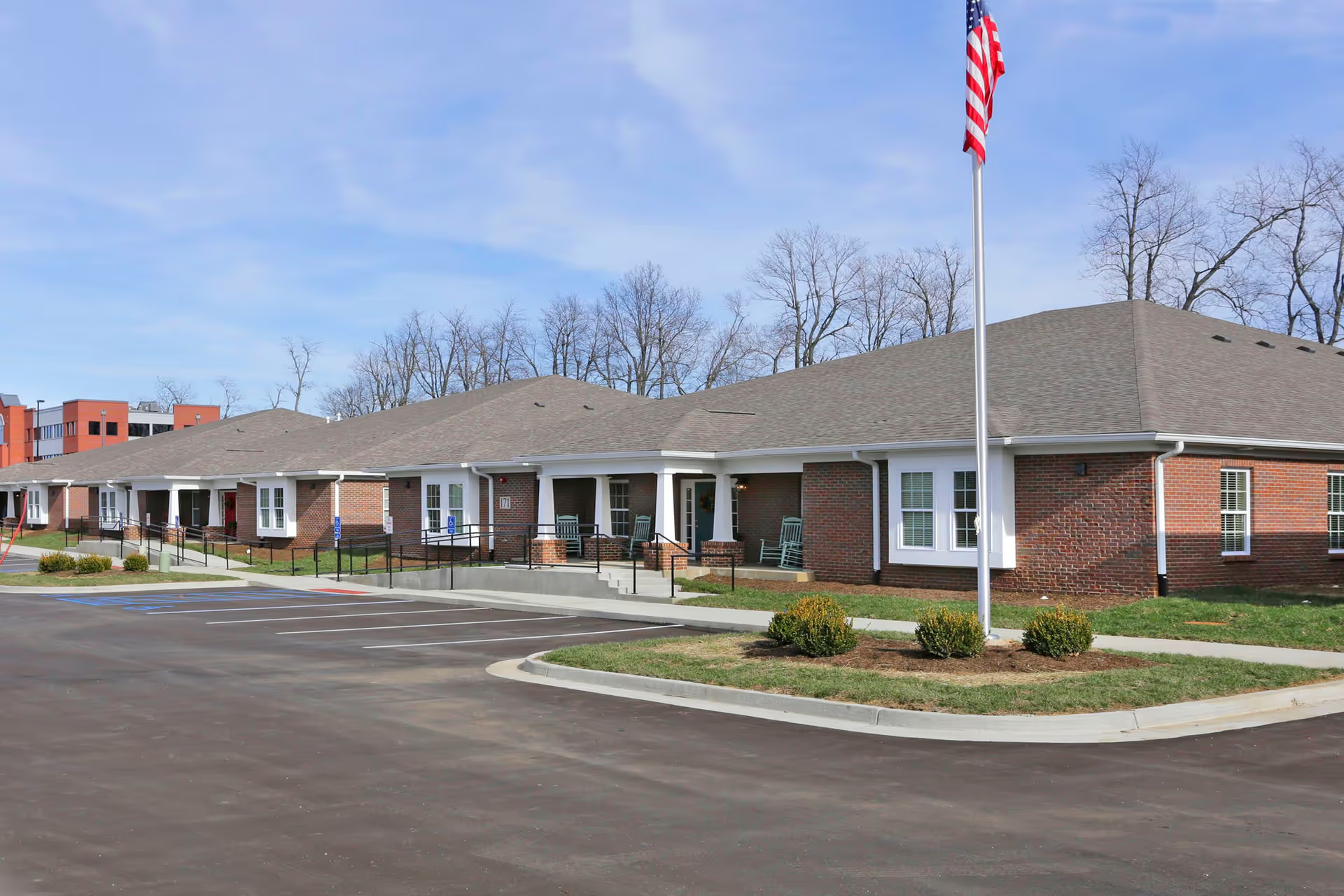
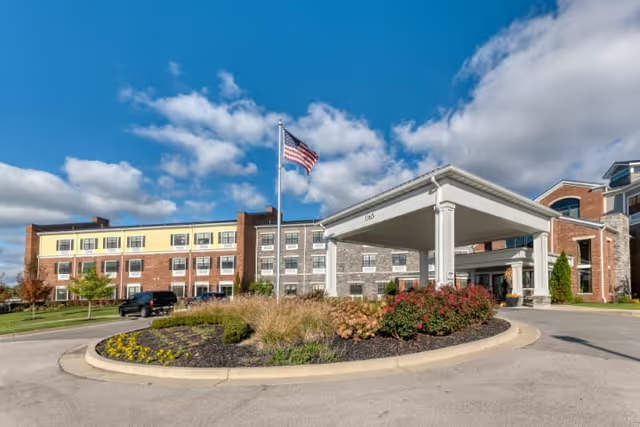
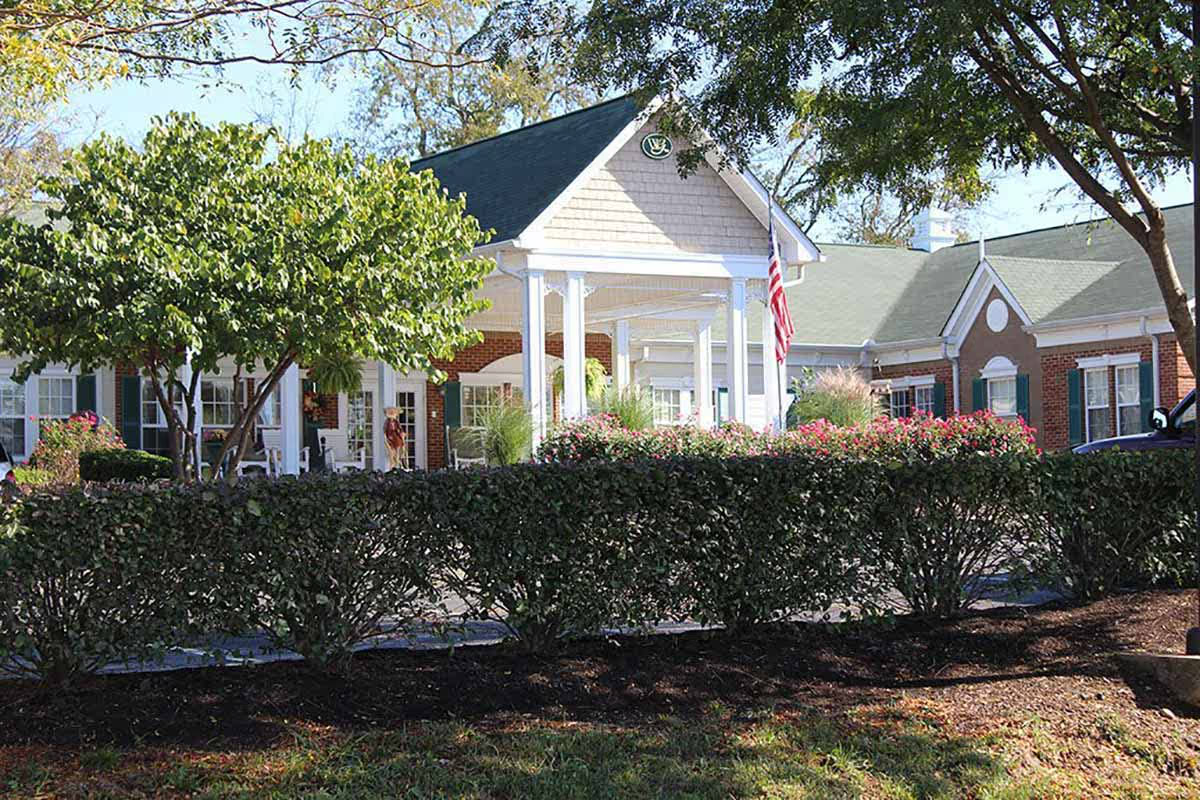
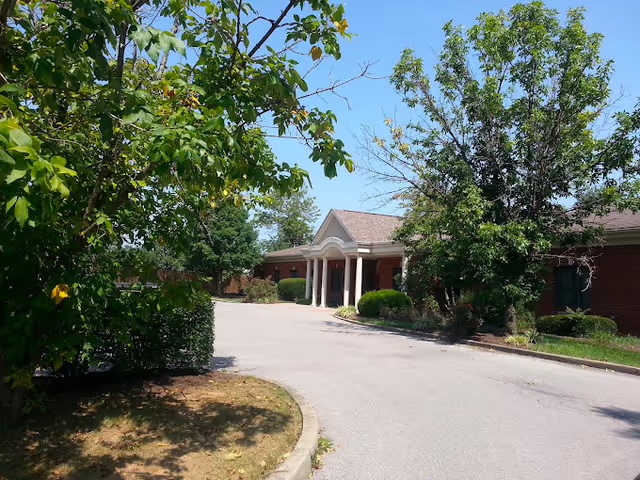
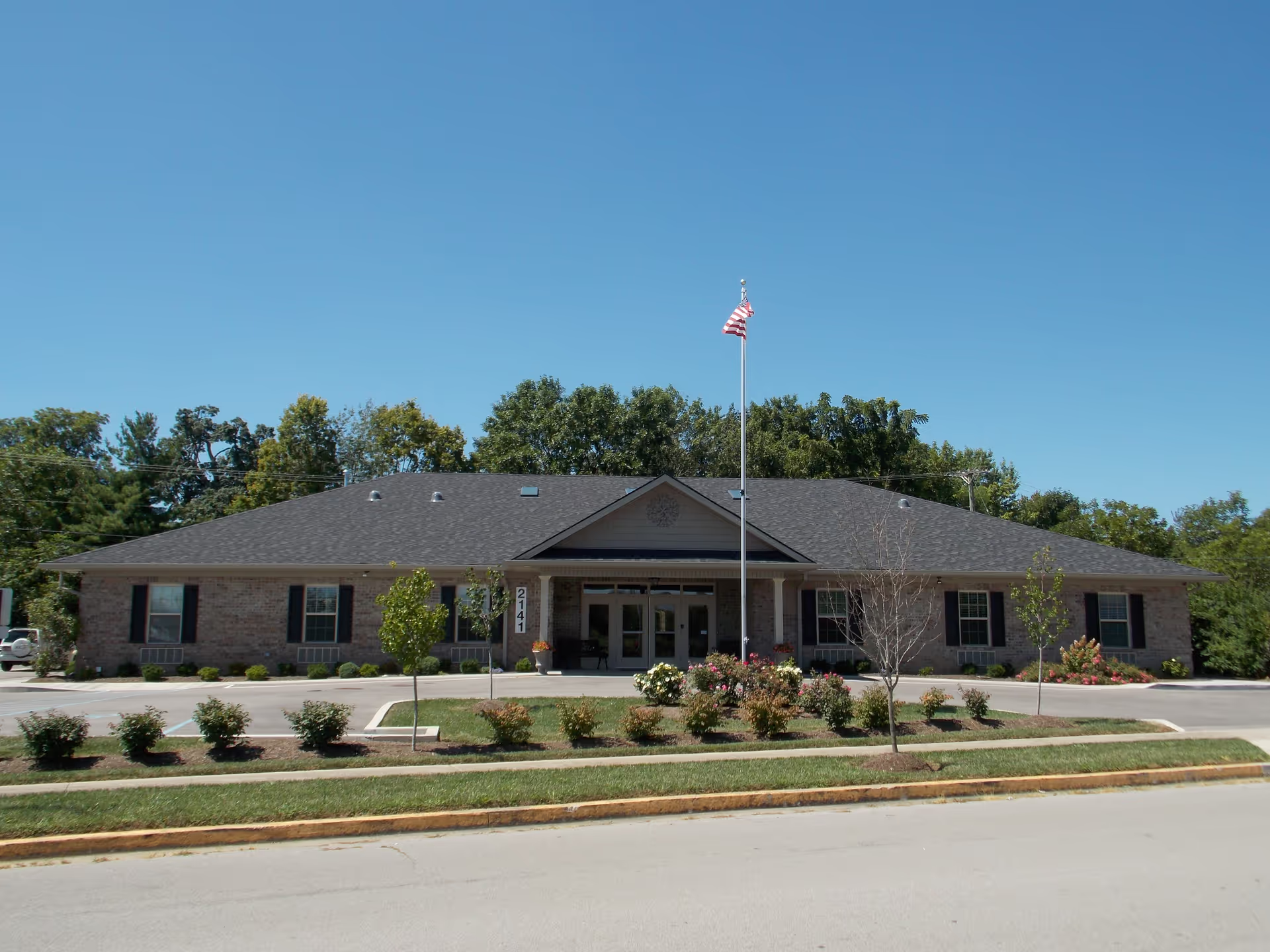
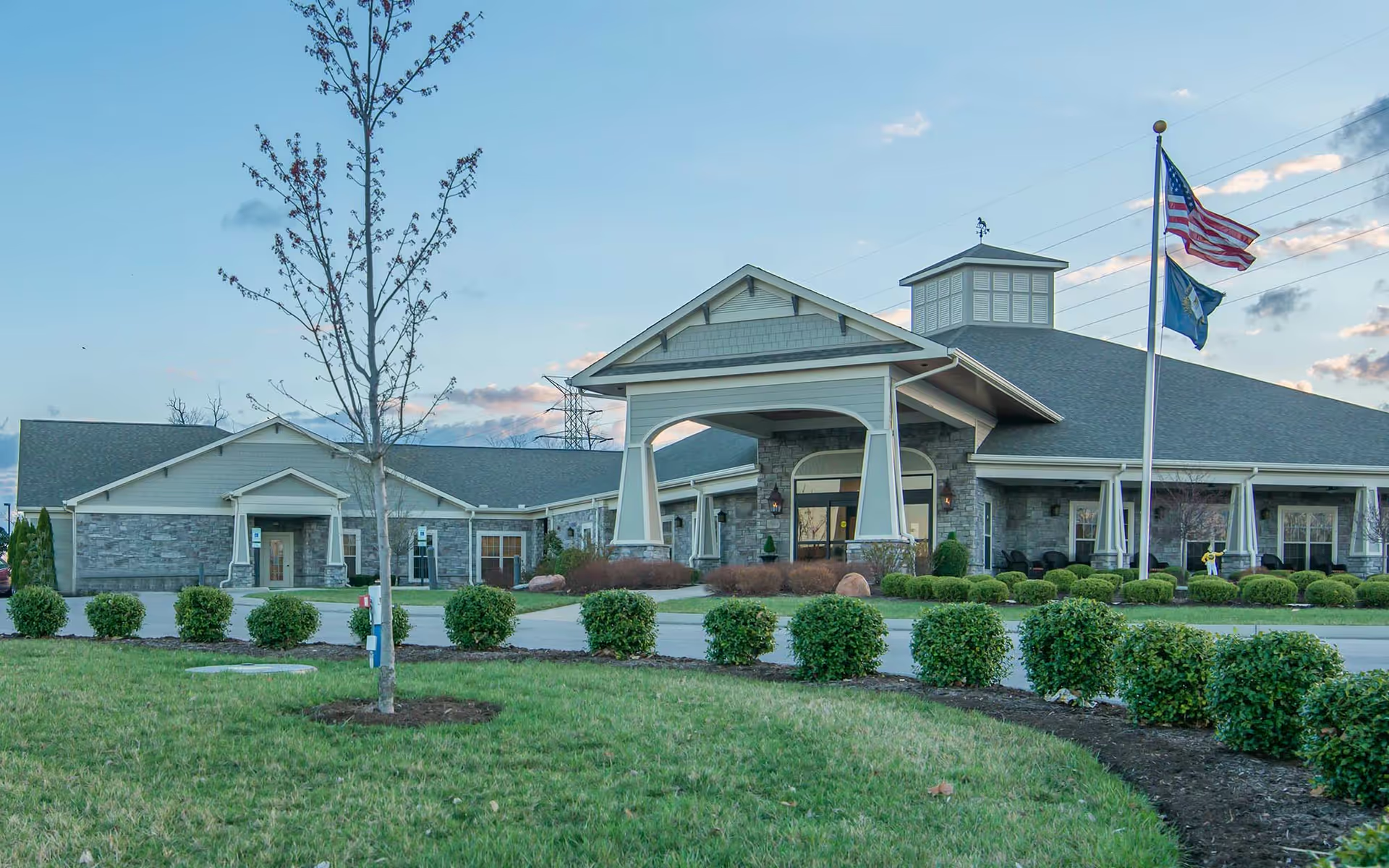
The physical facility is generally described as attractive, clean, and well-maintained, creating a resort-like or high-end feel for many residents. Management and community-relations staff are often noted as helpful during move-in transitions and for ongoing family communication; long-tenured leadership and engaged directors are mentioned as contributing to operational consistency and resident satisfaction.
Despite the predominantly positive feedback, a set of recurring operational concerns appears across reviews. Several families described sanitation and housekeeping inconsistencies, and a small number of accounts raised incontinence-care concerns; both items suggest variability in day-to-day caregiving and environmental maintenance. There are isolated but consequential maintenance and utility issues (for example, temporary loss of hot water) that point to gaps in service continuity. Laundry-quality problems and uneven laundry controls were also noted. Staffing variability and turnover are mentioned as factors that can affect continuity of care and communication.
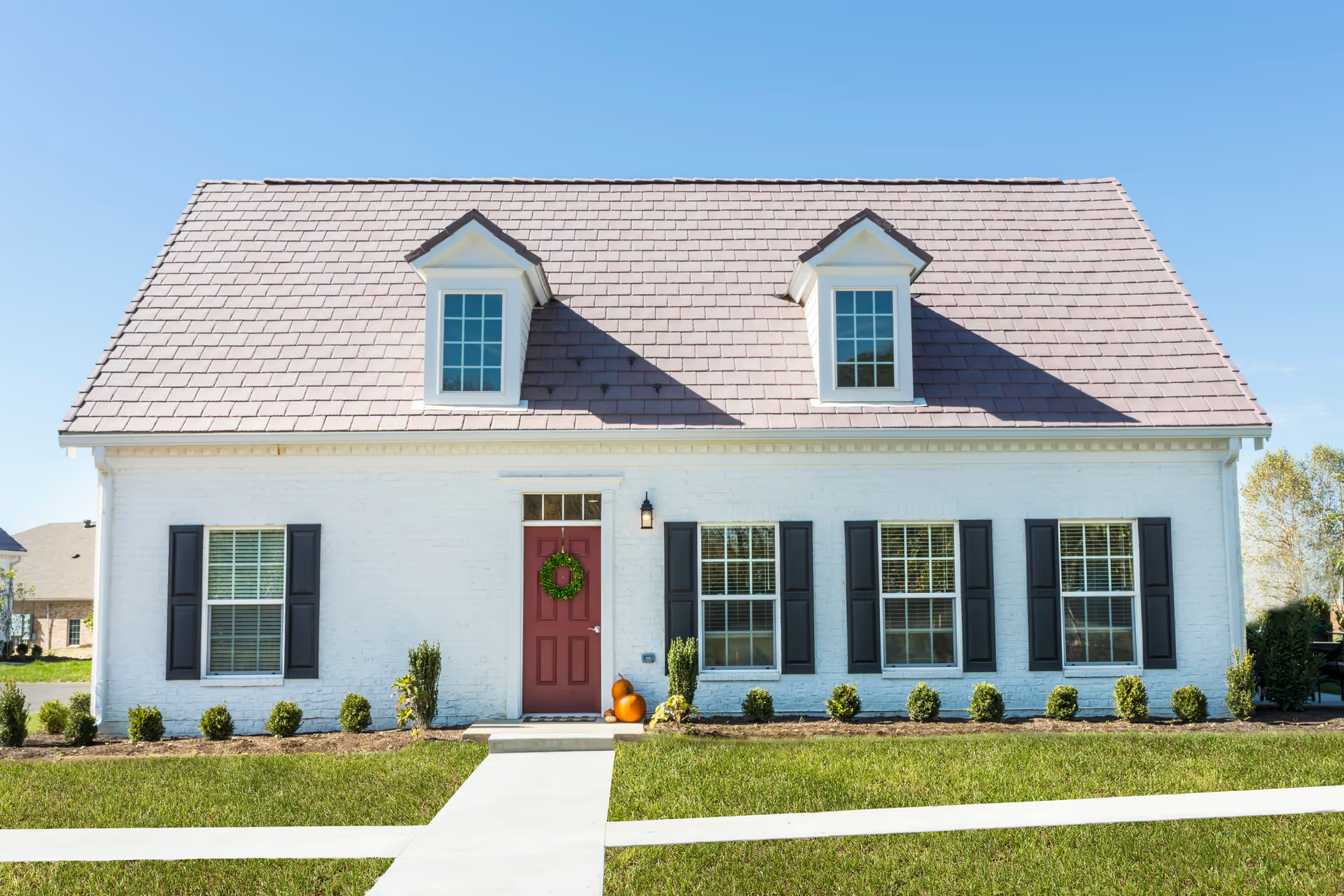
Communication strengths are prominent, but reviewers also described gaps in clinical communication—particularly involving coordination with outside providers or timely family notification of medication and clinical changes. Billing and fee disclosures were questioned in a few cases, indicating an opportunity for clearer upfront financial transparency. Finally, while many residents appreciate the community’s scale and amenities, others noted that unit size or an occasionally institutional feel made parts of the campus feel less home-like for certain preferences.
Overall, Magnolia Springs Lexington is frequently recommended for prospective residents who value an active social program, strong culinary offerings, and a visibly caring staff. Prospective families should weigh those strengths against the operational traits listed above: inquire specifically about housekeeping and incontinence-care protocols, utility-maintenance contingency plans, laundry processes, staffing continuity, high-acuity clinical capabilities, and the community’s fee disclosure practices during the touring and contracting process.