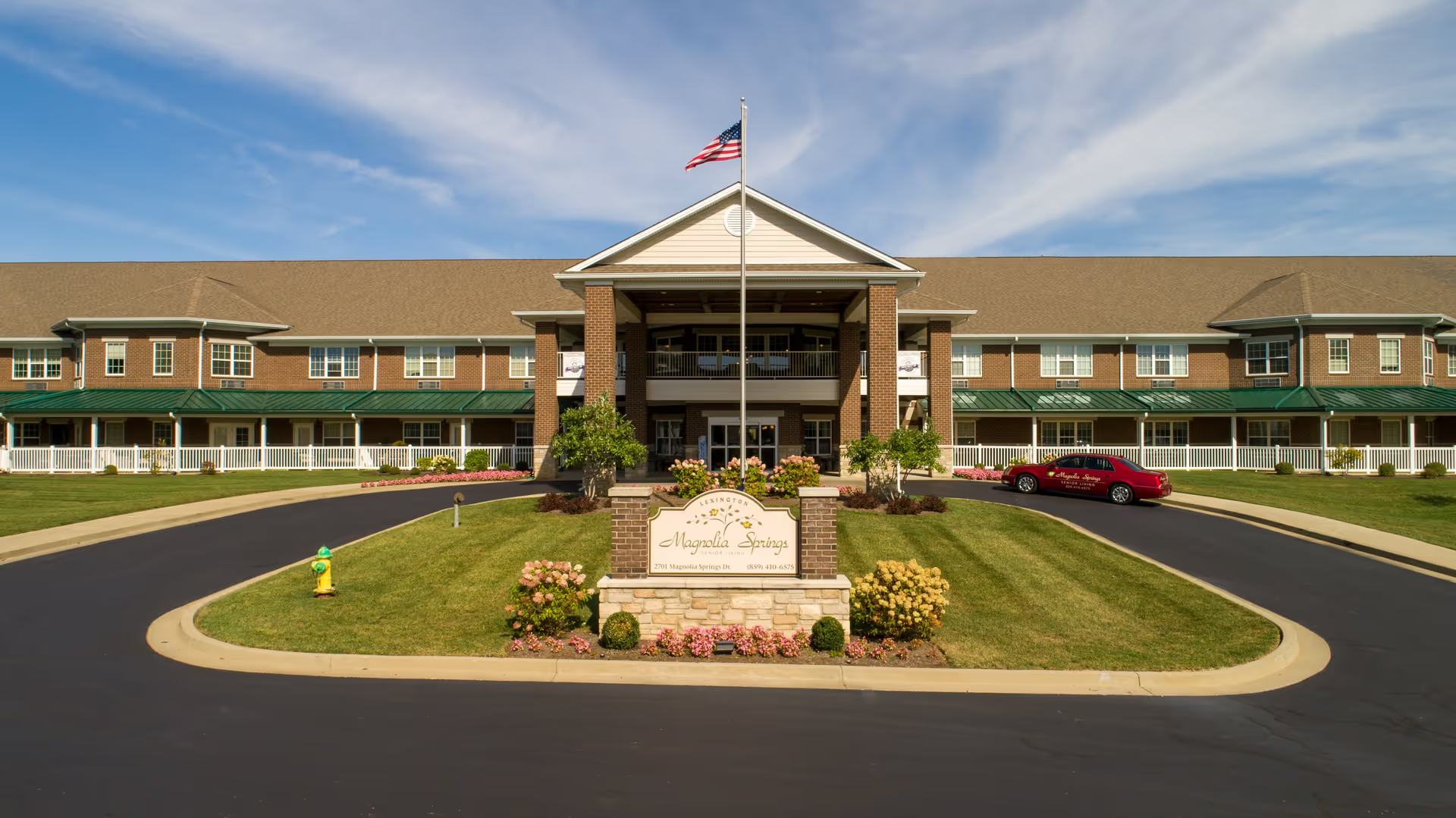
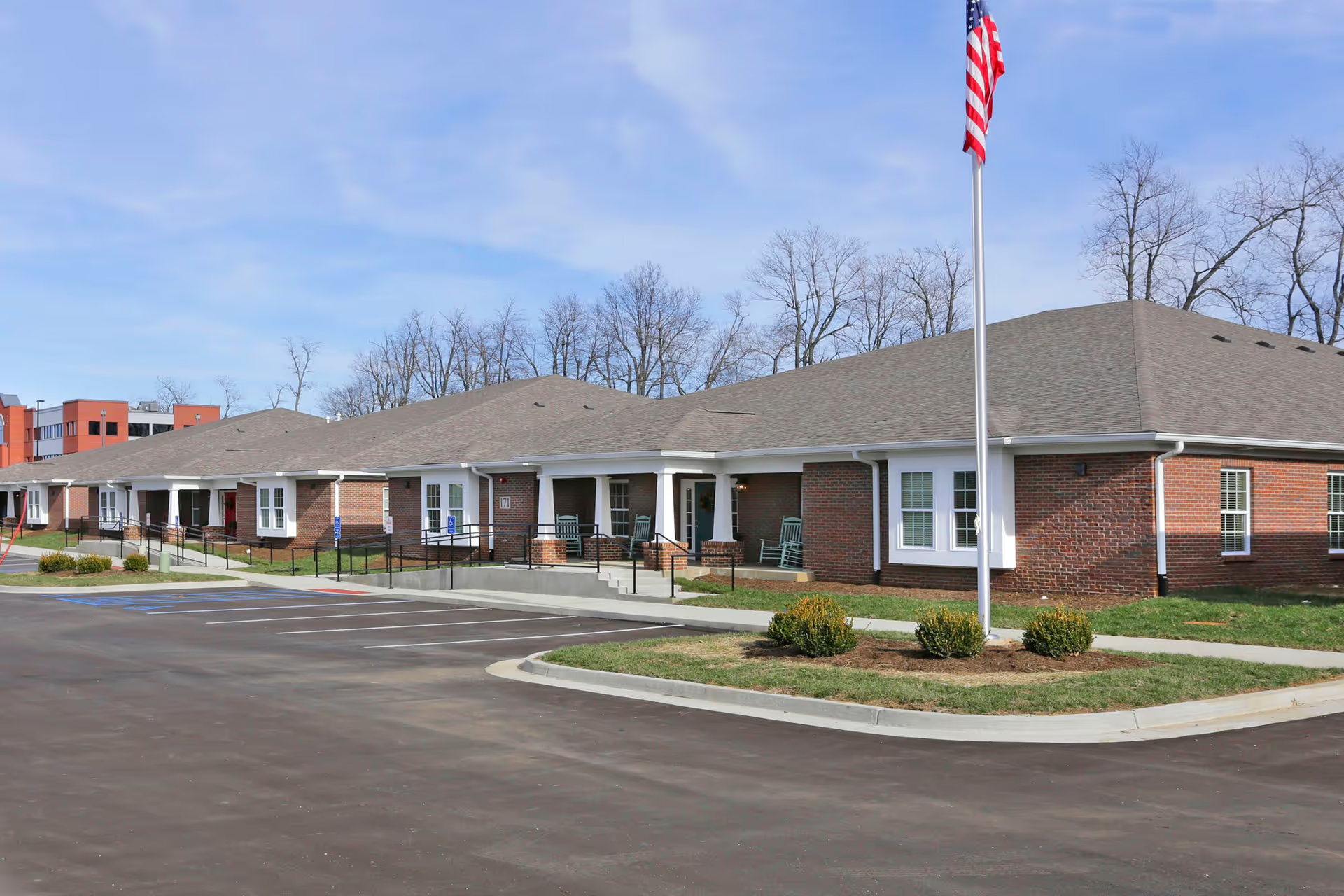
Windsor Gardens presents a mixed but actionable profile. Many accounts emphasize a strong, compassionate caregiving culture: staff are frequently described as attentive, friendly, and willing to go beyond routine duties. The community benefits from an active activities program, on-site therapy services, transportation to appointments, and recreational amenities such as a pool and a newer cafeteria. Facility condition varies by area and unit—several spaces have been recently refurbished with bright, updated décor, while other wings show older construction and smaller rooms.
Care quality and staff conduct are highlighted as core strengths by numerous families. Reviews note engaged nurses, involved activities staff, and memory-care teams with clinical leadership. Physical- and occupational-therapy services were cited as helpful in restoring independence for some residents. At the same time, reviewers raised operational concerns: medication-administration practices, including documentation and accountability, were repeatedly described as problematic in certain instances. There are also comments about variability in staff availability and occasional training needs; prospective families should confirm staffing levels, medication protocols, and training procedures directly with leadership.
Dining and housekeeping assessments are mixed. Many reviewers praised cleanliness and regular upkeep; others appreciated recent carpet and wall replacements. Meal service received polarized feedback—some residents and families described satisfactory meals and plentiful options, while others reported food delivered cold or of poor quality. Renovation activity and dining-area work were also mentioned as causing temporary disruptions; visitors may wish to sample a meal and ask about current kitchen operations during a tour.
Activity programming is a relative strength, with an active calendar, a visible activity board, and an engaged activities director in many reports. That said, a slower pace or limited programming was noted in certain units, and availability can vary between neighborhoods (general, assisted living, memory care). Facilities combine newer, bright units and amenities with older wings that can have smaller common spaces, fewer windows, and accessibility features that may be limited (for example, step-in shower thresholds). Families should assess specific unit layouts and accessibility if mobility is a concern.
Management and admissions impressions are generally warm at the point of tour, but reviewers identified occasional administrative disorganization and communication gaps. There are mentions of fee structures (including a nonrefundable deposit) and periodic price increases; verify contract terms and fee schedules in writing. Notable operational risks that emerged across reviews include medication-administration controls, inconsistent meal delivery, variable responsiveness, and occasional privacy/process lapses (for example, staff access to resident rooms procedures).
For prospective residents and families: prioritize an in-person visit that includes a meal, a review of medication-administration and documentation practices, clarification on staffing ratios and on-call procedures, and inspection of the specific unit for light, layout, and accessibility. Ask for the current renovation schedule and any temporary service impacts, and request copies of admission agreements and dining/medication policies before committing. These steps will help align expectations with the facility’s mix of strong caregiving culture and operational variability.