Reviews are predominantly positive, with families describing effective care across skilled nursing, personal care, respite, and rehabilitation. Several accounts credit nursing and therapy staff with helping residents regain strength and mobility after illness or hospitalization. One family described a transition from skilled nursing to personal care as a positive step in a loved one's recovery, and another described supportive end-of-life care. A separate critical review questioned whether the facility is a good fit for residents who are not ambulatory, so families should ask specifically about mobility support, transfer assistance, and care needs during a tour.
Staff are frequently characterized as warm, compassionate, knowledgeable, and attentive. Families describe staff members as approachable and willing to help, with some noting that leadership is visible in resident care and responsive to requests. However, staffing capacity is a recurring concern in a small set of accounts: one family described delays in call-button response, while another observed that staffing seemed stretched during a transition period. One family also raised concerns about the executive director's communication tone and follow-through, contrasting with other reviews that praised management. Prospective residents and families may wish to discuss staffing coverage, response expectations, and how concerns are escalated.
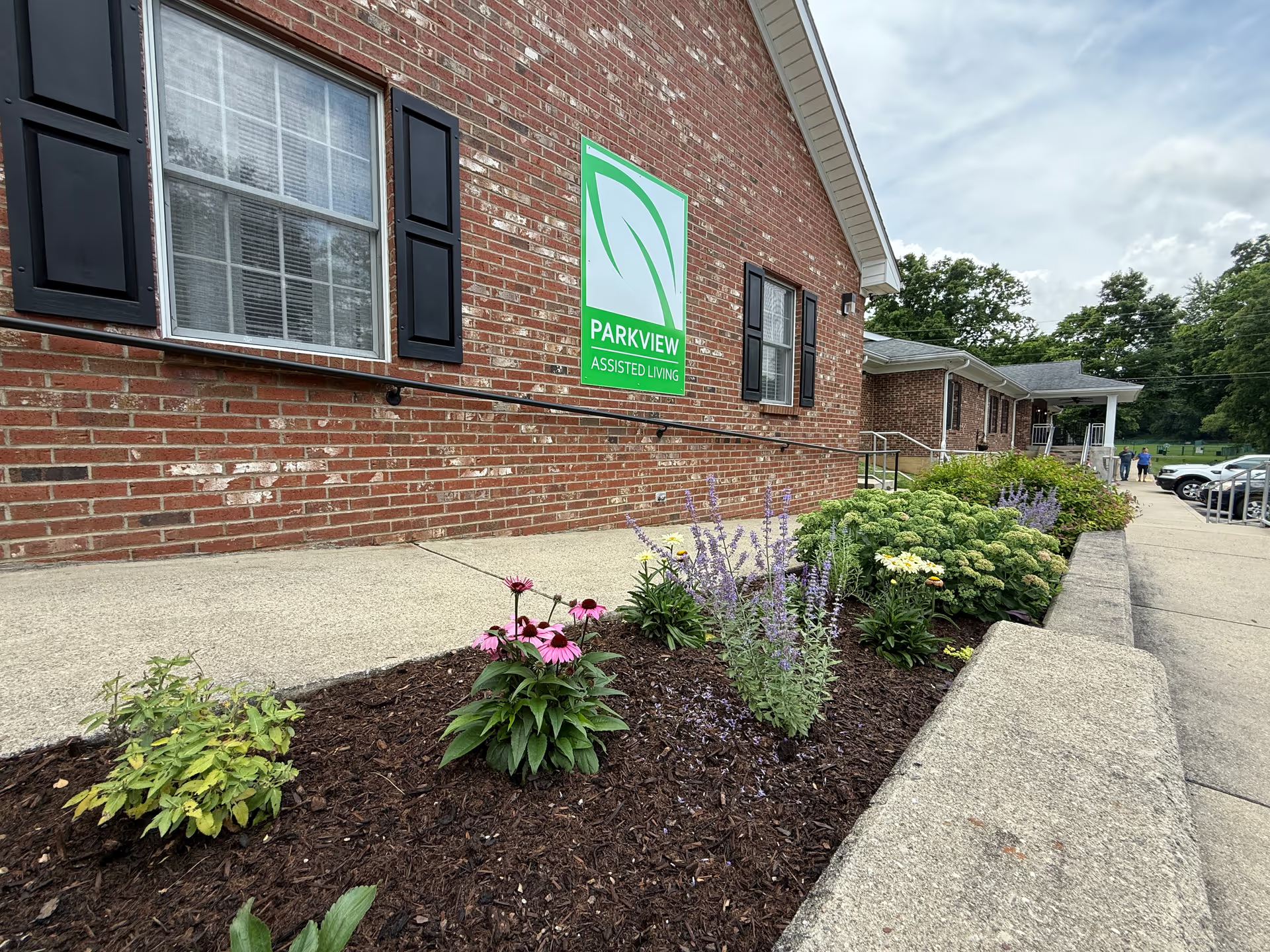
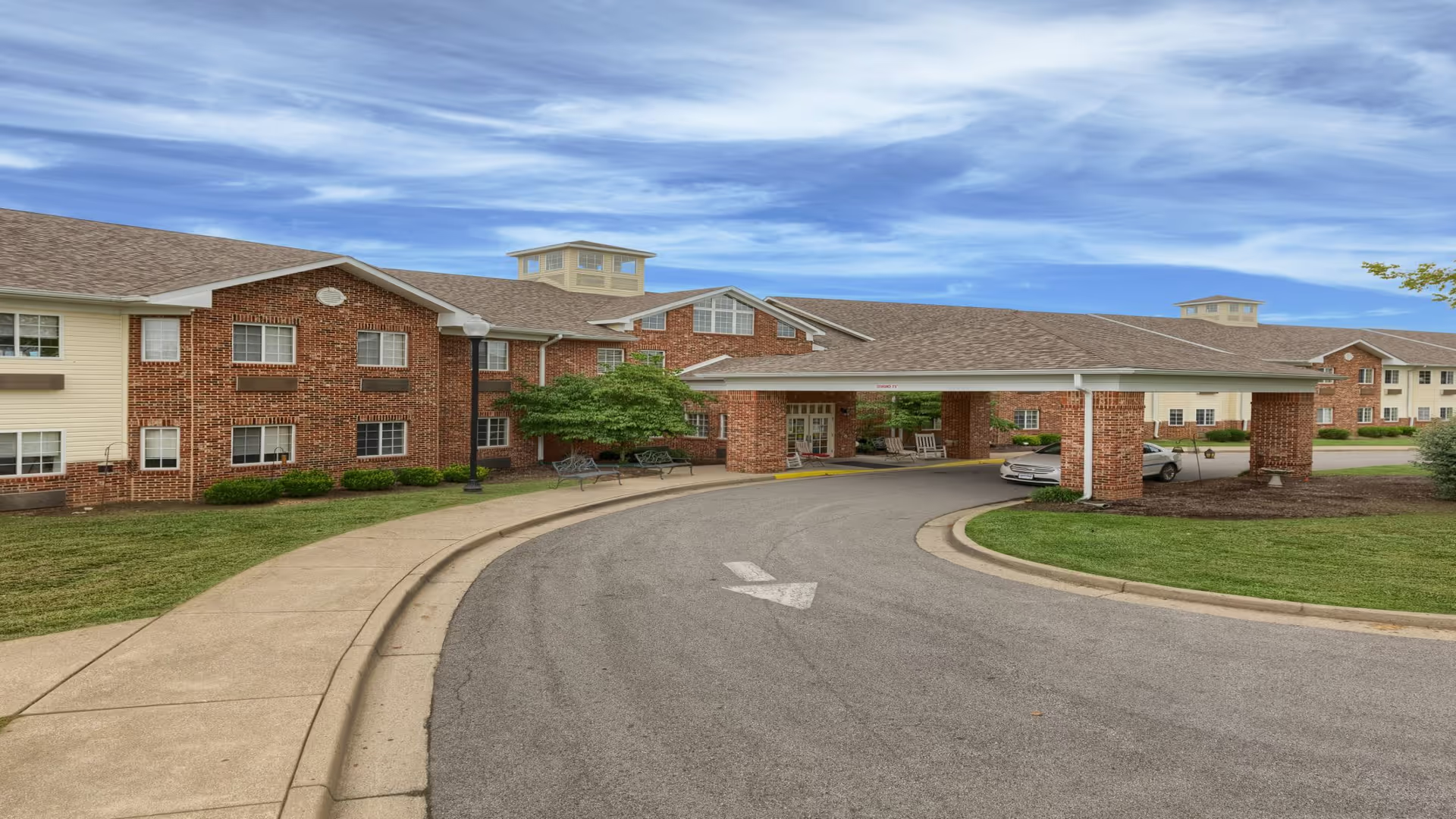
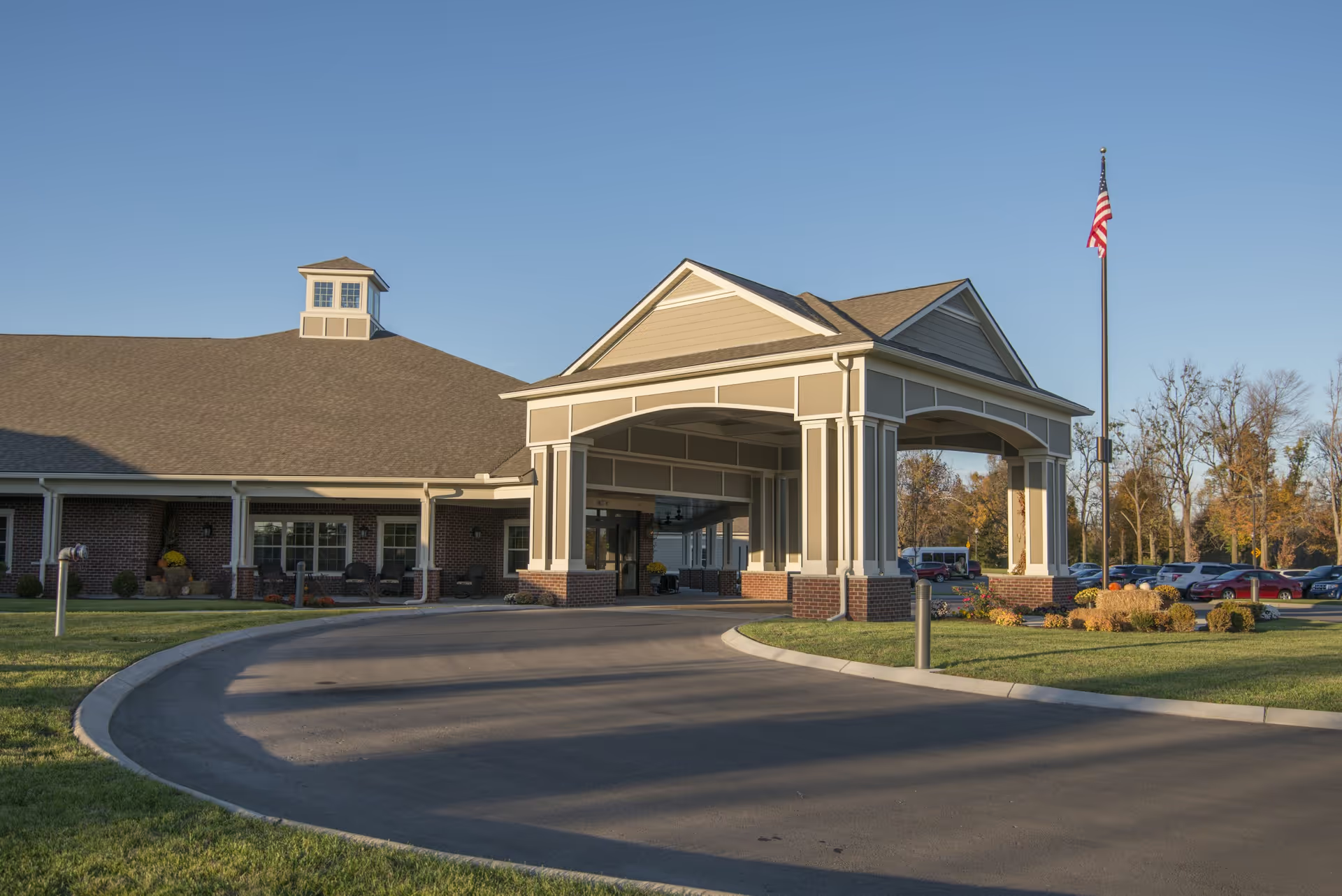
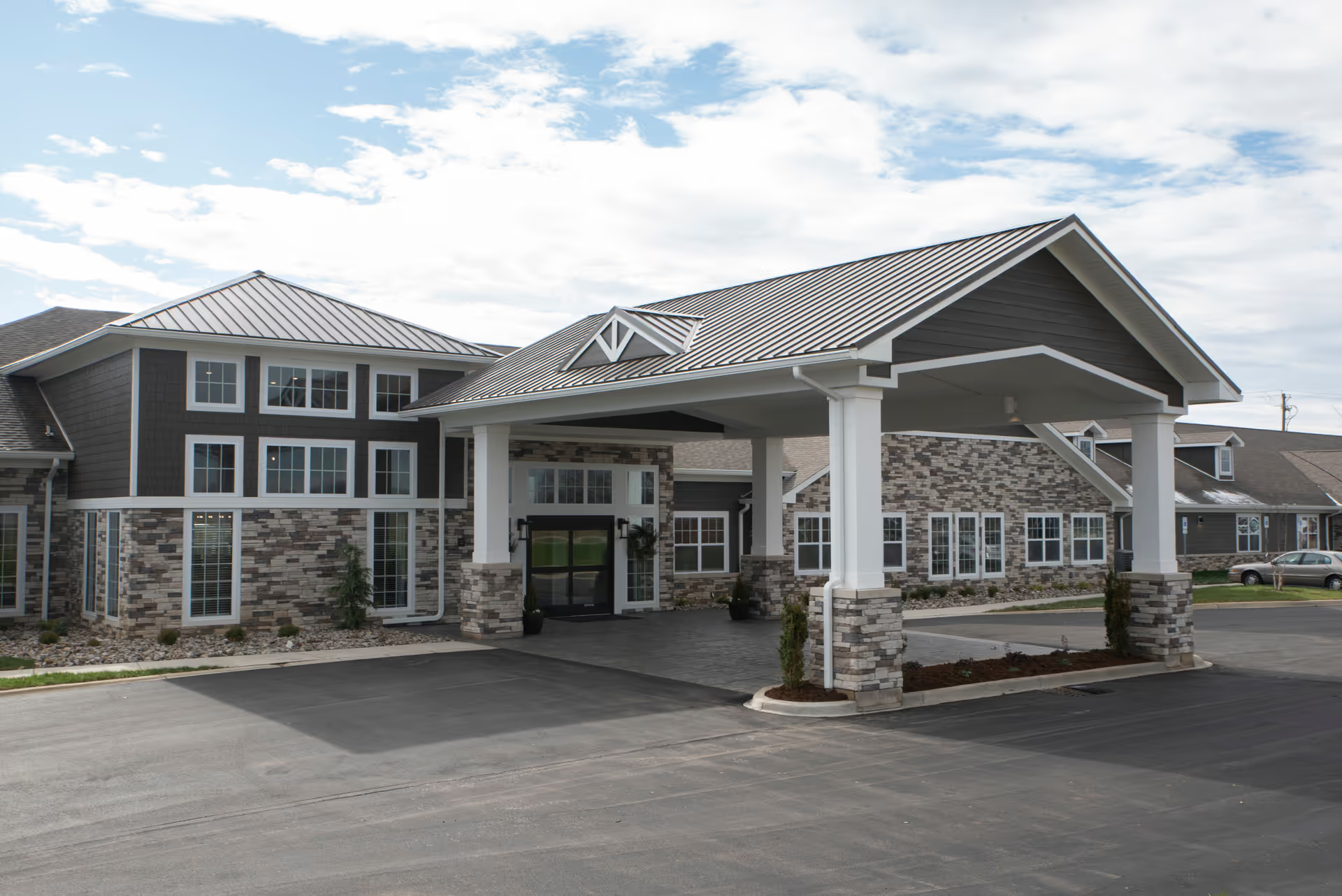
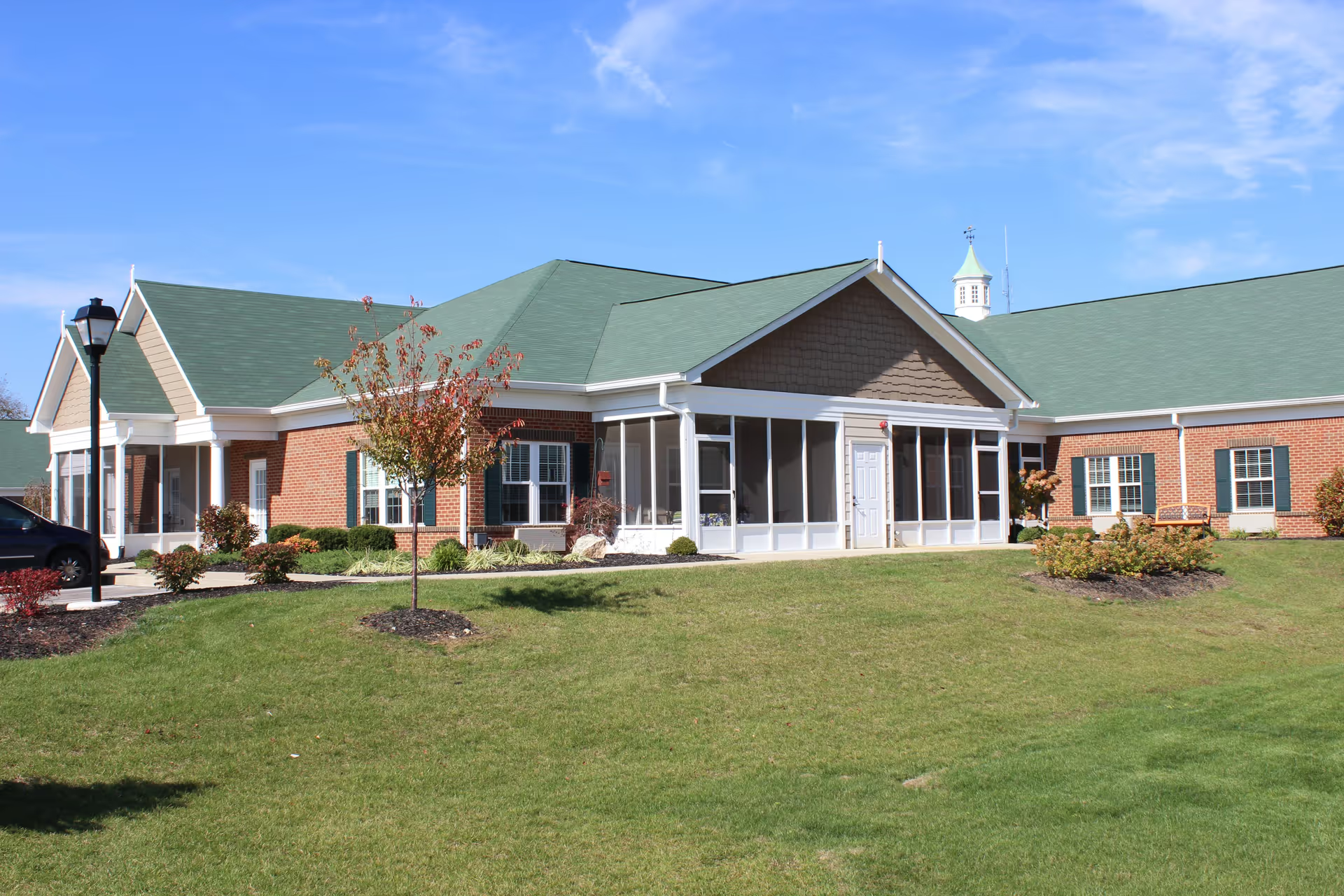
Dining feedback is favorable, with reviewers describing meals as tasty and nutritious and mentioning family dinners, buffets, and special occasions. Activities include movies, daily programming, events, and community visits from local groups; families also value opportunities to participate. The campus is consistently praised for its attractive design, cleanliness, upkeep, and comfortable atmosphere. Some visitors described it as home-like, while a touring family noted that it was more expensive than another option and that availability could be limited.
Overall, reviewers portray The Willows at Harrodsburg as a welcoming community with strong rehabilitation experiences, appealing surroundings, and caring staff. The most notable areas to clarify directly with the facility are staffing and response times, communication processes, pricing and admission availability, and the level of support available for residents with substantial mobility needs.