Overall impression: Reviews present a polarized but consistent pattern. A substantial portion of reviewers praise the direct-care staff, therapy departments, dining, and the facility’s appearance; these elements form the facility’s strongest attributes. At the same time, multiple operational and management-level weaknesses recur across reviews and have a measurable impact on families’ experiences.
Care and staff: Many families highlight compassionate, attentive nurses and aides and several describe strong, effective physical and occupational therapy that produced measurable clinical improvement. Caregivers and therapy staff are frequently characterized as skilled, responsive, and invested in residents’ progress. However, reviewers also describe inconsistent staffing levels and frequent turnover, which correlate with delays in attending to resident needs, extended response times to call bells, and variability in the quality of routine care. There are repeated concerns about medication management practices and about clinical continuity when nursing staff change or when shifts are understaffed.
Dining and activities: The dining program receives generally positive comments: reviewers note varied, from-scratch meals, accessible snacks, and a range of menu options. Activity programming and social engagement are also often cited as strengths, with families noting active calendars, holiday programming, and opportunities for residents to build friendships. That said, some accounts indicate that access to meals and assistance during meals can be inconsistent when staffing is limited.
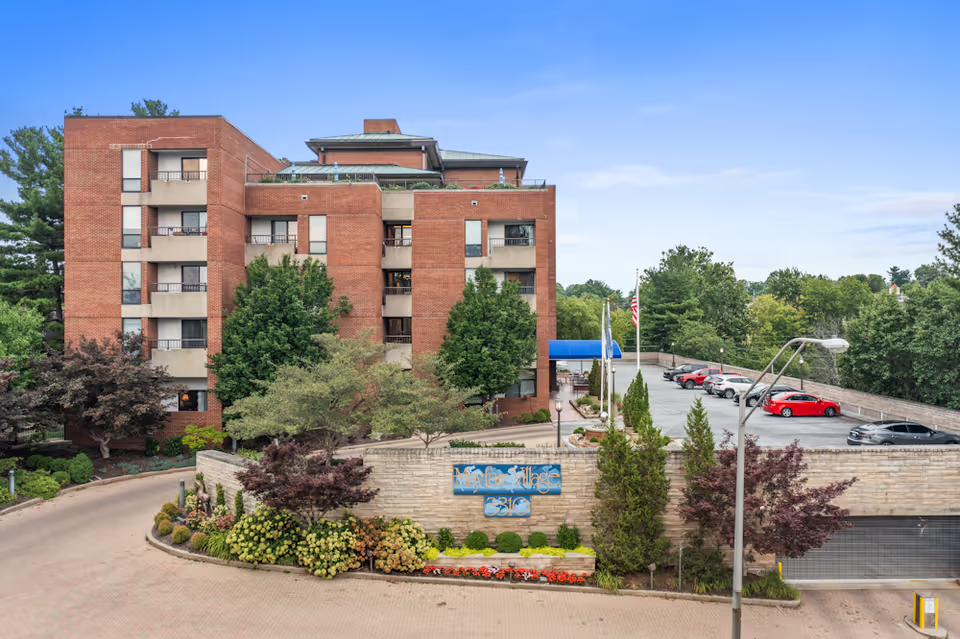
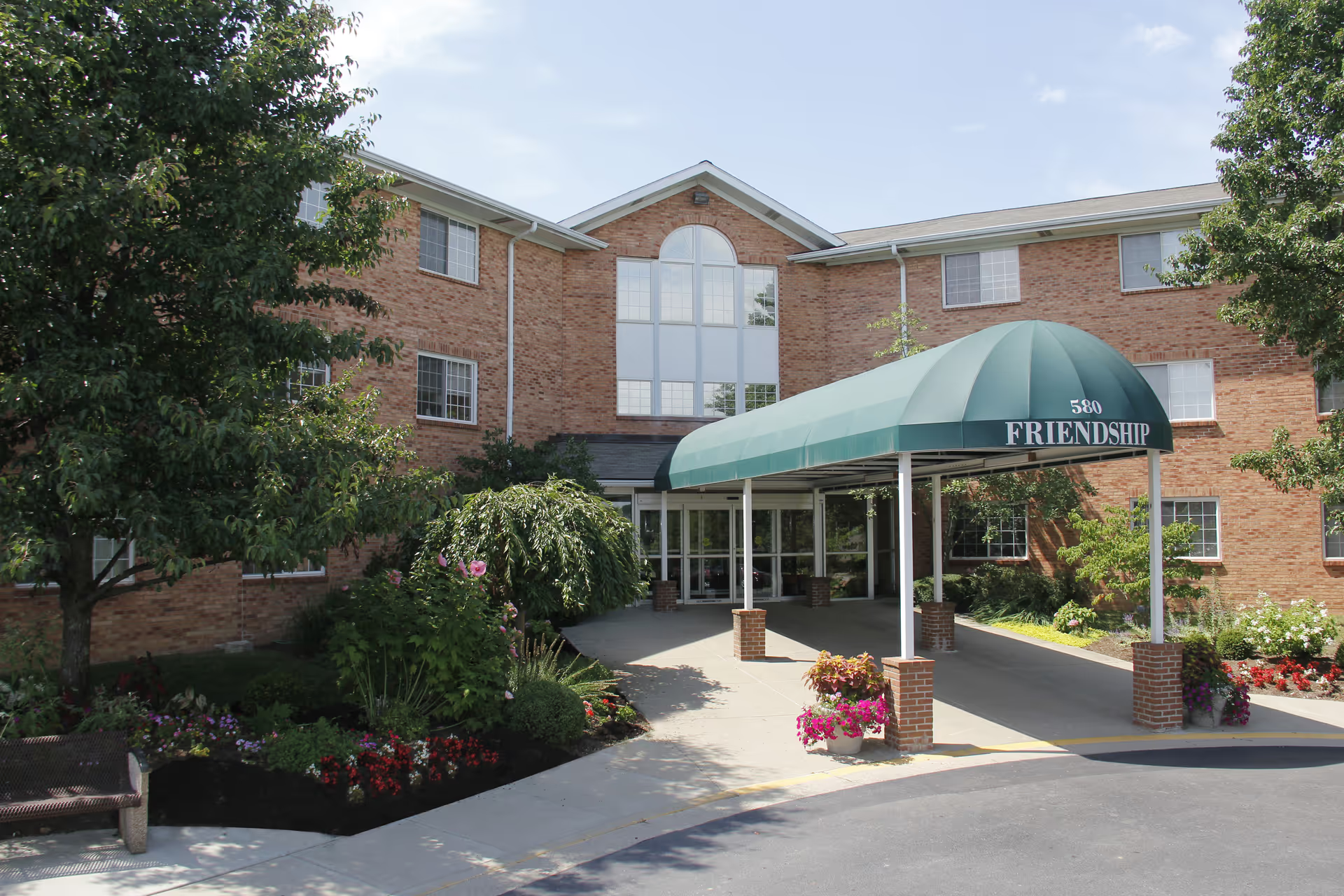
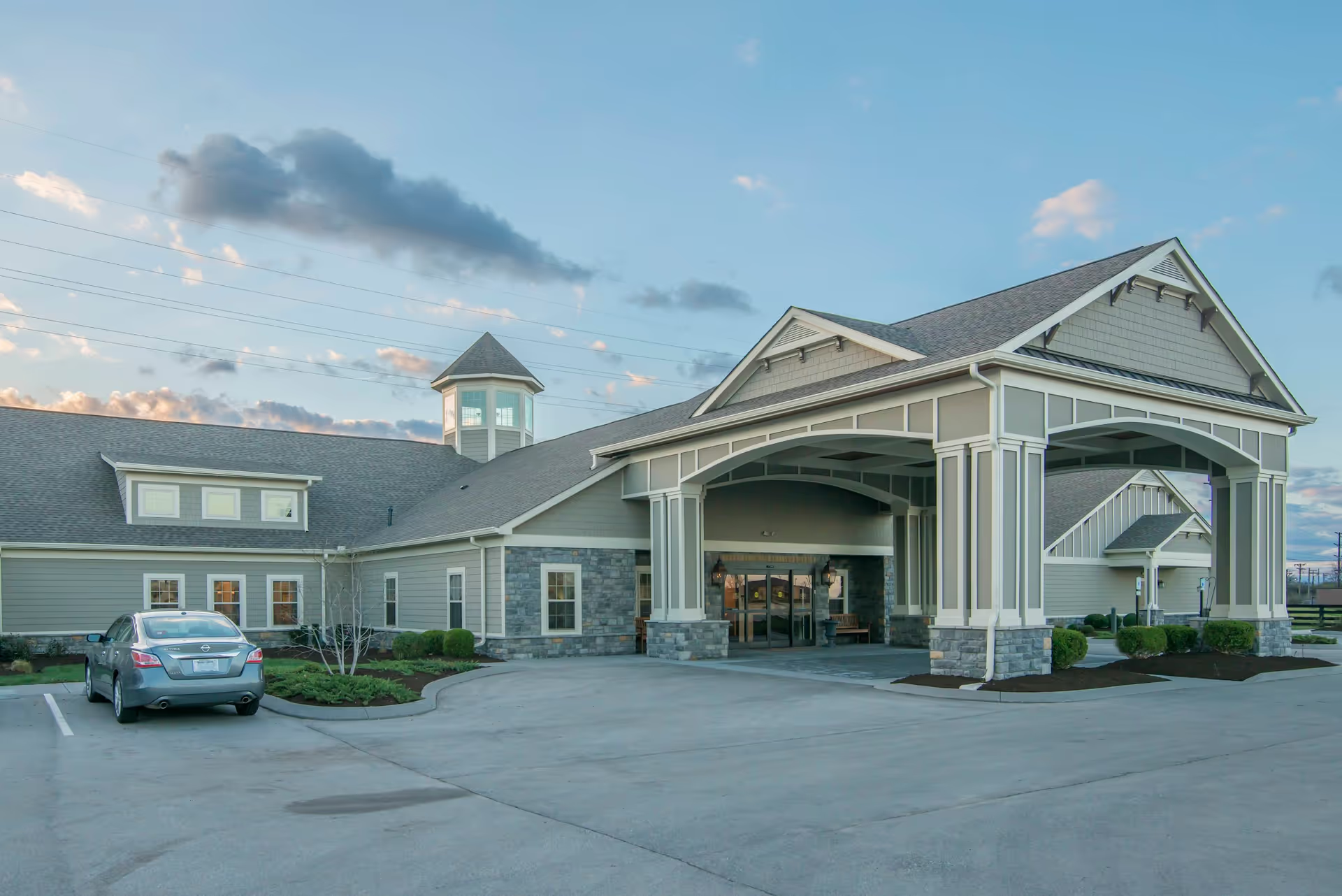
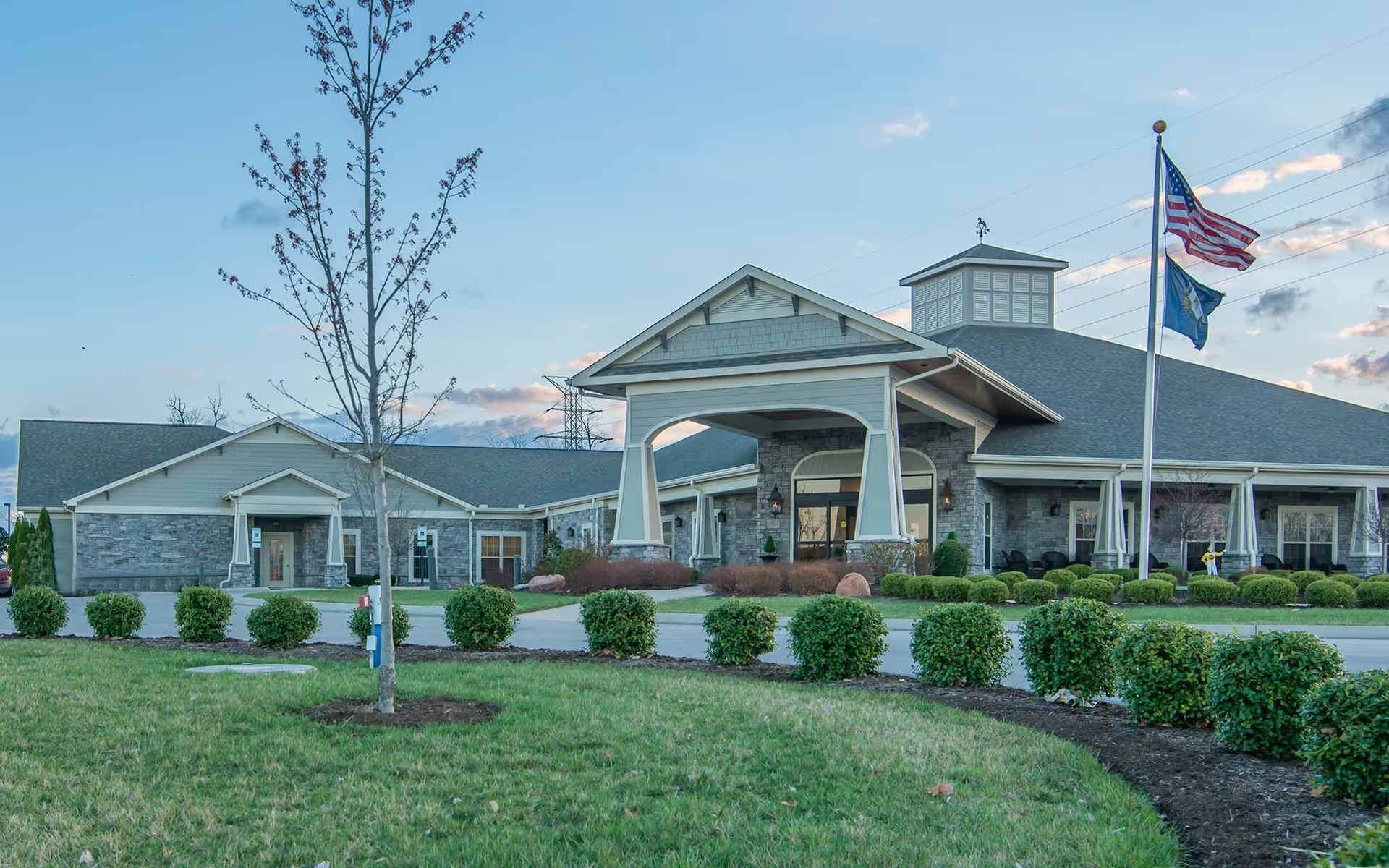
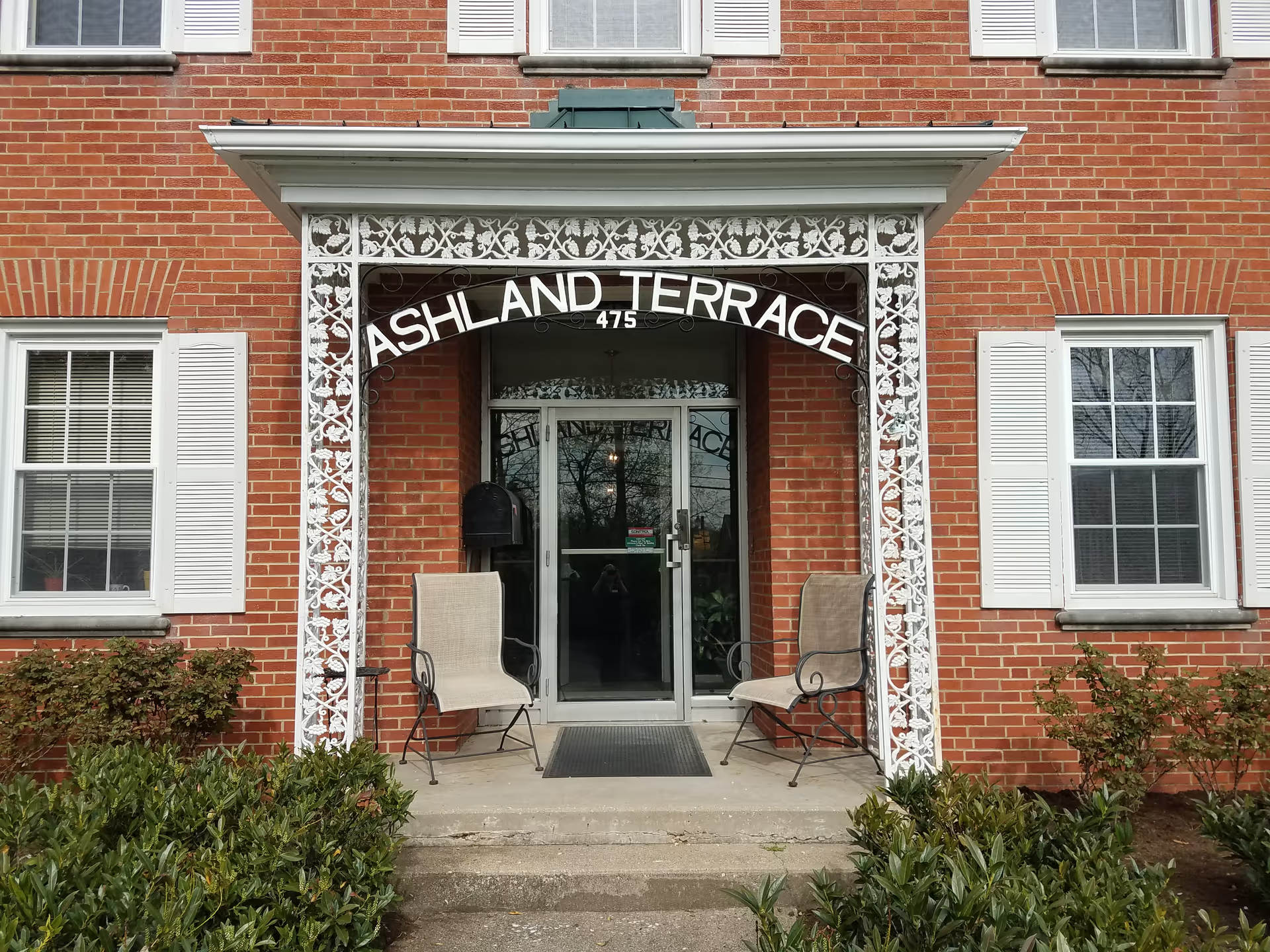
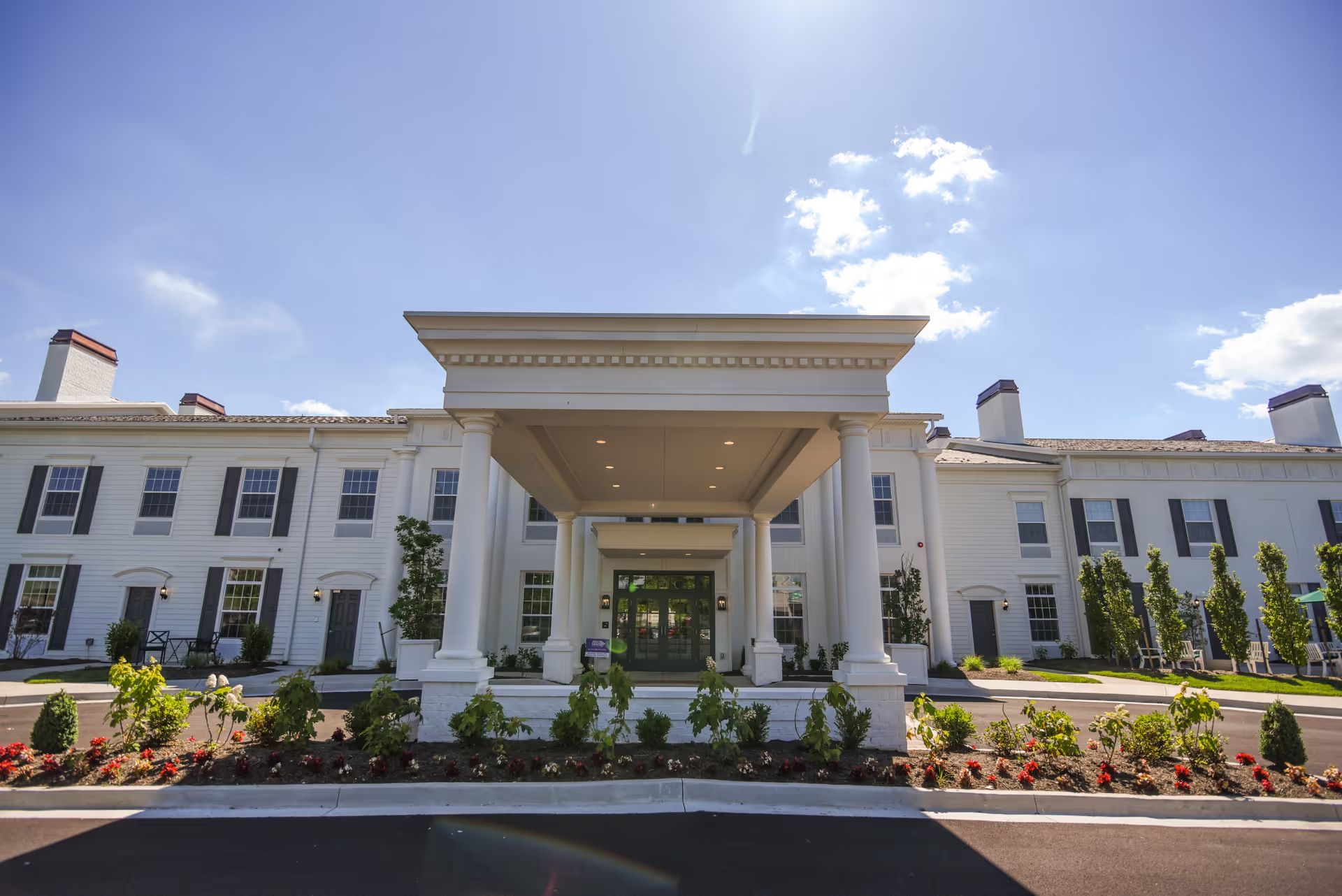
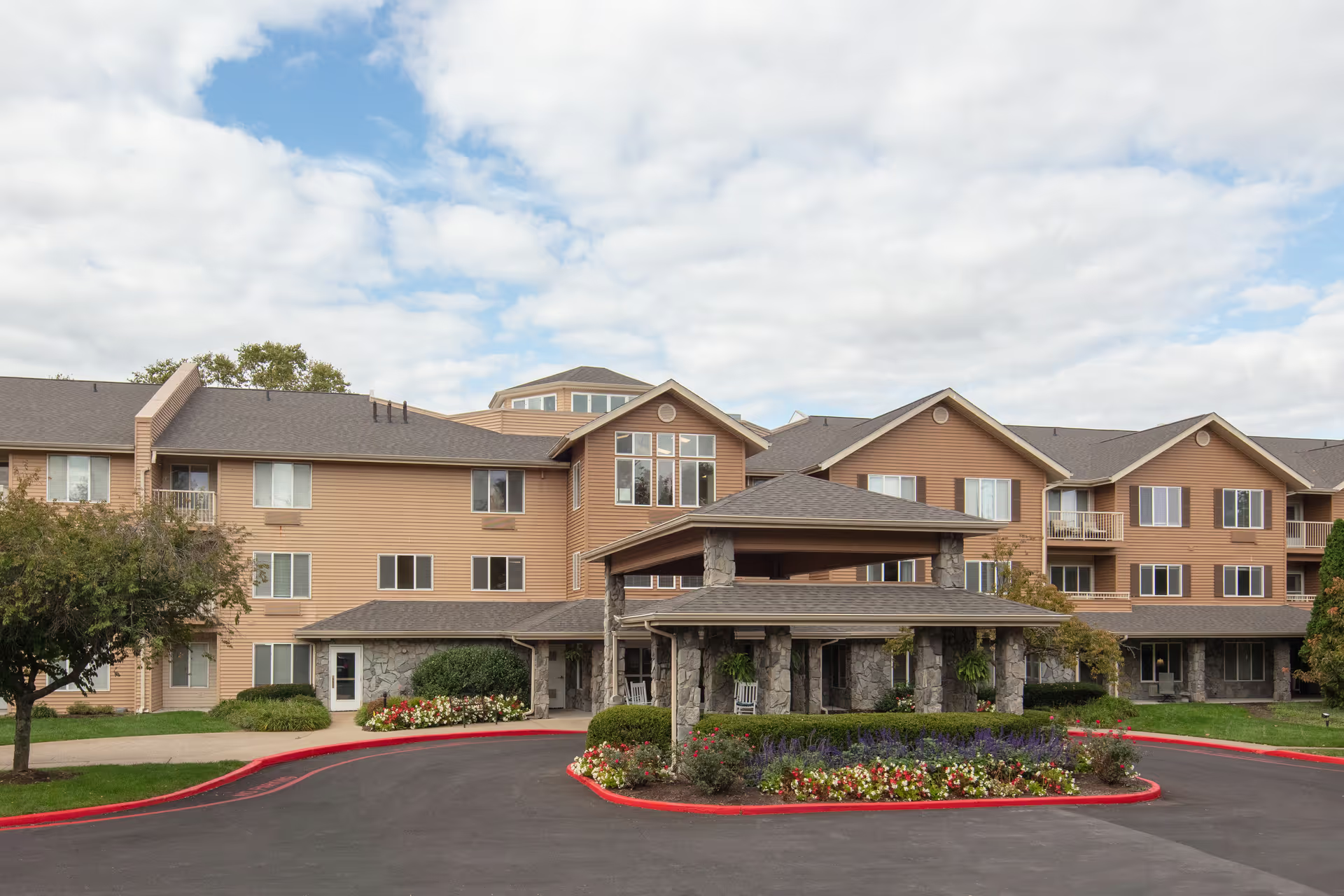
Facilities and maintenance: The building and grounds are frequently described as clean and well maintained, with responsive maintenance staff addressing repairs. At the same time, reviewers cite intermittent sanitation and infection-control variability in specific units or situations, as well as occasional plumbing, toilet, or supply problems. Several reviews describe shortages of basic supplies and equipment in practice, which reviewers link to budgetary decisions.
Management, communication, and safety: Management and administrative communication are the most frequently cited areas of concern. Reviews describe inconsistent transparency around medical records and delays in releasing information to designated family decision-makers, difficulties obtaining timely explanations for clinical incidents, and front-desk/customer-service behaviors that were experienced as dismissive by some families. Safety-related concerns arise in multiple contexts: delayed incident response, inconsistent documentation or follow-up after clinical events, and personal-property security gaps. There are even allegations of missing items in personal rooms; these reports heighten family concerns about property controls and supervision.
Notable patterns and takeaways: The body of reviews suggests a facility with strong frontline caregivers and therapy services that is at times undermined by uneven administrative practices, staffing shortfalls, and operational inconsistencies. Positive experiences tend to cluster around units with stable staffing and engaged leadership; negative experiences correlate with reports of management turnover, budget-driven supply constraints, and weak communication. Prospective residents and families may want to ask specific questions about current staffing ratios, medication administration and incident-response protocols, property-security measures, therapy frequency guarantees, and procedures for medical-record access and family notification before and during a stay.
In summary, Mayfair Manor receives significant praise for its direct-care teams, rehabilitation capabilities, dining, and the overall look and upkeep of the building. At the same time, recurrent operational and management issues — most notably staffing instability, communication gaps, medication and supply-management concerns, and personal-property security — are important to investigate further when assessing suitability for an individual resident’s needs.