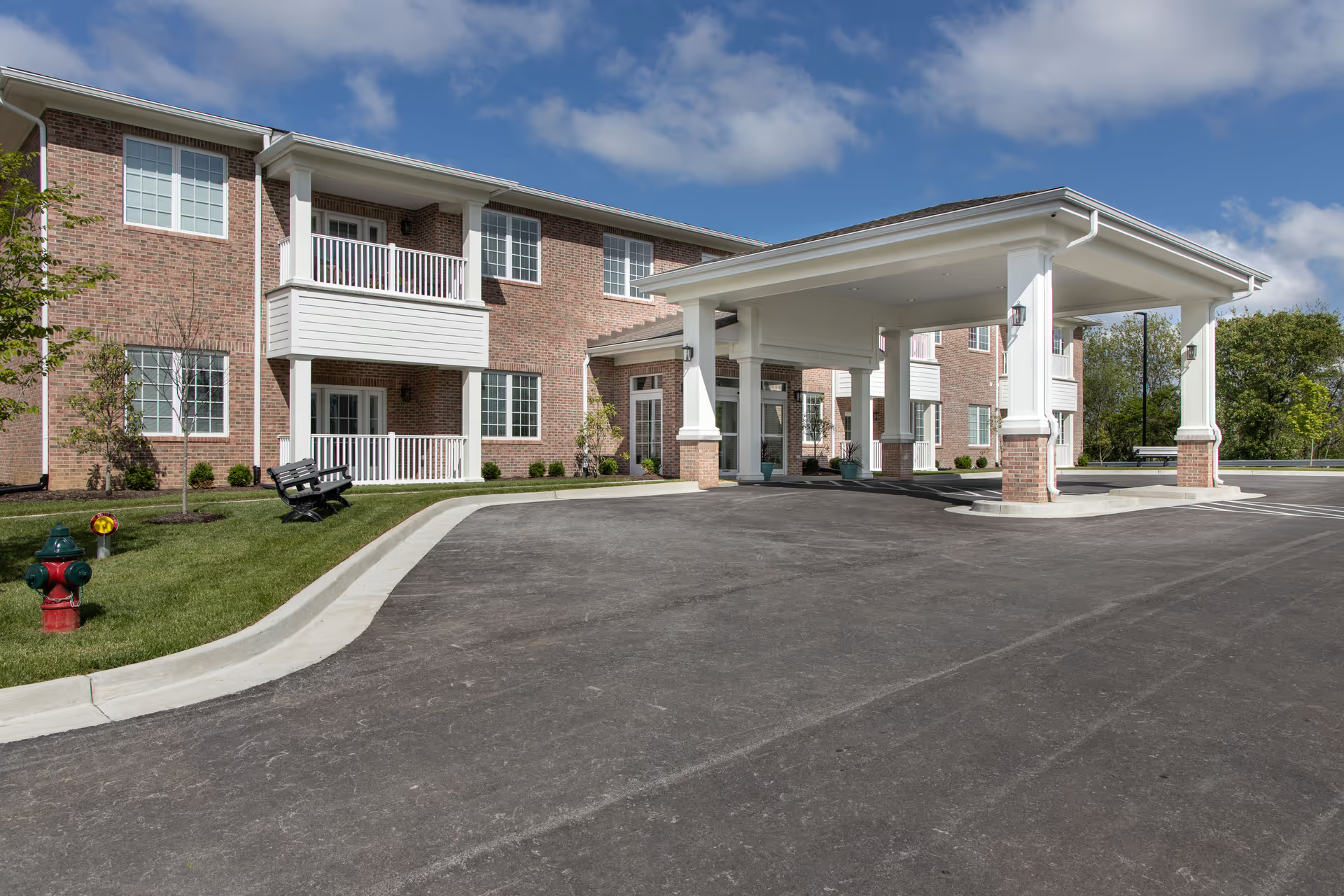
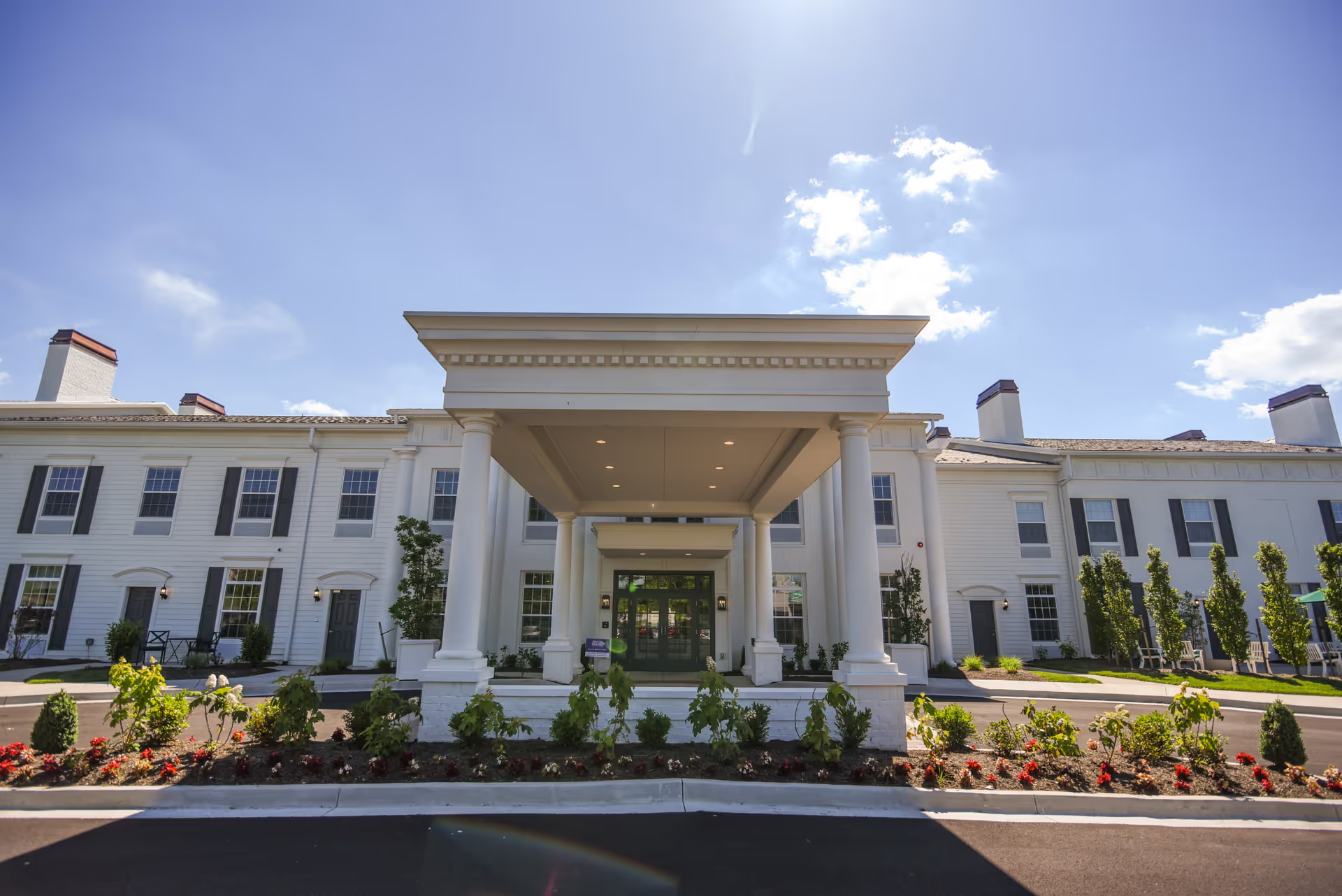
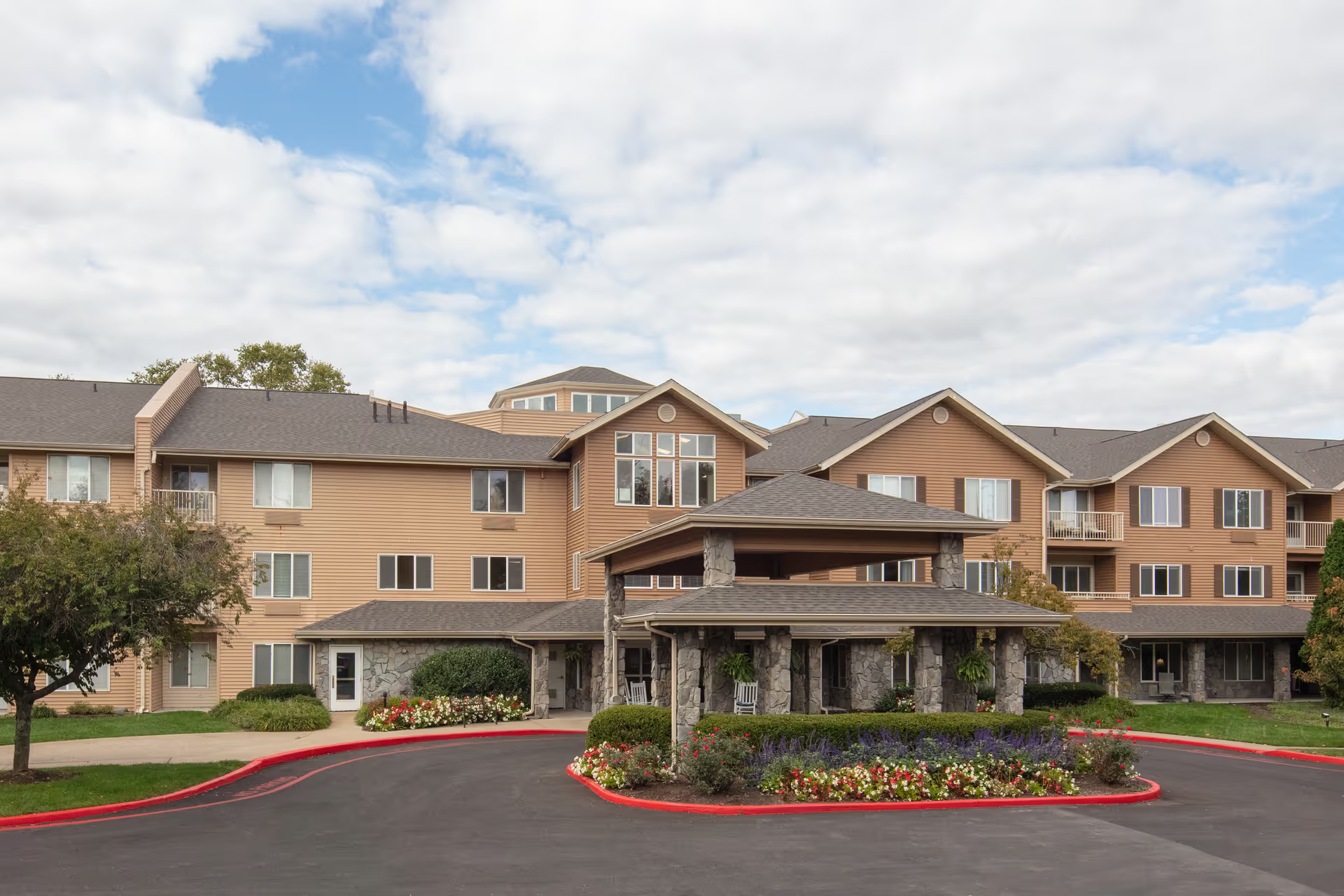
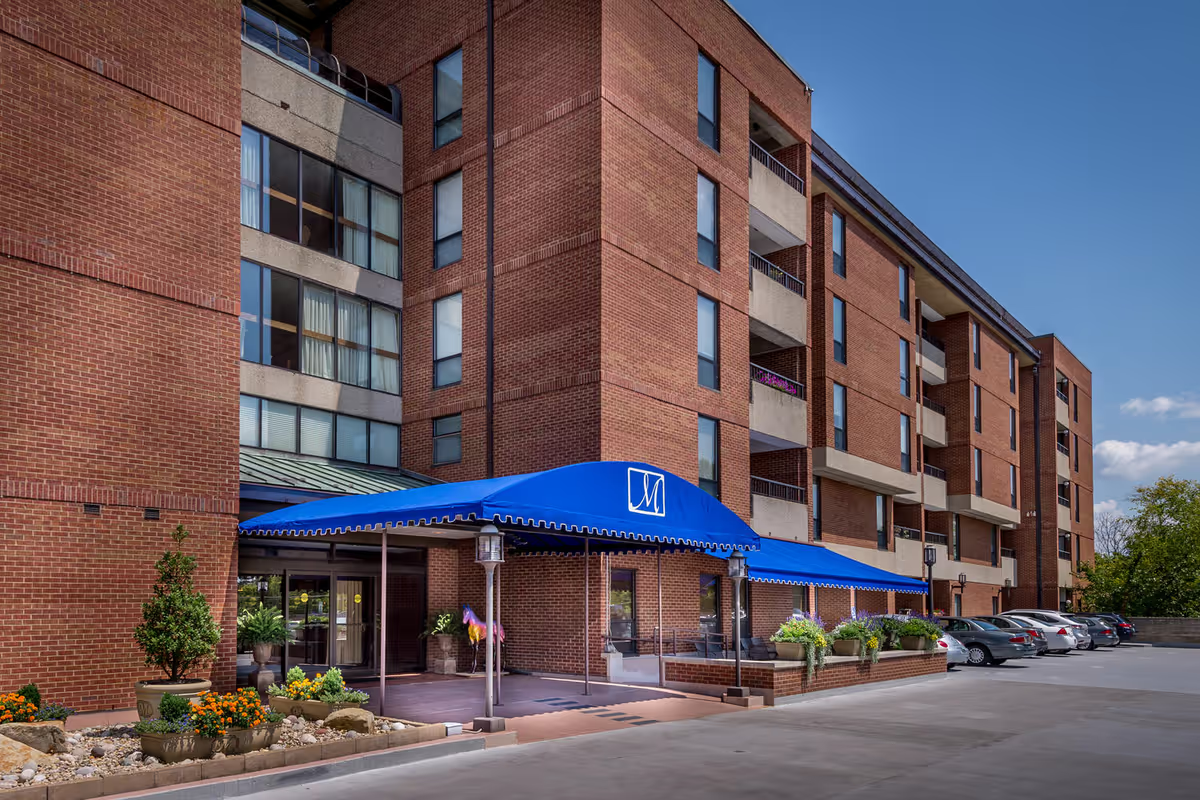
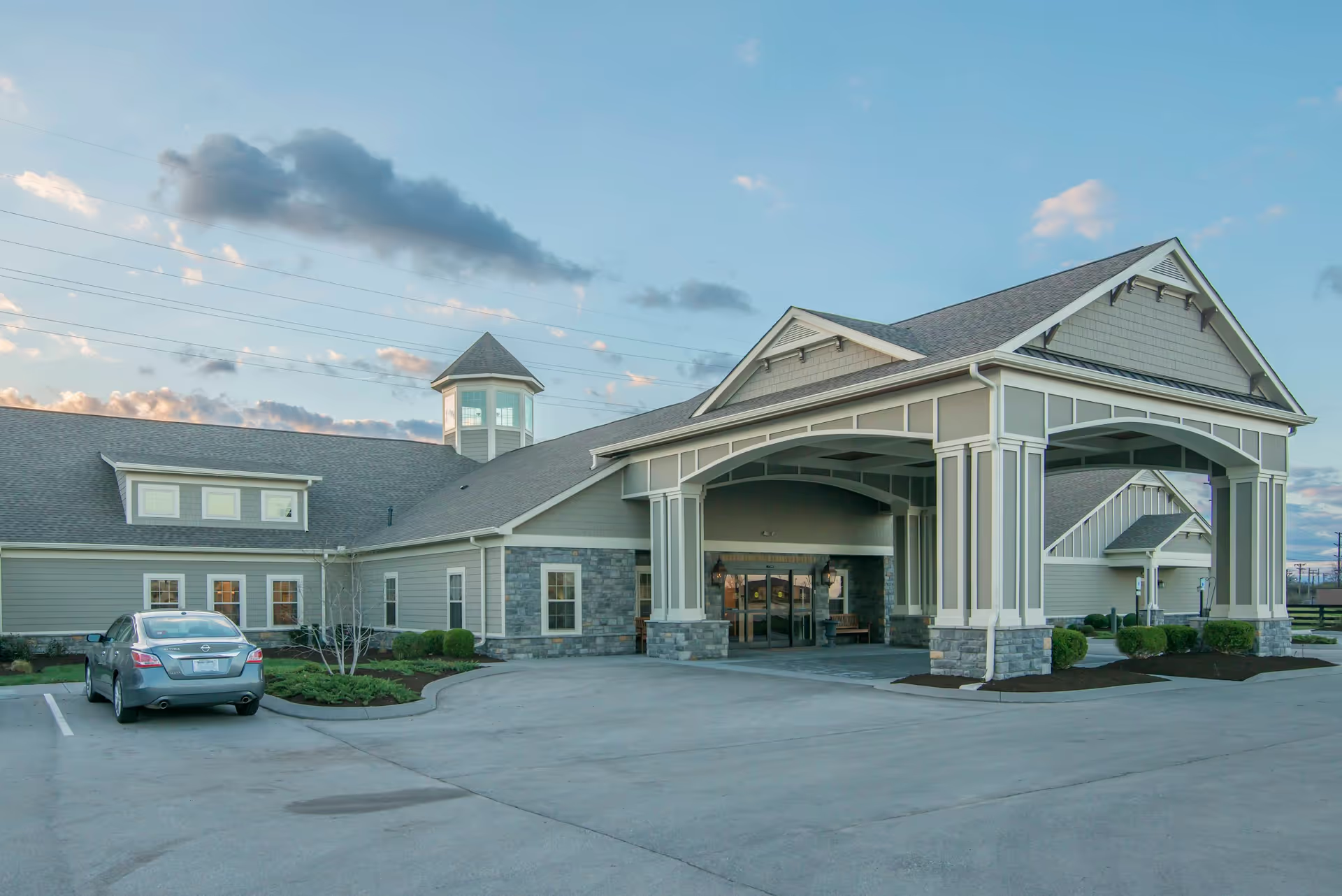
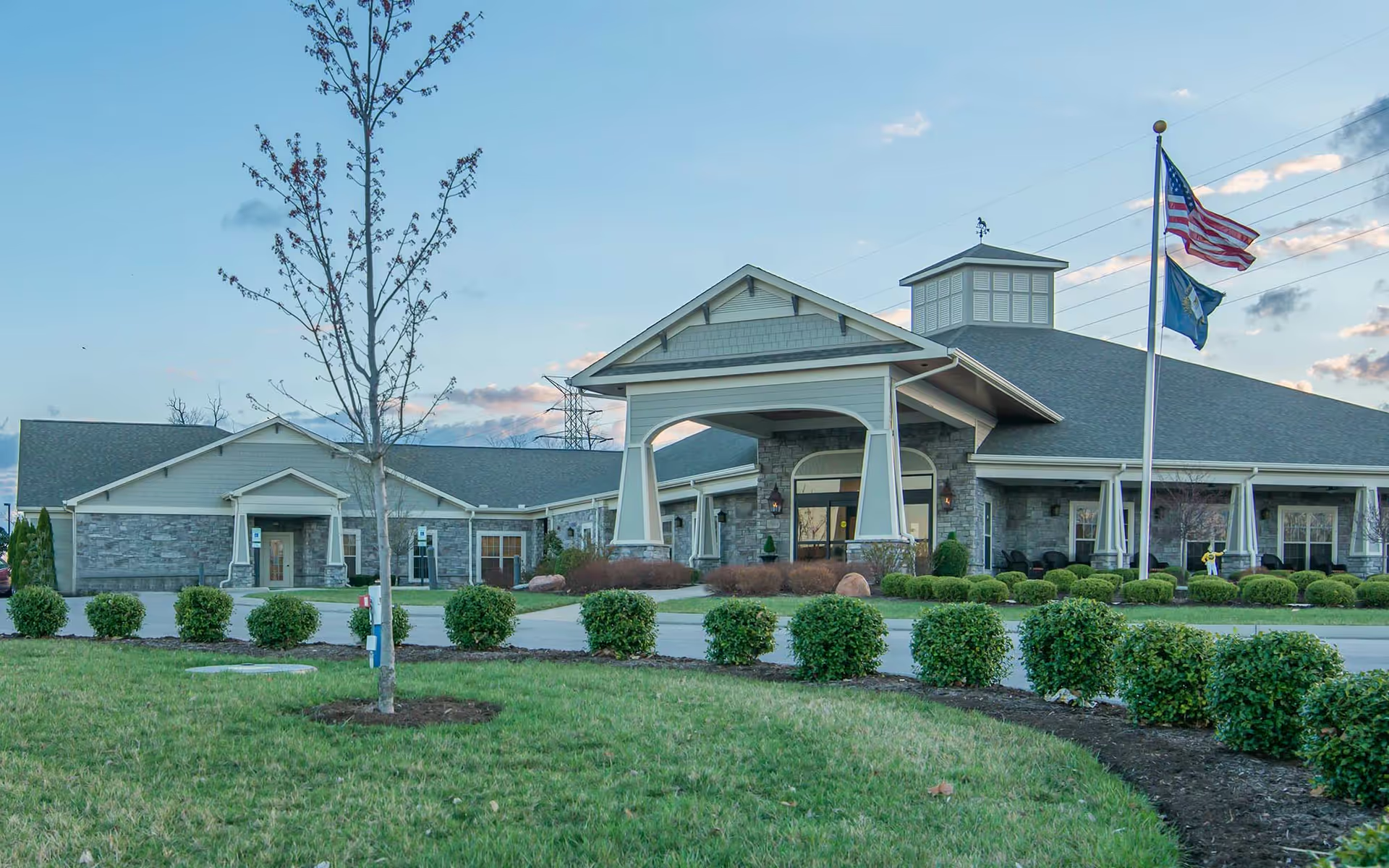
Overall impression: Sayre Christian Village presents as a large, faith-based nonprofit campus that offers a broad continuum of care and a strong community orientation. Many reviewers praised the mission-driven culture, long-tenured staff, and robust programming that together create a family-like atmosphere. The campus features well-kept grounds, multiple dining venues, transportation services, and apartment options that range from studios to multi-room units with kitchens.
Care and staff: Care quality is frequently described as a primary strength. Reviewers emphasize compassionate, attentive aides and nurses who learn residents’ names and provide personalized attention, with many accounts of long-standing caregiving relationships. At the same time, there is reported variability in clinical and caregiving performance across units; reviewers note unevenness in staff responsiveness, nurse availability, and workload strain, particularly on weekends and during staffing shortages.
Dining and dietary management: Dining is a notable positive for many families — menu variety, accommodation of special requests, celebratory meals, and an engaged dining-room staff. Several accounts describe high-quality, restaurant-style service. Counterbalancing this, other reviewers highlight inconsistencies in meal temperature, occasional missing items, and instances of dietary-management lapses. In sum, food service is generally strong but not uniformly consistent across shifts and units.
Activities and social life: The activities program is a clear strength. The community offers a wide array of daily and special-event programming — exercise classes, music and concerts, church services, outings, birthday celebrations, and volunteer-led events — contributing to high levels of resident engagement and socialization. A few reviewers described aspects of the environment as more institutional or hospital-like in certain areas and expressed a desire for more on-floor or mobility-friendly programming for less-mobile residents.
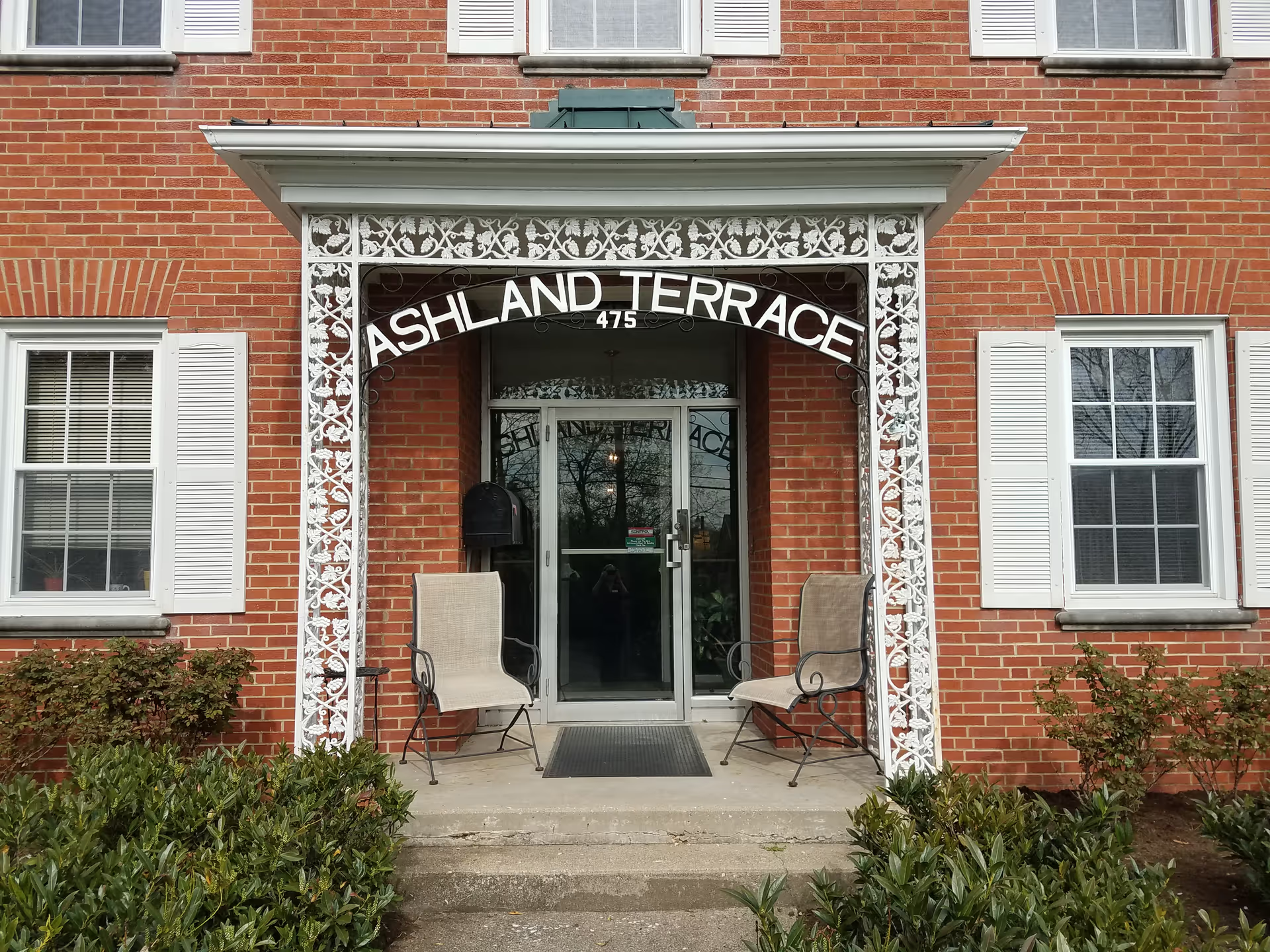
Facilities and cleanliness: The campus includes attractive outdoor spaces, patios, and recent renovations (including a new dining room in some buildings). However, facility condition appears variable: some buildings and units are modern and bright, while other areas are described as older, smaller, or under-lit. Cleanliness and upkeep are often praised, but there are also isolated sanitation and hygiene inconsistencies reported in certain units that families flagged as concerns.
Management, communication, and operations: Management impressions are mixed. Multiple reviews commend proactive, compassionate administrators who respond to concerns and maintain good communication. Conversely, other reviewers describe gaps in administrative responsiveness, high turnover, staff morale concerns, and unclear billing practices (including extra charges and Medicaid-qualification confusion). There are recurring themes of after-hours/front-desk coverage gaps and intermittent problems with package/visitor communication.
Safety and incident handling: Reviewers raised operational concerns about incident reporting, safety practices, and security monitoring. These describe patterns (for example, uneven follow-through on clinical incidents, inconsistent documentation, and access-control gaps) rather than single events, and they suggest opportunities for stronger protocols and family communication. Infection-control events have occurred and, when they do, they can affect visitation and operations.
Overall takeaway: Sayre Christian Village offers many hallmarks of a well-resourced nonprofit campus: engaged staff, varied programming, integrated care levels, and attractive campus amenities. These strengths contribute to many strongly positive family experiences. Prospective residents and families should weigh these positives against reported operational inconsistencies — notably staffing variability, food-service continuity, cleanliness/hygiene practices in some areas, and mixed experiences with management communication and billing. A focused tour that evaluates the specific building/unit of interest, asks about staffing ratios and incident-reporting protocols, and clarifies fees and Medicaid procedures will help families assess fit and risk for an individual resident.