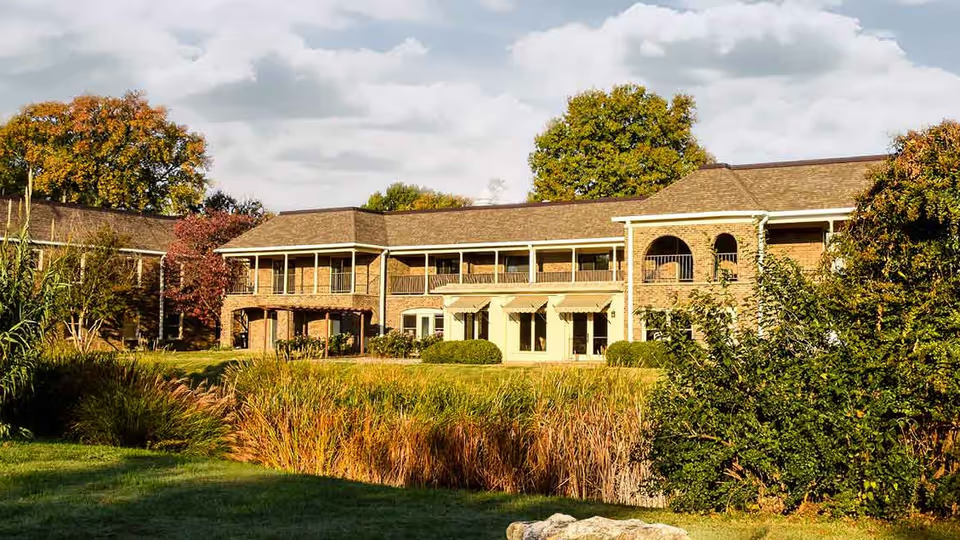
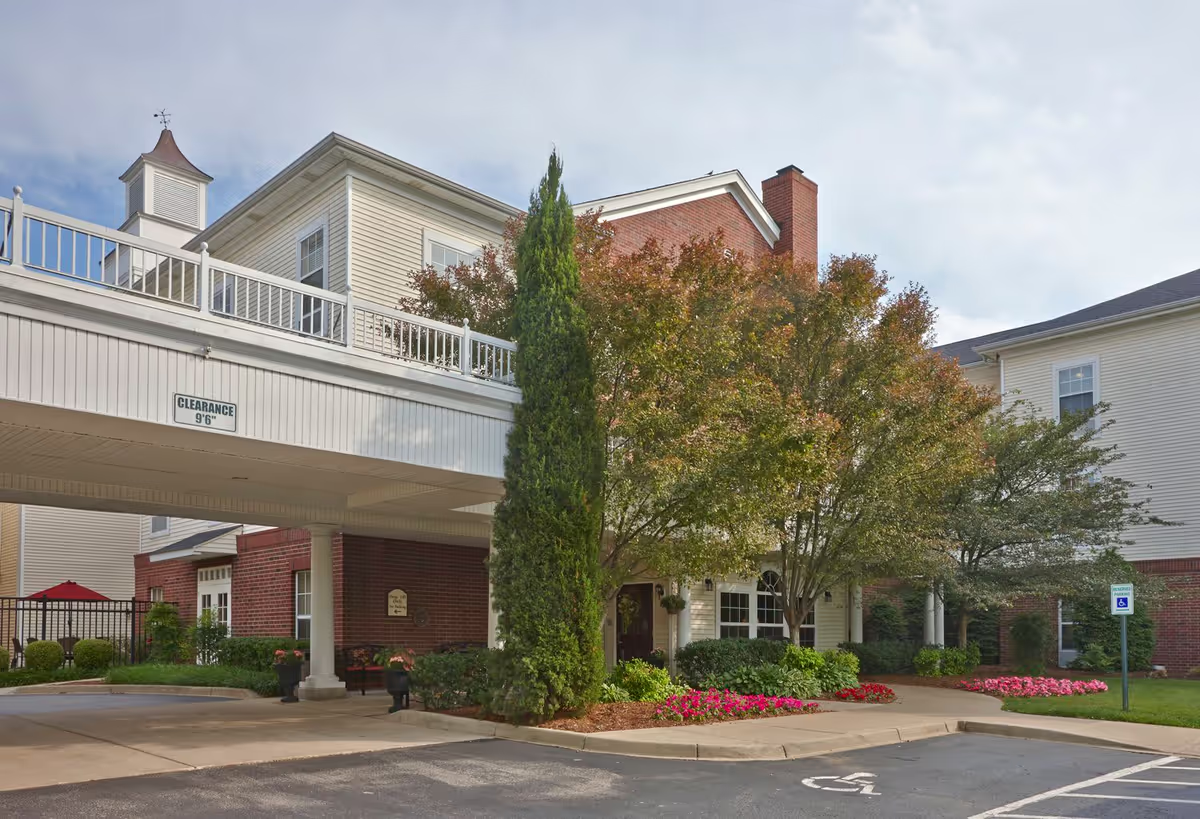
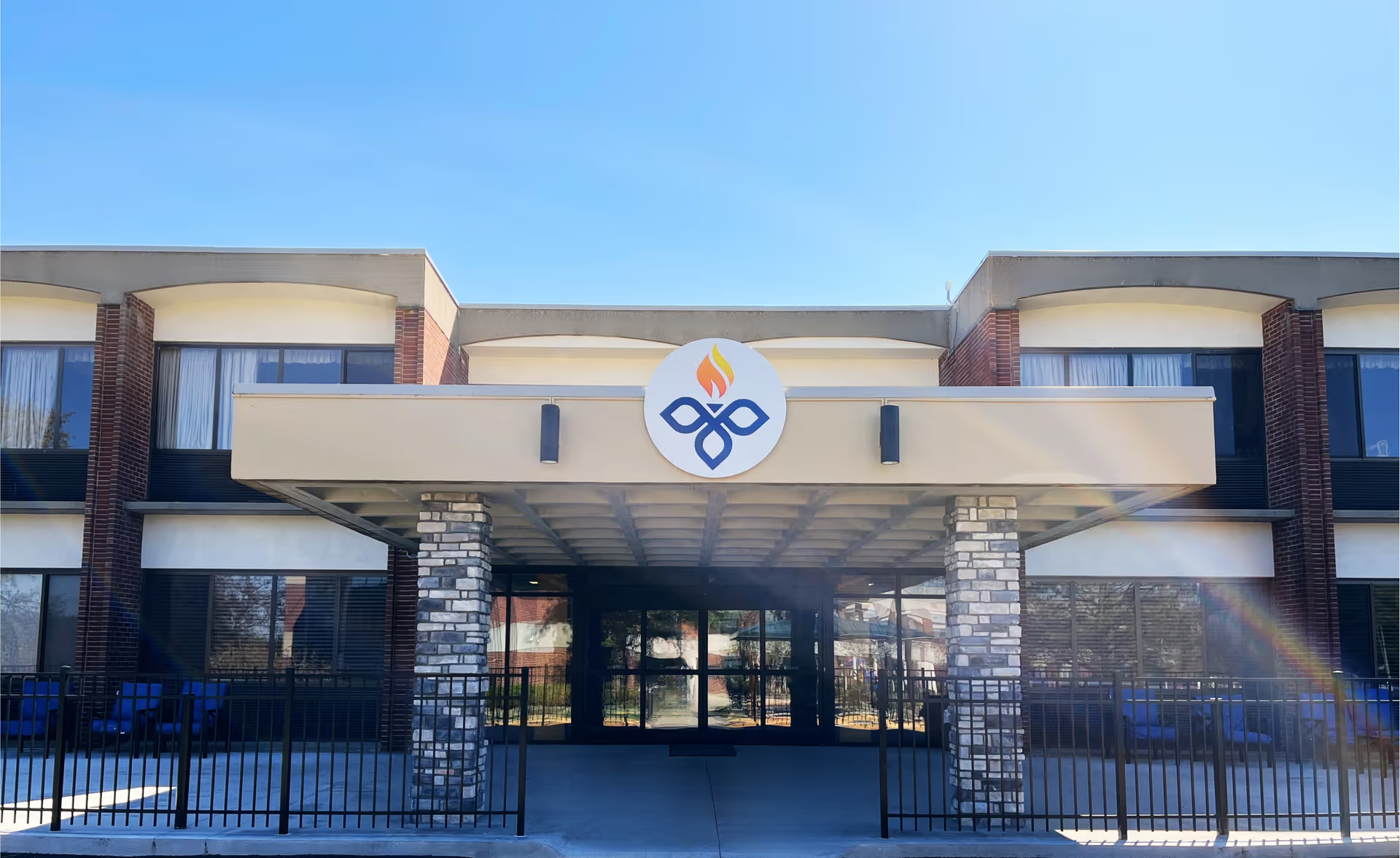
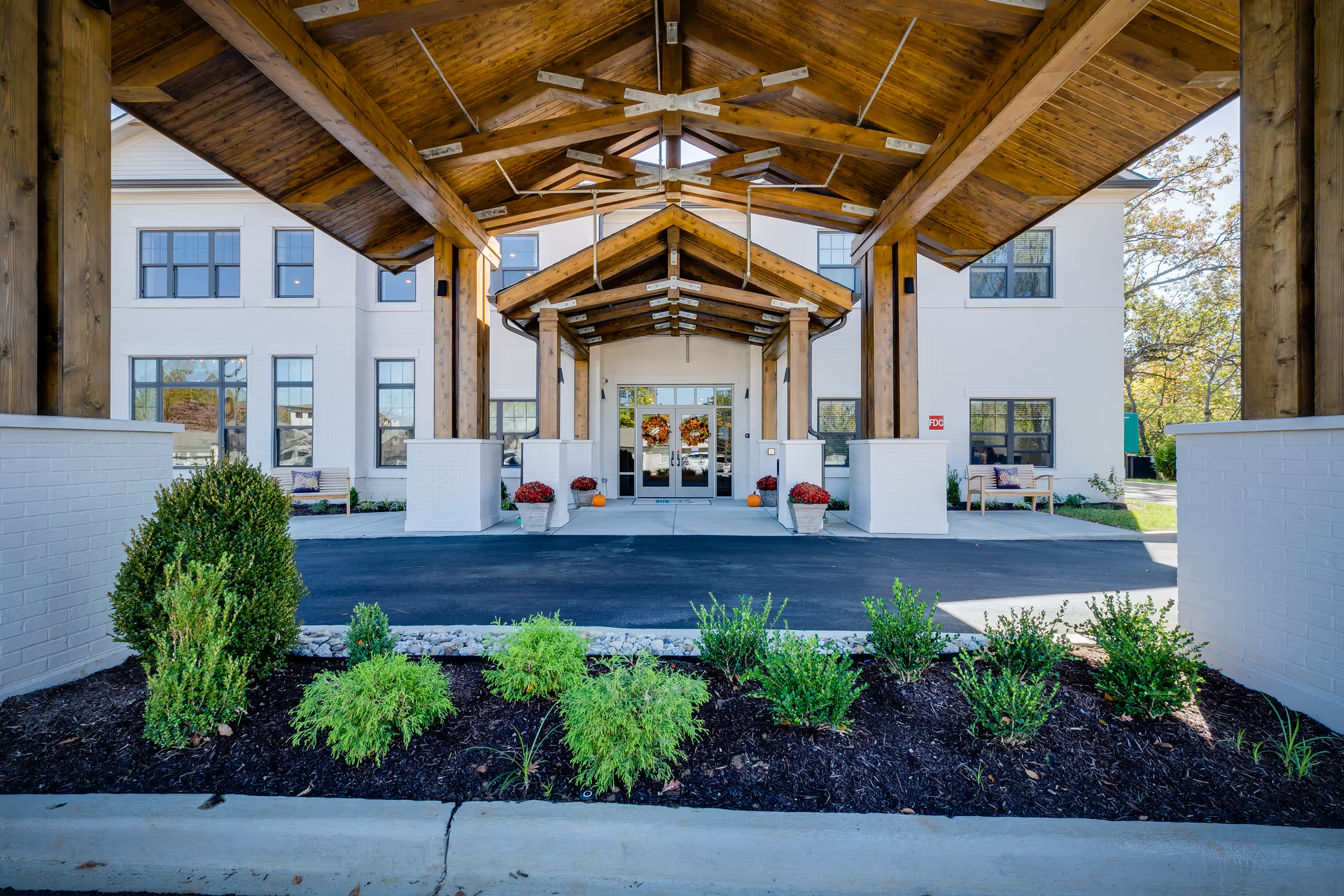
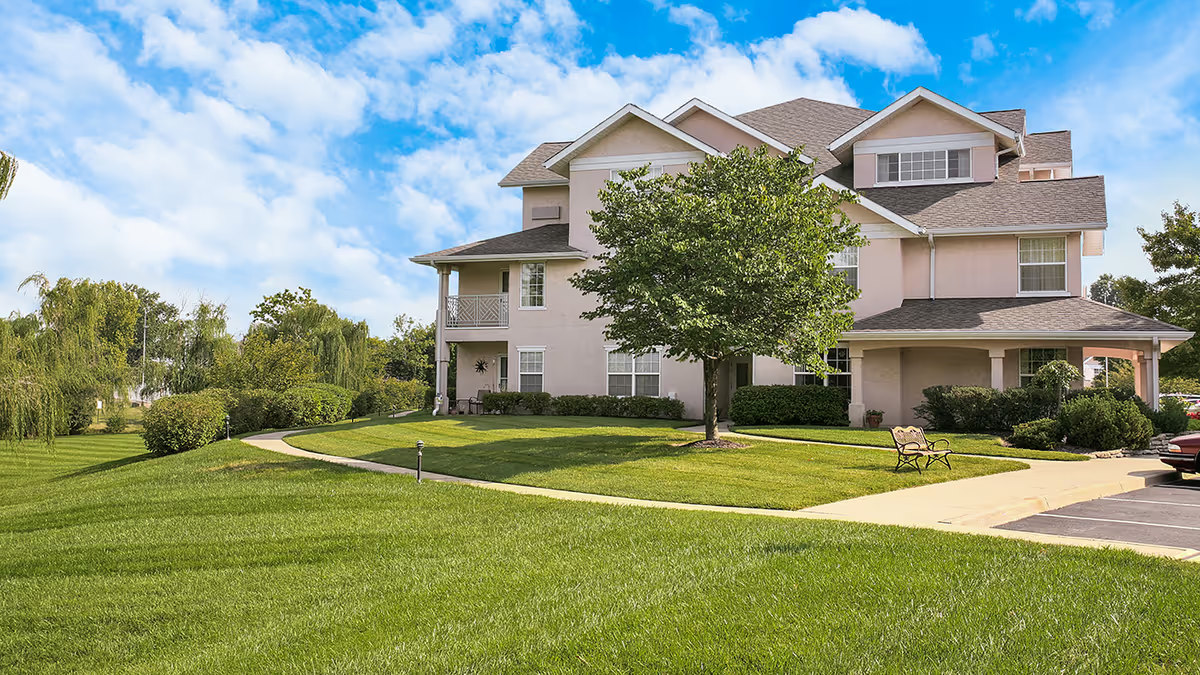
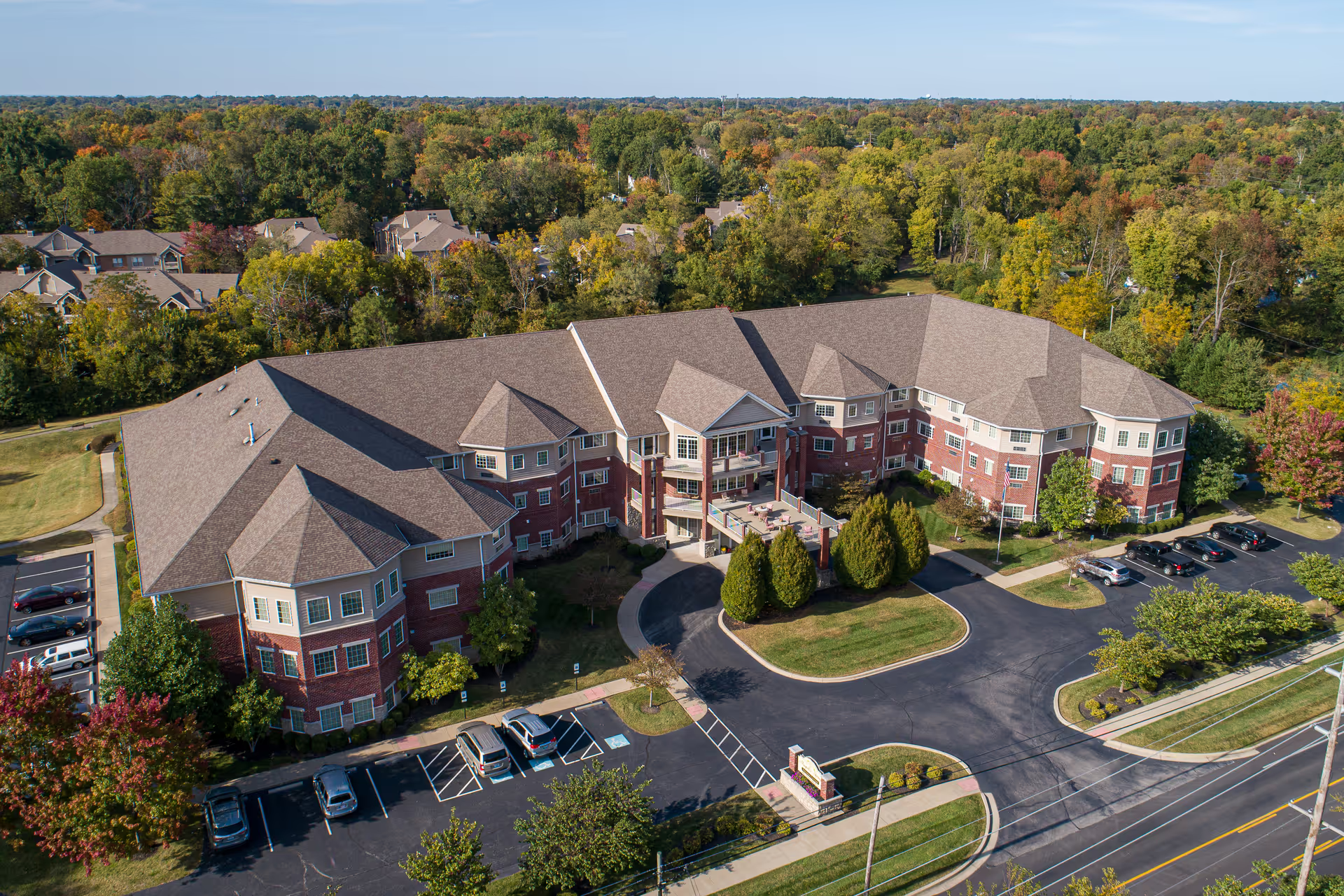
Cherokee Park Rehabilitation presents as a visually appealing, well-appointed campus with award-winning architecture, manicured grounds, and bright, atrium-style common spaces. Many reviewers emphasize the facility’s strengths in rehabilitation: a robust physical and occupational therapy program, therapists who are described as effective and results-oriented, and a broader rehabilitative focus that includes emotional and psychological well-being. The activities program is frequently noted as active and engaging, with regular social events, holiday programming, and opportunities such as bingo that contribute to resident satisfaction. Several reviews highlight specific staff members and teams who provide compassionate, family-like care and who go beyond basic expectations in supporting residents and families.
At the same time, reviewer accounts are mixed with respect to daily operations and clinical consistency. A recurring theme is variability in staff performance and responsiveness: shift-to-shift differences, weekend and evening coverage concerns, and intermittent lapses in timely assistance for transfers and toileting needs. Related operational weaknesses include medication management issues (delays, missed doses, and inconsistent clinician availability), and occasional inconsistencies in pain-management and physician oversight. Communication tone and staff conduct are also areas of concern for some families; reports reference abrupt or discourteous interactions and examples of unacceptable bedside manner that undermine family confidence.
Dining and environmental care receive divergent assessments. While a number of reviewers find meals adequate and praise dietary staff, others describe inconsistent meal delivery, skipped meals, and substandard food quality. Cleanliness and sanitation are strengths in many parts of the facility, but some accounts describe sanitation concerns in specific areas and note inconsistent housekeeping attention. There are also operational issues raised around front-desk availability, billing responsiveness, and administrative accessibility; a few reviews describe difficult interactions with management and unresolved billing questions. Additional concerns include reports of missing personal items and allegations of theft, which point to potential security and inventory-control gaps.
Notable patterns emerge from the contrast between highly positive therapy/activities experiences and uneven room-level or shift-level care. Positive experiences often cite particular caregivers, therapists, or teams by name, suggesting that individual staff members strongly influence perceptions of care quality. Conversely, negative experiences tend to cluster around specific shifts, units, or administrative processes, indicating variability rather than uniform poor performance. There are also indications of organizational change: some notes describe a leadership-driven turnaround that reduced agency staffing and improved service on certain units.
For prospective residents and families, the picture is therefore nuanced. The facility offers strong rehabilitation services, attractive facilities, and an active activities program, but it also demonstrates operational inconsistencies in staffing, medication administration, dining continuity, sanitation in certain areas, and administrative responsiveness. When considering Cherokee Park Rehabilitation, families may benefit from an in-person tour focused on staffing patterns by shift, medication and physician-visit protocols, housekeeping/cleanliness checks, meal-service schedules, security of personal belongings, and clarification of billing practices and administrative points of contact.