Overview: CreekSide on Bardstown elicits strongly polarized responses. Many families and visitors praise the community for its compassionate staff, active social programming, and clean, recently renovated physical environment. At the same time, a consistent theme across feedback is operational inconsistency in areas that affect daily care and safety. Prospective residents and families should weigh the community’s interpersonal strengths against recurring concerns about clinical and administrative reliability.
Care quality and staff: A dominant positive theme is the presence of engaged, caring staff and a small, family-like culture. Numerous comments highlight individual caregivers and leaders by name, describe reduced resident anxiety, and emphasize attentive, personalized interactions. Conversely, staffing levels and coverage are identified as a recurring operational weakness. Reviews indicate delays in assistance with basic needs (for example, hydration and personal care), inconsistent supervision, and variable responsiveness — issues that can affect both comfort and clinical safety. More seriously, several families described medication-administration problems and timing errors; these accounts raise concerns about medication-management controls and clinical oversight and warrant specific inquiry during a tour or intake conversation.
Dining and activities: Activity programming is widely cited as a strength: the community offers a busy calendar, frequent outings, field trips, music involvement, and an active director who receives specific praise. These features support social engagement and family satisfaction. Dining feedback is mixed. Many reviewers found meals appetizing and enjoyable, particularly breakfast, while others reported slow service, cold plates, or limited menu variety at times. Meal-service continuity and temperature control appear to be inconsistent operationally rather than uniformly poor or uniformly excellent.
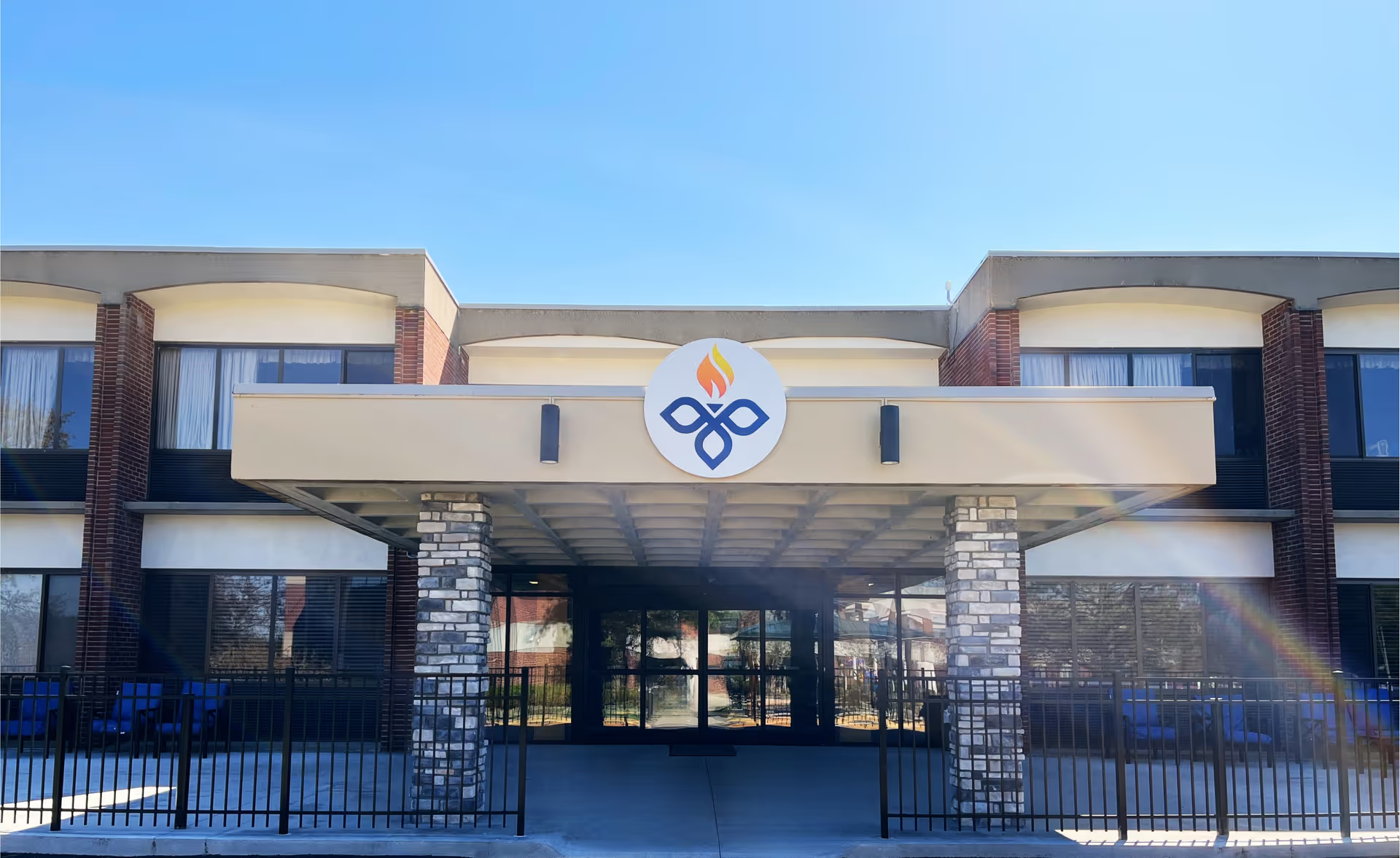
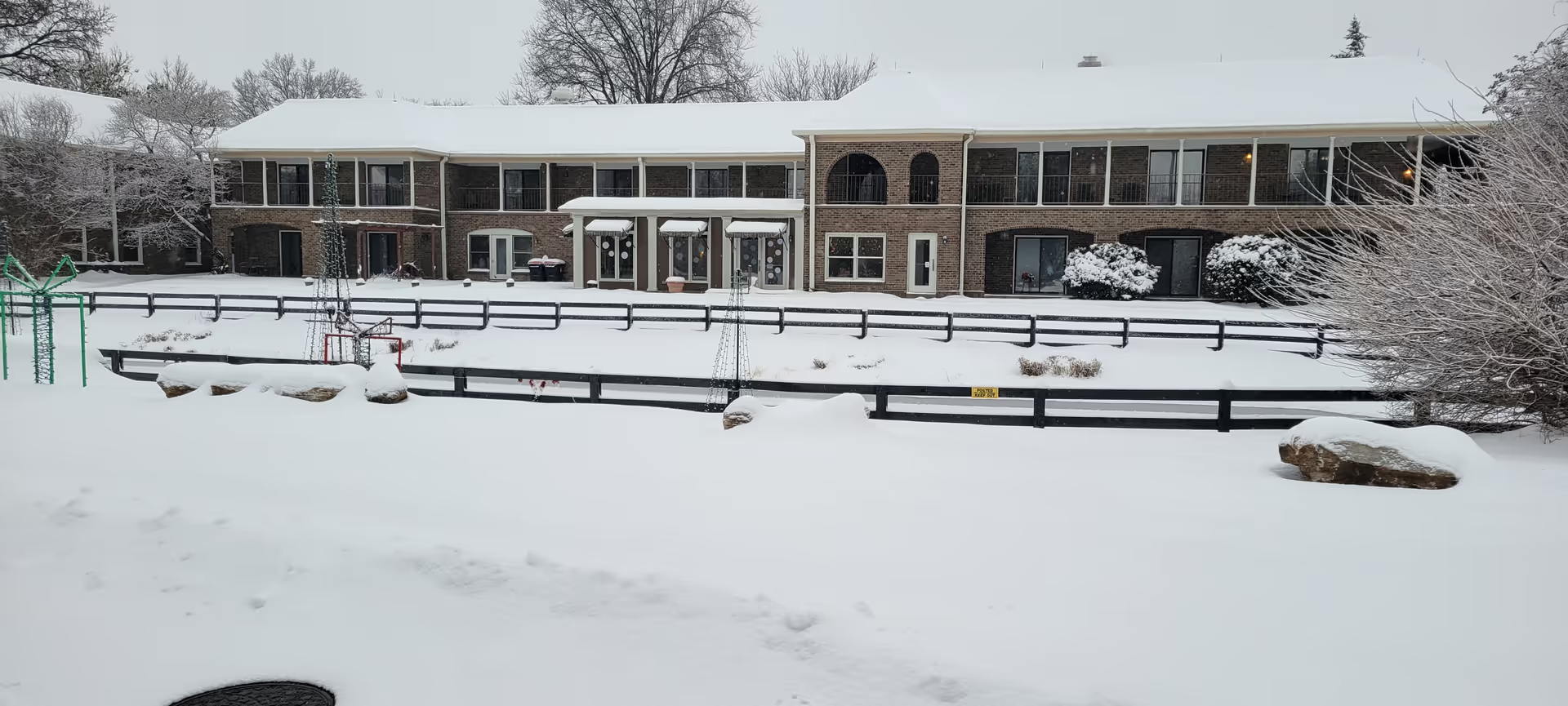
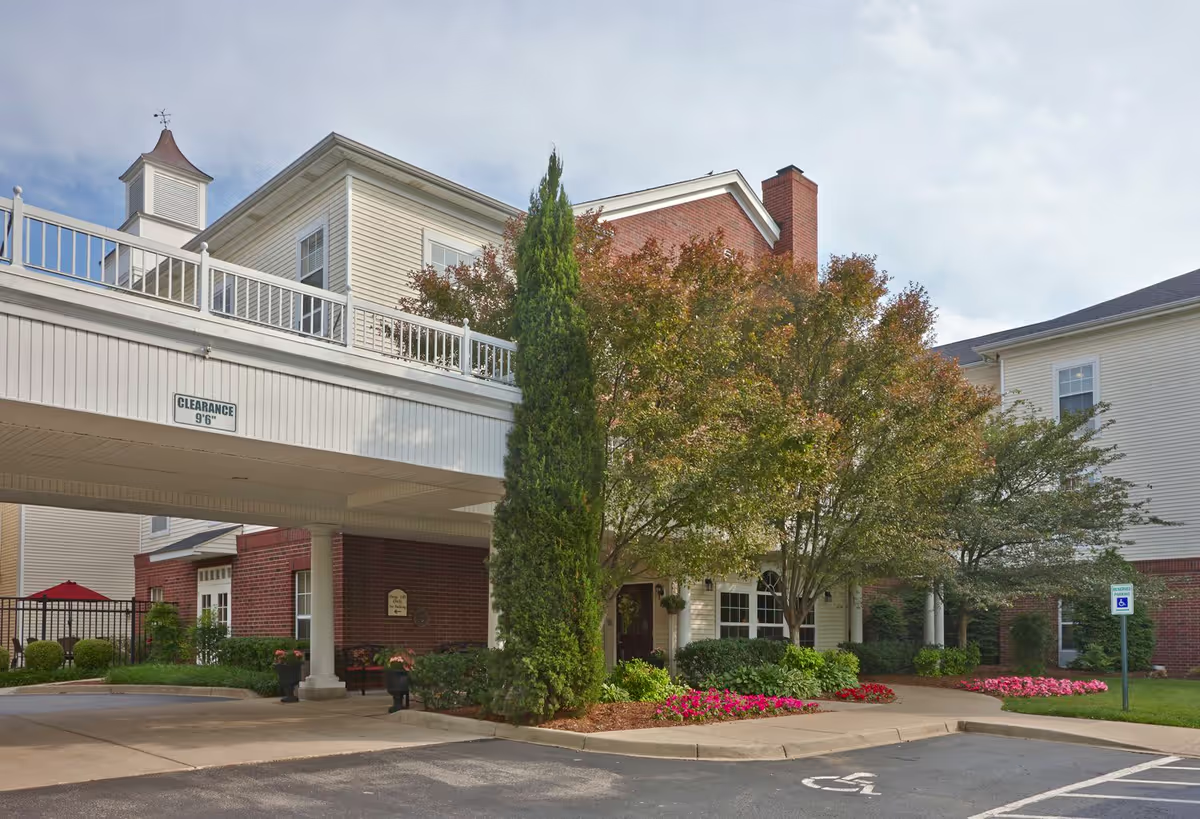
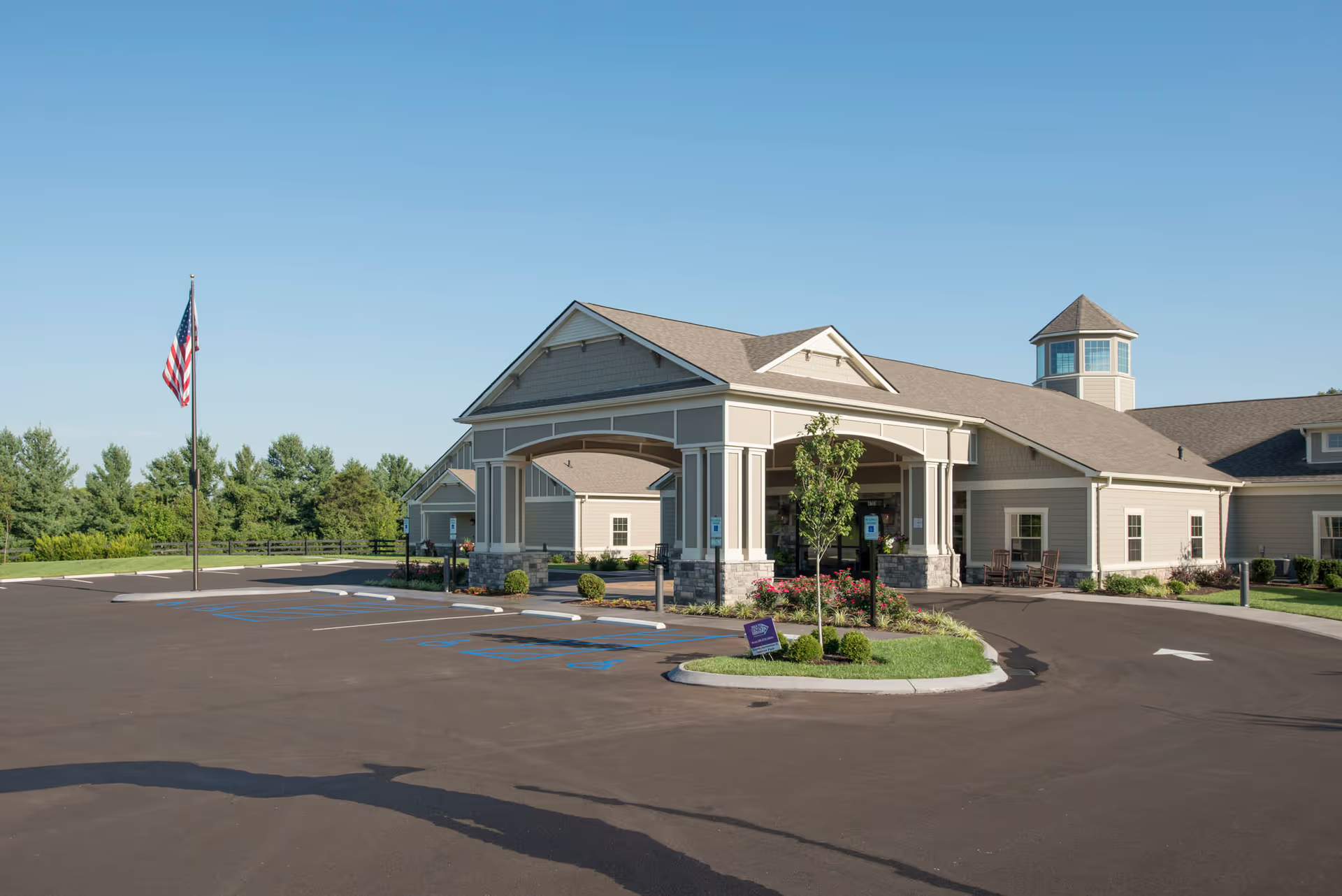
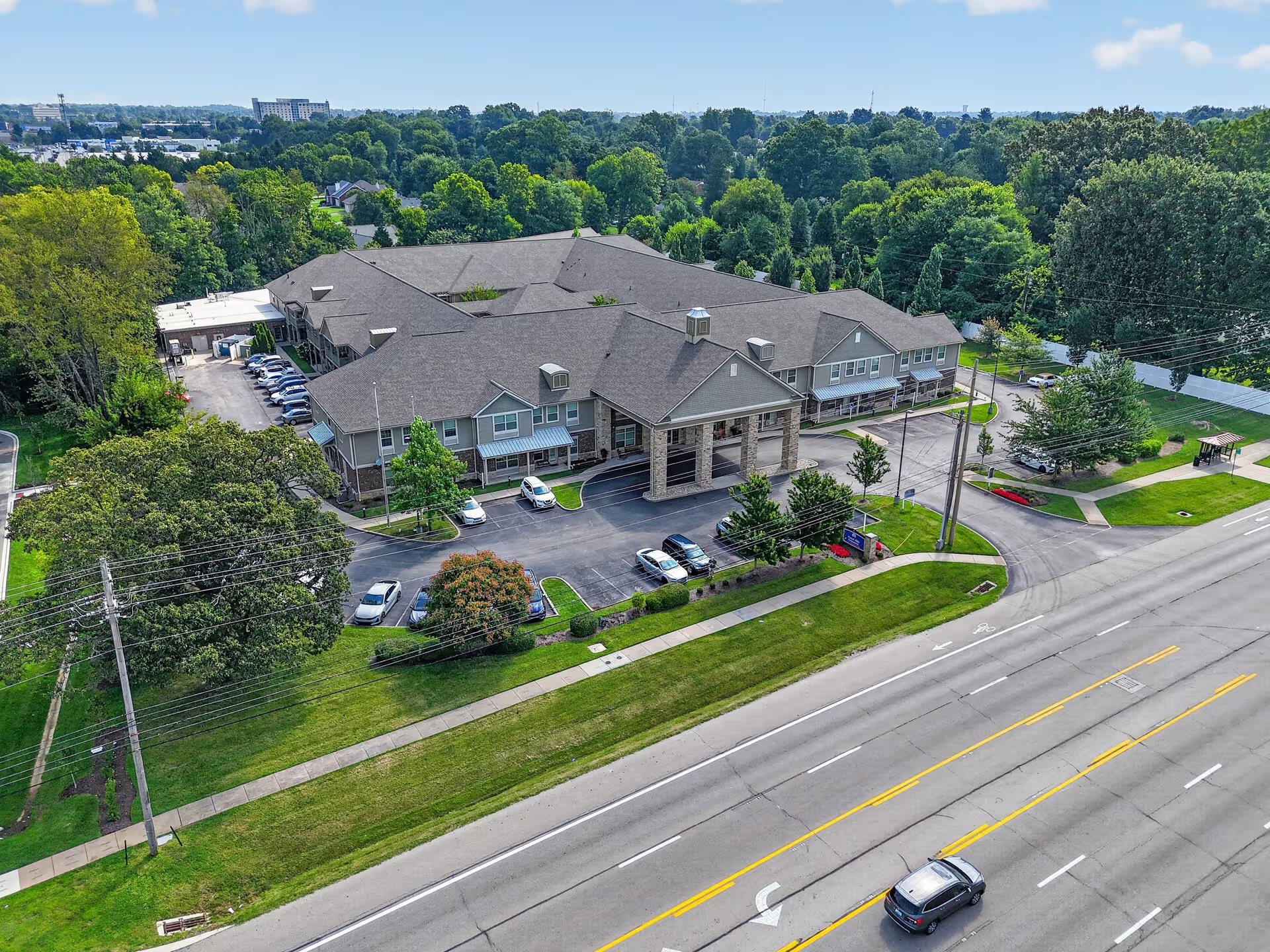
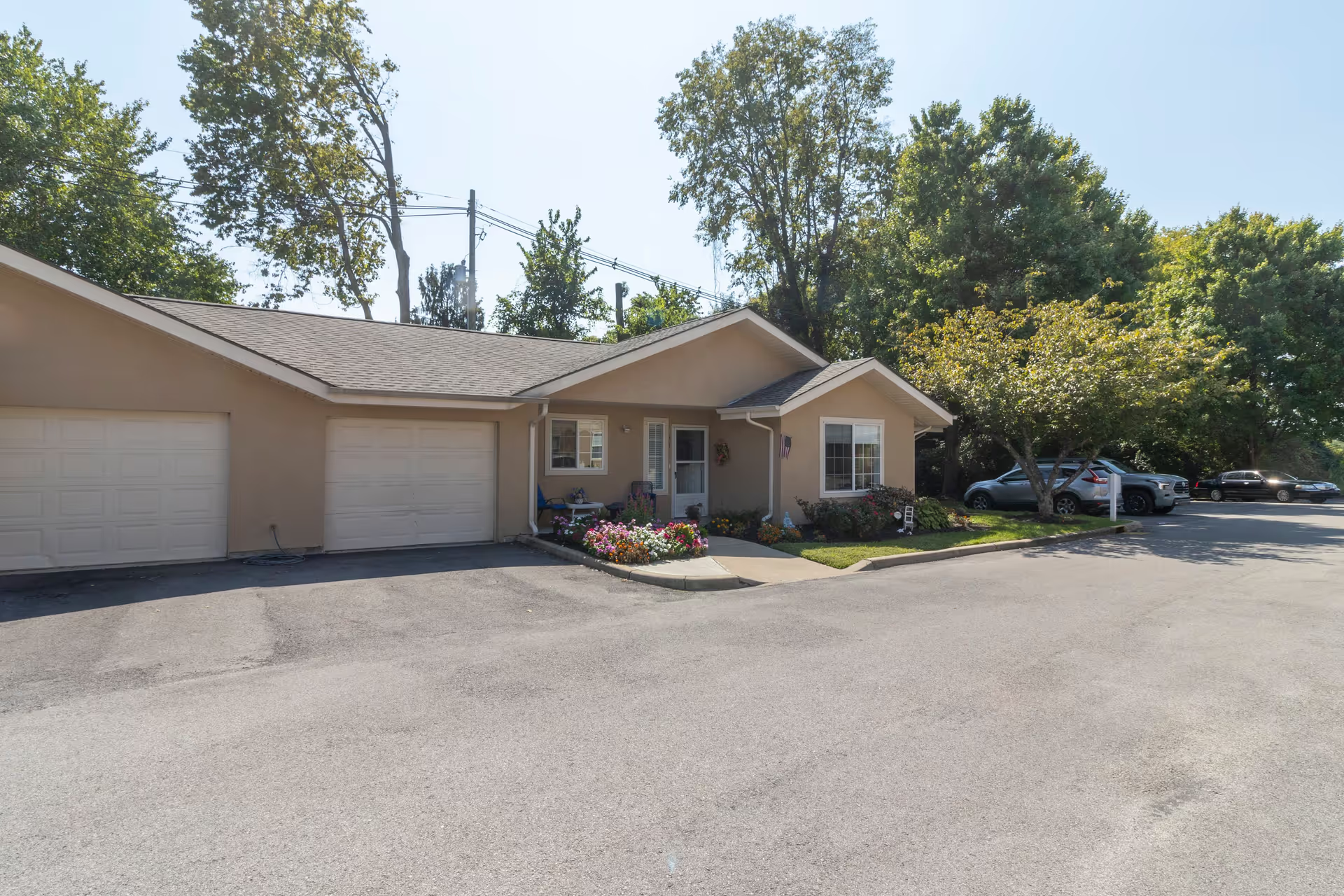
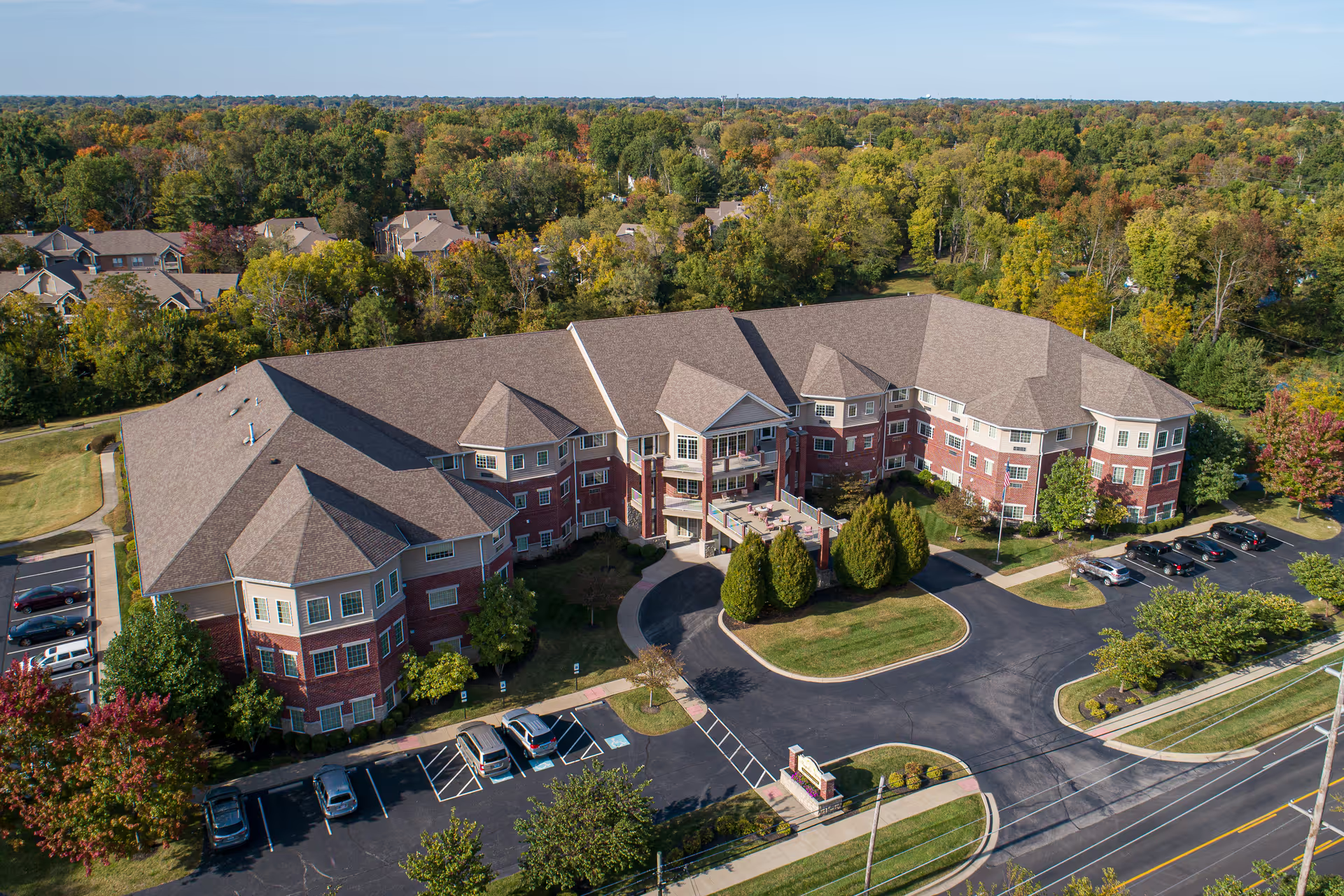
Facilities and safety: Physically, CreekSide is described as clean, modern, and well-kept, with a layout that many families find safe and easy to navigate (including single-floor areas). The small size and home-like design are often cited positively. However, there are repeated notes about access difficulty caused by heavy room doors; this is an accessibility and safety design concern that should be assessed for individual mobility needs. Sanitation and odor control are generally praised but a minority of accounts indicate lapses; prospective families should observe multiple areas and times of day.
Management and administration: Many reviews describe proactive, communicative management that provides photos, Zoom updates, and prompt issue resolution. At the same time, other families reported problematic administrative interactions — including difficulties with after-hours contact, voicemail overflow, documentation handling, billing/receipt requests, and at least one privacy-related concern. These mixed experiences suggest variability in administrative reliability and record-handling processes.
Notable patterns and considerations: - The strongest, consistent positives are interpersonal: warm staff, an energetic activities program, and a small, homelike community feel. These qualities support quality of life for many residents. - The most important operational risks to verify in person are staffing consistency, medication administration practices, and meal-service reliability. A small number of reviews describe serious clinical incidents; while these appear to be individual events, they underscore the importance of direct discussion about clinical policies, staffing ratios, training, and incident reporting. - Accessibility (heavy doors) and specialized memory-care capability showed variability across accounts; families with specific mobility or dementia-care needs should request targeted demonstrations and documentation of memory-care staffing, programming, and safety features.
Recommendation guidance: For families prioritizing a warm, activity-rich, small-community setting with visible caregiving strengths, CreekSide may be an appropriate choice. For families focused primarily on clinical reliability — particularly medication administration, consistent staffing, and administrative record-keeping — it is advisable to obtain clear, written answers about staffing ratios, medication-safety protocols, after-hours coverage, and financial/record-handling practices before making a placement decision.