Reviews for Hillcreek Rehabilitation and Care present a strongly polarized picture: many families and clinicians praise the facility’s therapy programs and highlight individual caregivers who are attentive and effective, while others outline recurring operational weaknesses that affect daily living and long-term care. The most consistent strength across accounts is the rehabilitation service line — physical and occupational therapy (including orthopedic-focused care) and respiratory therapy are repeatedly described as competent, engaged, and outcome-focused. Admissions and some members of clinical leadership and social work also receive positive mentions for being helpful and communicative.
Care quality beyond therapy is uneven. Several accounts describe lapses in routine nursing functions such as medication administration timing, wound and skin-prevention practices, and assistance with toileting and hygiene. These accounts also reference delays in responding to call lights and requests for help, which contributors link to staffing patterns. Pressure-injury prevention, nutrition and weight monitoring, and continuity of medication delivery emerge as particular clinical areas of concern in multiple narratives.
Staffing and staff conduct are presented as mixed. Many reviewers single out individual aides, therapists, and nurses as compassionate, communicative, and professional; conversely, others report that understaffing and use of temporary personnel coincide with slower response times and inconsistent care. Some family members describe unfriendly or unprofessional interactions and difficulties obtaining timely updates. In several cases, management responsiveness is described as variable: some leaders and departments are praised for responsiveness, while other families describe poor follow-up, limited accountability, and inconsistent communication during transfers and discharge planning.
Dining and daily-life services show persistent complaints about meal quality and reliability. Common concerns include meals arriving late or at improper temperature, limited beverage service, and inconsistent assistance during mealtimes for residents who require help. Activity and social environment observations are more positive where noted — reviewers who were satisfied often cited a pleasant social climate and staff who foster resident engagement — but structured activity programming receives less consistent feedback than therapy services.
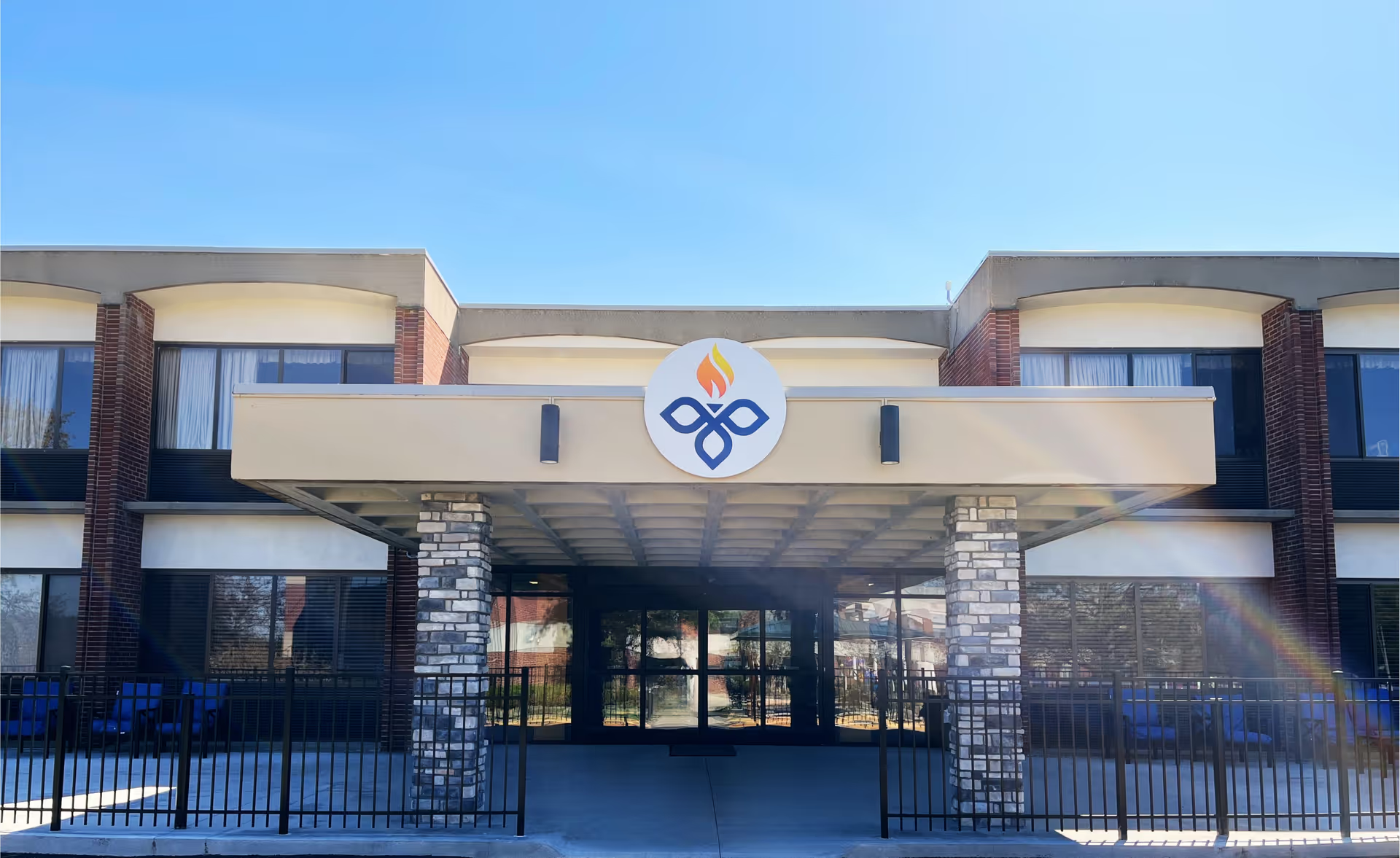
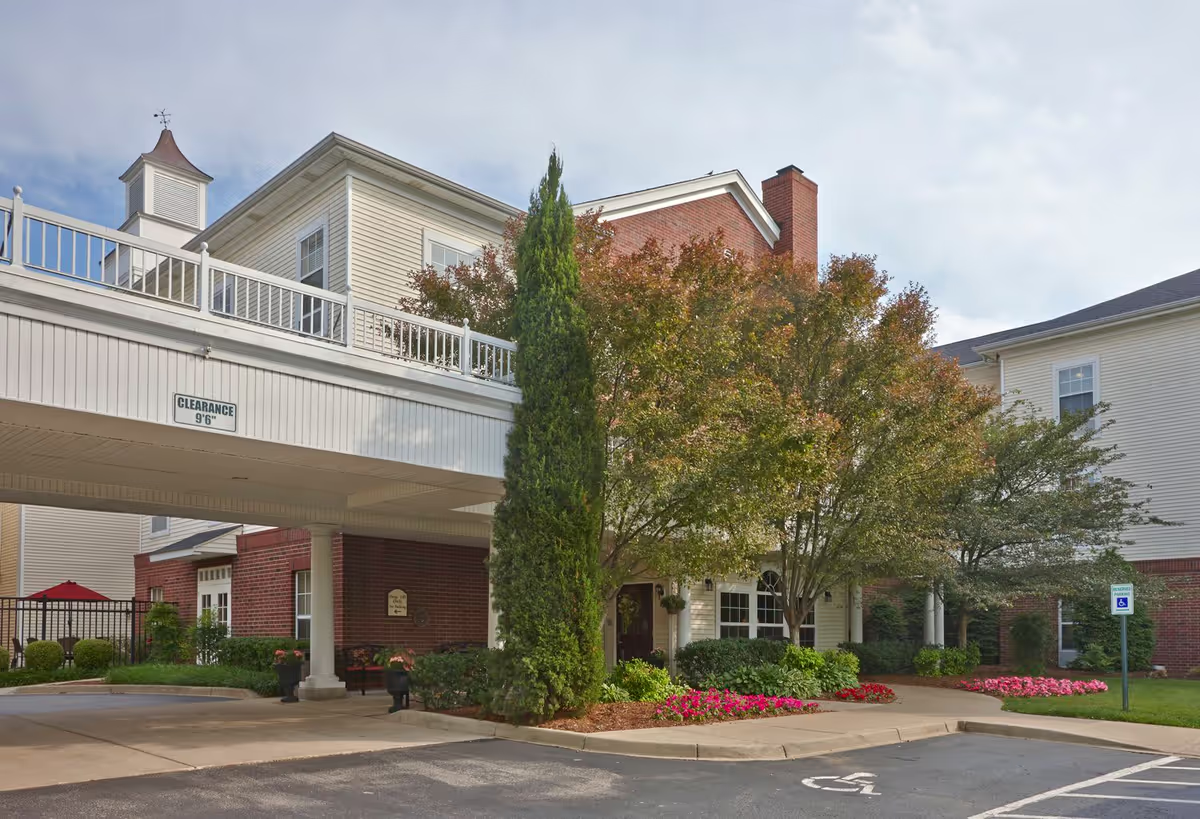
Facility environment and maintenance are frequent subjects of concern. Reviews mention cleanliness issues, odor-management challenges in resident and common areas, and pest-control concerns in some units. Maintenance problems — such as air-conditioning, hot-water access, and aging furnishings or decor — are described by families as affecting resident comfort. There are also repeated notes about belongings-management problems, including missing personal items and confusion during discharge, which contribute to family frustration.
Overall pattern: Hillcreek appears to deliver strong, often excellent rehabilitative therapy and to employ many dedicated individual caregivers, but it also exhibits systemic operational weaknesses that affect nursing continuity, environmental cleanliness, meal service, and family communication. Prospective residents and families would benefit from an in-person tour focused on nursing-staffing levels at different shifts, medication administration protocols, infection-control and housekeeping practices, dining observations, documentation of belongings procedures, and direct questions about how the facility manages handoffs and family notifications during clinical incidents or end-of-life care.