Overall impression is mixed: reviewers frequently highlight compassionate, resident-focused employees and a sense of teamwork among staff, but they also identify recurring operational problems that affect daily care and family experience. Positive comments center on individual caregivers who demonstrate kindness and attention, while criticisms point to systemic gaps in responsiveness, staffing, communication, and facility upkeep.
Care quality: There is evidence of caring interactions at the bedside, but families describe delays in receiving assistance and express concerns about the consistency of nursing-level care. These comments suggest variability in how promptly staff attend to needs and in clinical follow-through. Prospective residents and families should ask about current staffing ratios, typical response times to call systems, and how the facility monitors and improves nursing performance.
Staff and teamwork: Many reviewers praise the disposition and teamwork of front-line staff, noting compassionate treatment of residents and collaborative work among caregivers. At the same time, staff praise coexists with remarks about periods of unresponsiveness and difficulty reaching staff, indicating that teamwork is a strength but may be undermined when coverage is thin or during busy periods.
Dining and activities: Food quality is described as underwhelming or inconsistent. Reviewers did not offer detailed feedback about programs or recreational activities, so there is limited information about the vibrancy of the activity schedule. Families should request menus, sample meals during a visit, and an activities calendar to assess whether dining and programming meet expectations.
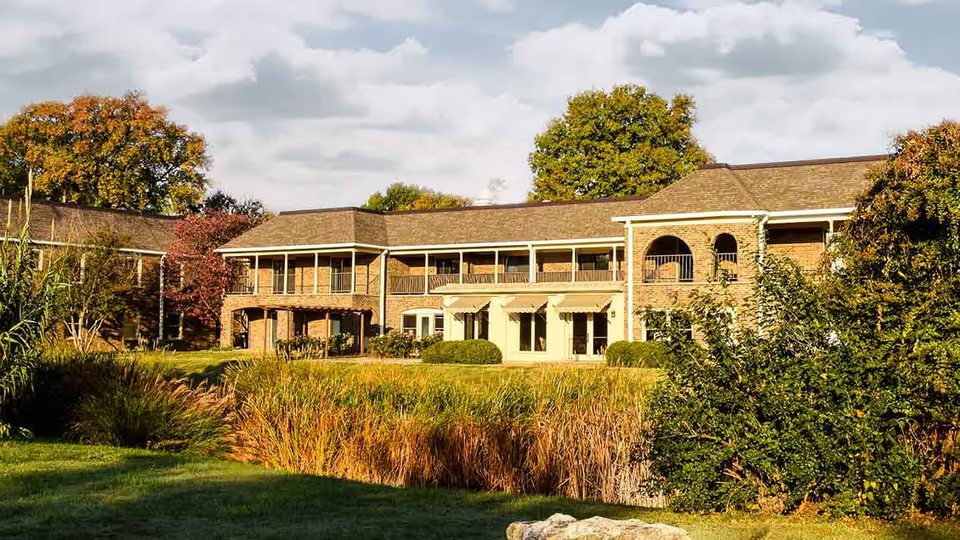
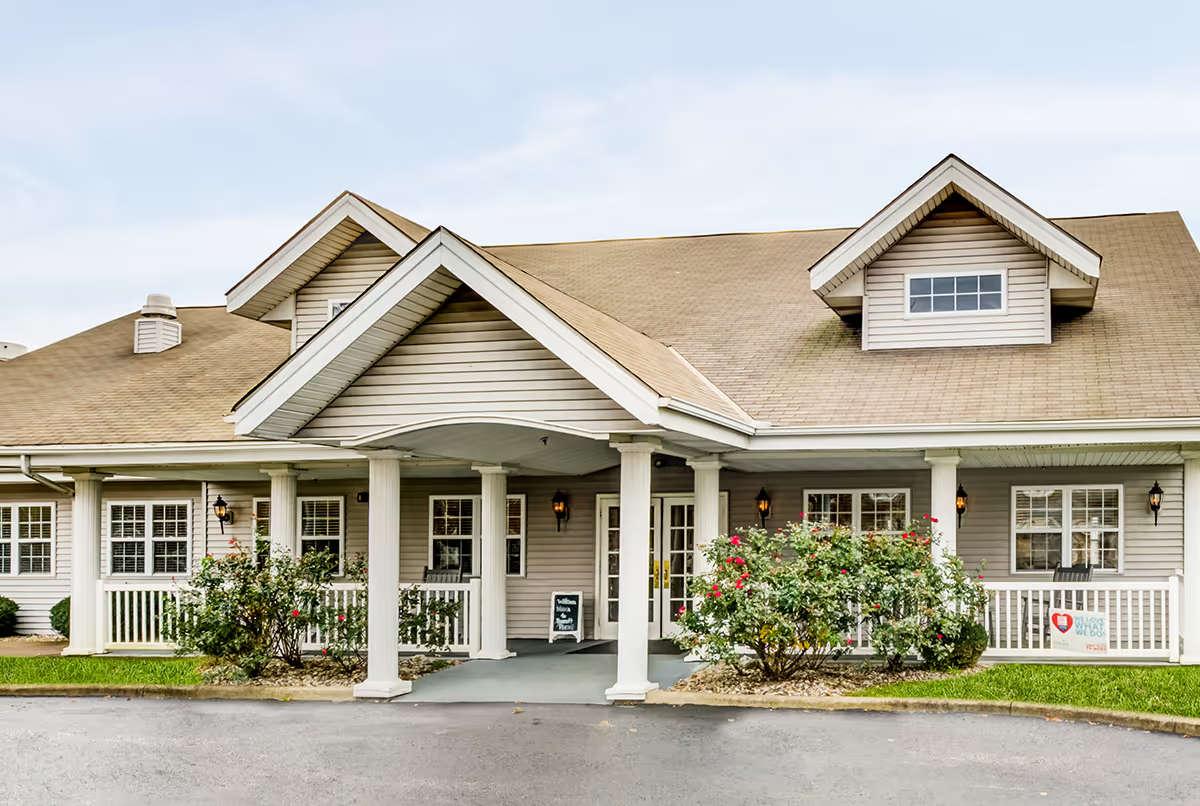
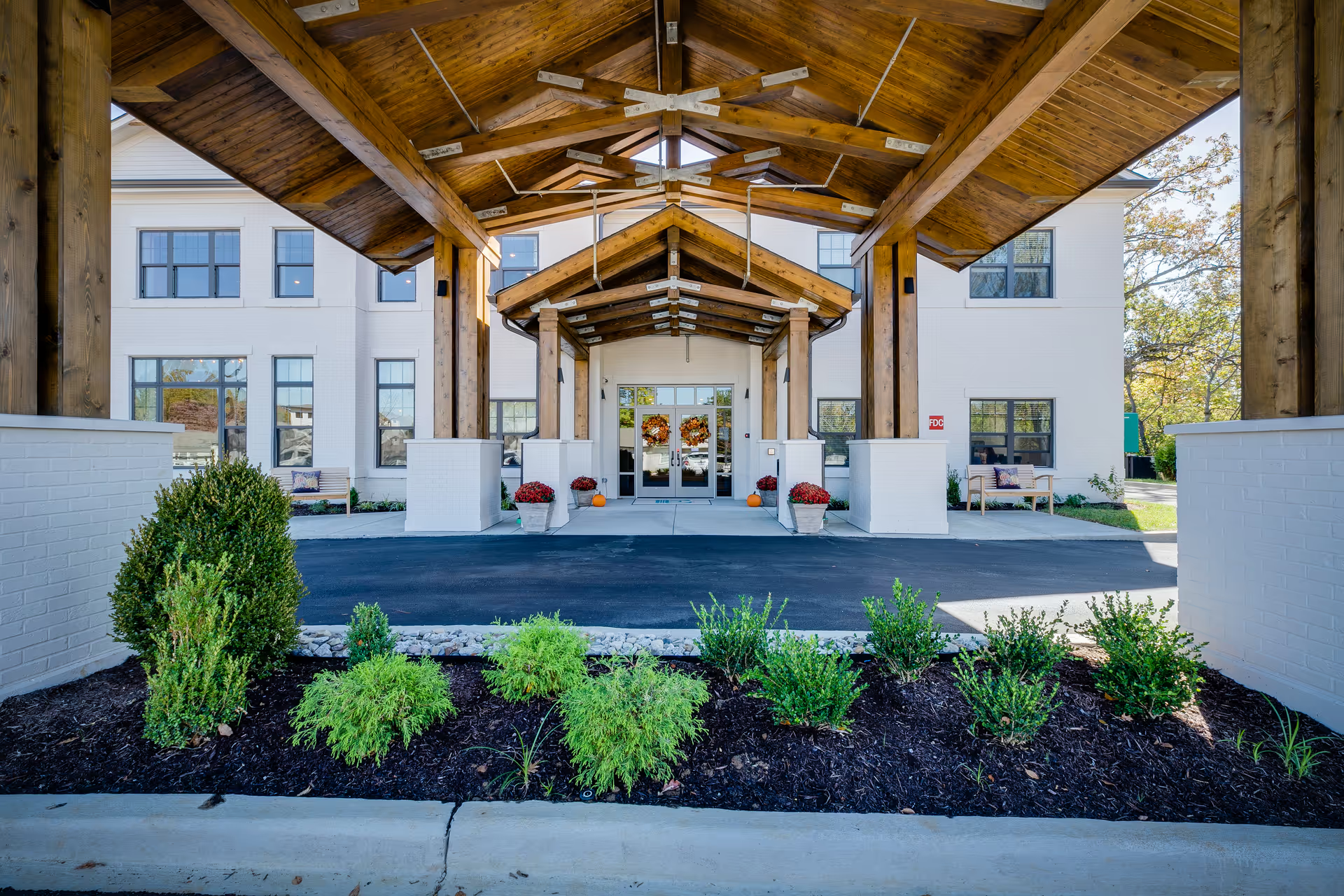
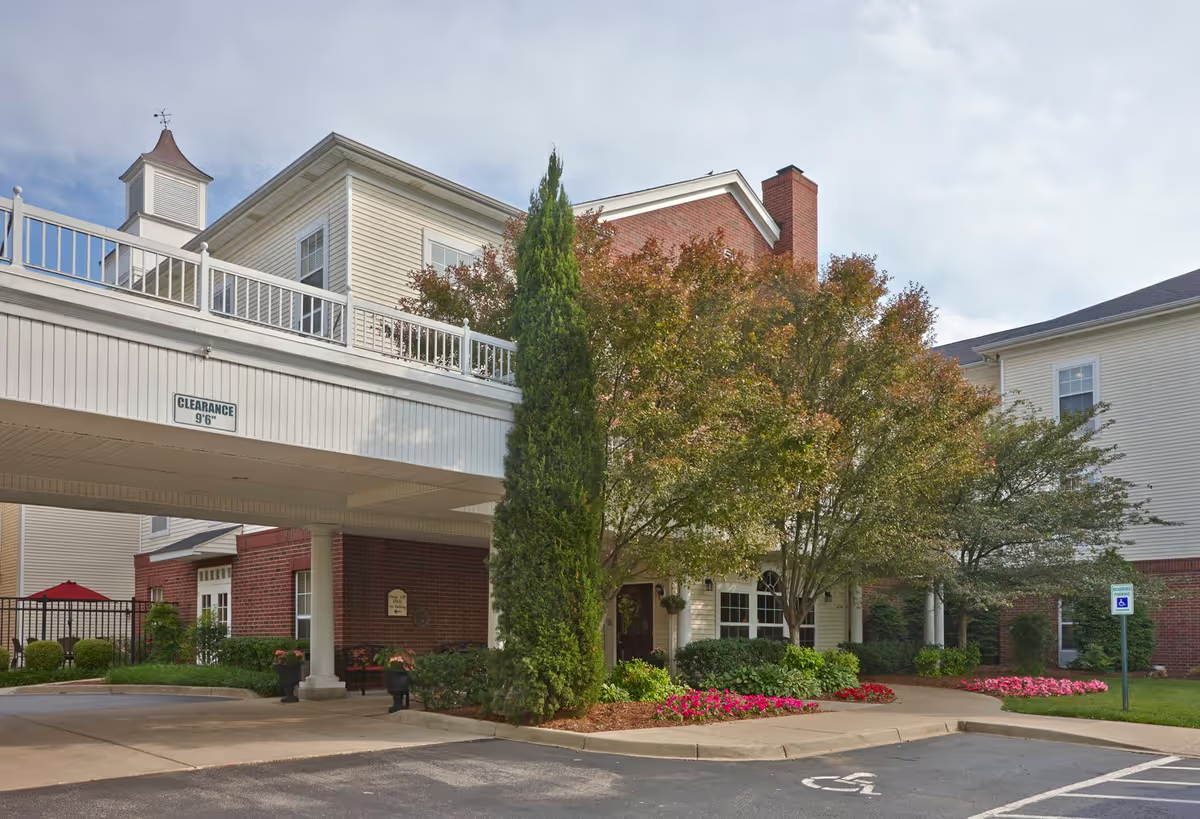
Facilities and management: Cleanliness and sanitation concerns are noted for certain areas, and an initial admissions experience left some visitors with a poor first impression. Communication processes between the facility and families are identified as weak—difficulty contacting residents and unresponsive staff are recurring themes. The facility’s location is also described as inconvenient for some family members, which may affect visitation frequency.
Notable patterns and suggestions: The dominant pattern is a contrast between individual caregiver compassion and organizational shortcomings that create variability in care experience. Key areas for follow-up on a tour include staffing levels and turnover, escalation and family-notification procedures, call-bell response metrics, cleaning and infection-prevention practices, and sample meal/service observations. Asking management for recent staffing data, family communication protocols, and examples of corrective actions taken in response to concerns will help families weigh the caring interpersonal environment against the facility-level operational issues identified in reviews.