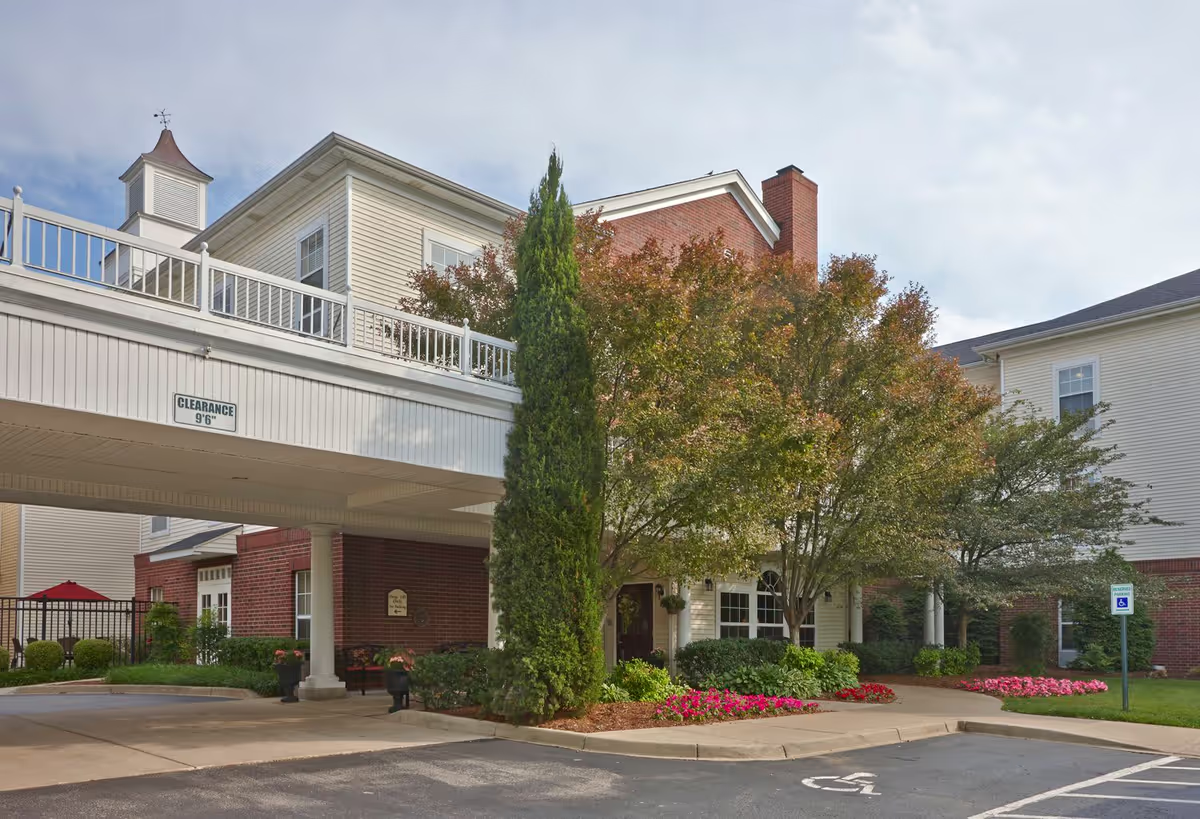
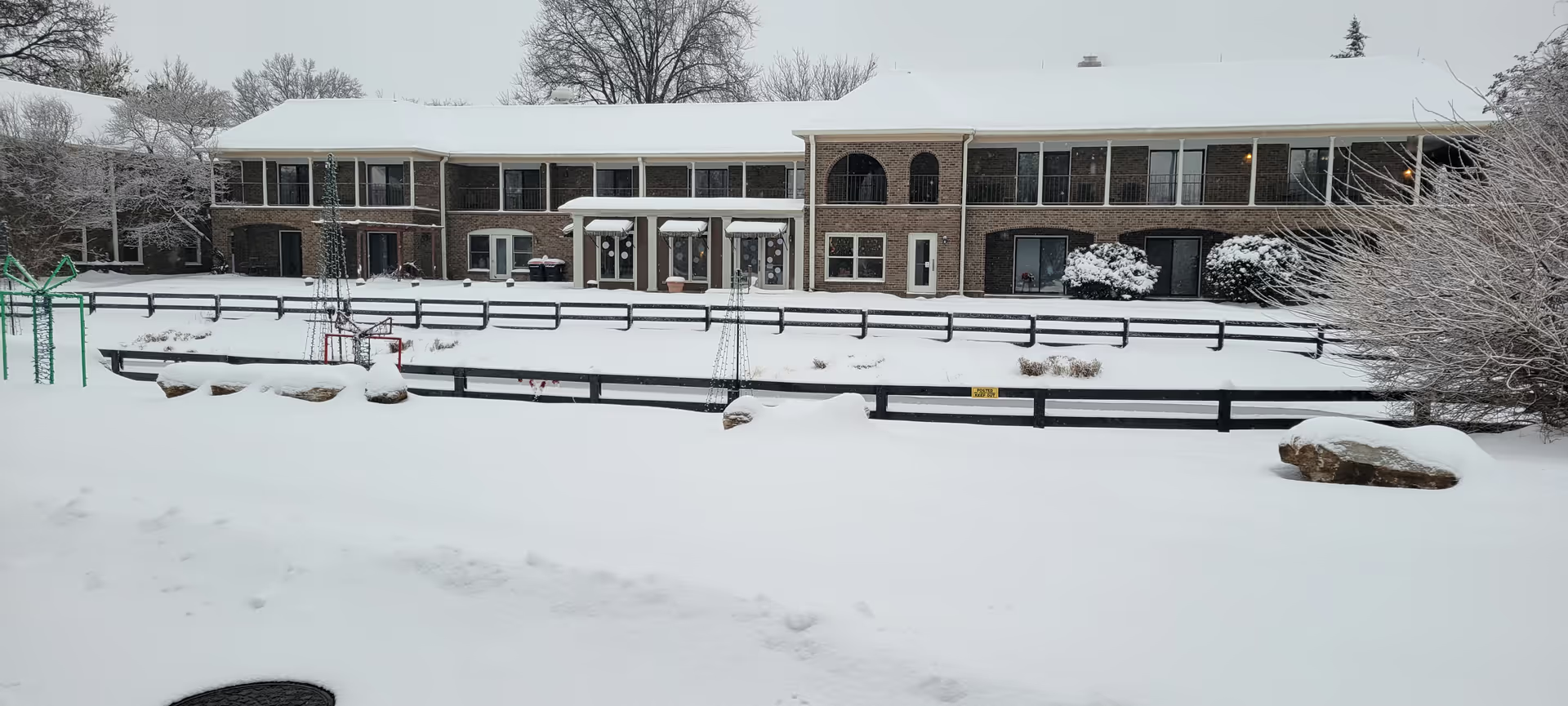
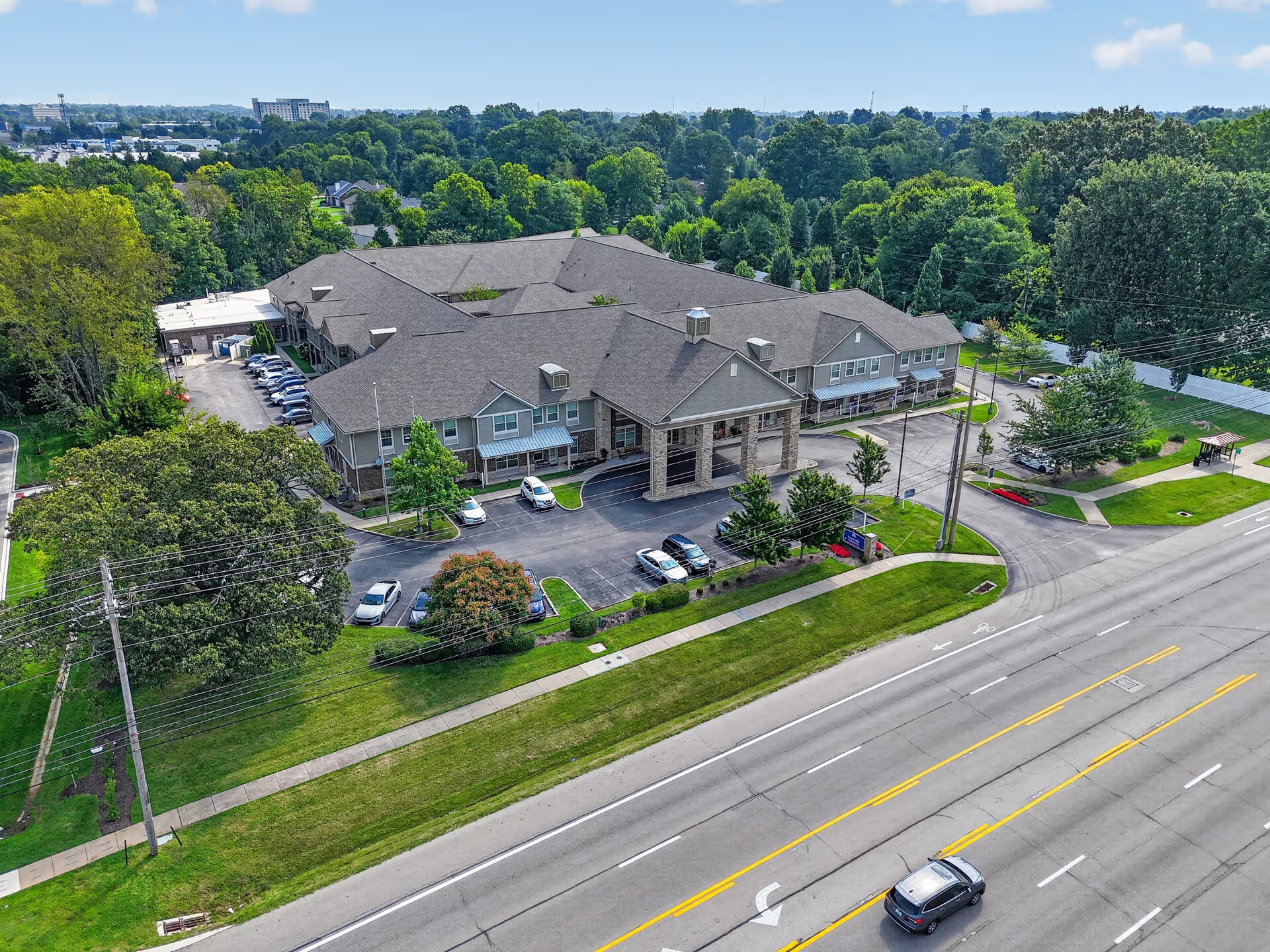
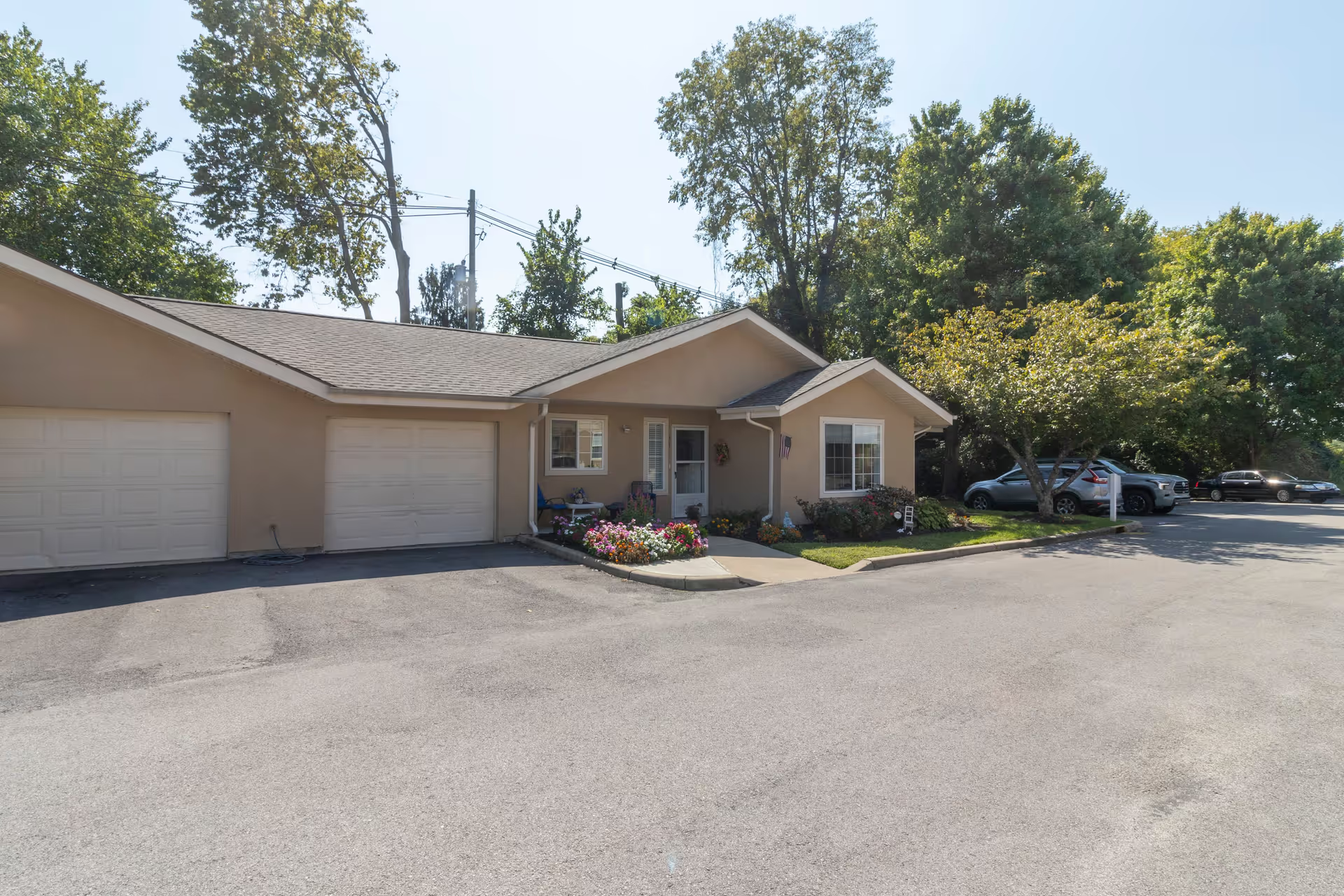
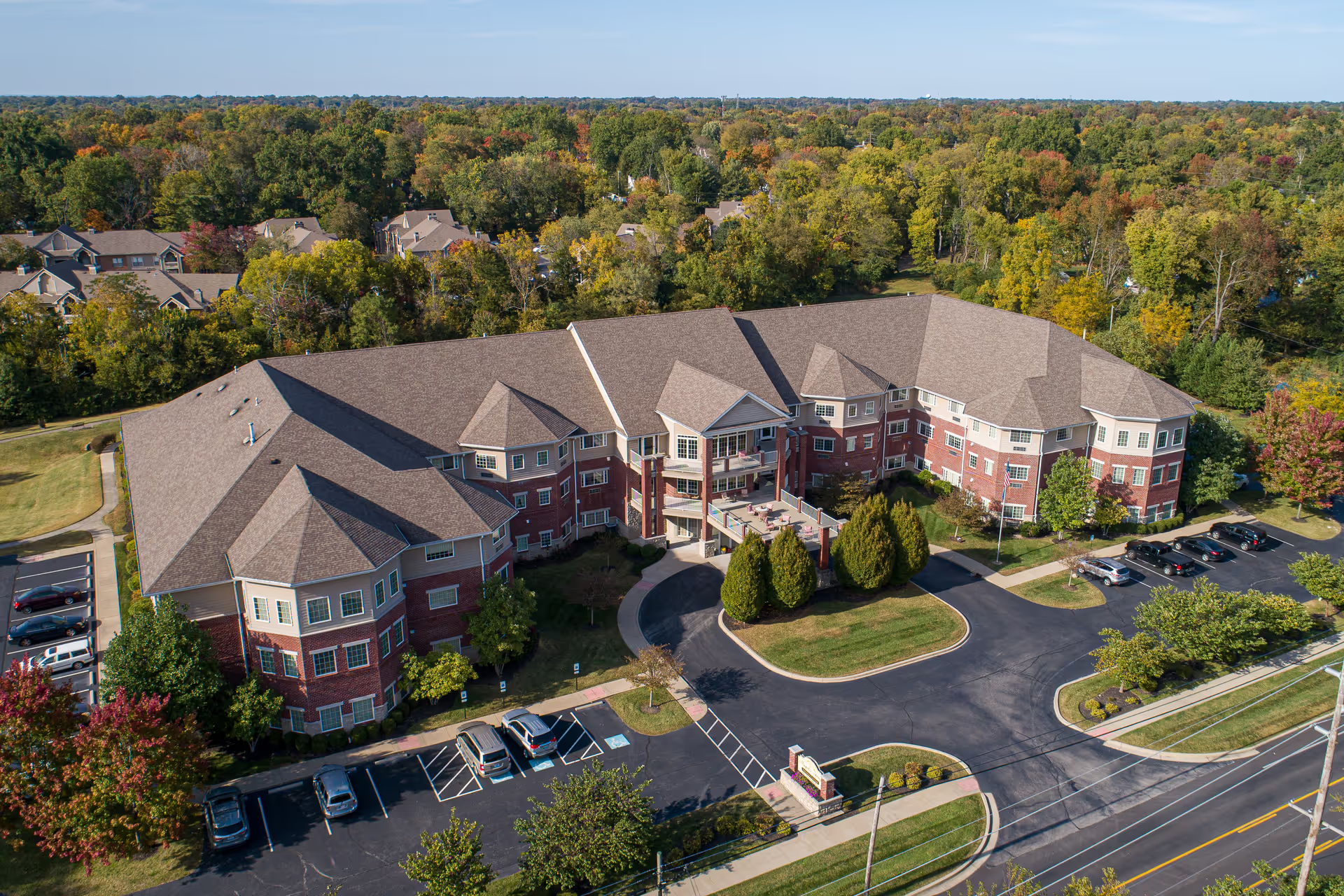
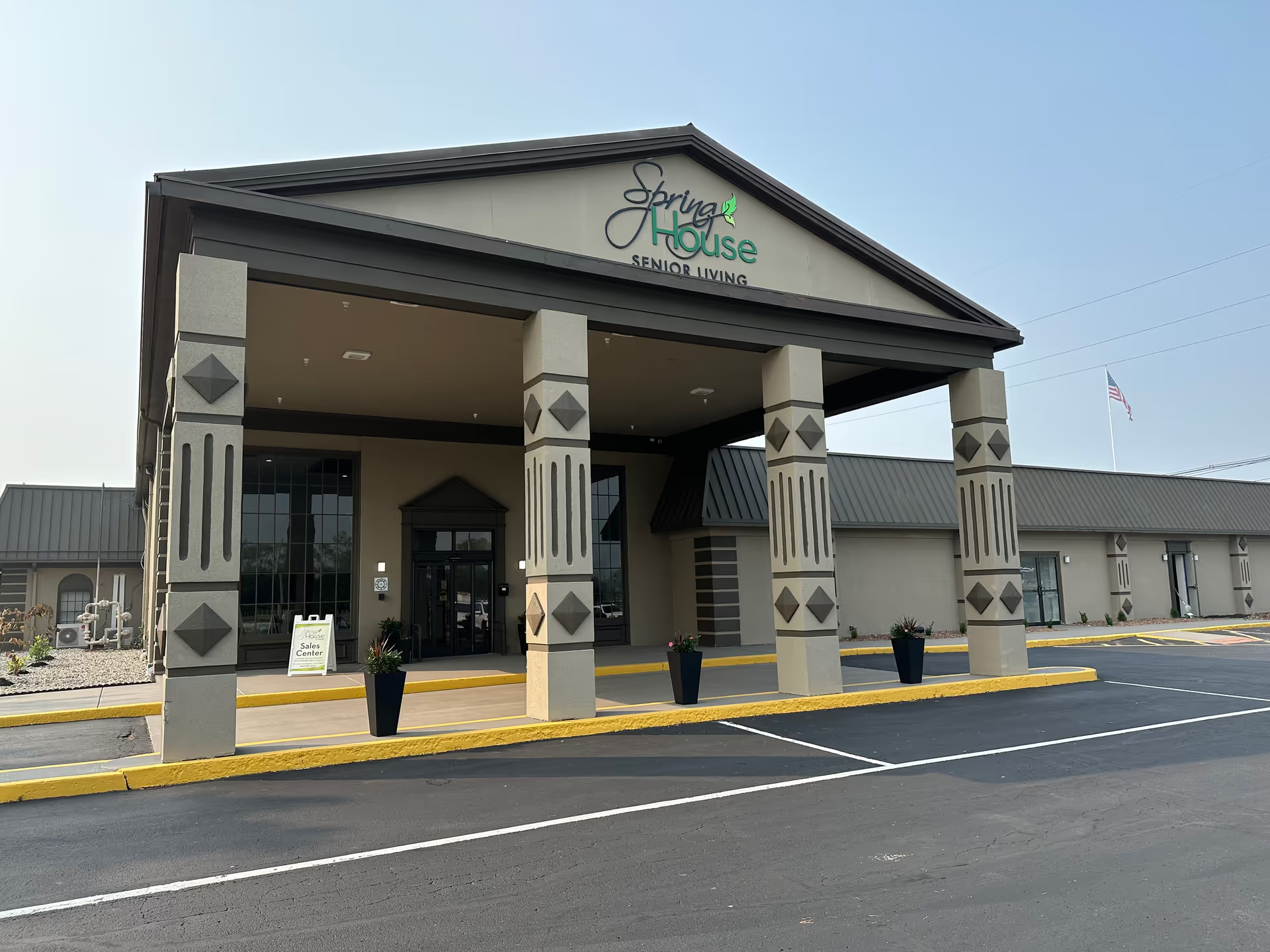
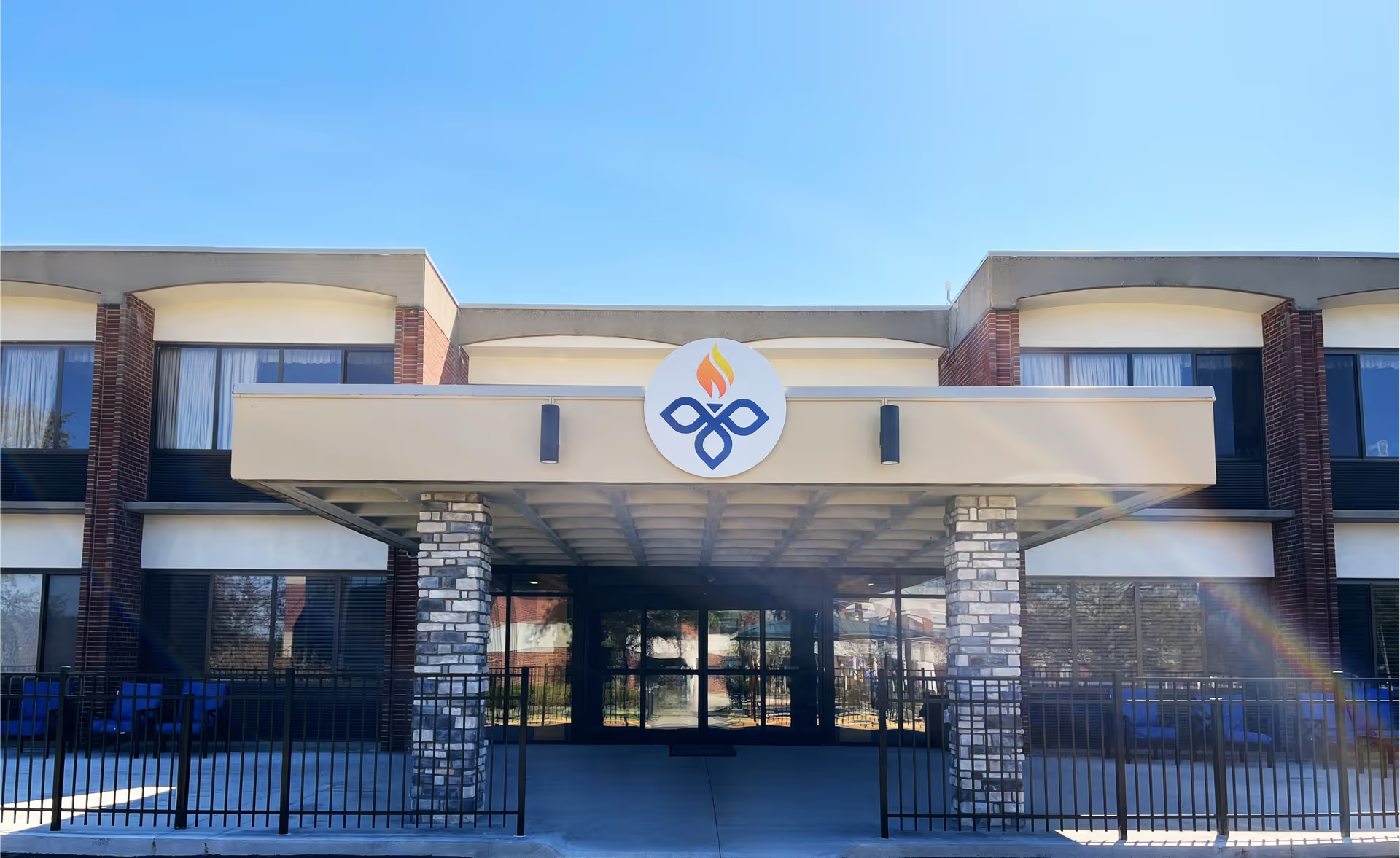
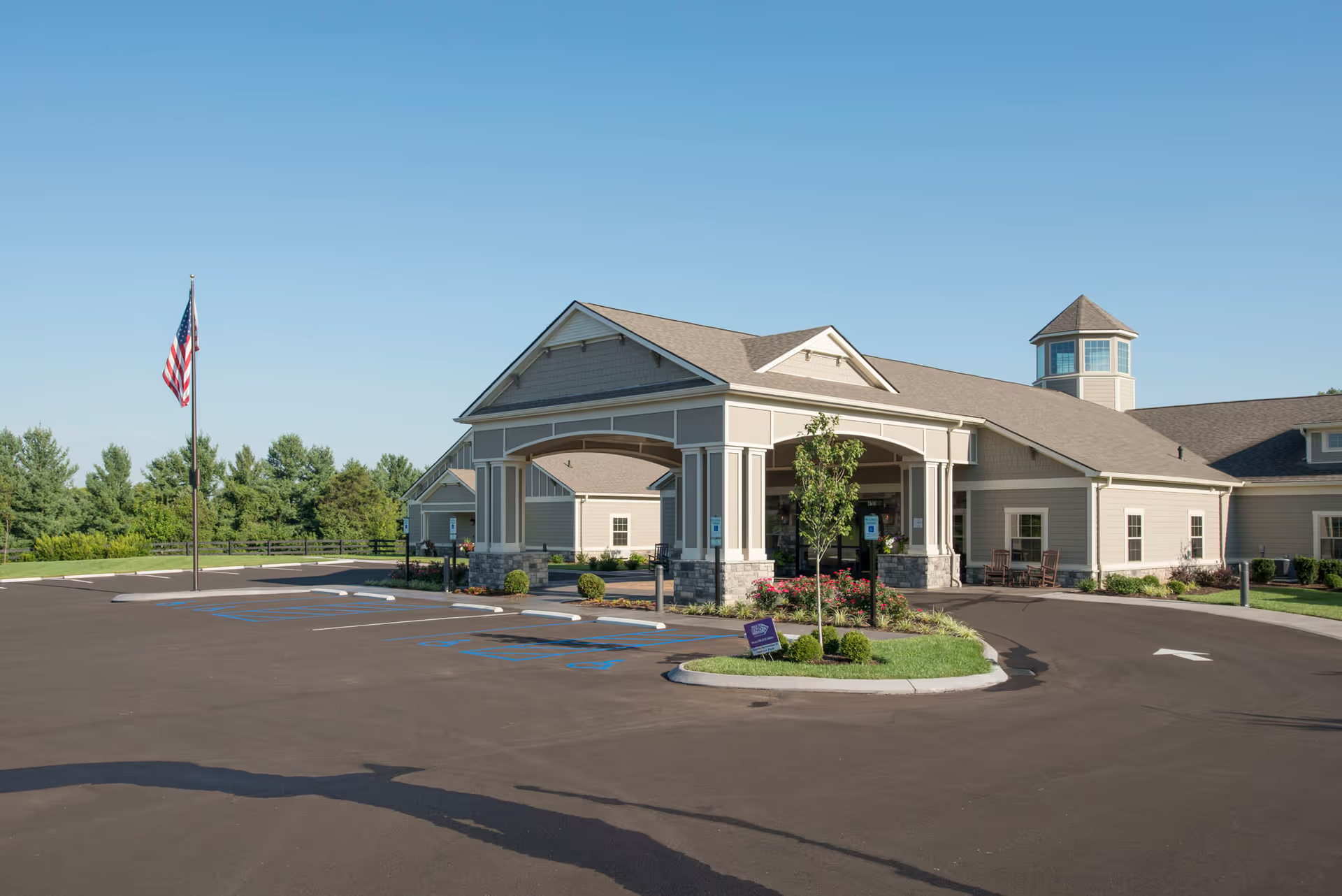
The reviews present a facility with two distinct faces: a consistently strong rehabilitation arm and several highly praised specialty units, alongside recurring operational weaknesses that families should evaluate before placement. The rehabilitation program, therapy teams, and certain specialized units (notably memory-care and brain-injury services) receive frequent positive mention for effective therapy, professional therapists, measurable functional gains, and well-appointed therapy spaces. Many reviewers also praised the recent remodeling, attractive common areas (grand lobby, sunlit day room, courtyard), and units that feel modern and comfortable.
Clinical-care experiences are uneven. While some units are described as staffed by compassionate, attentive caregivers and responsive administrative teams, other areas exhibit inconsistent nursing quality, long waits for assistance, and weaknesses in medication administration and documentation. Multiple accounts point to slow responses to call lights and toileting assistance, delayed escalation for acute changes in condition, and occasions when emergency response procedures were not activated promptly. These items combine to create safety and continuity-of-care concerns that prospective families should probe when touring and assessing specific units.
Sanitation and maintenance show a split picture: parts of the facility are clean and well-kept, while other wings have cleanliness and pest-control concerns, ongoing maintenance issues (room temperature, broken fixtures), and delays in room turn-over or preparation. Dining feedback is mixed—some reviewers appreciate personalized meals, nutritionist involvement, and hot, varied offerings; others report cold or low-quality meals and inconsistent portioning. Activity programming and outdoor access, including memory-unit programming and courtyard use, are strengths frequently cited as contributing to resident well-being.
Management and communication also vary. Several families described responsive, helpful administrative and social-work staff who assist with discharge planning and home-equipment ordering; however, other accounts describe communication breakdowns, delayed transfer and prescription paperwork, slow discharge coordination, and the impact of management turnover on day-to-day consistency. Unit-level variability is a prominent pattern: certain named units are repeatedly praised while specific other units show clustered operational problems.
Overall assessment: the facility can deliver high-quality rehabilitation and offers appealing physical amenities and specialized programming, but it also demonstrates persistent operational issues in nursing consistency, staffing levels, medication management, sanitation in some areas, and communication. Prospective residents and families should tour the exact unit under consideration, ask for current staffing ratios and medication-safety protocols, inquire about recent infection-control and pest-control actions, and request examples of how the facility handles incident escalation and discharge logistics before making placement decisions.