Nazareth Home – Clifton Campus presents a mixed but broadly coherent picture: many families praise the compassion of direct-care staff, the strength of the in-house rehabilitation program, and the facility’s pleasant grounds and activity offerings, while operational challenges—most notably staffing and clinical consistency—are recurring themes.
Care quality and staff: Numerous accounts emphasize caring, personable nurses, CNAs, and therapists who support rehabilitation goals and daily needs. Rehabilitation services are frequently cited as effective, with measurable improvements in mobility and activities of daily living for short-stay residents. At the same time, reviewers describe variability in clinical performance across shifts and disciplines—examples include delayed medication delivery, inconsistent pain control, and uneven quality of nursing oversight. These patterns point to reliable strengths at the caregiver level but gaps in consistent clinical processes and escalation.
Dining and nutrition: The dining program offers flexibility, multiple meal choices, and opportunities for dietary customization, with families noting proactive dietitian communication in some cases. The facility’s dining-room flexibility and willingness to accommodate preferences are positives. However, several families reported inconsistent meal quality (for example, cold dinners or an institutional presentation) and limited menu options or nutrition tailoring for specific needs such as diabetes, indicating room for improvement in meal execution and menu diversity.
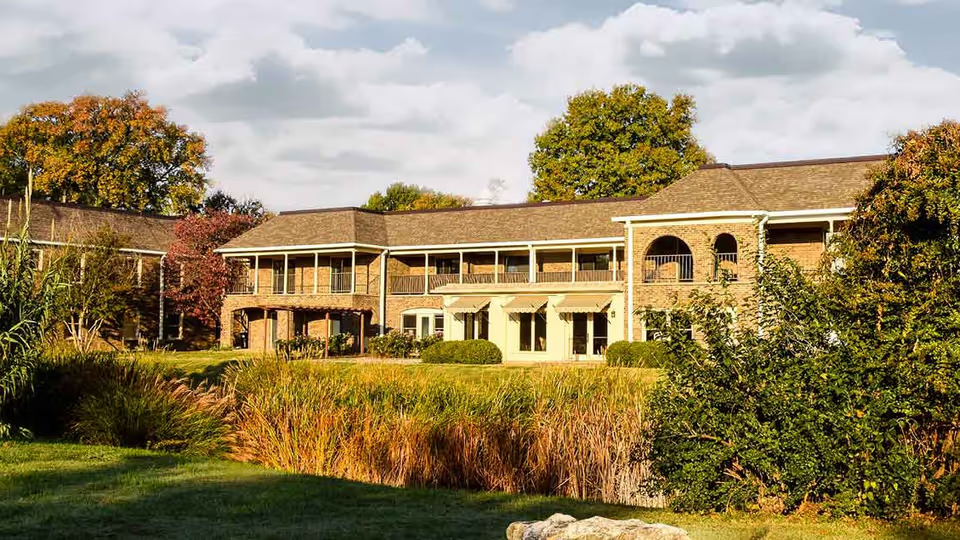
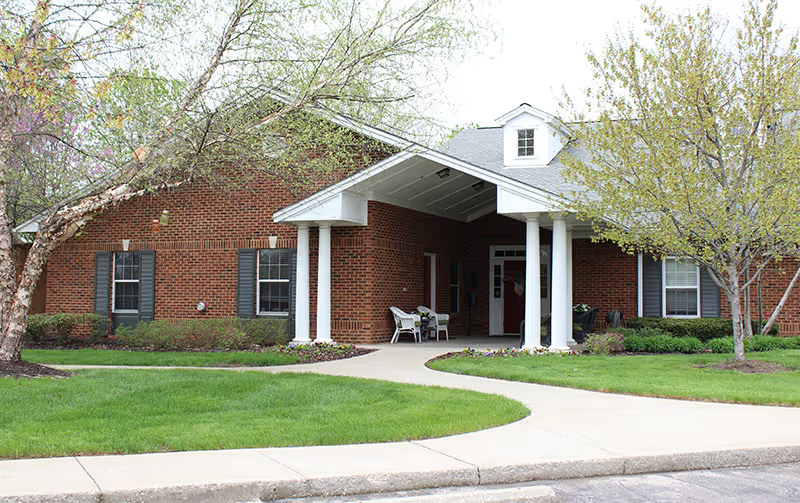
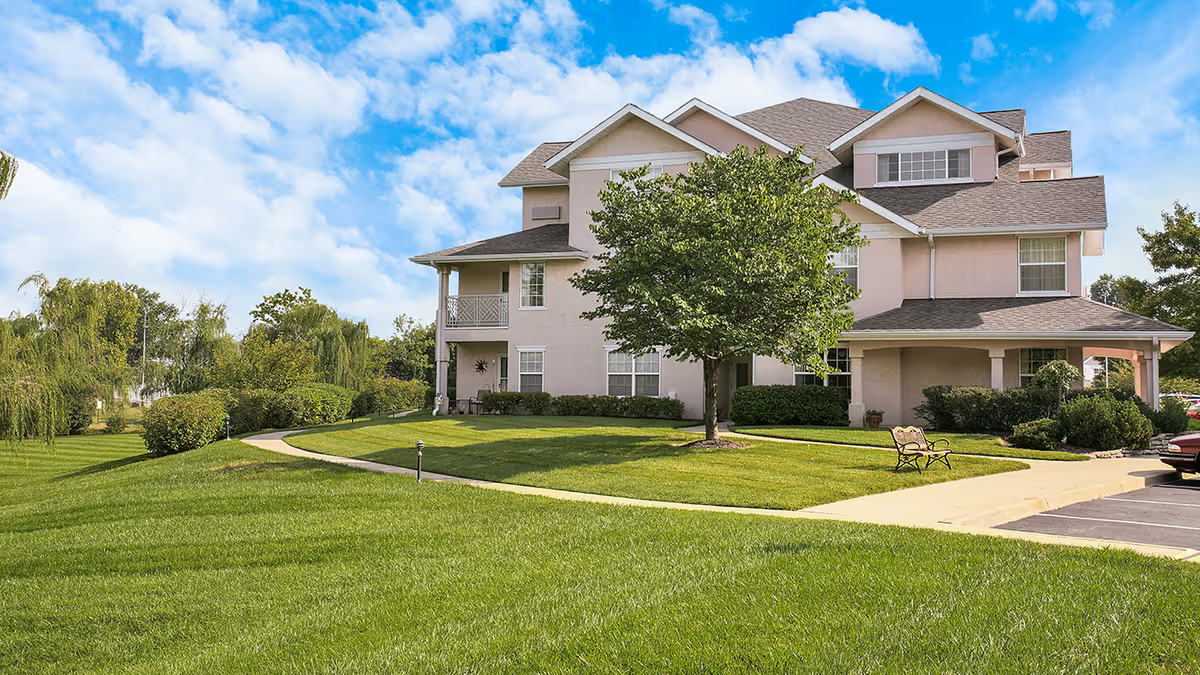
Activities and environment: Activity programming is a clear strength — residents have access to frequent events (concerts, singing, group activities), with monthly activity schedules that help families track engagement. The physical environment also receives positive feedback: clean interiors, well-maintained lawns, a sizable courtyard and a landscaped garden create a peaceful atmosphere and usable outdoor space for visits and exercise.
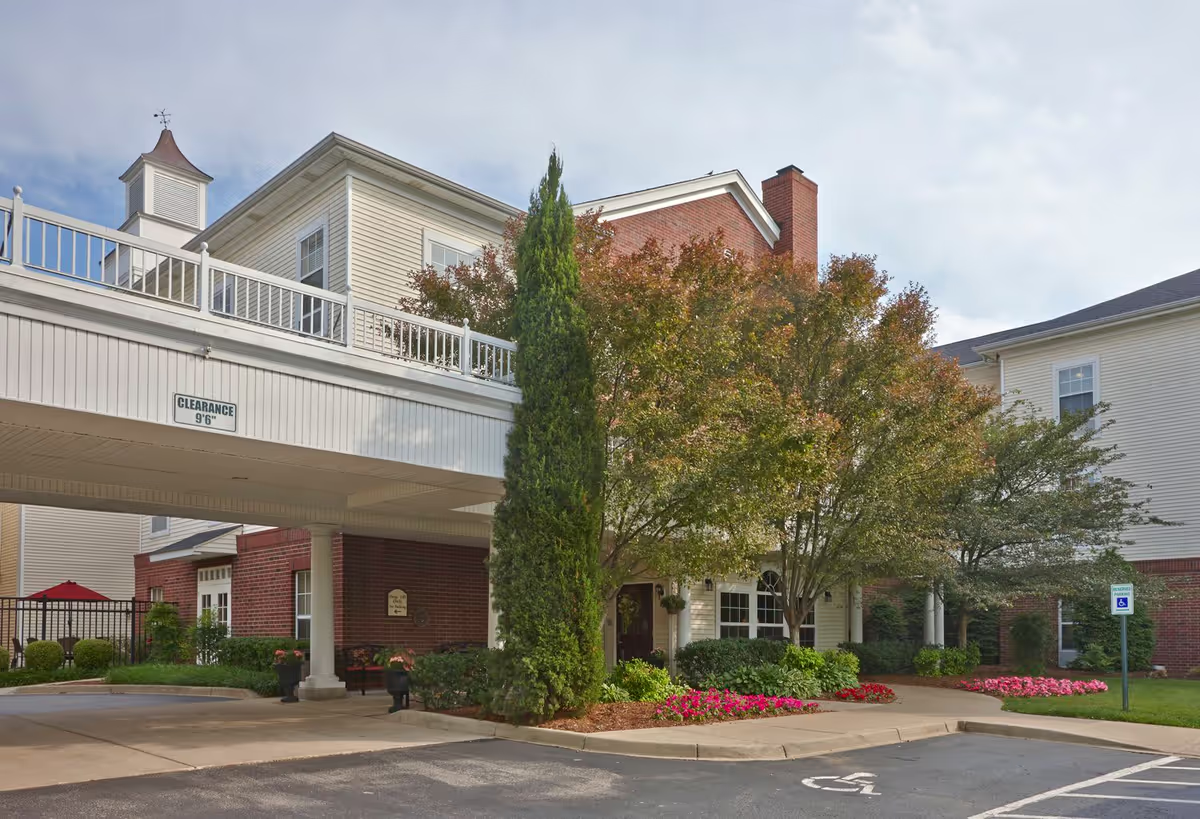
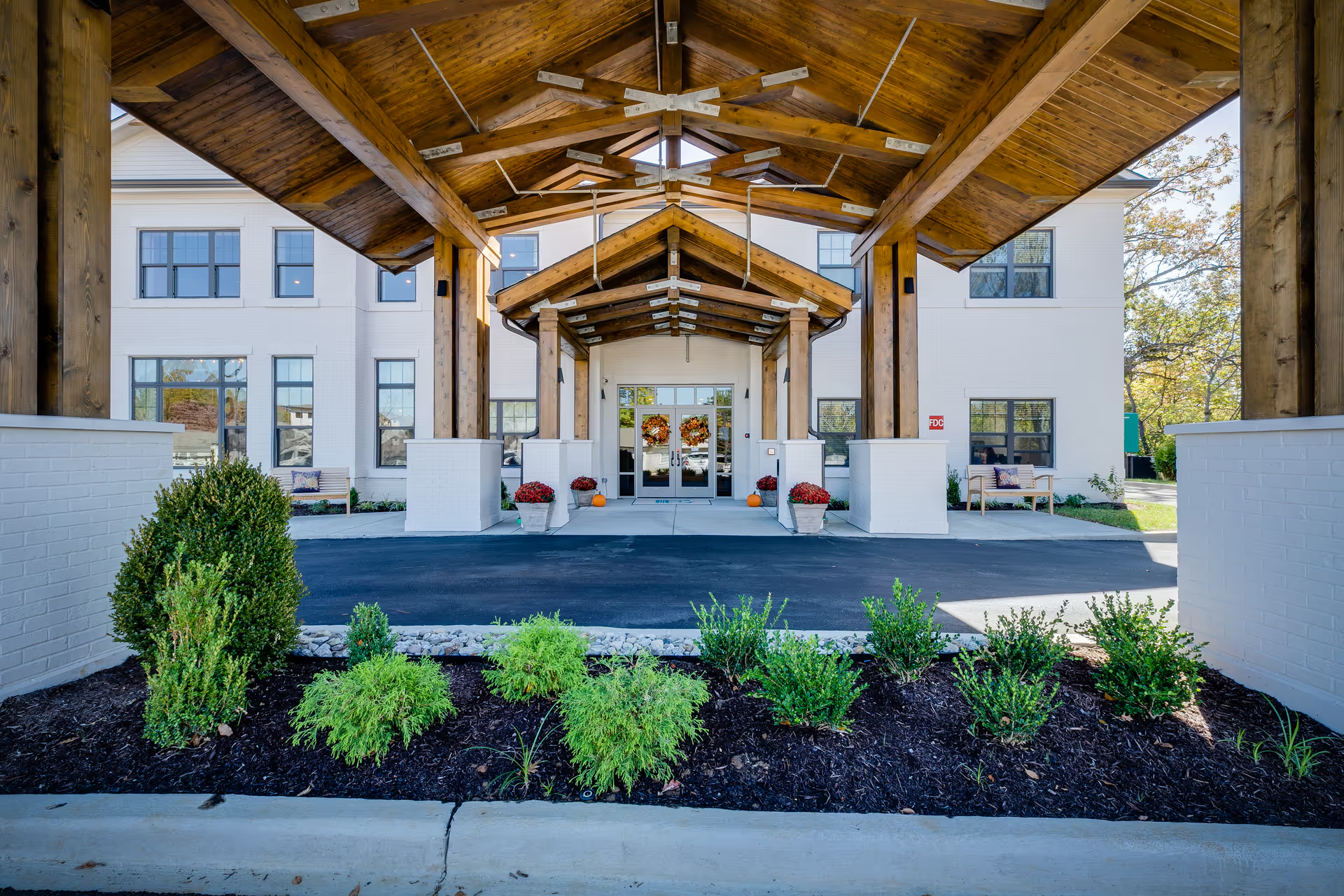
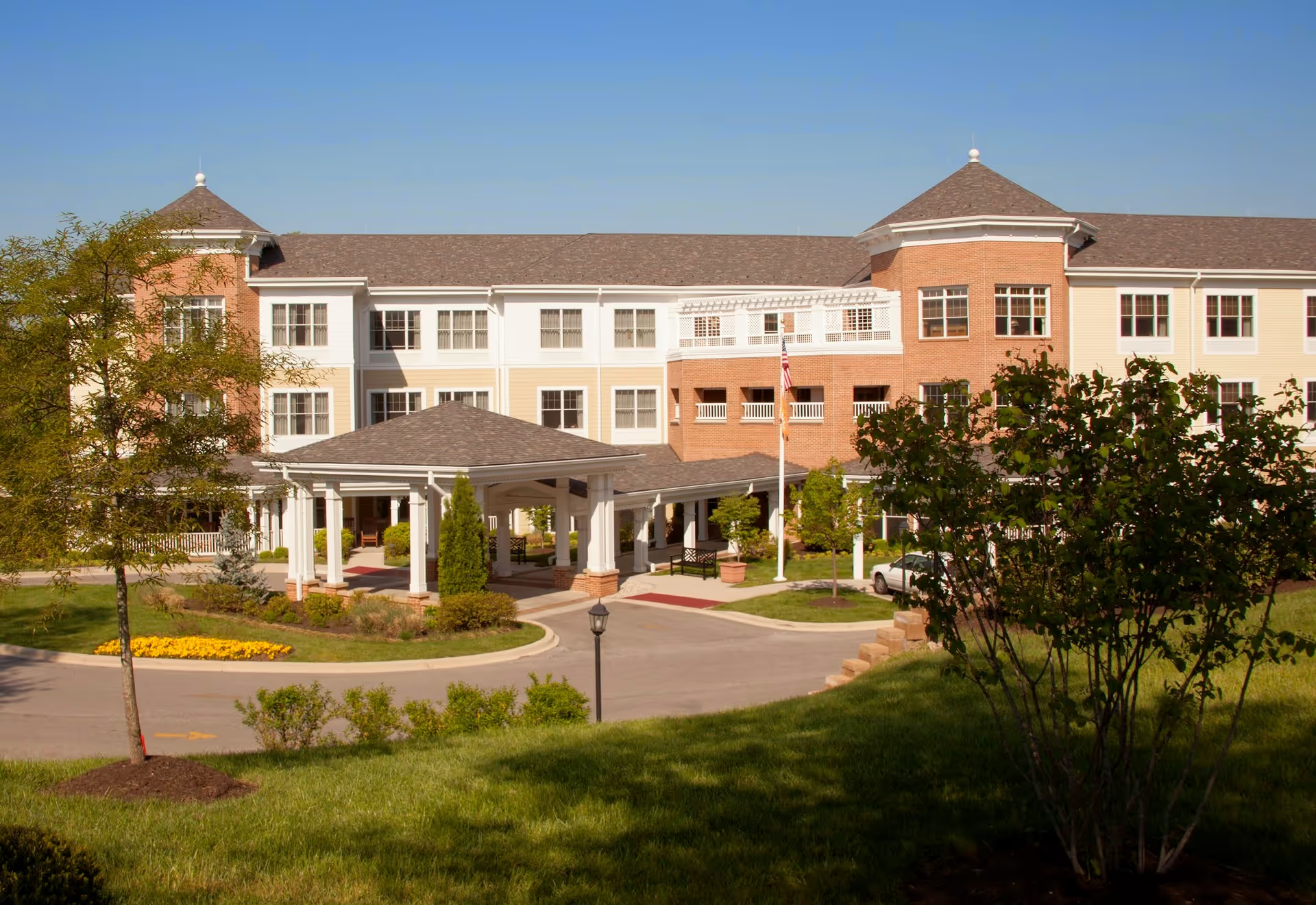
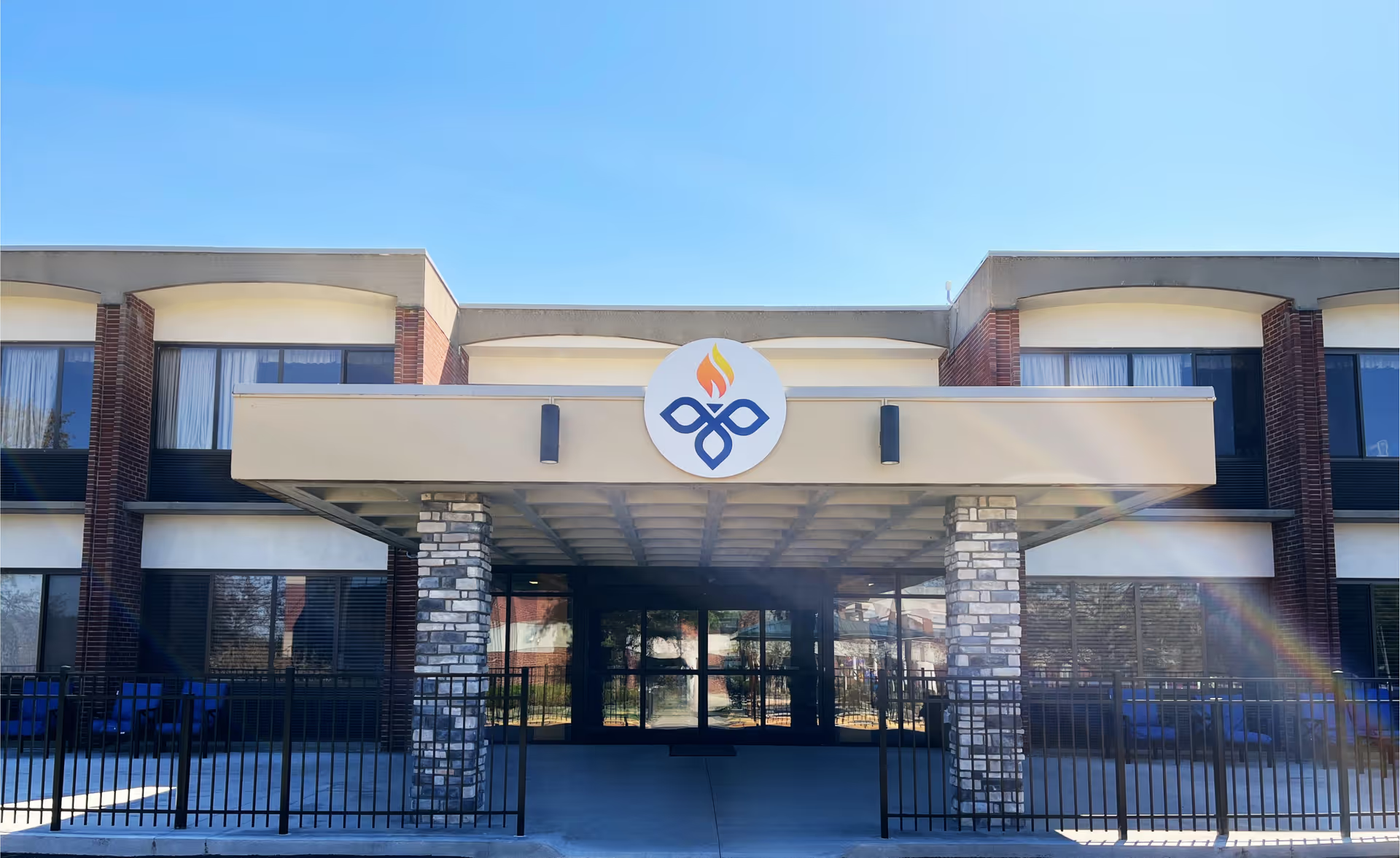
Facilities and operations: Rooms range from neutral, functional accommodations to larger rooms with abundant natural light. The facility appears generally well-kept, and maintenance and lawn care are frequently noted. Operationally, however, families described performance issues tied to staffing logistics: canceled shifts, inconsistent staffing patterns, use of agency personnel, and perceived unfair scheduling practices. These personnel-management problems correlate with longer nurse response times, occasional housekeeping lapses, and uneven professional conduct by some aides or staff members.
Management and notable patterns: Several reviewers expressed satisfaction with communication and family engagement when clinical staff or management were proactive; others reported gaps in clinical leadership and limited upper-level clinical presence. In at least one case, a family engaged an ombudsman regarding care concerns—this, combined with recurring mentions of medication delays and scheduling instability, suggests leadership focus may be needed on clinical oversight, medication-administration processes, and staffing practices. Overall, experiences at Nazareth Home – Clifton Campus range from highly positive—especially for rehabilitation and compassionate caregiving—to concerning when operational weaknesses intersect with clinical care needs. Prospective residents and families should weigh the strong rehabilitation and activity offerings against the facility’s documented variability in staffing consistency, medication administration, and meal execution, and consider discussing these specific operational topics during a tour or pre-admission conversation.