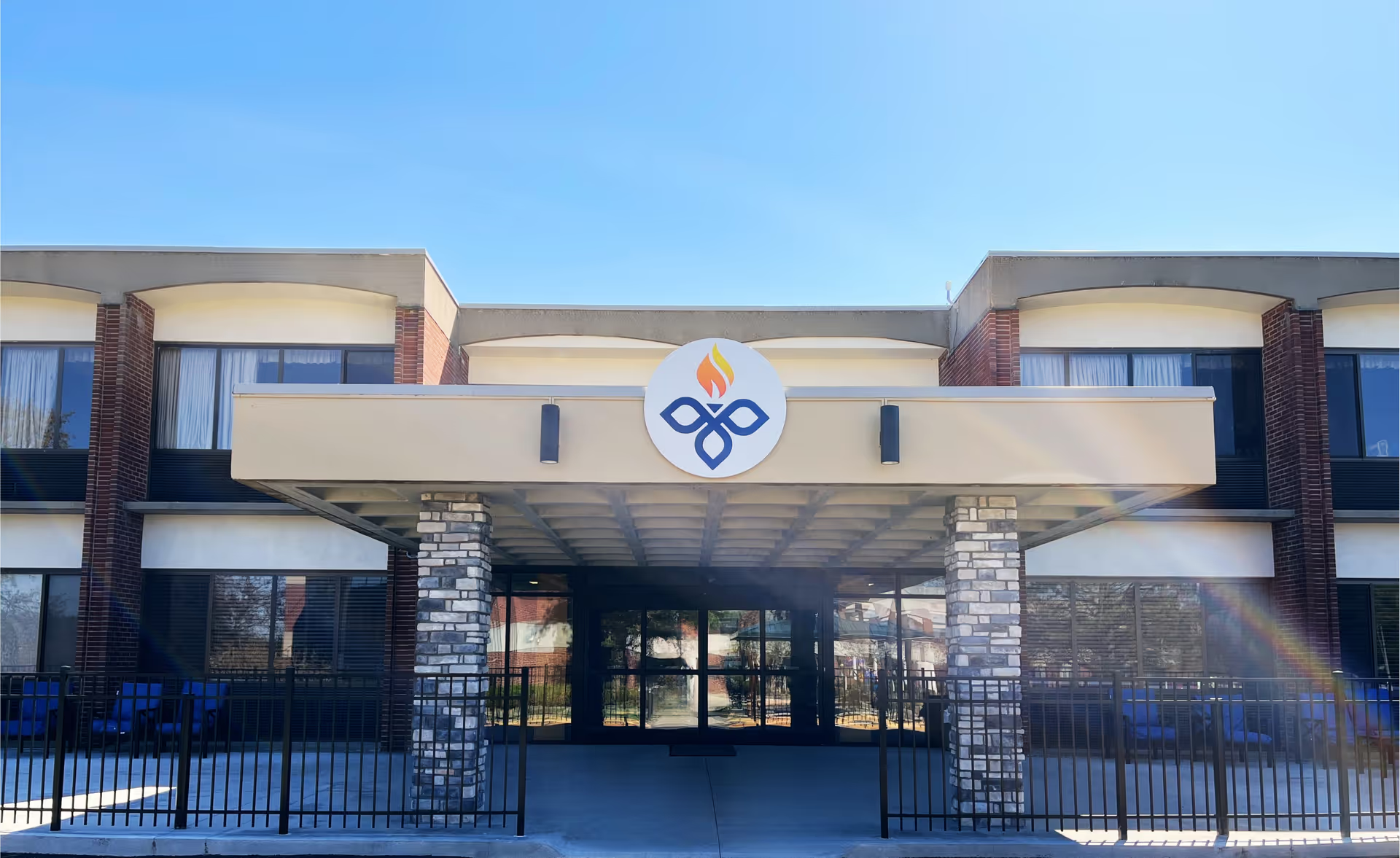
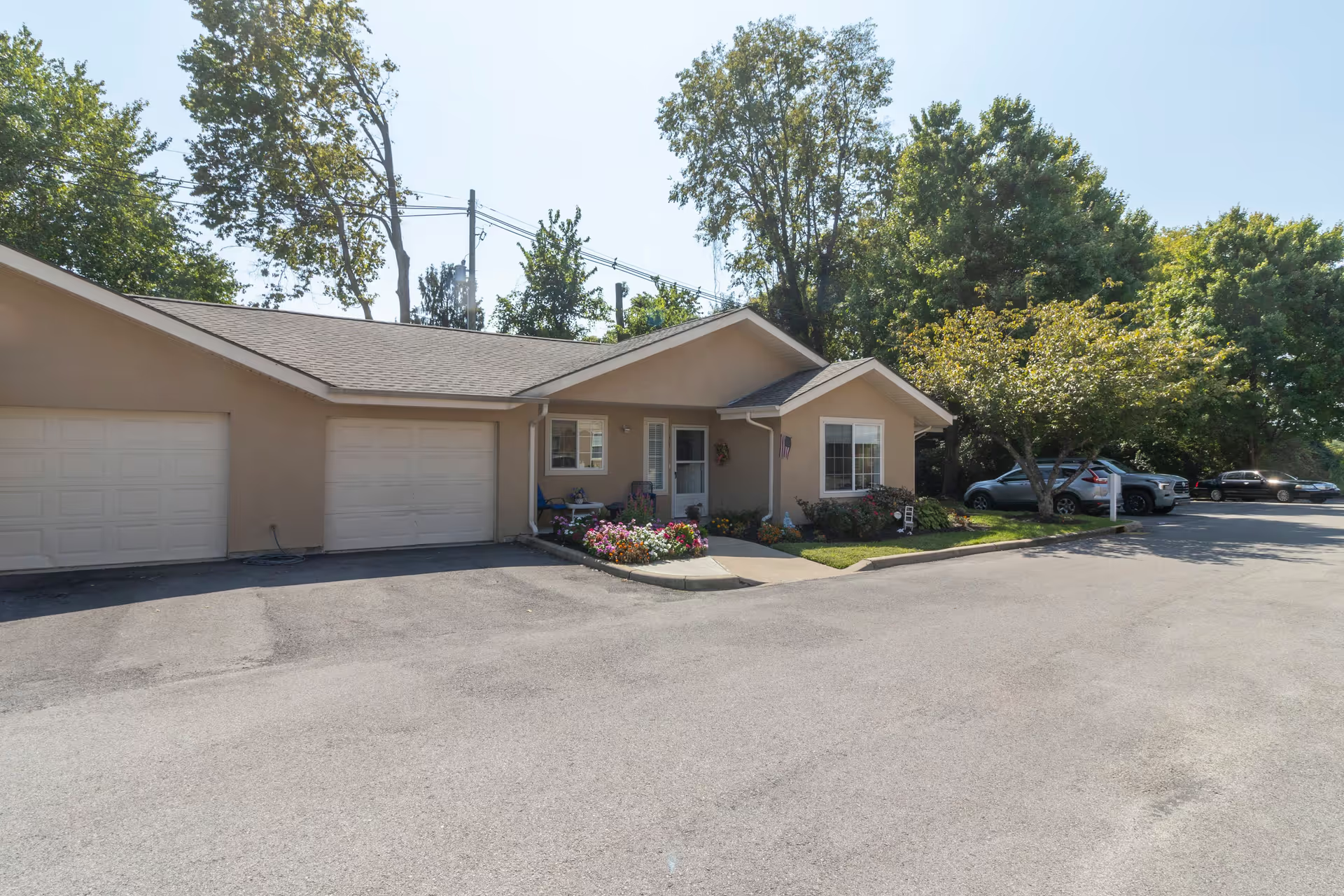
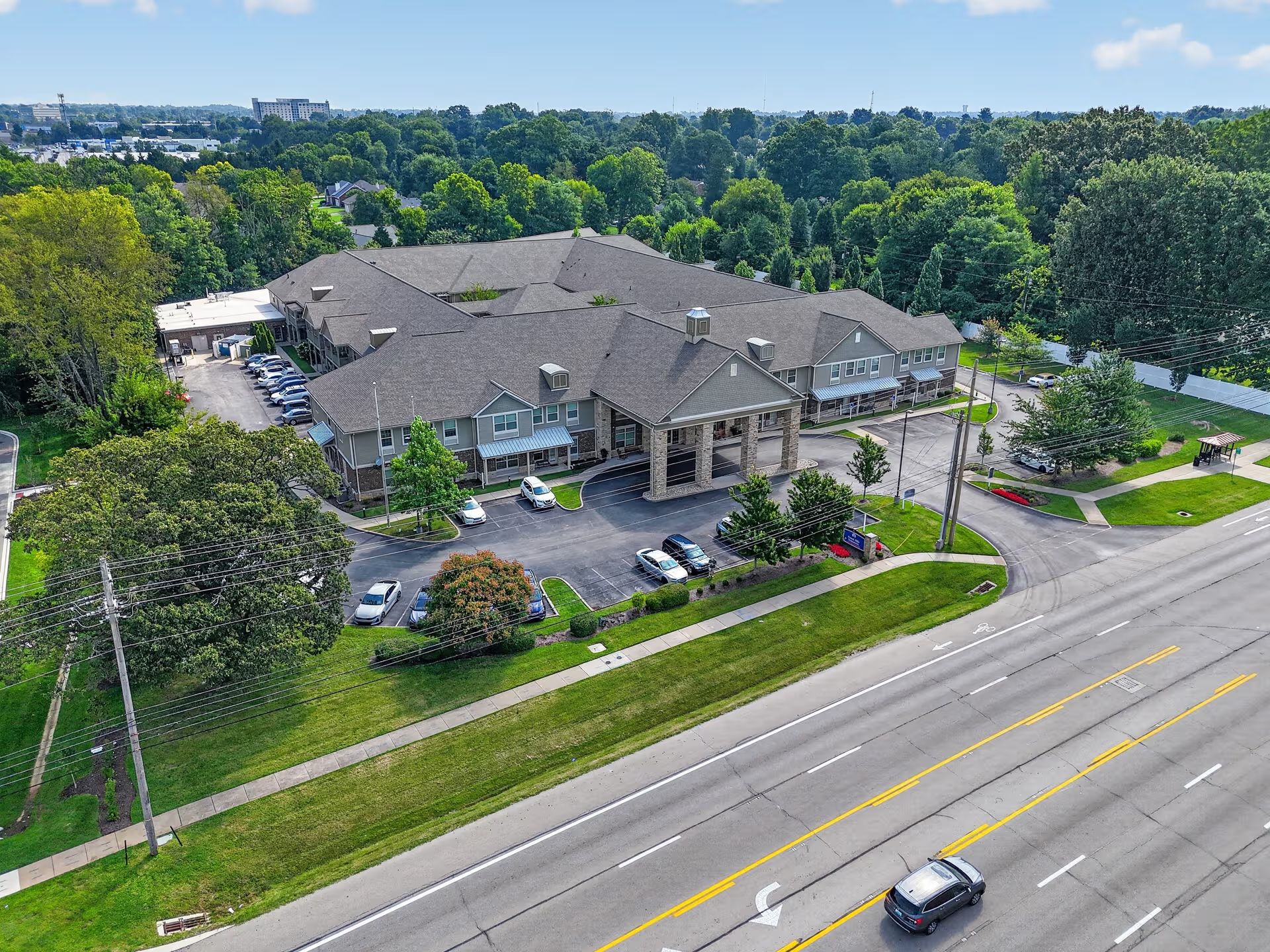
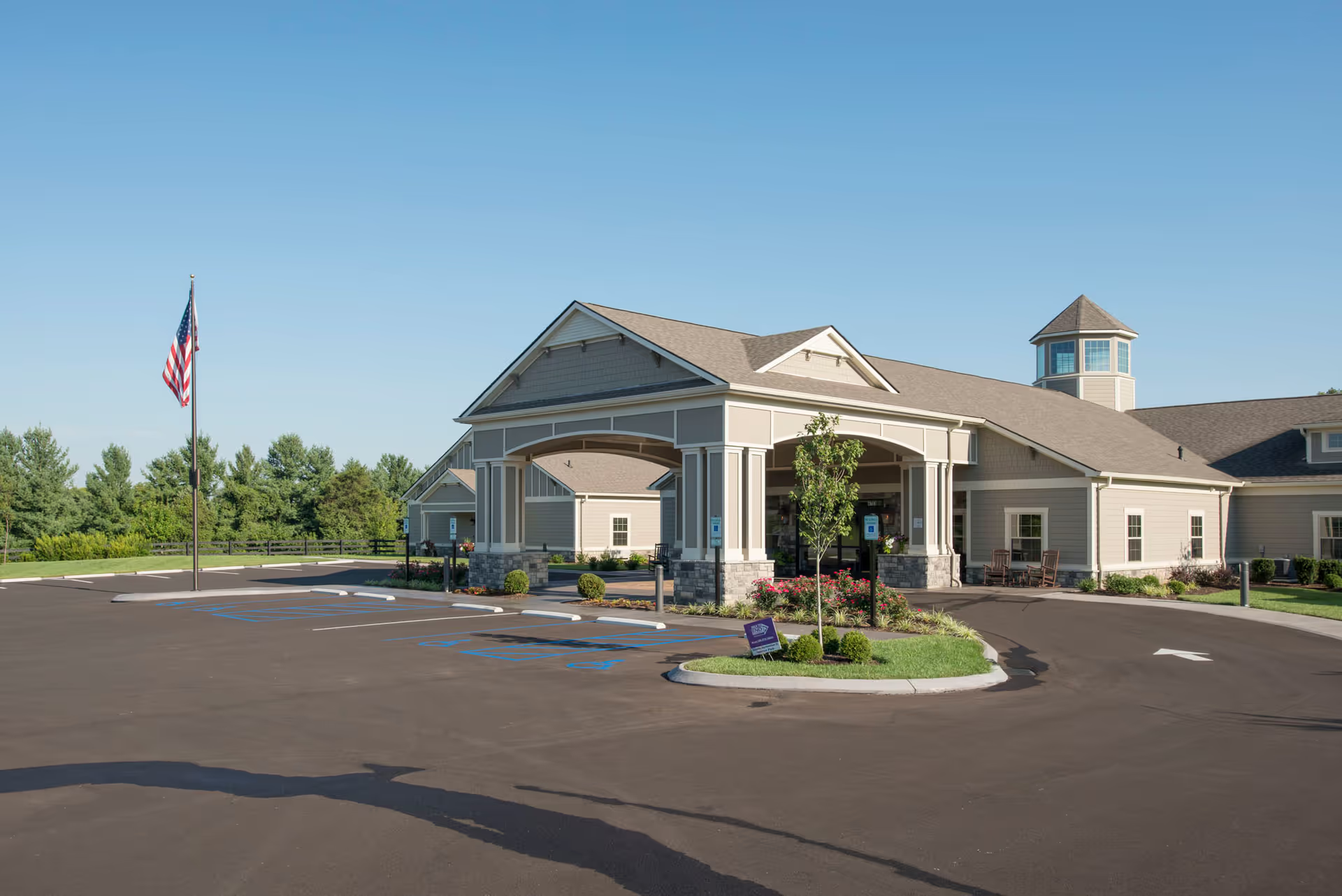
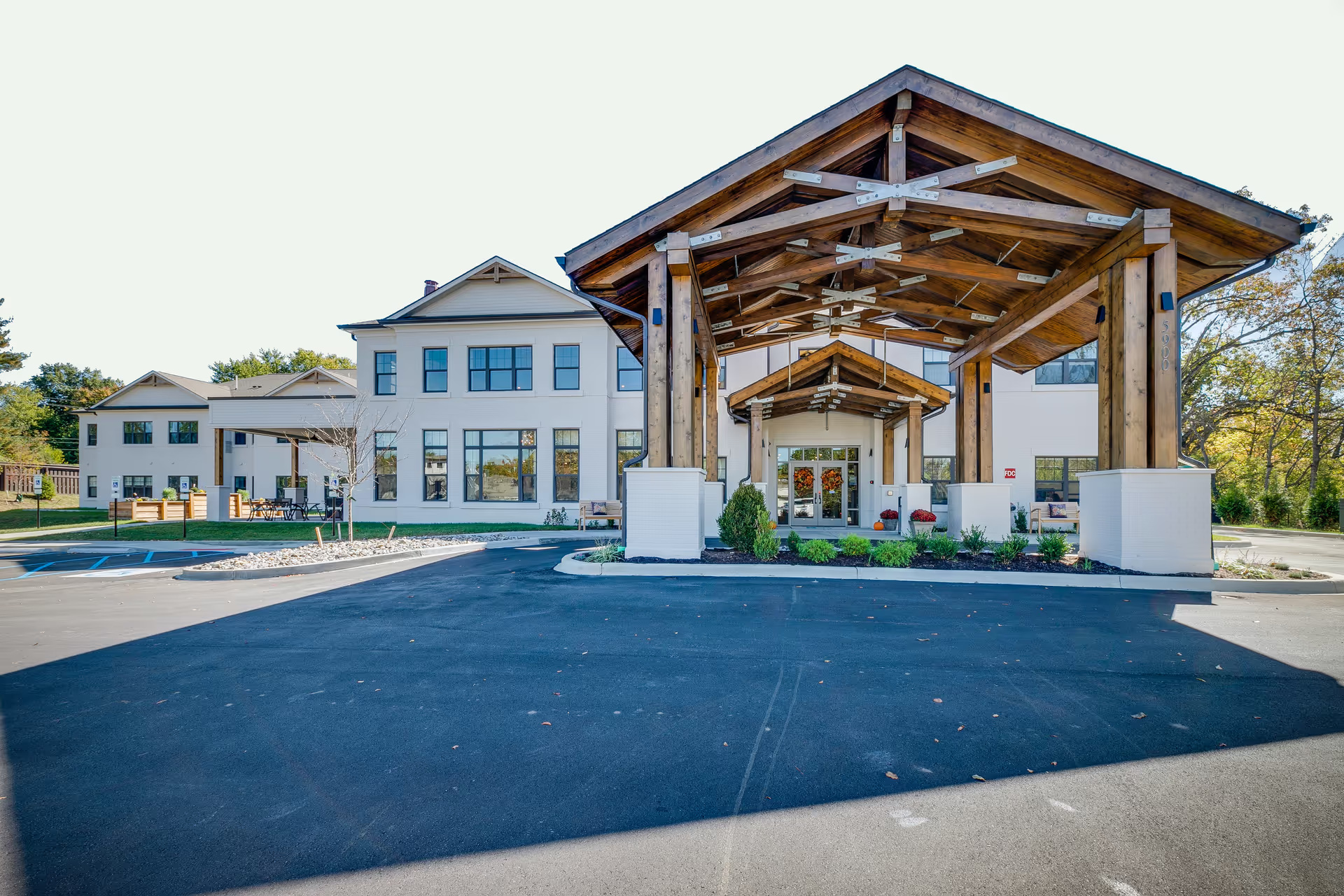
Reviews of Seneca Place are highly polarized: many families and patients praise the therapy teams, certain nursing staff, and the facility’s renovated appearance, while a substantial number of accounts describe significant operational and clinical weaknesses. Strengths most consistently cited include a skilled physical and occupational therapy department that achieves measurable rehab gains, a welcoming activities program and outdoor spaces, private rooms with en-suite bathrooms in renovated wings, and several staff members and managers who are described as compassionate and engaged. Short-term rehab stays and dialysis services are repeatedly identified as areas where the facility performs well.
Conversely, recurring operational patterns raise concerns about reliability and safety. Staffing shortfalls and inconsistent staff availability are a dominant theme and are associated with long waits for assistance, inconsistent bathing and repositioning schedules, and reduced frequency of routine caregiving tasks. Reviewers describe lapses in clinical processes—examples include medication-administration and documentation problems, inconsistent wound and ostomy care, and variability in clinical competency across shifts. Several accounts also point to delays or errors in discharge and care-transition workflows, and to challenges coordinating with external pharmacies and insurers.
Cleanliness, infection control, and environmental maintenance emerge as another area of mixed performance. While some reviews describe spotless, well-kept areas, others note sanitation and pest-control concerns, mold or peeling finishes in parts of the building, and inconsistent housekeeping outcomes. Dining is similarly inconsistent: some families praise nutritious options and accommodating dietary staff, whereas others report late or cold meals and limited menu variety. In-room amenities and operational supports are uneven; multiple reviews note absent room phones or remotes, limited availability of mobility aids, and variable handling of residents’ personal belongings.
Communication and leadership practices are a recurring source of frustration for families. Complaints include slow or ineffective family outreach, difficult-to-reach administrative staff, and language-barrier challenges that affect care conversations. Several reviews describe instances where emergency escalation, transfer decisions, or end-of-life care raised serious concerns for families; a subset of those accounts reference advanced clinical outcomes and subsequent family escalations or legal action. At the same time, other families attest to responsive managers and administrators who address concerns proactively, reflecting variability by unit and shift.
In summary, Seneca Place presents a mix of clear strengths—notably in rehabilitation services, engaged therapy staff, renovated spaces, and active programming—and recurring operational weaknesses, including staffing inconsistency, gaps in medication and clinical processes, sanitation and pest-control variability, and unreliable family communication. Prospective residents and families should weigh the facility’s strong therapy and activity offerings against reported inconsistencies in day-to-day clinical care and responsiveness; when possible, arrange direct conversations with nursing leadership about staffing ratios, medication-safety protocols, infection-control practices, and discharge procedures before admission.