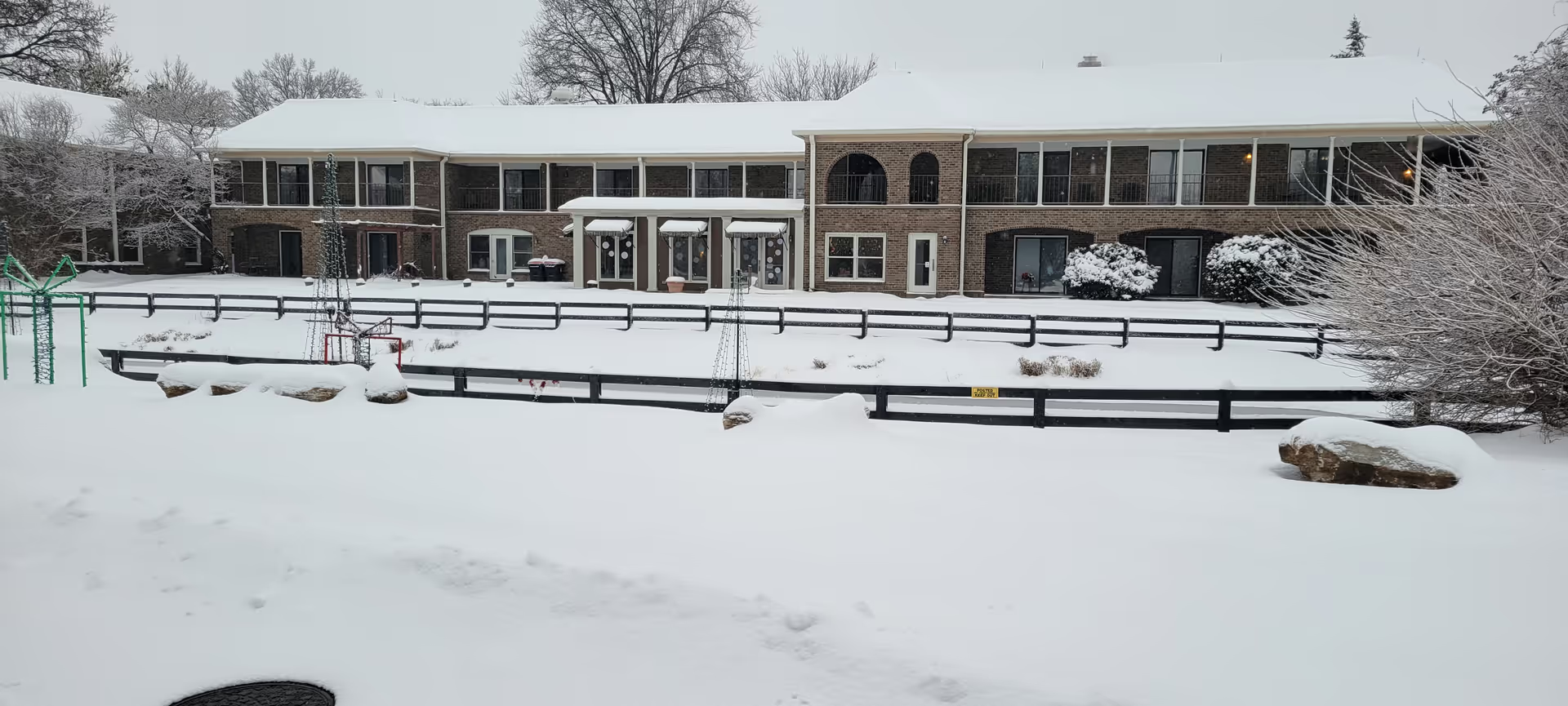
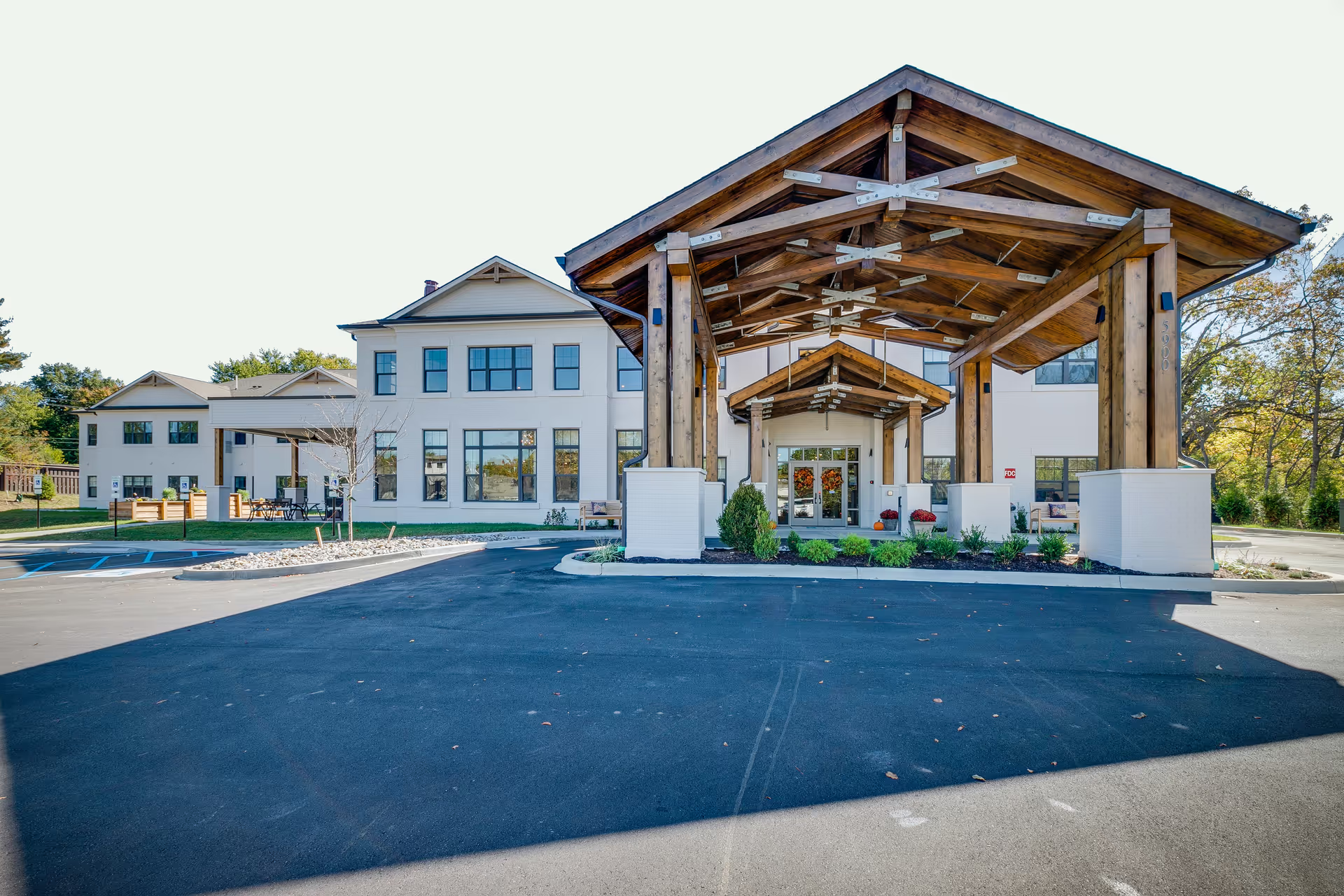
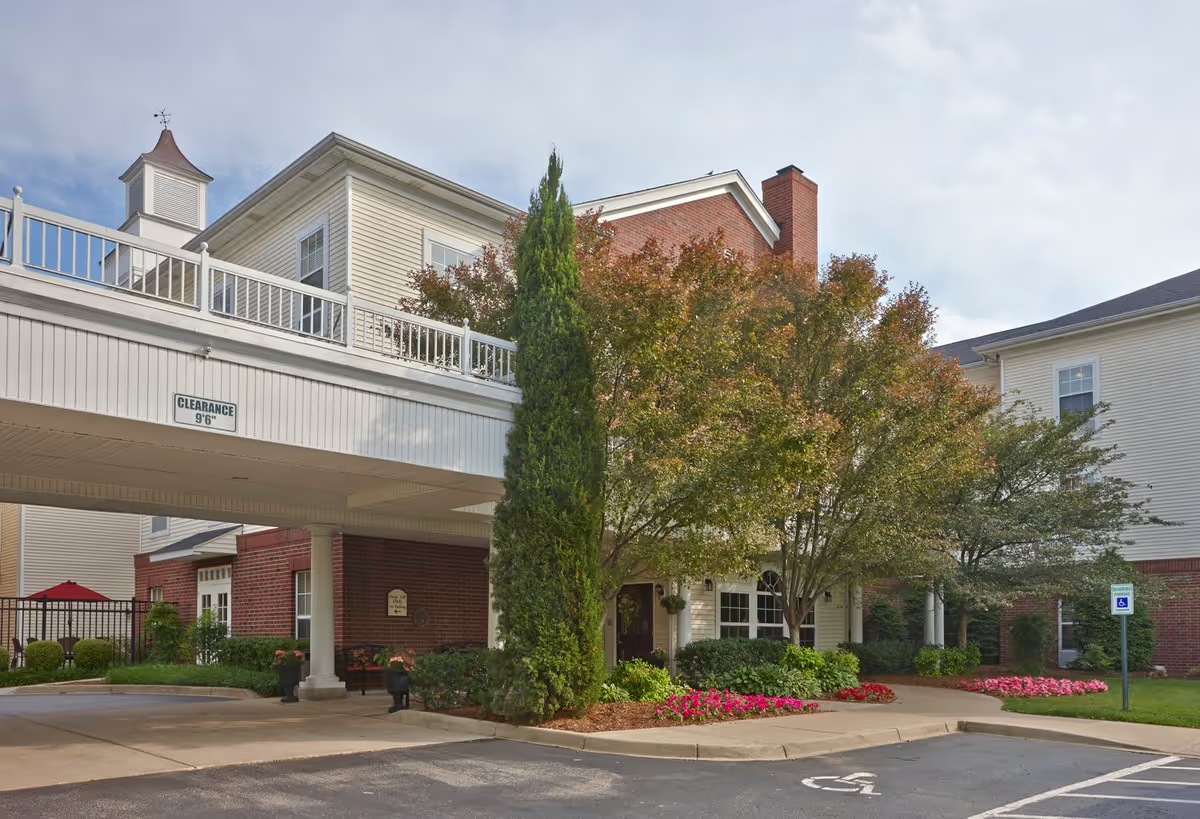
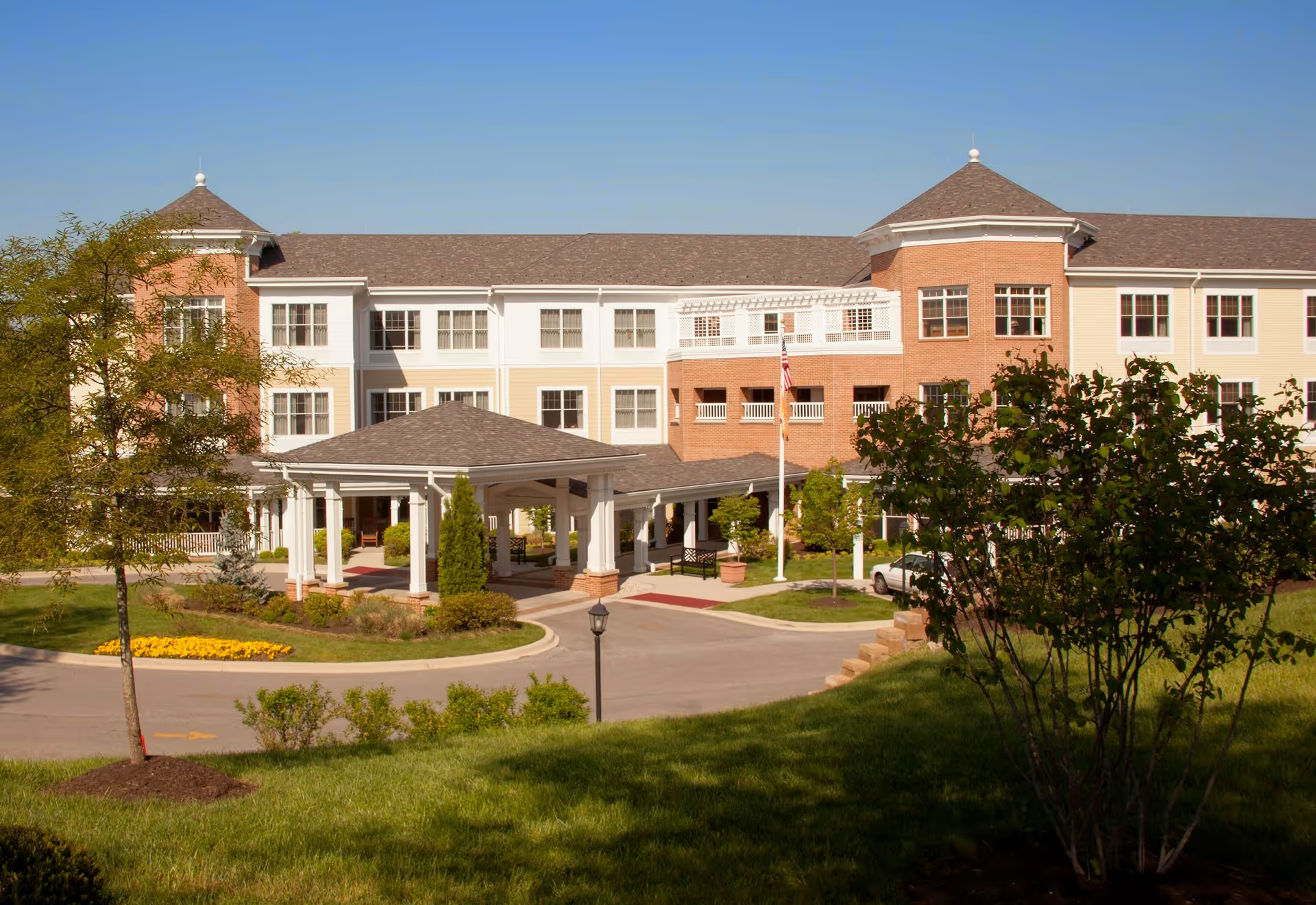
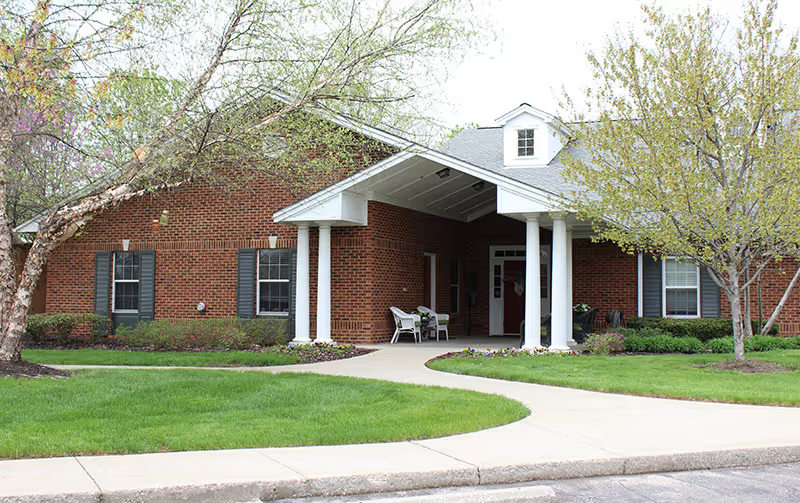
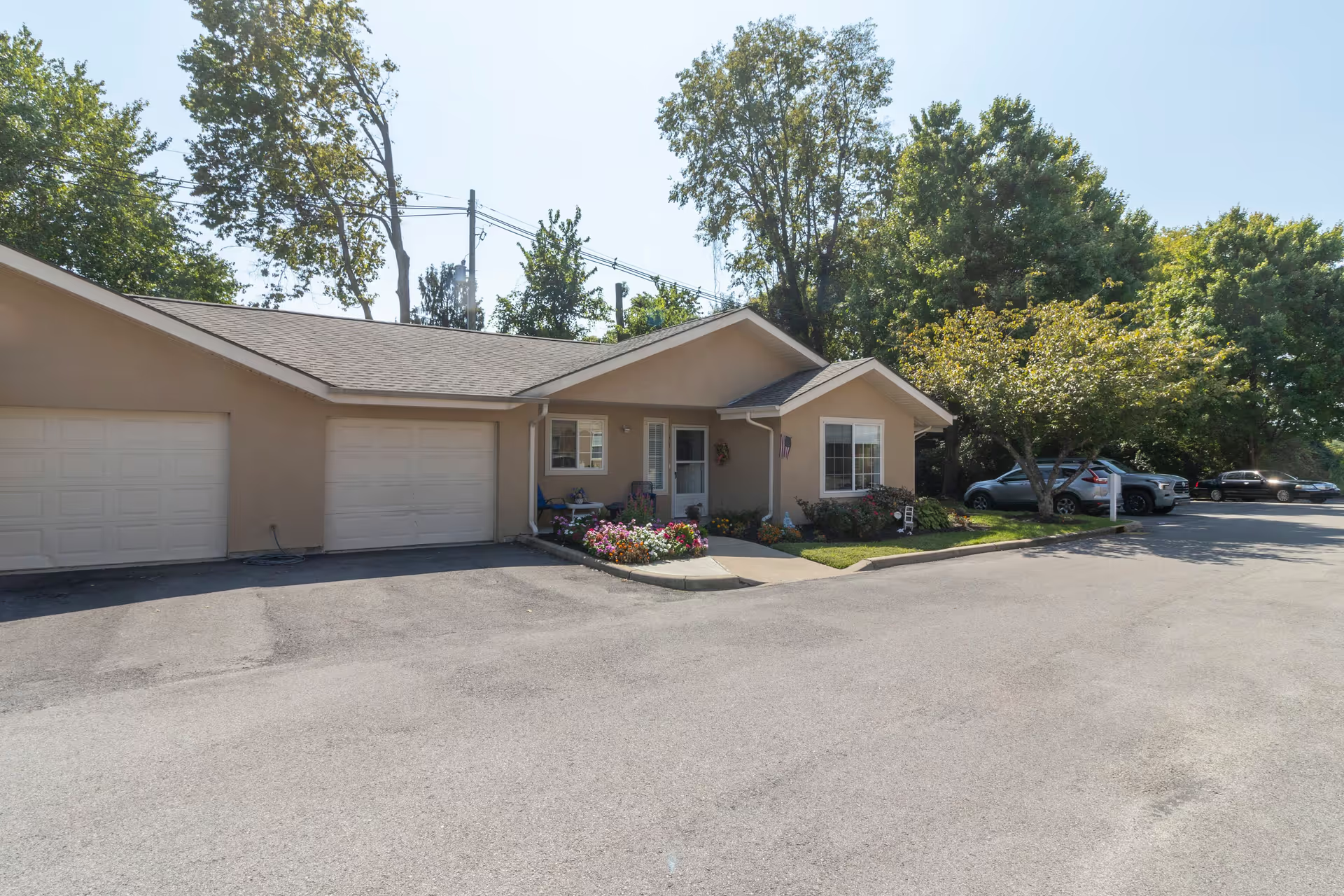
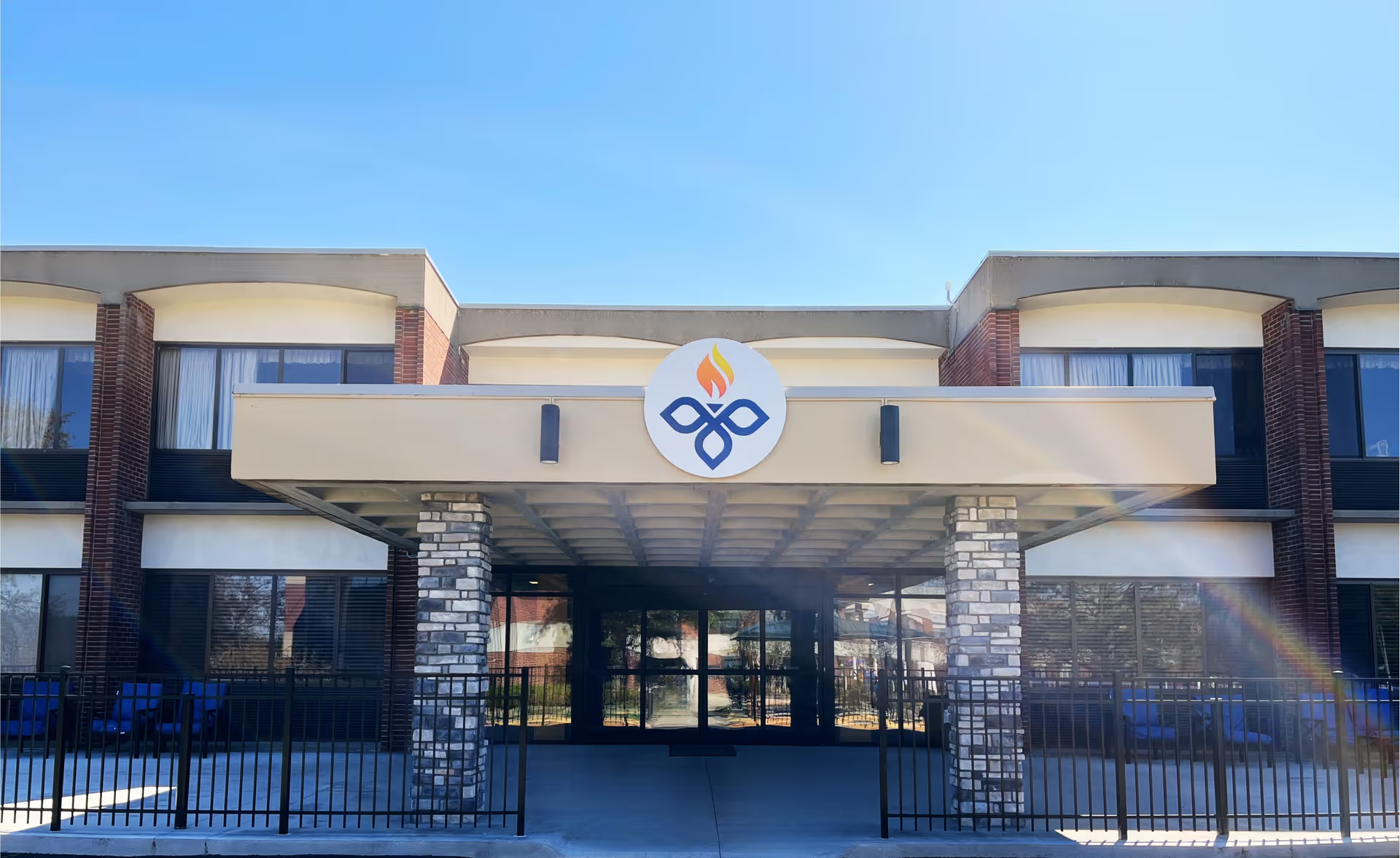
The reviews present a mixed picture of Sycamore Heights Health and Rehabilitation, with clear strengths alongside recurring operational concerns. On the positive side, many families and residents praise the caregiving staff for being compassionate, attentive, and personalized in their approach. Rehabilitation and therapy services receive frequent commendation for producing functional improvements; social work and care coordination are singled out as helpful, and a renovated memory-care unit and other recent facility upgrades are noted as real assets. Several comments emphasize roomy, hotel-like accommodations with outdoor access, bilingual staff, responsive maintenance, active programming, and instances of strong leadership under new management.
Despite these strengths, a number of consistent operational weaknesses emerge. Staffing shortages and variability in staff coverage are a prominent theme, and are linked to delays in bedside response—specifically slow call-bell response times and delays attending to toileting and bathing needs. These responsiveness problems are compounded by variability in care quality across units and shifts. Reviewers also raise medication-management and oversight concerns, which families characterize as a significant trust issue that warrants administrative attention.
Dining and sanitation are areas of mixed feedback. While some reviewers describe appealing, nutritious meals and good dining service, others report inconsistent meal quality, limited choices, and disruptions to meal service. Separately, sanitation and pest-control concerns appear in multiple accounts; these are described as localized but important issues that affect family comfort and confidence in the environment. Noise and environmental disruptions—loud music, staff noise, and vibrating windows—are also reported and noted as factors that can affect residents’ rest.
Communication and administrative practices are uneven. Several reviews praise daily updates, friendly reception staff, and helpful administrative personnel; however, others describe difficulty reaching supervisors, delayed or unclear responses on clinical and billing matters, and concerns about billing transparency and financial practices. Limited on-site physician access and infrequent provider rounds are additional clinical coordination concerns mentioned by families.
Taken together, the pattern suggests a facility with genuine clinical and environmental strengths—particularly in therapy and in pockets of strong, compassionate staff—but also with systemic operational issues that affect reliability of day-to-day care. Prospective residents and families should weigh the positive reports of rehabilitation outcomes, personalized attention, and recent management-driven improvements against the recurring themes of understaffing, responsiveness delays, sanitation and pest-control issues, inconsistent meal service, and administrative/billing concerns. If considering placement, it is advisable to tour recently renovated units, ask about current staffing levels and physician rounding schedules, review medication oversight protocols, and obtain clear written information on billing and resident communication policies. Additionally, inquire specifically about current pest-control measures, housekeeping schedules, and noise-mitigation practices to assess whether recent corrective actions have been sustained.