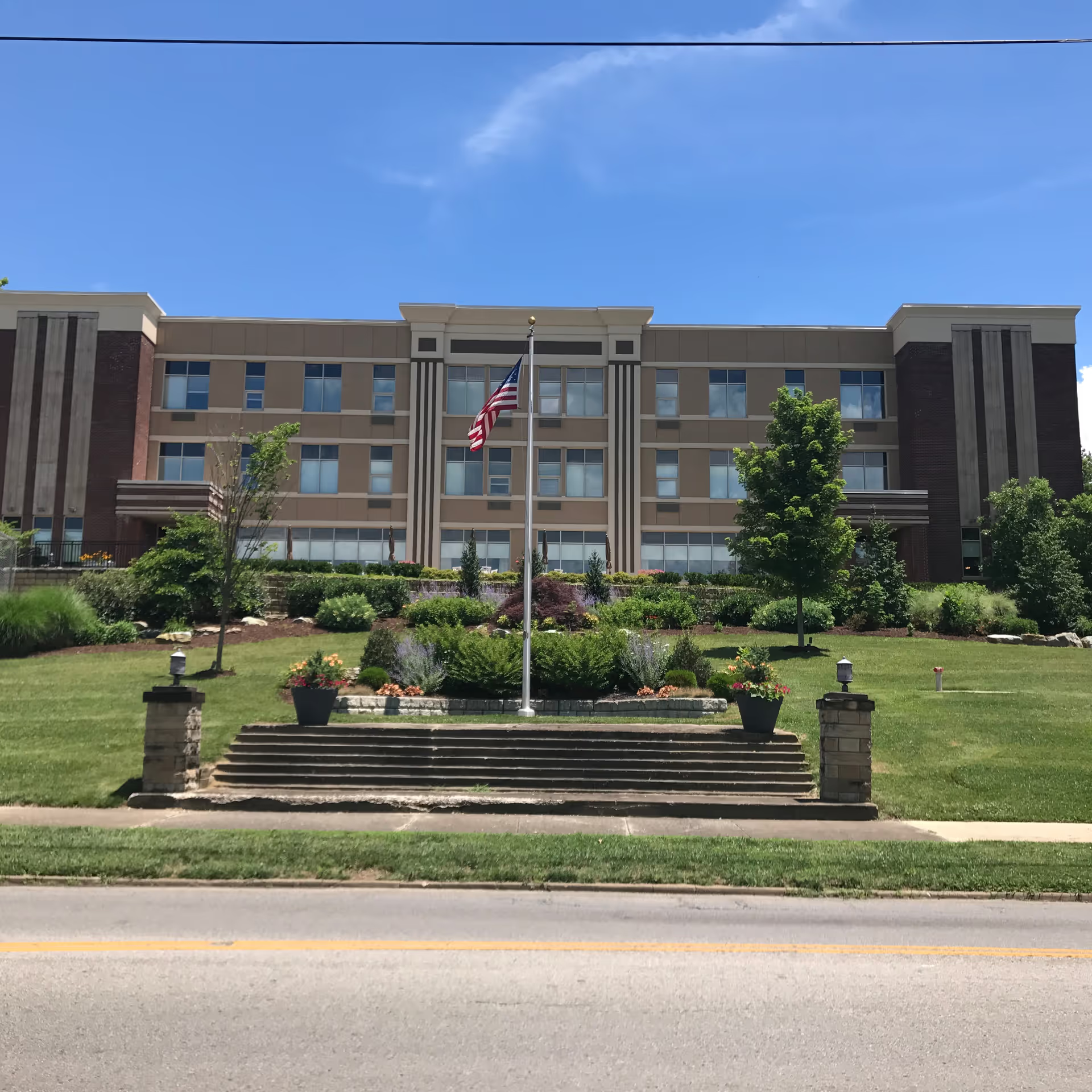
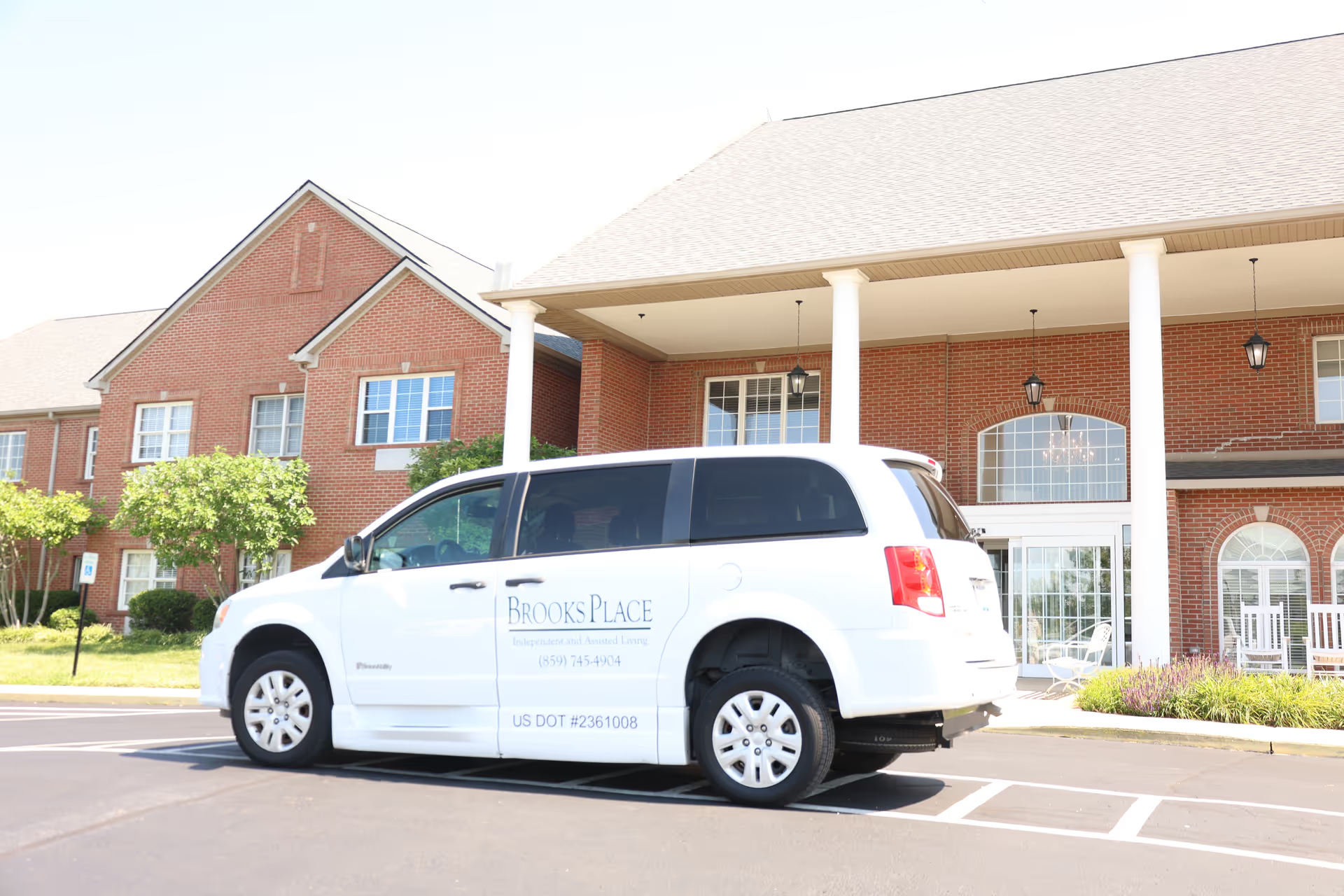
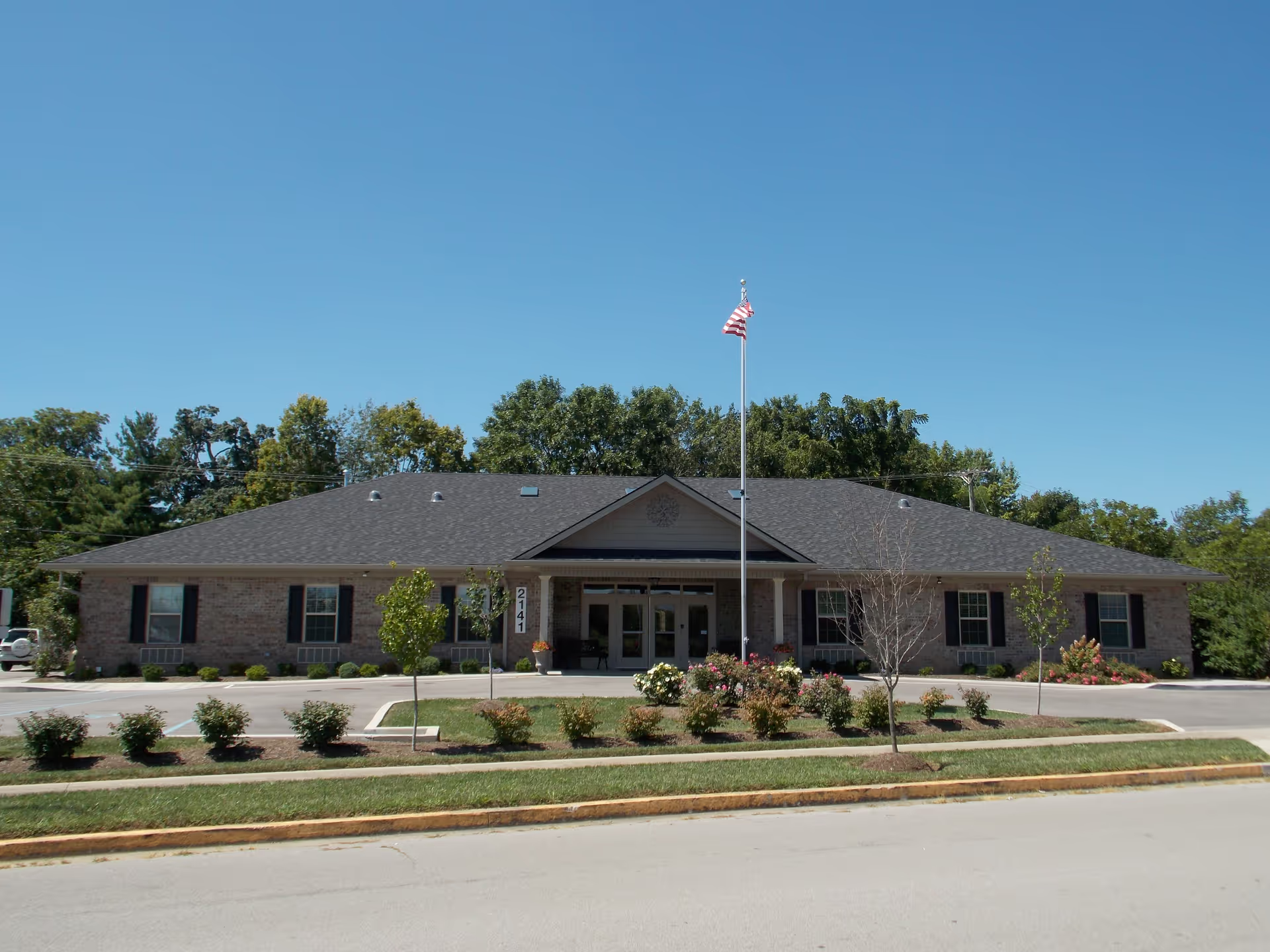
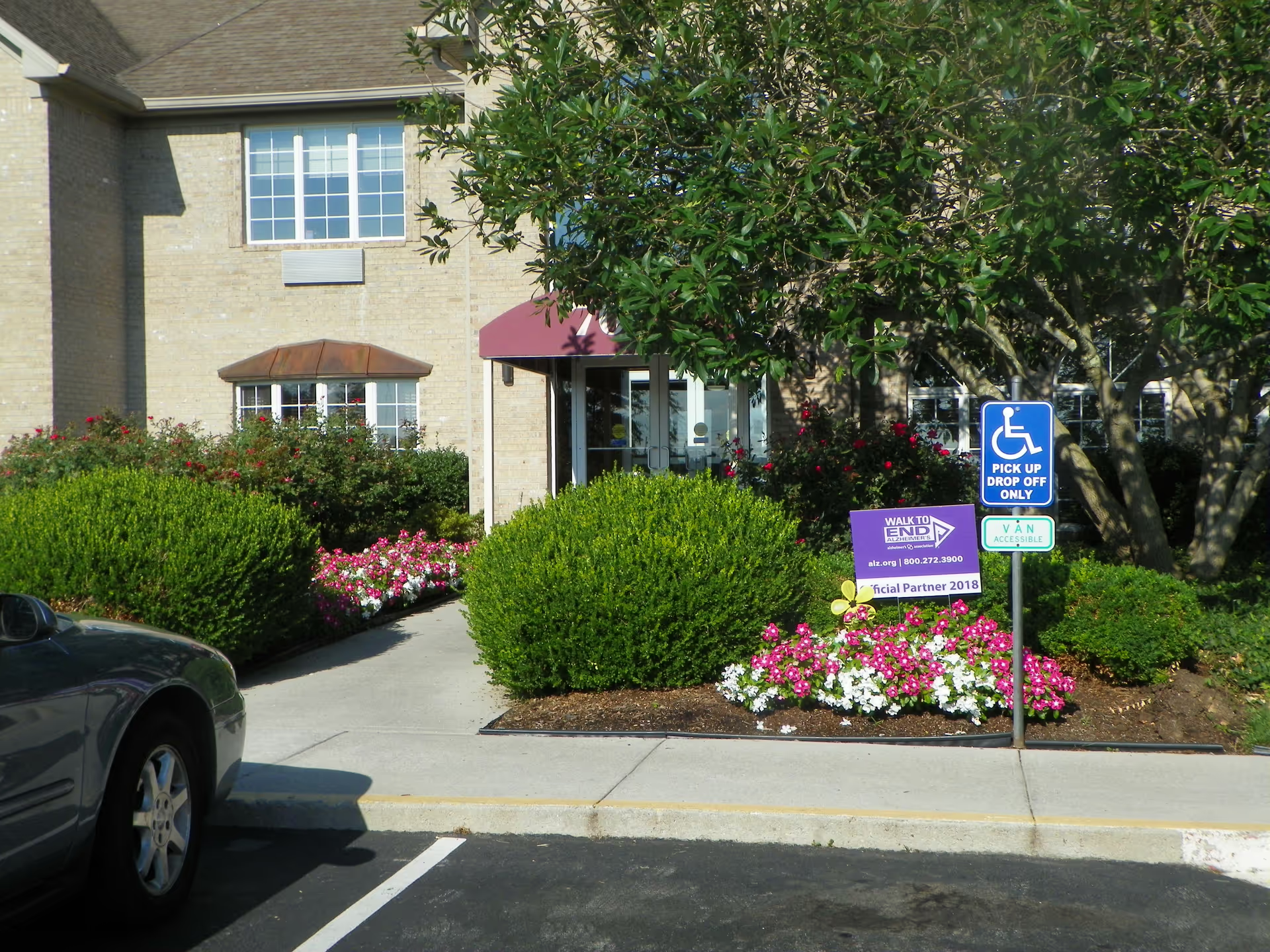
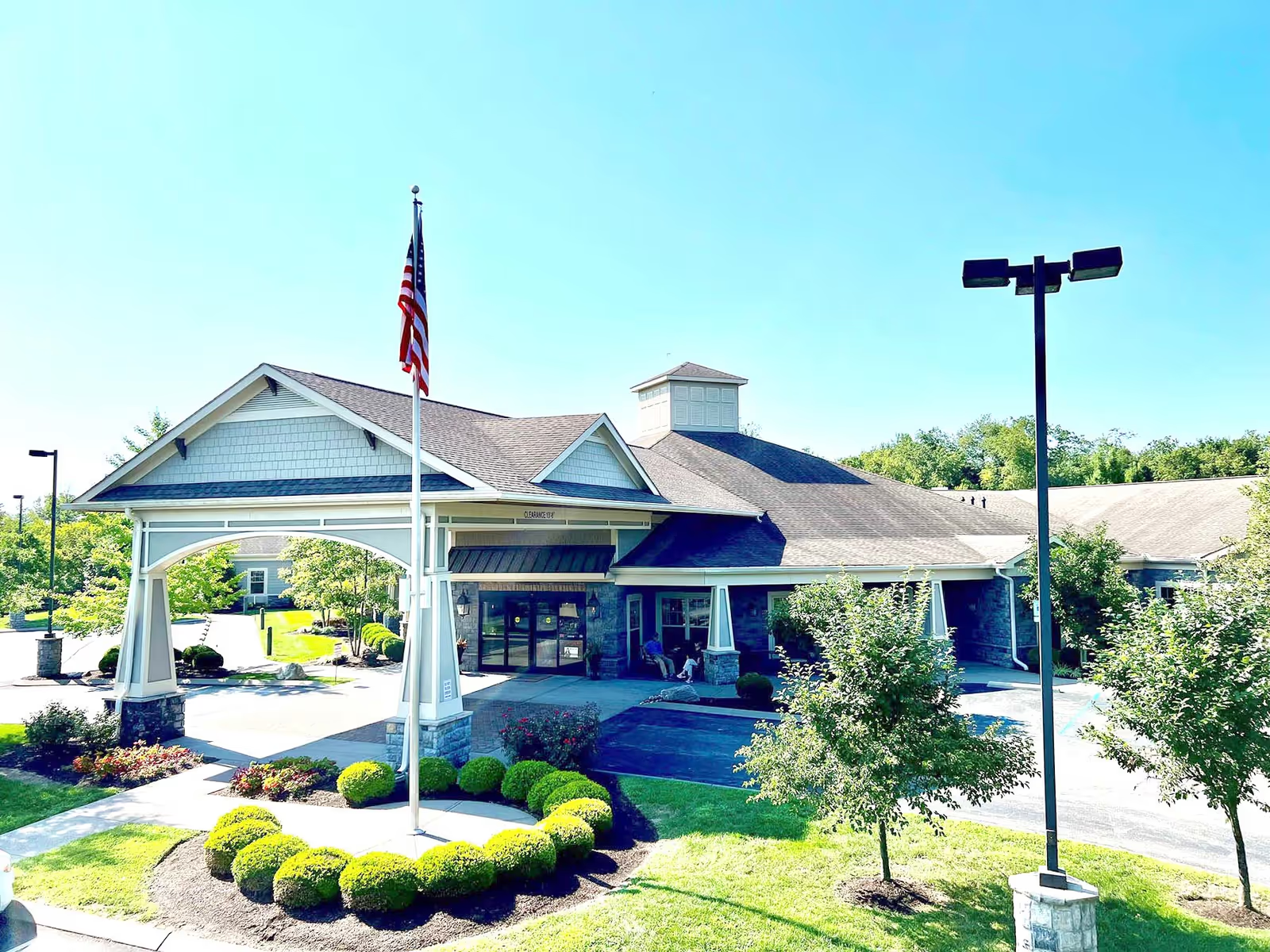
Windsor Personal Care presents as a relatively new, well-kept assisted living environment with a number of visible amenities and comforts. Physical features highlighted include private rooms with en-suite bathrooms, outdoor patio space, a fireplace, and multiple common areas equipped with televisions. The facility is described as clean and modern, and basic hospitality elements such as regular meals and snacks and on-site spiritual visits are available.
Direct caregiving is a clear strength in the collected impressions. Staff are frequently described as kind, caring, and accommodating; families and visitors emphasize supportive interactions and helpfulness from frontline caregivers. The facility appears to maintain a steady on-site staffing presence, which many portrayals associate with attentiveness to residents’ daily needs.
Dining and activities are characterized as straightforward and resident-focused: meals and snacks are provided, common rooms offer social TV spaces, and spiritual support is available through local ministers. The overall environment is presented as pleasant and conducive to basic social and recreational needs rather than as a highly-programmed activity center.
Notable management-related patterns emerge alongside the positive direct-care observations. While some comments describe the administration as organized, there are repeated concerns about leadership behavior and workplace fairness. Specific operational themes include perceived favoritism, allegations of discriminatory decision-making, and uneven distribution of staff workload. These issues are described at the management and personnel level rather than as problems with physical plant or basic care availability, and they may contribute to staff morale and consistency of service.
Taken together, the narrative suggests Windsor Personal Care offers a clean, comfortable setting with attentive direct-care staff and basic amenities appropriate for many residents. Prospective families should weigh those strengths against reported managerial and personnel dynamics; asking about staffing ratios, workload policies, nondiscrimination procedures, and examples of how the administration addresses staff concerns may help clarify how leadership practices affect day-to-day care continuity and staff stability.