The reviews present a mixed but distinct pattern: many families and volunteers describe a warm, family-oriented community with a genuinely caring front-line staff and an active activities program, while a subset of feedback raises operational and environmental concerns that affect day-to-day resident experience.
Care quality: Positive comments emphasize attentive, compassionate caregivers and nurses who engage residents in conversation, jokes, and singing, and who are described as going above and beyond. At the same time, several critiques point to delays in attending to residents and long wait times for assistance and personal care. There are specific concerns about medication-supply management (medications not being restocked in a timely manner) and about responsiveness to resident calls and alarms — operational patterns that could impact continuity of clinical care.
Staff: Staff are frequently praised for friendliness, professionalism, and teamwork; multiple notes commend staff morale and enjoyment in working with residents. Leadership receives repeated positive mention, with the administrator singled out as accessible and resident-focused. However, reviewers also describe staffing shortages, uneven training, and inconsistent engagement during shifts (for example, staff distractions and limited clinical oversight), which collectively point to gaps in staffing levels and skill mix that can produce variable resident experiences.
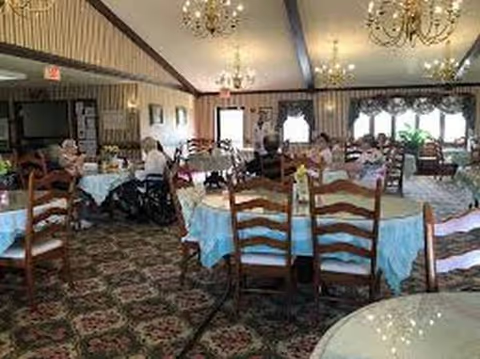
Dining and activities: Dining receives favorable comments — meals are described as good and generally well-liked. The activities program is a consistent strength: nightly events, field trips, volunteer-led programming, and active family involvement are highlighted as contributing to a lively, home-like atmosphere and strong family satisfaction.
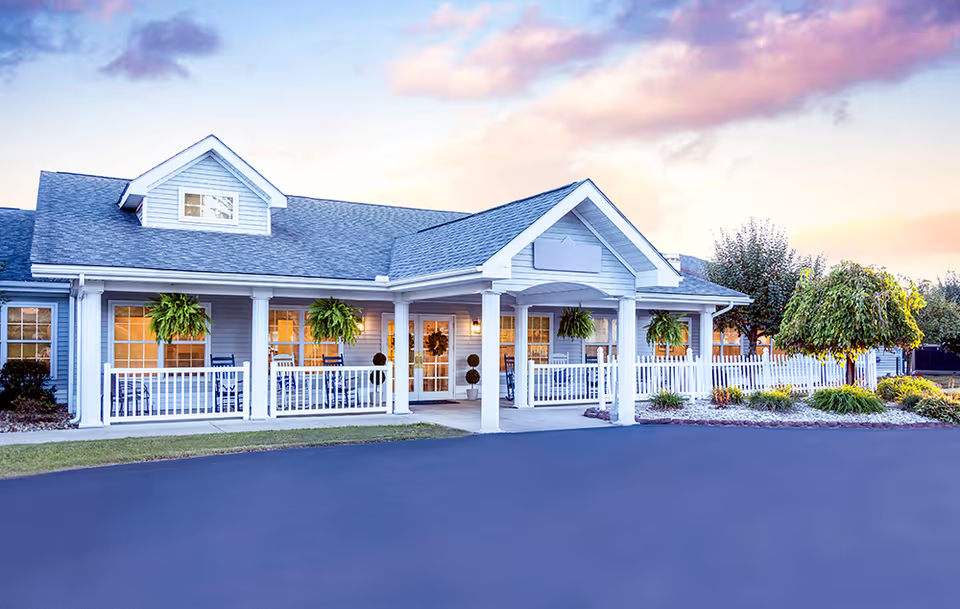
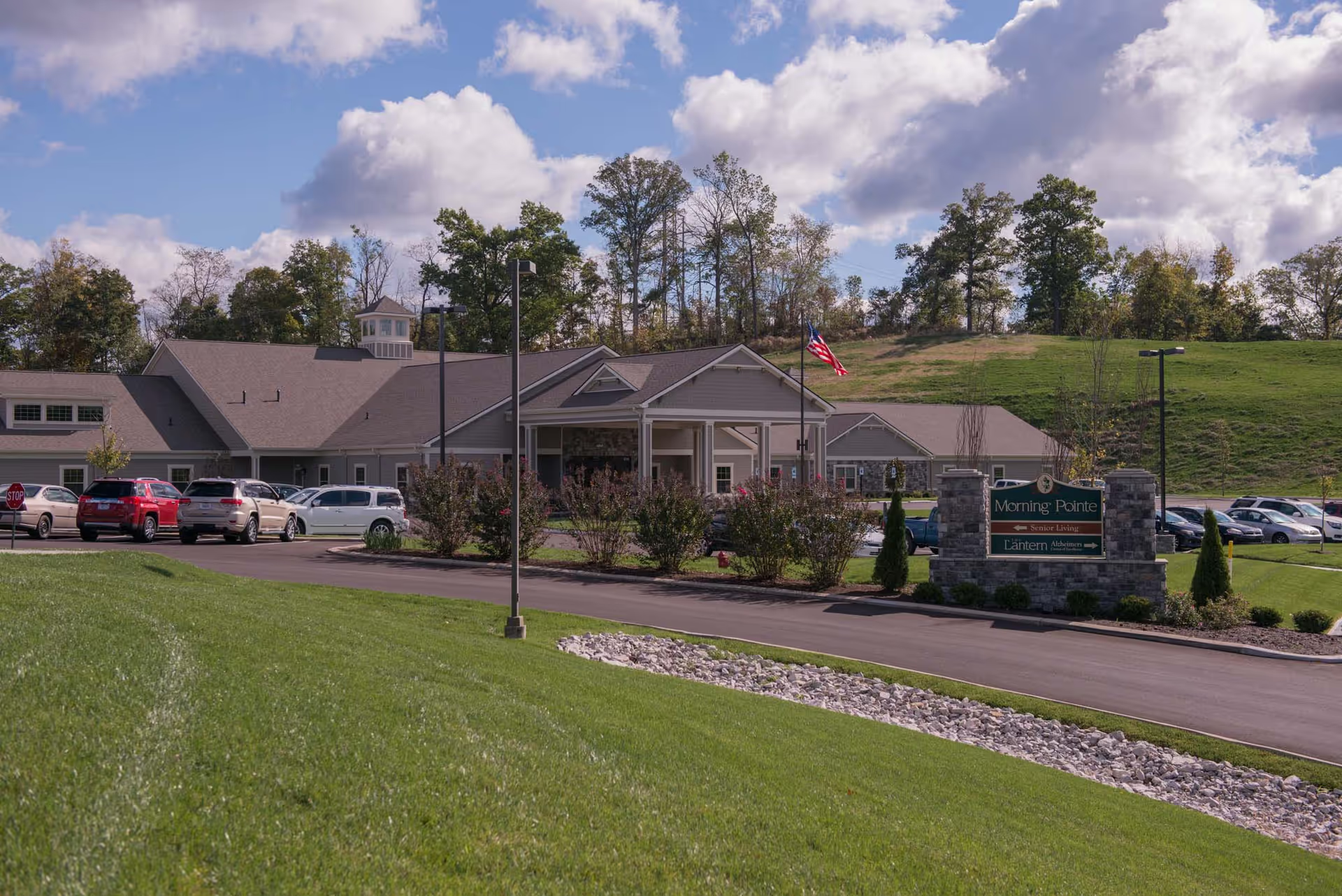
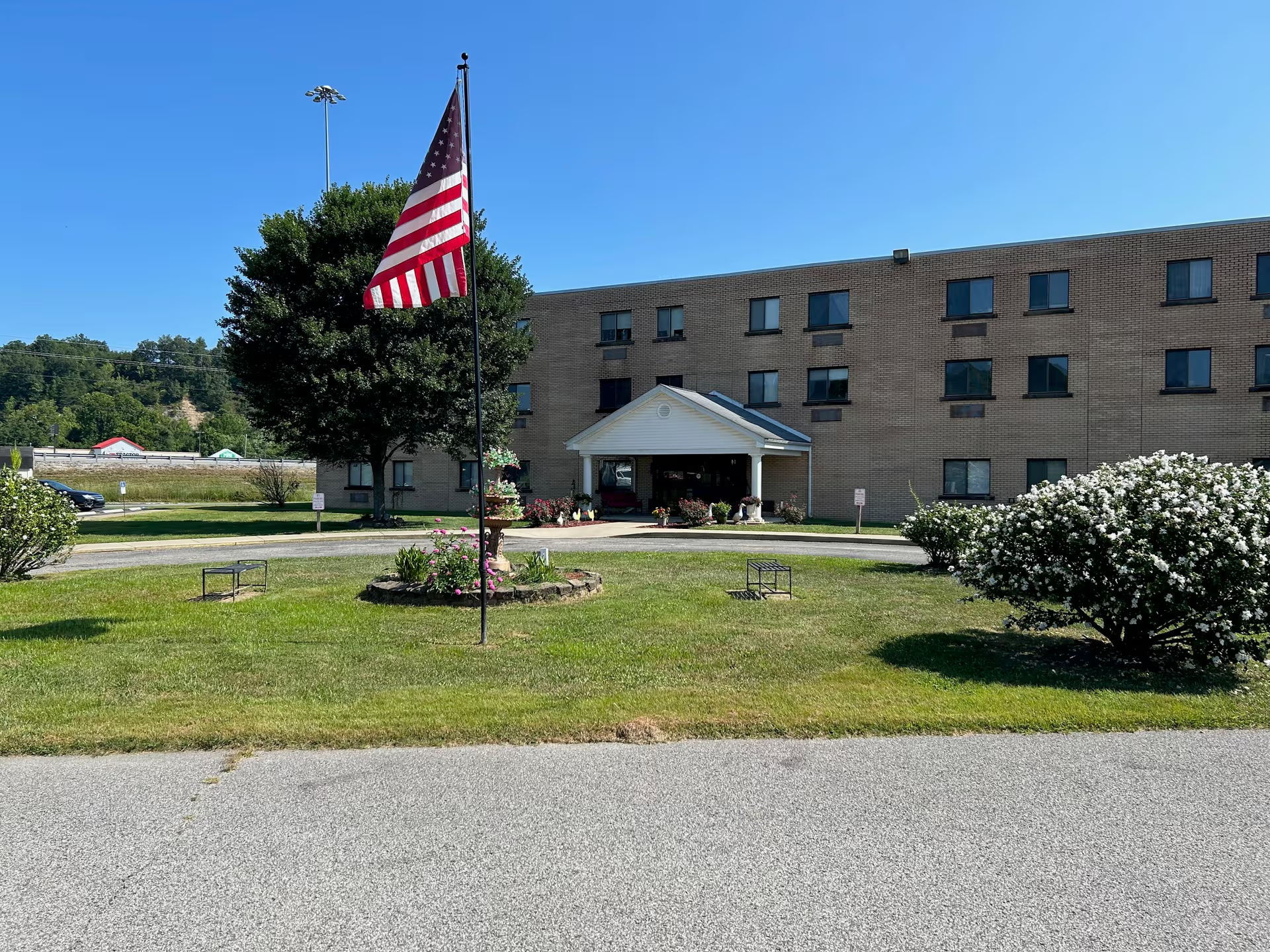
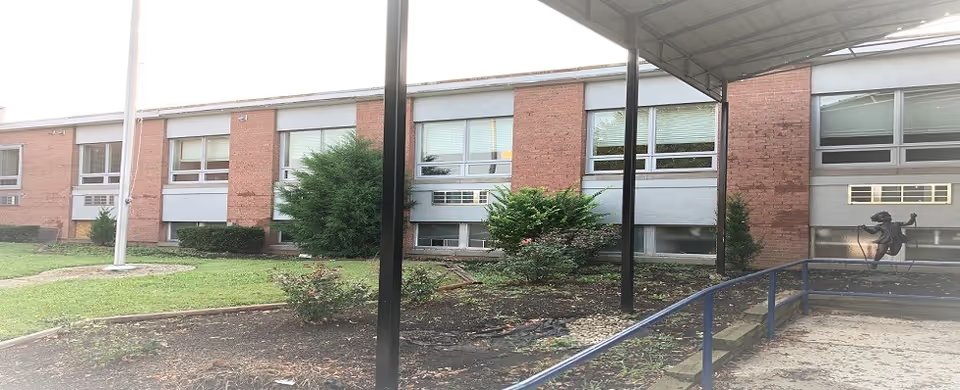
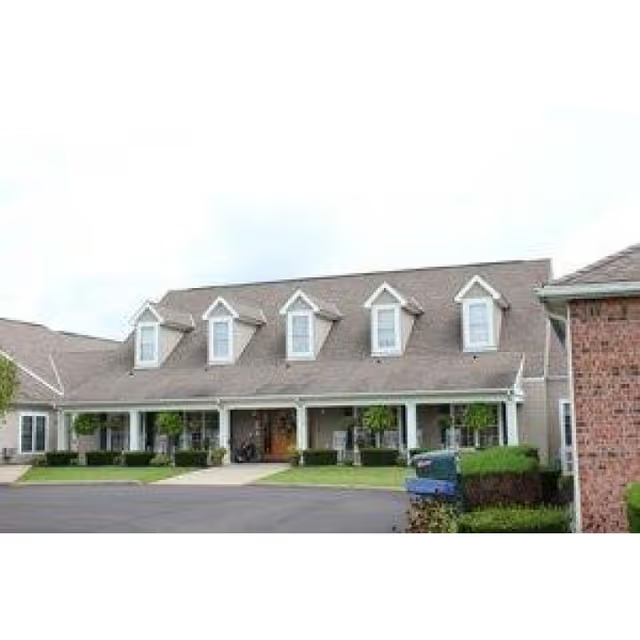
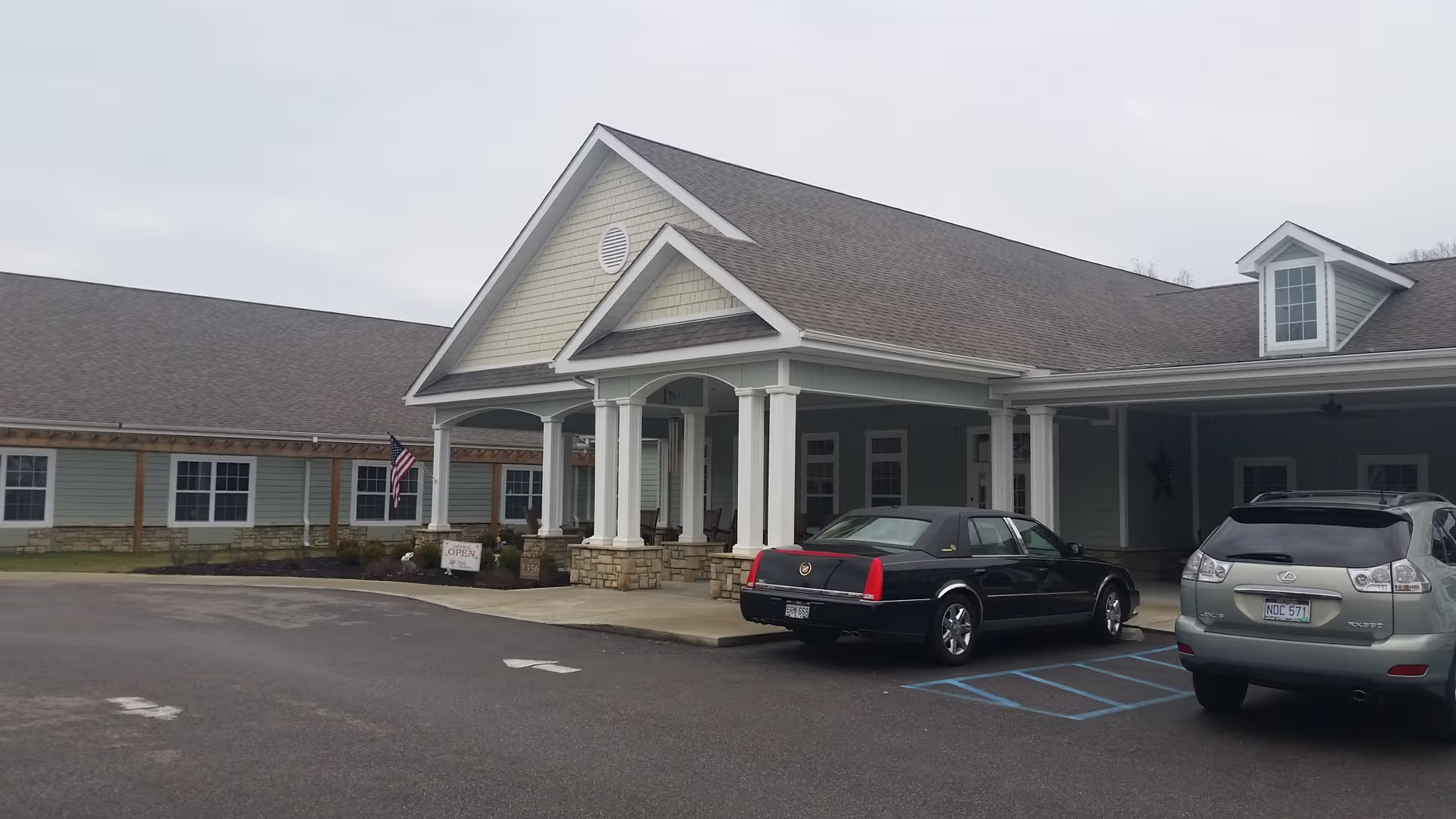
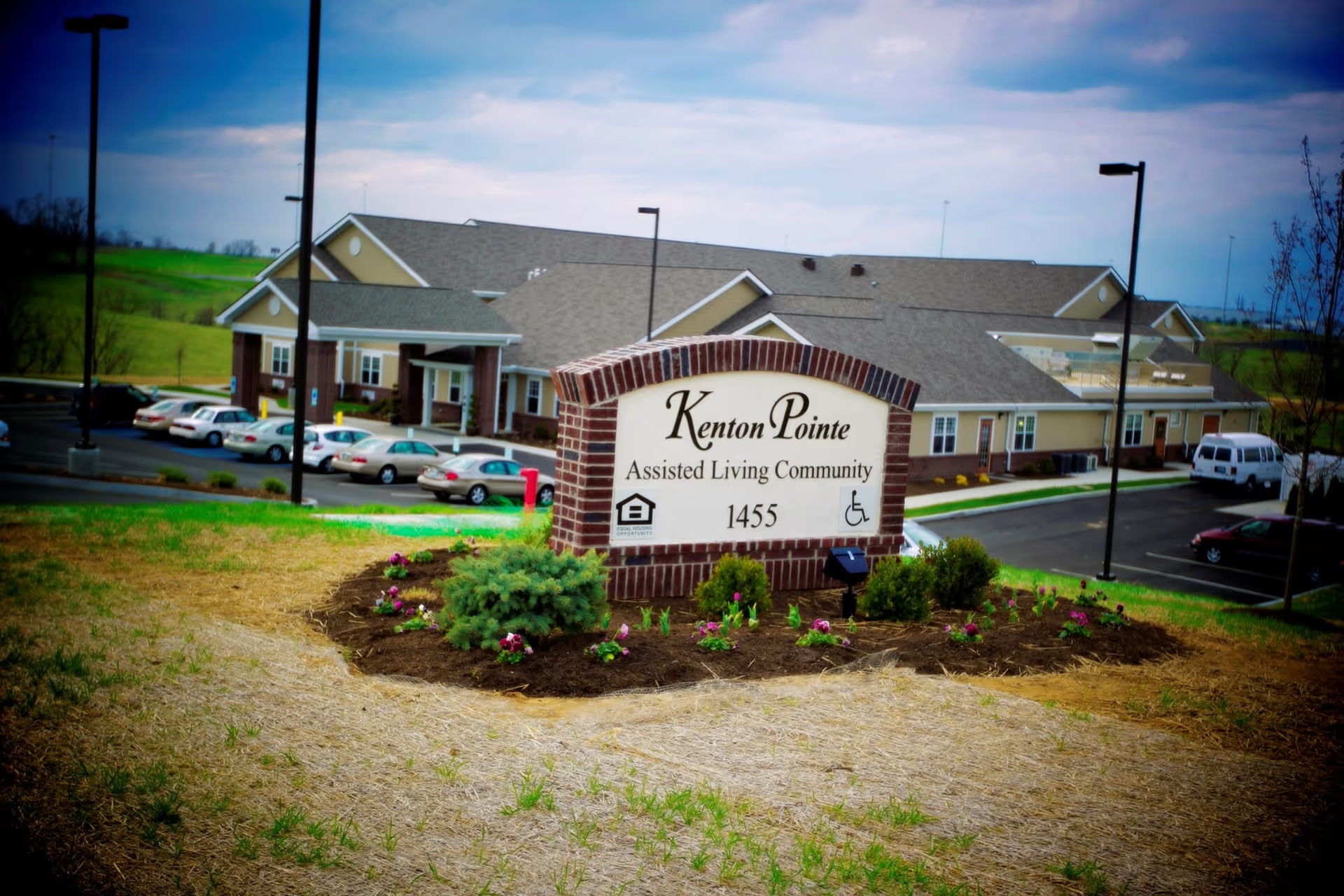
Facilities and safety: The facility shows signs of both care and deferred maintenance. Positive remarks describe clean and cozy areas, and there is acknowledgement of ongoing remodeling efforts. Counterbalancing this are concerns about aging infrastructure (peeling paint, limited lighting, small bathrooms), odor issues in some hallways, and specific safety and maintenance problems (water intrusion and slippery floors). These items suggest the building would benefit from prioritized environmental maintenance and further renovation work.
Management and patterns: Leadership and administrative responsiveness are often praised, and several reviewers explicitly endorse the facility and its management. Nevertheless, there is a noticeable polarization in feedback — many highly positive accounts coexist with substantive operational criticisms. Some reviews reference state inspections and complaints; while those references are not detailed here, they indicate areas where compliance and quality assurance processes may need reinforcement.
Overall assessment: South Shore Nursing and Rehabilitation appears to offer strong interpersonal care, an engaging activities program, and active administrative involvement, which create a family-like culture and positive experiences for many residents and families. Concurrently, persistent operational challenges — staffing shortages and training gaps, medication-supply controls, delayed responses to resident needs, and facility maintenance/safety issues — emerge as the primary areas for improvement. Prospective residents and families should weigh the facility's clear social and programming strengths against these operational and environmental concerns and may wish to discuss staffing patterns, medication management protocols, alarm response procedures, and recent inspection outcomes with administration during a visit.