Overview: Reviews of Wurtland Nursing & Rehabilitation present a mixed picture: many families praise the facility for strong rehabilitation outcomes and a warm caregiving culture, while other accounts raise serious operational and clinical concerns. Positive feedback centers on therapy success, hands-on nursing leadership, and staff who treat residents with warmth and familiarity. Negative feedback emphasizes variability in day-to-day operations that can affect safety, hygiene, and family communication.
Care and clinical practice: Several reviewers described effective rehab services that improved mobility and enabled discharge home; therapy and nursing teams are credited with goal-focused recovery. The facility also receives praise for an engaged nurse practitioner and visible clinical leadership (including an involved director of nursing). Conversely, there are described inconsistencies in clinical assessment and diagnostic follow-through, and concerns about medication-management practices. Together these suggest variability in clinical processes that prospective families should review during intake and care planning.
Staffing and staff conduct: Staff receive frequent compliments for compassionate, familial care and individualized attention. At the same time, reviews indicate persistent staffing shortages, high turnover, and moments when nursing or aide presence is limited. Reports also note inconsistent professionalism and communication tone from some staff. These patterns point to uneven staff availability and performance across shifts, which can affect response times, routine care, and family interactions.
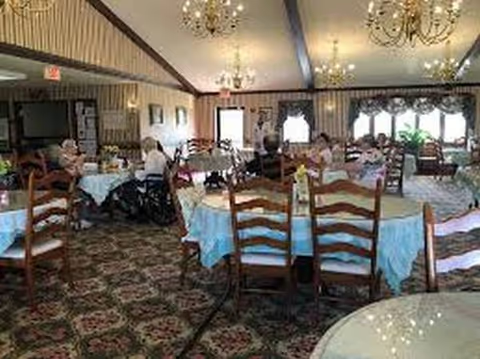
Dining and daily living: Some commenters praise a busy activity schedule and comfortable rooms, but multiple accounts mention delays and inconsistencies in meal service, including cold or late meals and difficulty obtaining items such as blankets. These operational lapses suggest meal-service continuity and resident-request response can be unreliable at times.
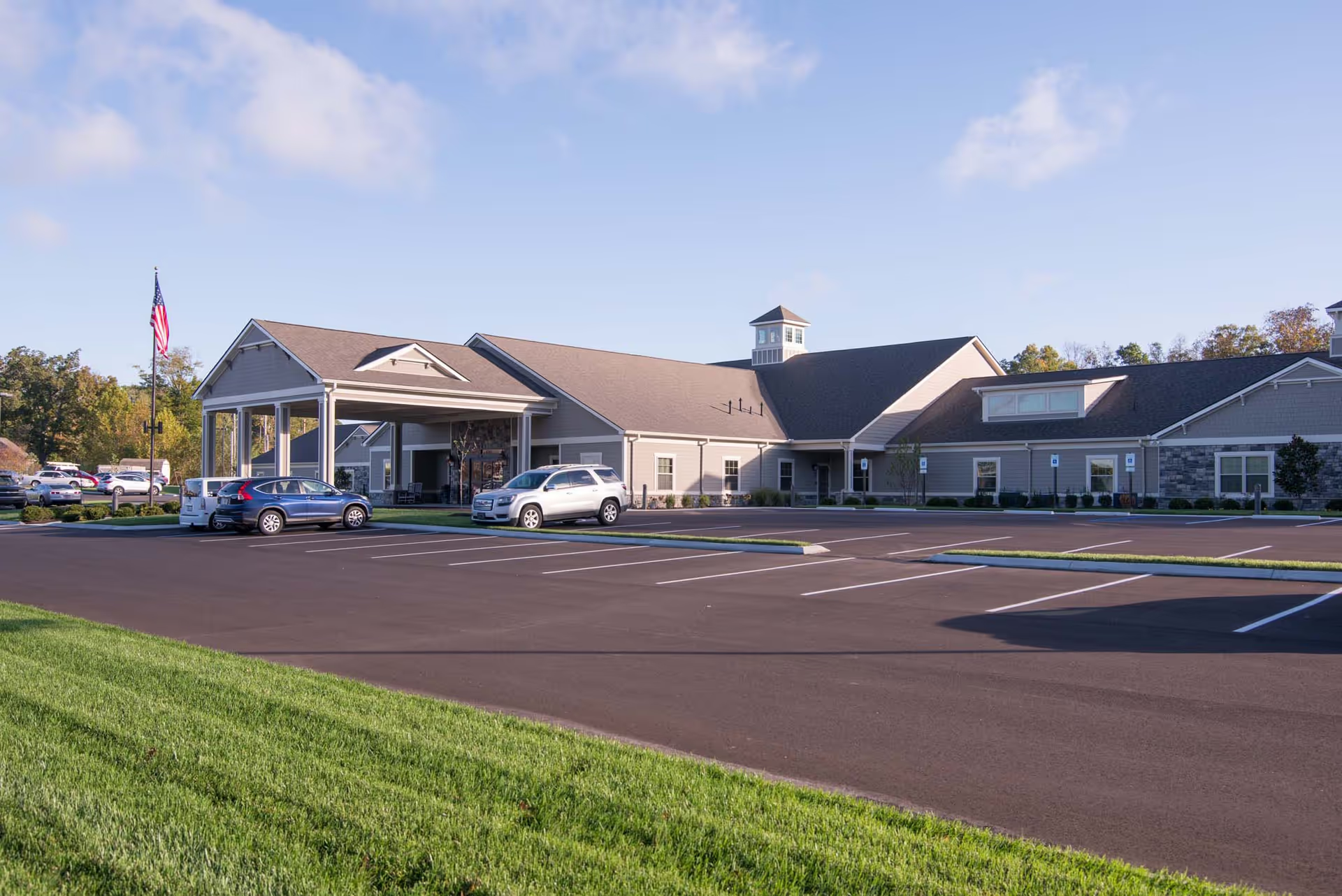
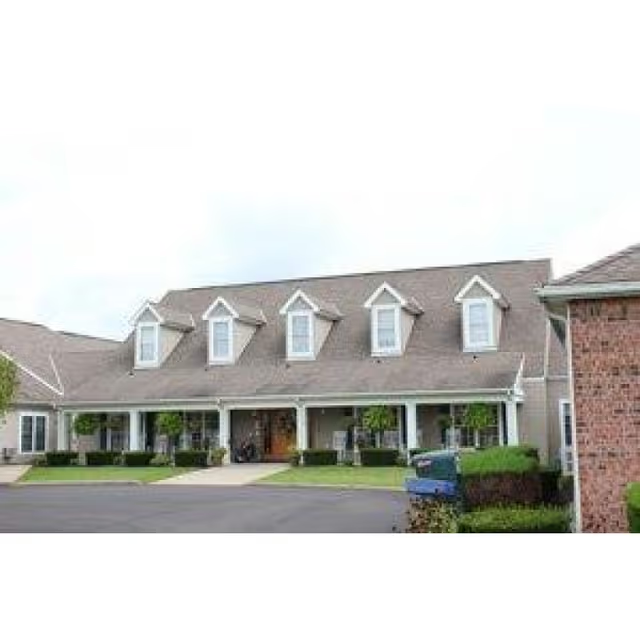
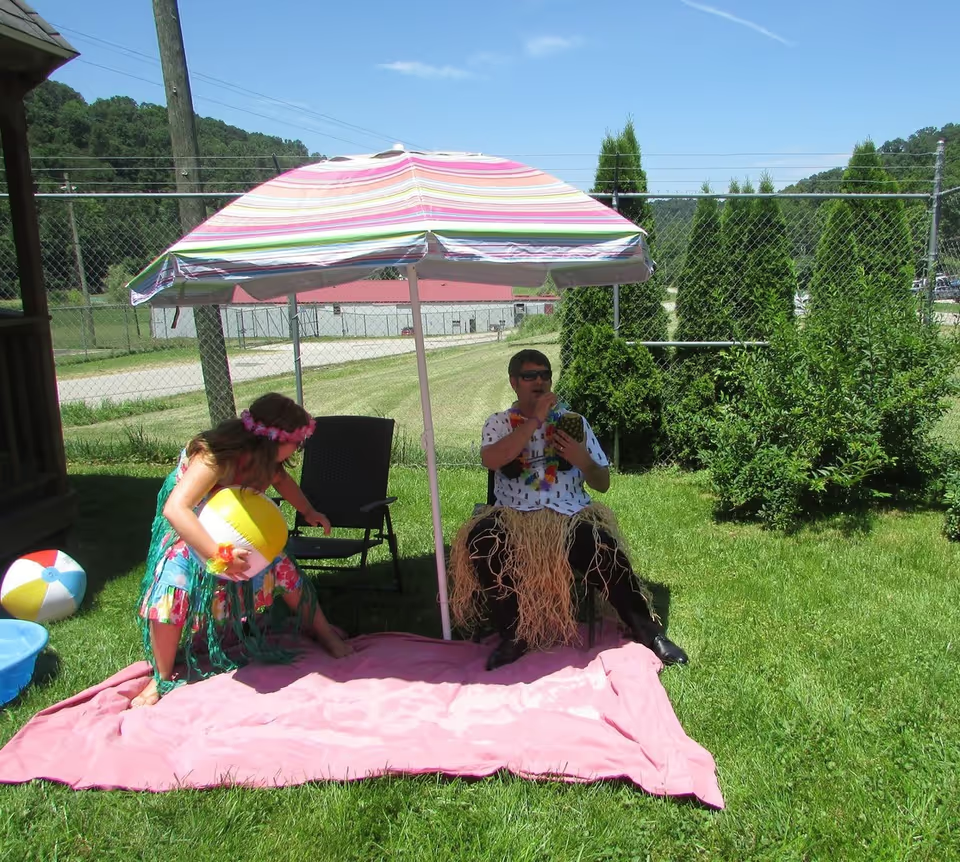
Activities and environment: The facility is noted for active programming — social activities, school and animal visits, and efforts to keep residents engaged. Many families appreciate building updates, exterior landscaping, and individual room comfort. However, other reviewers reported cleanliness and pest-control concerns in specific areas and occasional housekeeping lapses. Prospective residents should inspect common areas and rooms and ask about housekeeping and pest-control protocols.
Safety, maintenance, and emergency response: There are positive notes about recent facility maintenance and upgrades, but reviewers raised safety concerns about exterior maintenance during winter (icy parking lot and porch) and slow incident escalation in some situations. These comments indicate the need to verify winter-safety procedures, sidewalk/parking maintenance, staffing for emergency response, and incident-notification protocols.
Management and communication: Families praised certain clinical leaders and named clinicians for being approachable and effective. At the same time, reviewers described admissions responsiveness issues, inconsistent updates around procedures or surgeries, and a perceived need for strong family advocacy to ensure consistent care. These patterns suggest management strengths in some areas but gaps in admissions coordination, parent/family communication, and continuity of information when staff turnover occurs.
Notable patterns and guidance for families: The overall pattern is polarized: many positive experiences focused on rehab successes and compassionate caregivers coexist with accounts of operational variability that can impact safety and hygiene. Prospective residents and their families should tour the unit, meet therapy and nursing leadership, ask for current staffing ratios, clarify emergency and escalation procedures, review cleanliness and pest-control measures, and confirm meal-service schedules. Bringing an advocate during admission and early days of a stay may help ensure care plans and routines are consistently implemented.