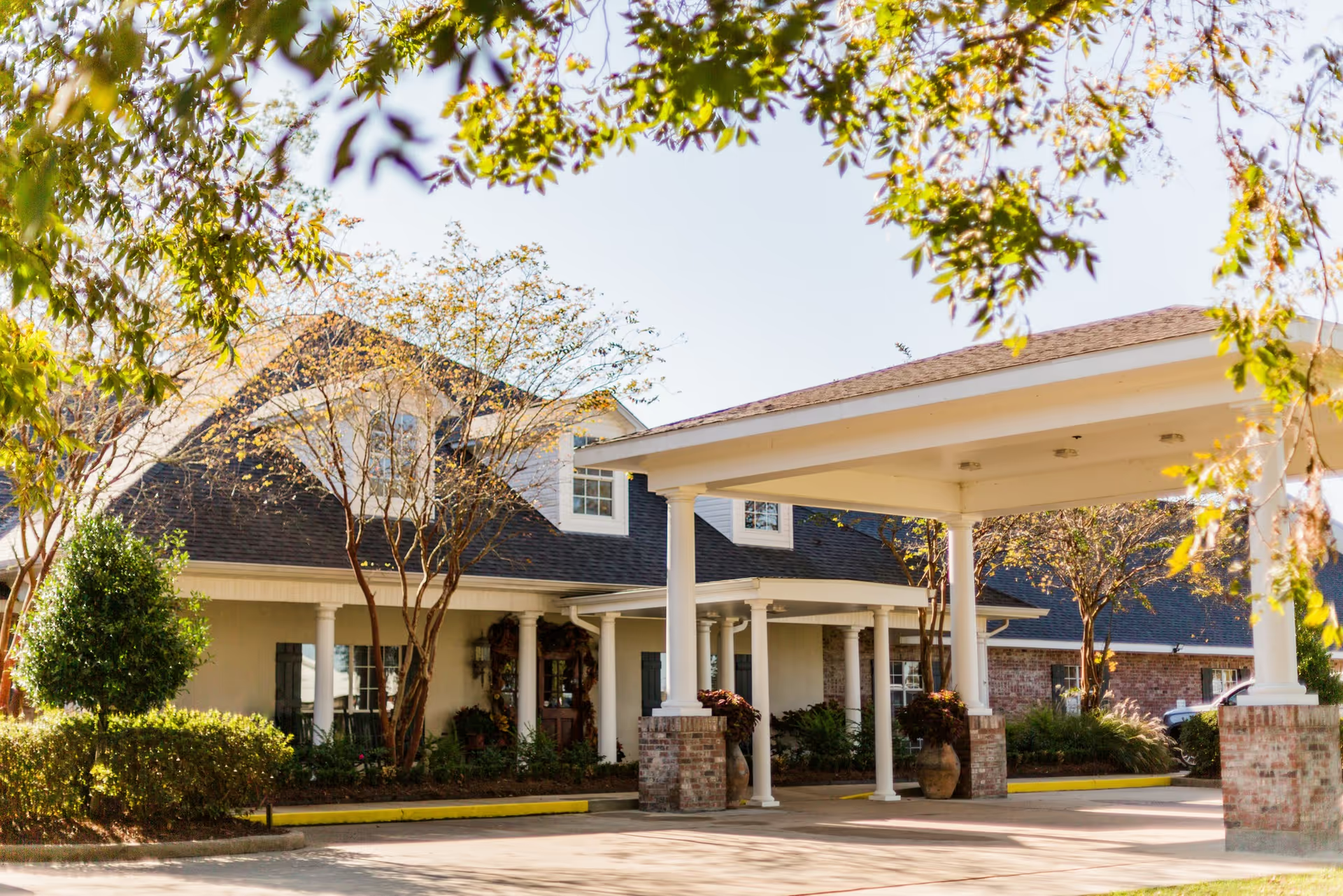
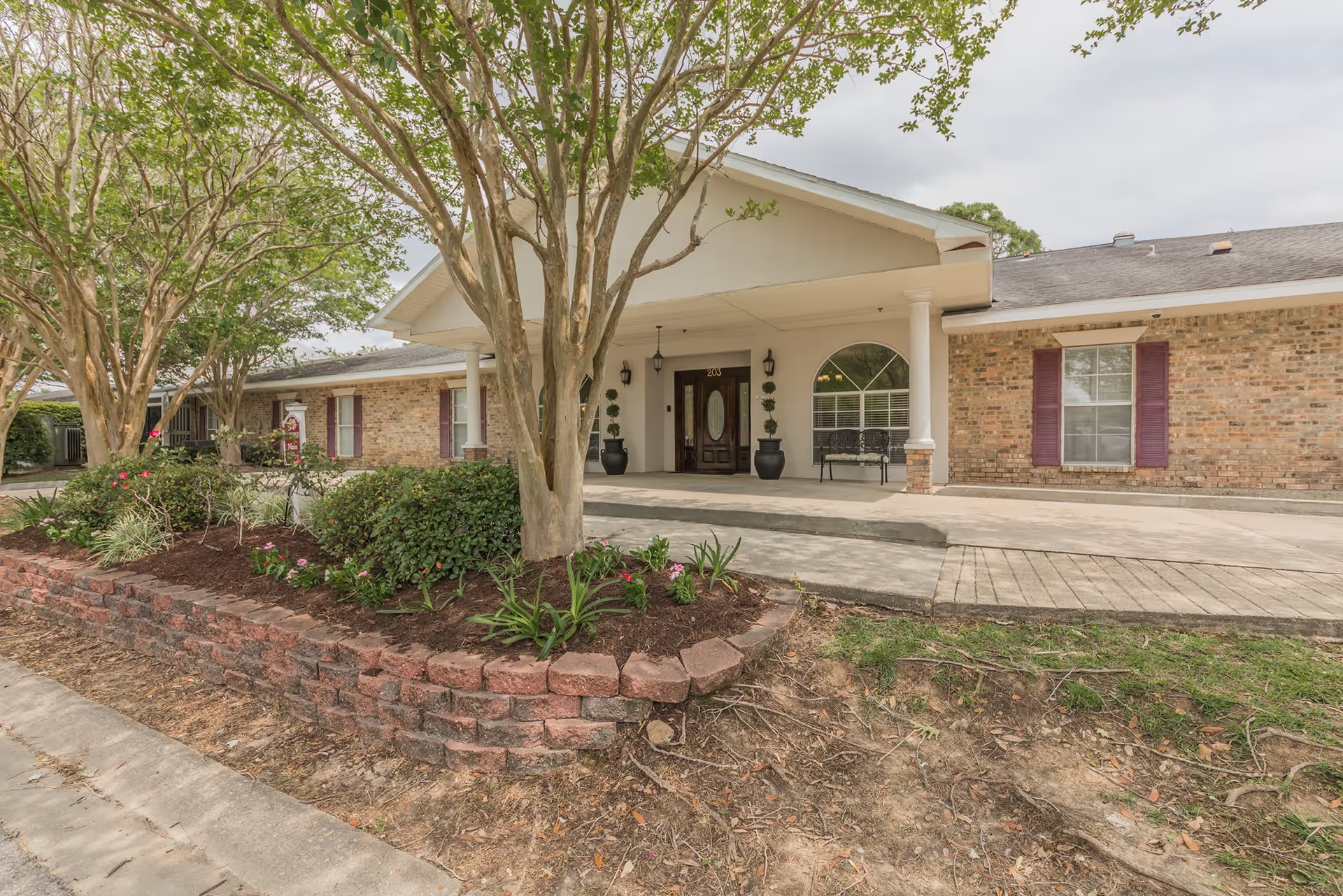
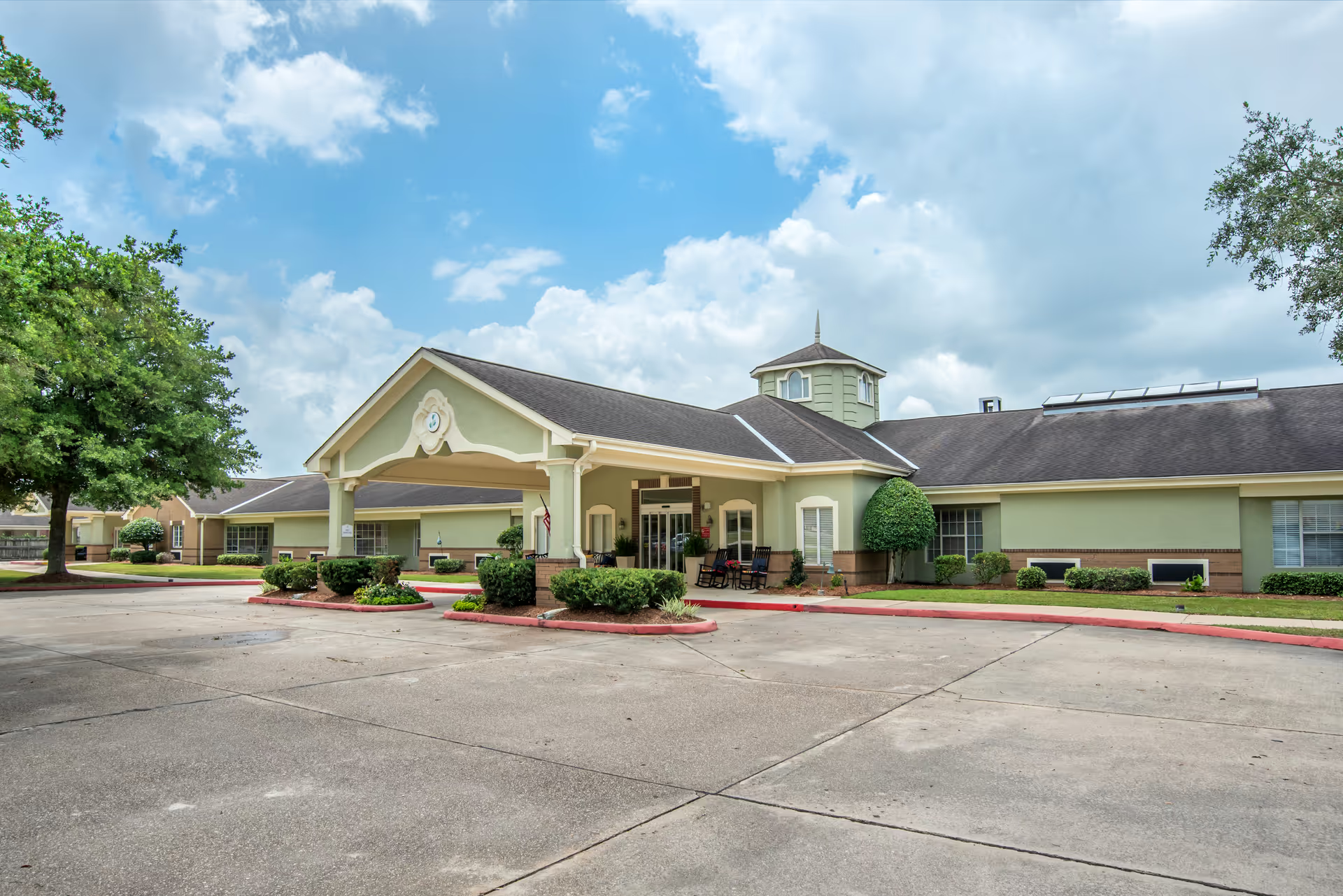
Canterbury House presents a mixed but clear profile: many families and visitors highlight a family-oriented, locally run community with a welcoming atmosphere, compassionate staff, and a range of housing options. Recent ownership changes and remodels have produced fresh, inviting common areas and ongoing upgrades. Practical positives include all-inclusive flat-fee pricing, transportation to medical appointments, housekeeping and laundry services, no furniture-move fee, and chef-prepared meals with several reviewers praising breakfast and portion sizes. The facility offers active social programming (bingo, bible study, holiday events) and several accounts compliment the quality of end-of-life care and the attentiveness of specific leadership and staff members.
Care quality and staffing present divergent impressions. Multiple reviewers described staff as caring, kind, and accommodating; others raised concerns about inconsistent staffing levels, delayed responses to in-house calls, and variability in staff communication style. There are also serious care-related concerns in some reviews, including incontinence-care delays and other hygiene-related care gaps, as well as allegations of theft and financial misconduct. These statements represent serious issues to investigate further; prospective families should ask for staffing ratios, call-response procedures, incident logs, and references when touring.
Dining and activities receive mixed feedback. The presence of a chef and positive comments about certain meals and breakfasts contrast with other accounts of bland or inconsistent food quality and questions about nutritional variety. Activities are available and appear meaningful for many residents, but some reviewers noted that certain residents were unable to participate or had limited access to programs.
Facility condition and accessibility are similarly mixed. Renovations and thoughtfully designed spaces are mentioned alongside unit-level maintenance inconsistencies (peeling tile, stained carpeting, and move-in cleaning shortfalls). Accessibility limitations were noted — a lack of grab rails, few walk-in showers, and concerns about second-floor access despite an elevator — and the dining room was described as small by some families. Security and site-safety concerns were raised, including an unsecured front door and proximity to a busy street; location suitability should be evaluated in person.
Management and operations appear in transition. New ownership and new staff have produced both visible improvements and some instability: reviewers cite fresh leadership and positive executive-direction, while others describe inconsistent communication, staff turnover, and variability in daily operations. Pricing is considered good value by several reviewers, but limited or absent memory-care services may make the community unsuitable for those seeking a dedicated dementia-care program.
Bottom line: Canterbury House has clear strengths in hospitality, chef-led dining in some instances, an inclusive pricing model, and a family-focused culture with active social programming. At the same time, there are recurring operational concerns — sanitation and odor control in some areas, inconsistent meal and unit maintenance standards, accessibility limitations, staffing and responsiveness variability, security vulnerabilities, and serious but isolated allegations that warrant careful follow-up. Prospective residents and families should tour the community, sample meals, review cleaning and security protocols, ask about staffing ratios and incident-handling procedures, verify memory-care availability if needed, and request references to clarify both the positive aspects and the problematic patterns noted above.