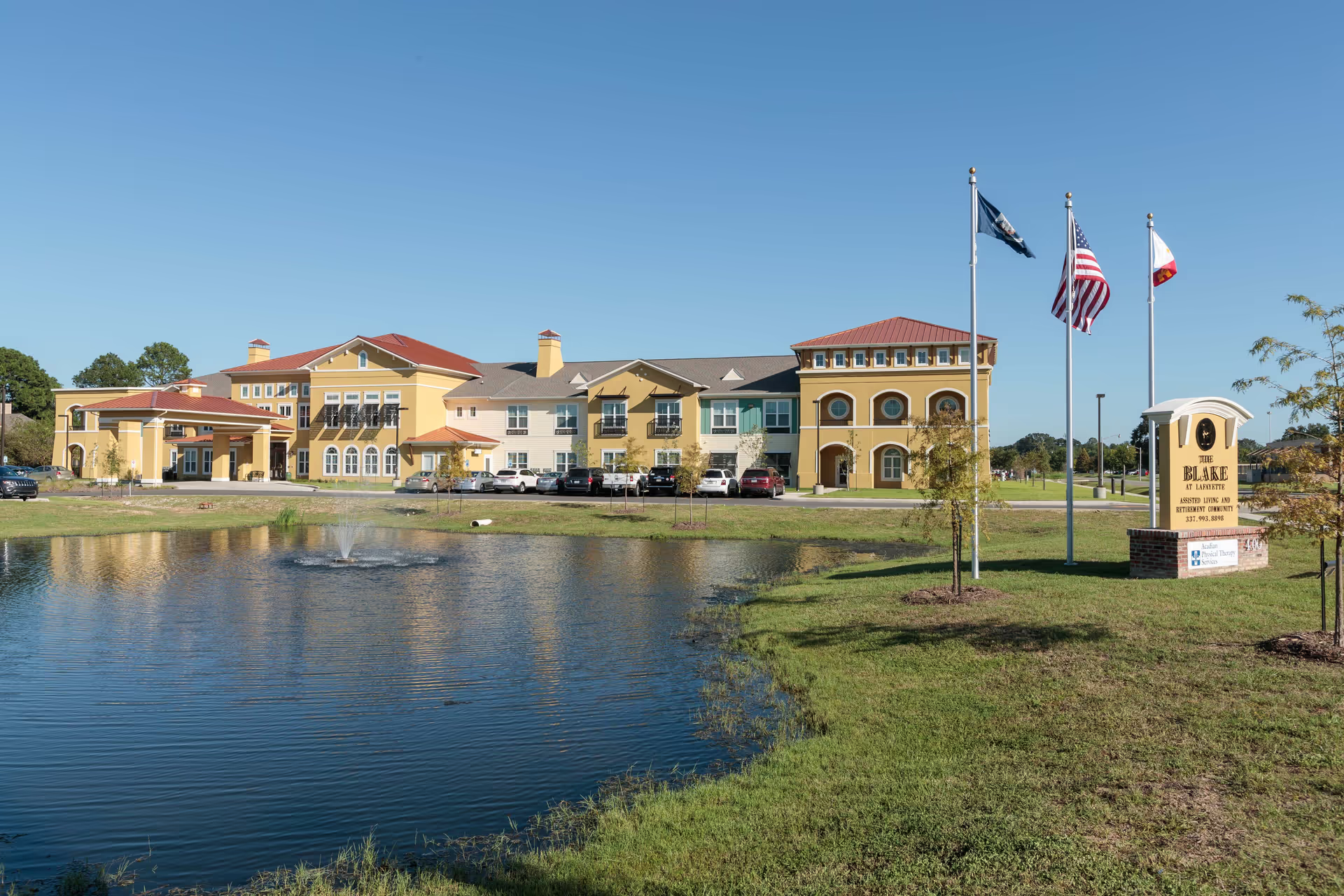
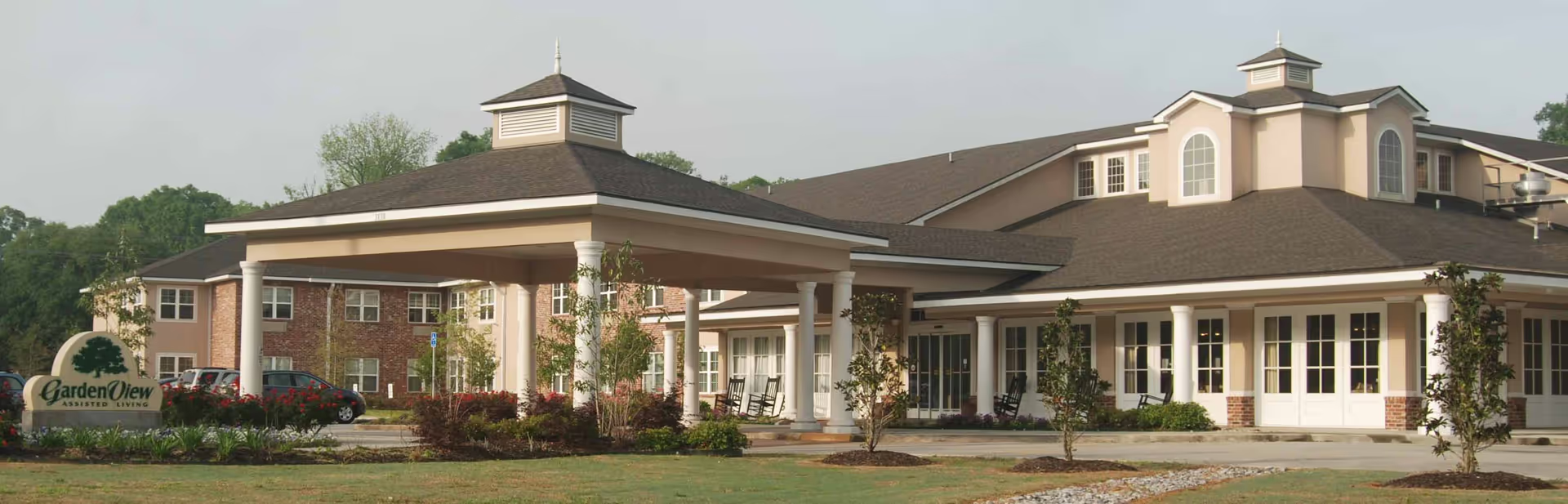
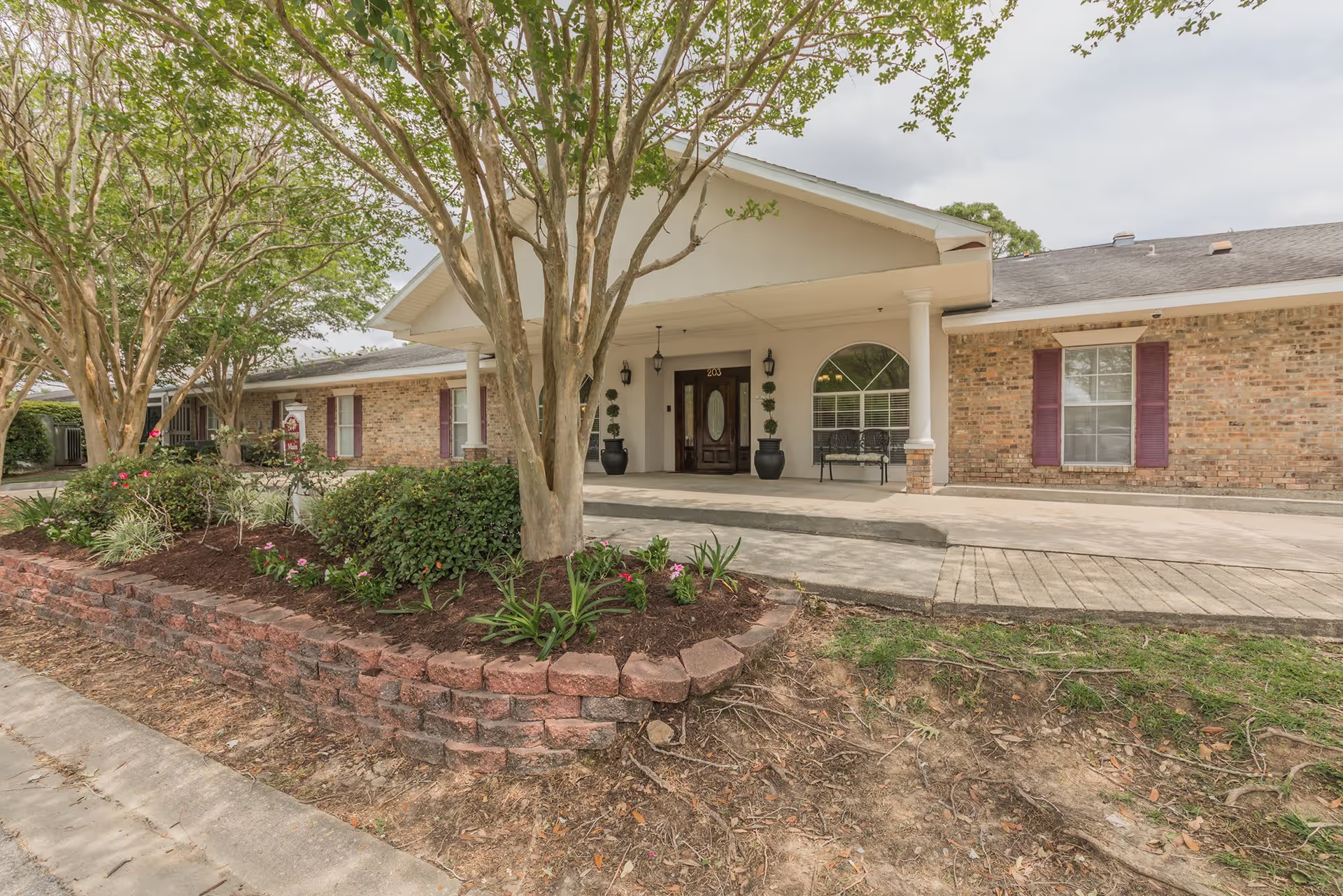
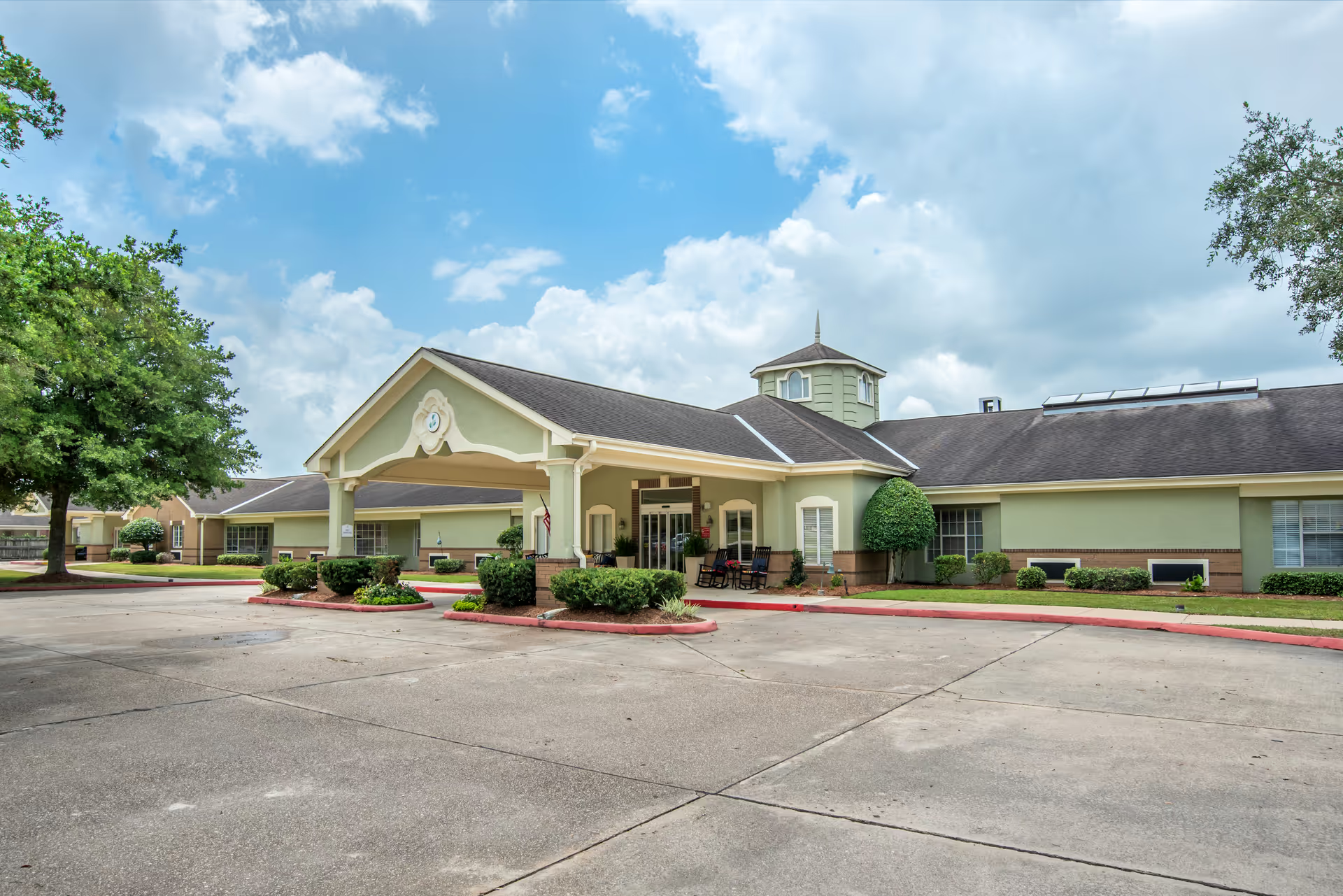
Reviewer feedback presents a mixed but patternable picture. Strengths include a consistently cited culture of friendly, compassionate caregiving and a well-regarded therapy/rehab program; families frequently described therapists and CNAs who provide individualized attention, support successful short-term recoveries, and create a home-like social environment. The facility’s public areas are often described as clean and pleasant, with attentive housekeeping, fresh landscaping, and active social programming that includes both group and individual activities. Admissions and front-desk interactions are commonly characterized as welcoming and informative, and the campus benefits from secure entry procedures and visible infection-control practices.
At the same time, a number of clinical and operational concerns recur across reviews. There are repeated observations suggesting uneven clinical competency and training among nursing staff and aides, including gaps in skills relevant to complex care (for example, feeding-tube and ostomy care). Several narratives imply weaknesses in medication-administration practices and distraction during medication passes. Operationally, reviewers also cite inconsistent staffing levels; these shortages correlate with delays in basic care tasks such as repositioning and timely incontinence support. Those patterns point to potential quality-of-care risks that prospective families should explore further.
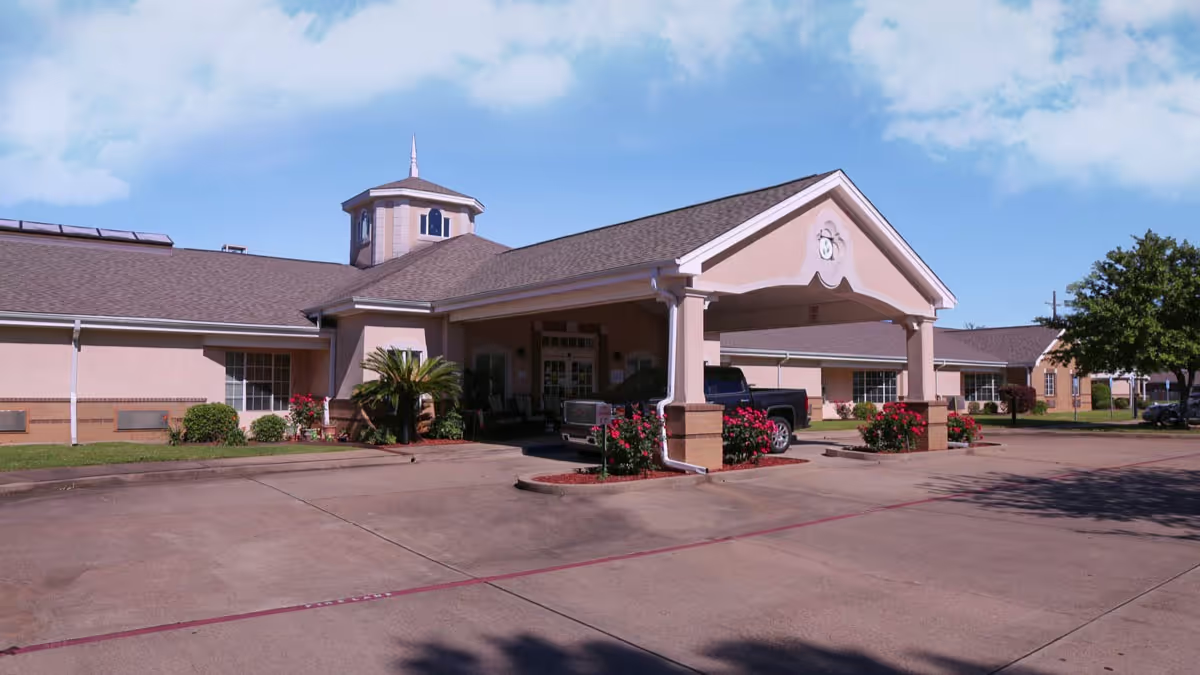
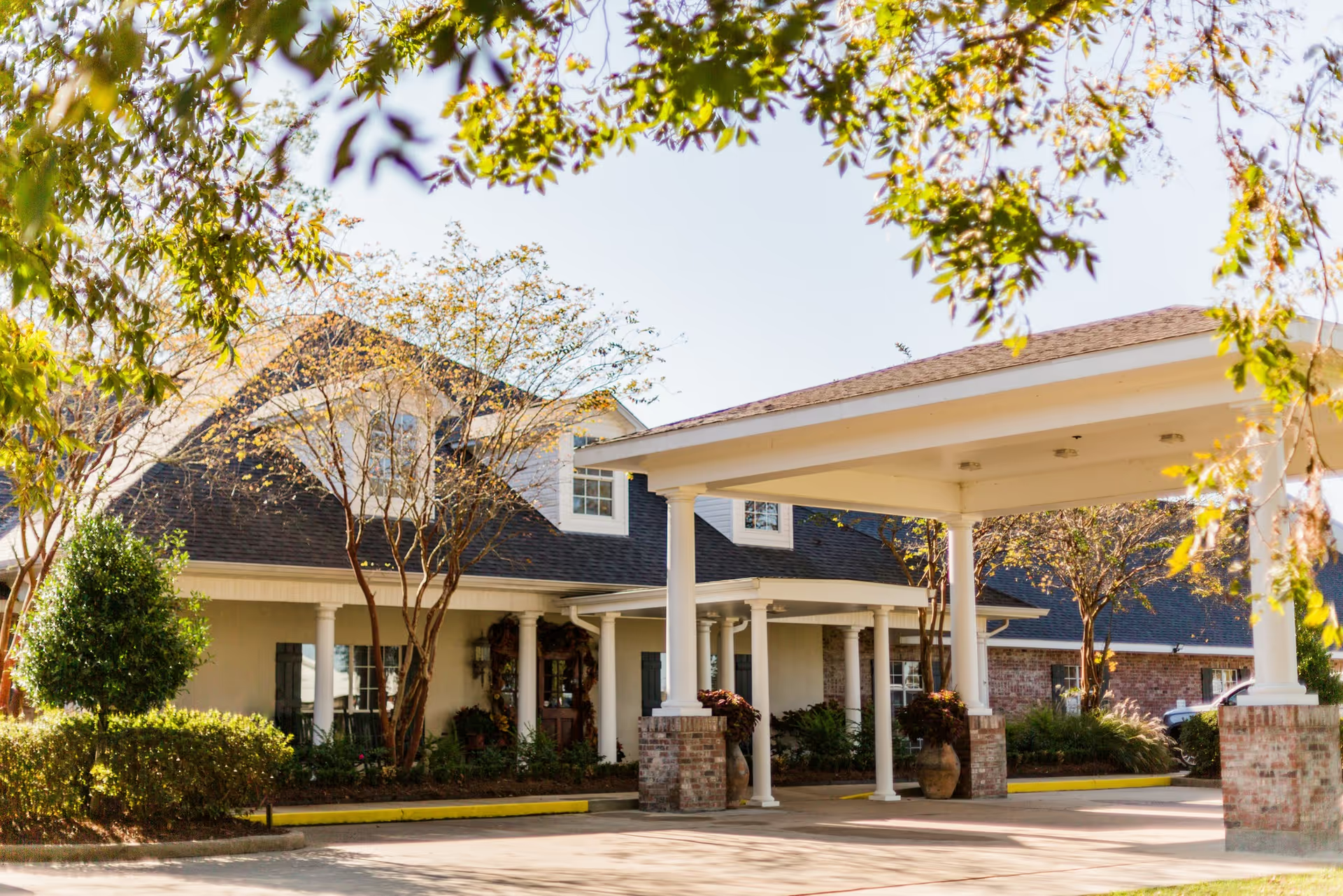
Facility and environmental issues appear in two distinct clusters. On the positive side, common areas and overall housekeeping receive frequent praise; on the negative side, reviewers note maintenance backlogs in resident rooms (small room footprints, squeaky beds, ad hoc repairs) and sanitation or pest-control concerns in some units. Dining receives mixed comments: the facility offers multiple dining options and an on-site café, and many residents enjoy meals, but there are also notes about less appealing menu items and limited attention to diabetic meal accommodations. Parking logistics and smoking near building entrances are additional operational pain points that affect visitor convenience and campus odor control.
Management and communication present a mixed impression. Admissions staff and some managers are described as helpful and communicative, while others reference limited visibility of senior administration, difficulty resolving clinical concerns with leadership, and gaps in family notification during audits or incidents. The tone of comments ranges from high praise for individual staff members and departments to serious concerns about responsiveness and consistency of care.
For prospective residents and families: the facility shows clear strengths in therapy, social programming, and housekeeping, and many families report positive day-to-day experiences. At the same time, recurring clinical-training, medication-safety, sanitation, and maintenance issues warrant careful, specific inquiry during a tour. Recommended questions include staffing ratios and turnover, protocols and audits for medication administration, training for complex-care skills, pest-control and room-maintenance schedules, diabetic menu accommodations, and visitor-parking arrangements. Observing a medication pass, reviewing recent quality/audit reports, and speaking with both nursing leadership and current resident families can help clarify how consistently the facility’s positive attributes are applied across resident units.