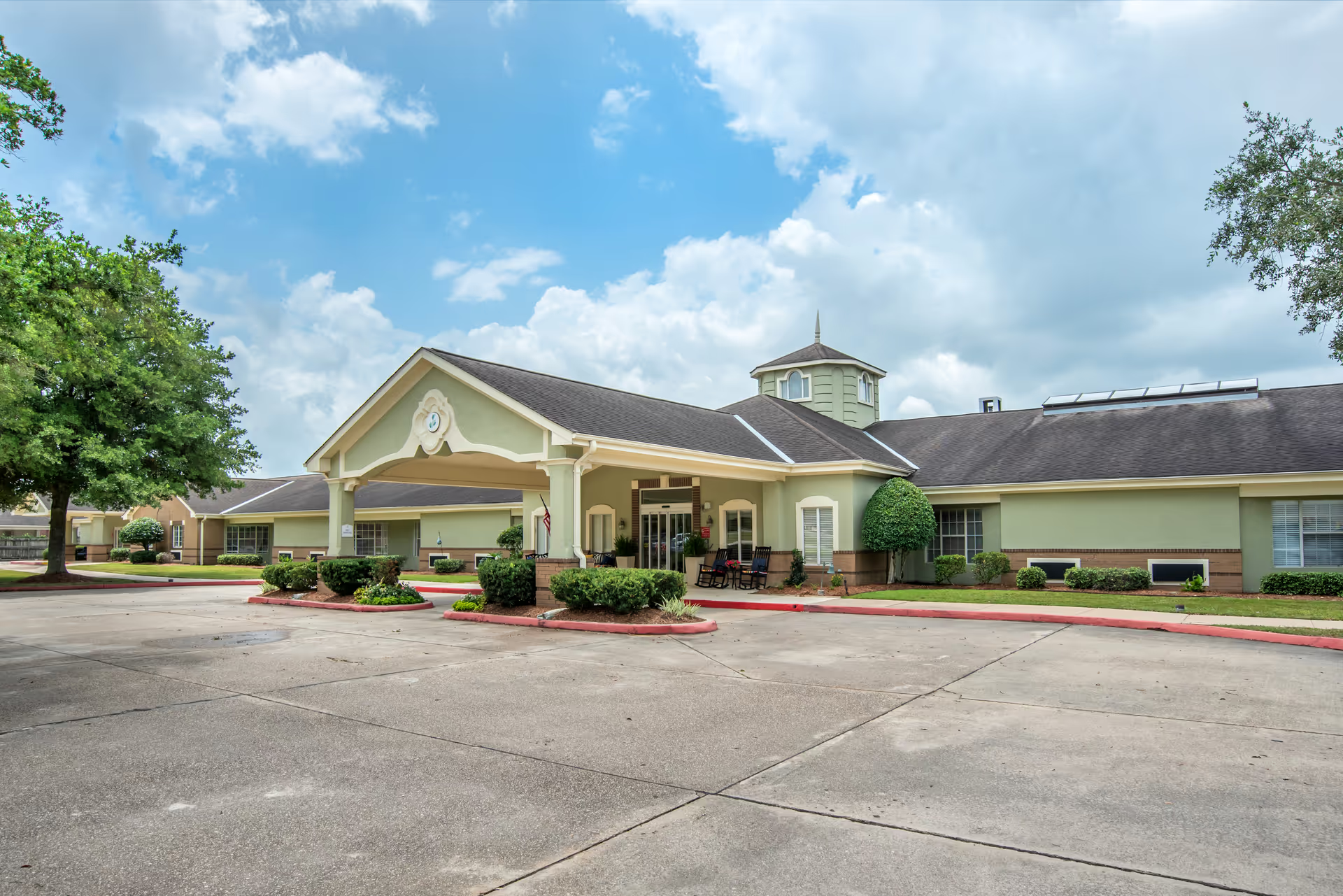
The reviews present a polarized picture of care at Summit Retirement Center. Many families praise individual caregivers and departments — notably the memory-care unit, therapy/rehab teams, activities staff, and specific nurses and CNAs who are described as compassionate and attentive. Positive accounts emphasize residents’ social engagement, improvements during rehabilitation, private-room features such as individual showers, a generally well-maintained campus with gated entry, and helpful admissions and front-desk assistance. Several reviewers explicitly named staff who provided strong, comforting support during rehabilitation and end-of-life care.
At the same time, a meaningful set of concerns emerges that relate to facility operations rather than isolated incidents. Reviewers described inconsistent sanitation and incontinence-care practices, along with pest-control issues in resident areas. There are repeated accounts of delayed responses to call lights and slow attention to personal care needs, which point to variability in staffing levels or task prioritization. Dining impressions are mixed — some families report fresh, hot and filling meals, while others cite cold or undercooked food and interruptions to meal service.
Clinical oversight and leadership are recurrent themes. Several families reported gaps in clinical follow-up and concerns about medication/behavior management practices, and some described poor communication and a lack of accountability from management when problems arose. Comments about leadership turnover and director-level issues suggest instability at higher levels that may affect staff morale and operational consistency. A subset of reviews raises serious allegations about missing personal items and financial mishandling; these are significant and suggest the need for clear investigative and accountability processes.
Operational strengths are evident in therapy outcomes, the activities program, and the presence of helpful individual staff who families singled out. However, the facility-level patterns indicate uneven performance: strong interpersonal care from certain employees contrasts with systemic weaknesses in sanitation, responsiveness, meal consistency, and managerial follow-through. Prospective residents and families should weigh the positive programmatic offerings and individual staff strengths against the documented operational concerns, and they may wish to ask leadership for recent staffing metrics, incident-response protocols, sanitation audit results, and the facility’s procedures for handling allegations of missing property or financial concerns before making a placement decision.