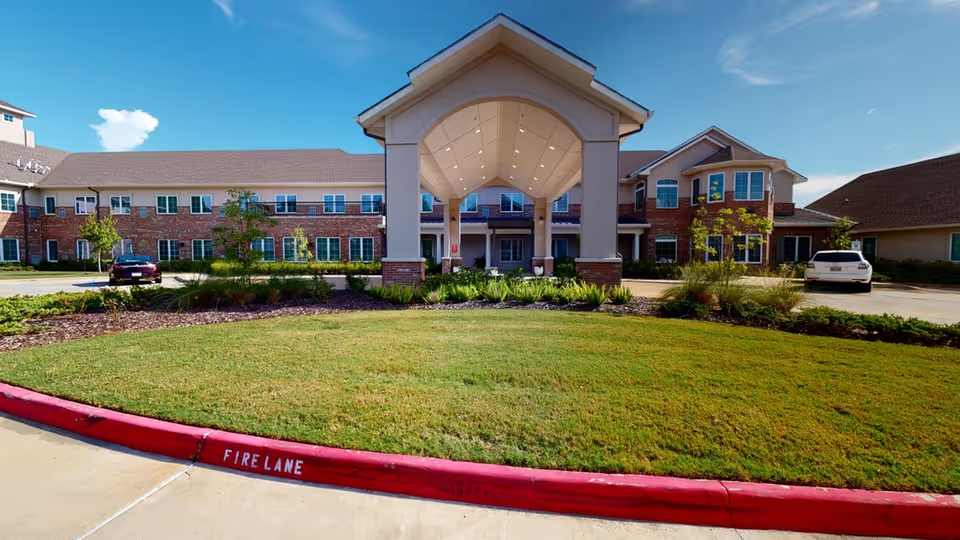
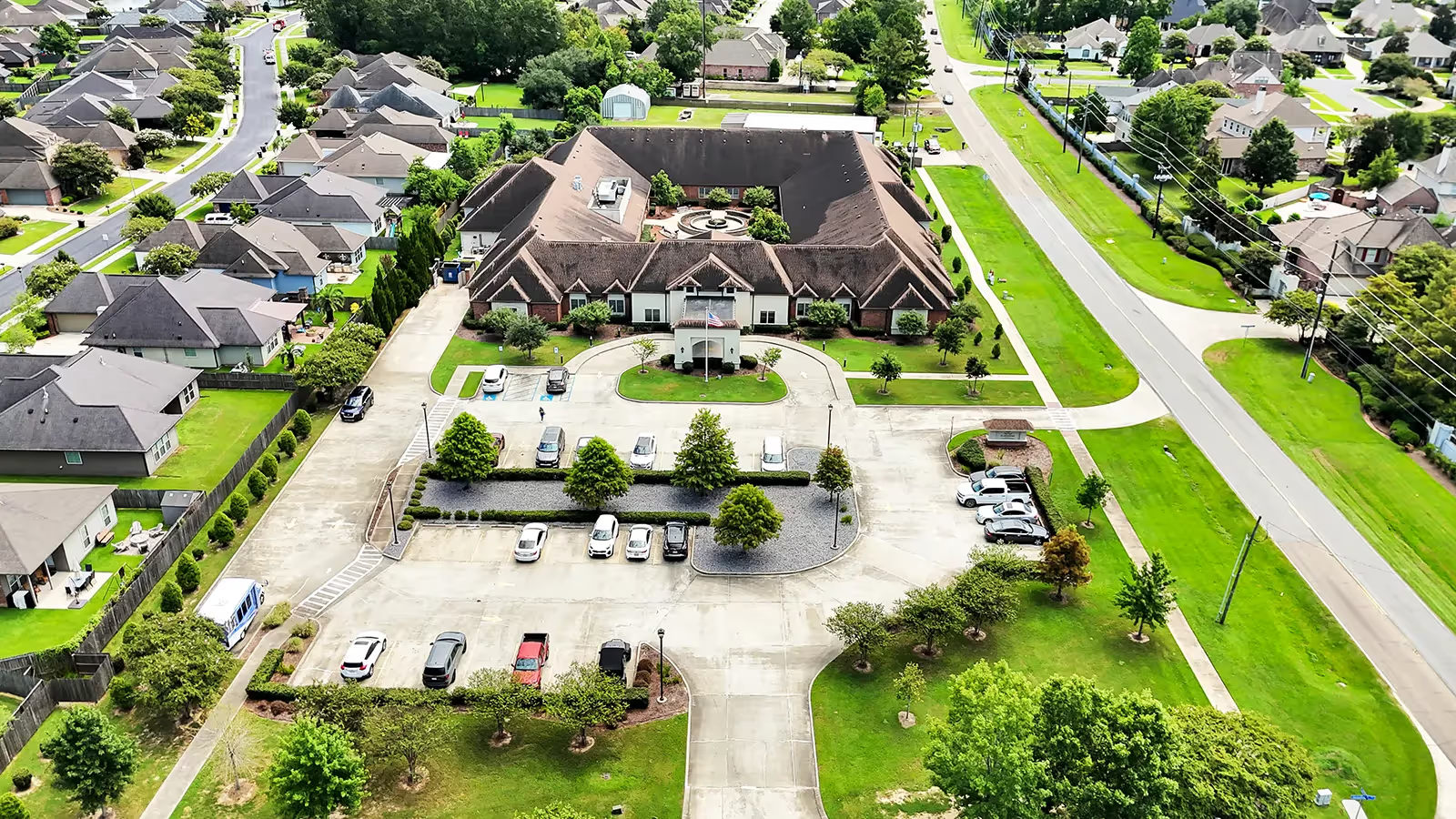
The review set paints a polarized picture of Carrington Place of Baton Rouge. Several families described positive experiences at intake and with particular caregivers, noting that the community accepts Medicaid and Medicare and that some residents have established familiar relationships with nursing staff. Those accounts emphasize a smooth admissions process and occasional attentive, personable care. At the same time, a larger body of concern centers on core care delivery and facility maintenance.
Care quality concerns focus on responsiveness and basic daily support. Reviewers described delayed or inconsistent responses to call buttons and requests for assistance, inconsistent help with meals, toileting and dressing, and what they characterized as gaps in incontinence‑care timeliness and bathing schedules. These issues suggest uneven implementation of routine care and a need to verify staffing patterns during different shifts. There are also repeated mentions of medication‑management concerns; families should seek documentation and clarity about medication administration and oversight.
Staffing and staff conduct emerge as another clear theme. Reviews indicate variable staff engagement and possible staffing shortfalls that create dependency on family members to fill care gaps. Some families praised particular caregivers and reported positive unit‑level relationships, while other accounts describe lapses in presence and attentiveness, inconsistent communication from management, and workforce‑management tensions. A subset of comments raises concerns about discriminatory treatment and personnel actions; these comments are serious and suggest potential human‑resources or cultural issues that prospective families may want to explore further.
Dining and activities are less frequently detailed but are linked to the broader care concerns: inconsistent meal assistance and missed or delayed feeding support were reported, which aligns with the ADL issues noted above. Reviewers did not provide an extensive inventory of recreation programming; some observed residents appearing content in communal areas, while others emphasized the need for families to be actively involved to ensure engagement and nutrition.
Facility condition and logistics are mixed. Multiple reviewers described sanitation and housekeeping shortfalls in rooms and common areas, missing personal items or amenities, and cramped room layouts that limit space for wheelchairs and bedside equipment. These operational issues affect comfort and safety and point to maintenance and housekeeping processes that may require attention.
Management and communication are recurrent themes. Families reported difficulty getting sustained responses to complaints and inconsistent follow‑up from leadership, although admissions staff were frequently described as courteous. A few reviewers referenced regulatory or licensing concerns; these are significant enough that prospective residents and their families should review recent inspection reports and ask management directly about corrective actions and current staffing ratios.
Overall, the reviews indicate a facility with some positive relationships and an accessible payer mix, but with multiple operational weaknesses that affect everyday care, cleanliness, staffing stability, and family communication. Prospective residents and their families should tour the community at different times of day, observe call‑bell response and mealtime routines, review current staffing levels and recent inspection findings, and ask specific questions about medication oversight, complaint-resolution procedures, and room accessibility before making a placement decision.