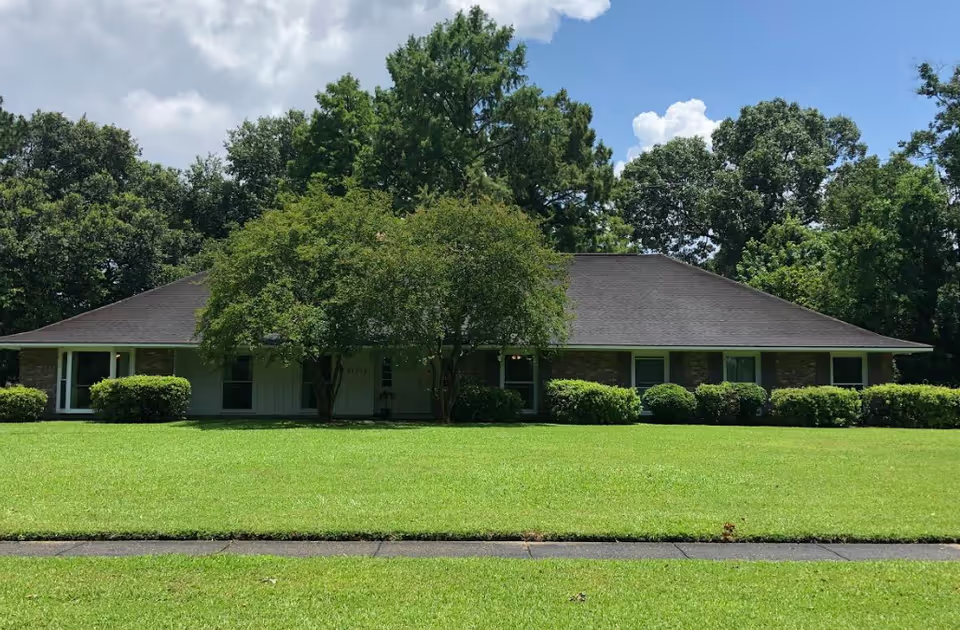
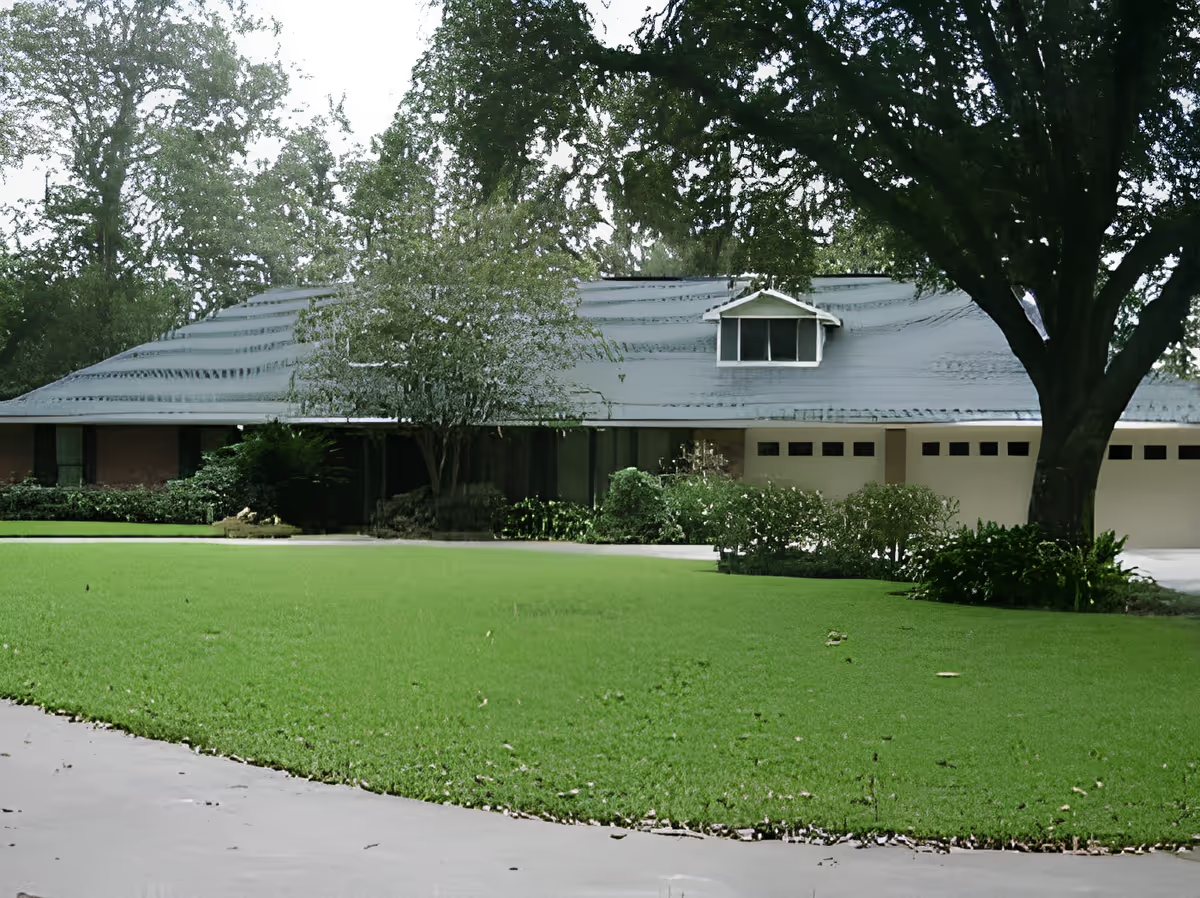
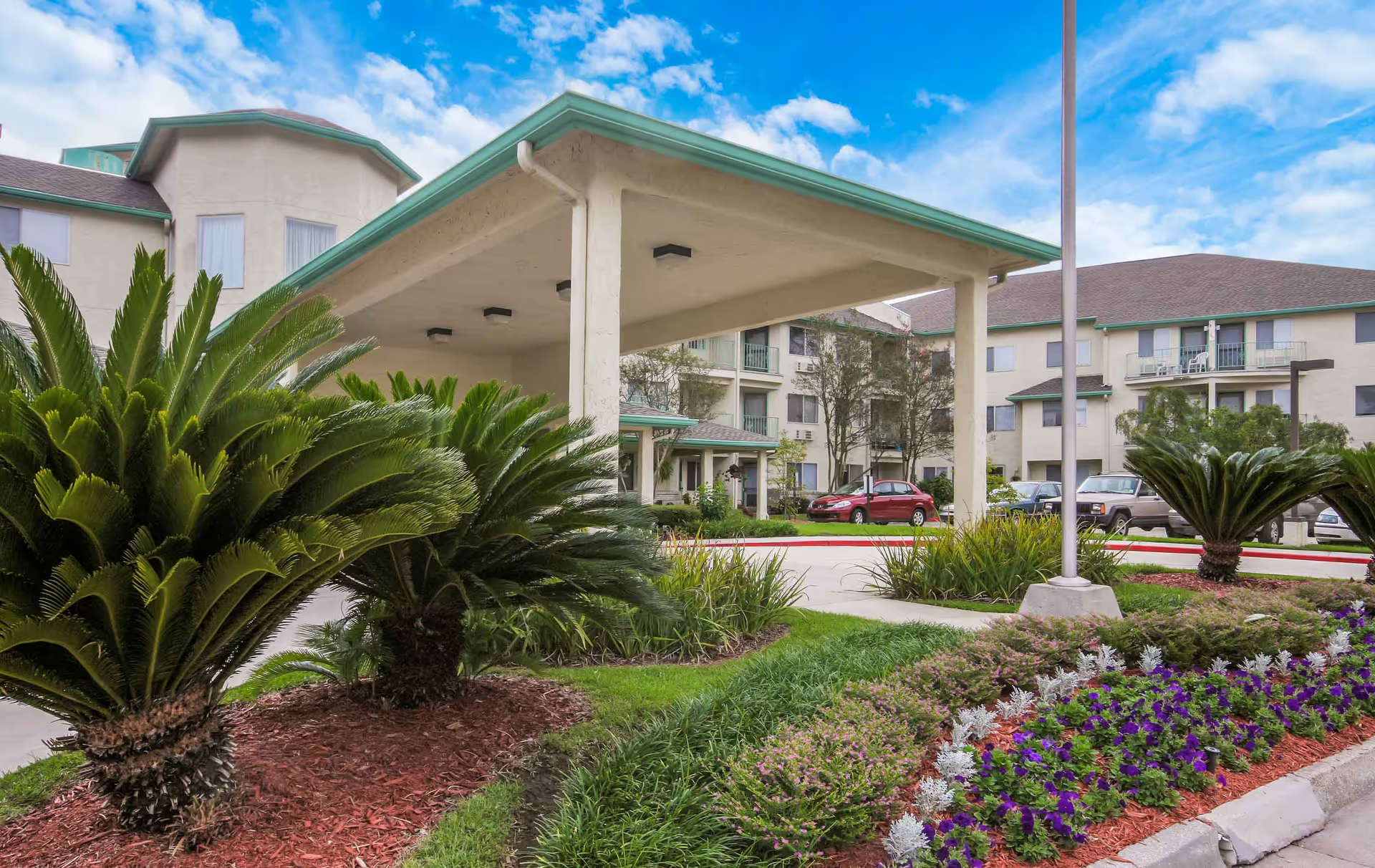
The reviews for Flannery Oaks Guest House present a strongly polarized picture. A substantial number of family members and visitors describe a clean, newly renovated facility with a welcoming, family-like atmosphere, engaging activities, and high-quality dining. Caregivers, nurses, and front-desk personnel are frequently characterized as kind, attentive, and helpful; many accounts highlight successful rehabilitation outcomes, responsive on-site issue resolution, and a variety of organized social events such as tea parties, birthdays, and a senior prom.
At the same time, there are persistent and consequential concerns related to care consistency and operational controls. Several accounts point to variability in staff performance across shifts, with some staff described as flustered, abrupt, or insufficiently attentive. These reports are connected to broader clinical concerns including inconsistent monitoring, delays in attending to resident needs, and gaps in clinical escalation when medical issues arise. Families describe situations where communication about clinical events and follow-up has been inadequate, which has eroded trust in some cases.
Facility condition and services also show mixed themes. Many reviewers praise the building, rooms, and daily programming; others describe sanitation and odor concerns in certain common areas and occasional housekeeping lapses. Dining is often singled out positively for quality and accommodating favorites, yet several accounts indicate variability in mealtime experience and service consistency. Activity programming is a clear strength for many residents, though some visitors wished for more informal peer interaction opportunities beyond scheduled programs.
Management and administrative practices emerge as a significant area of divergence. Multiple reviewers note responsive administrators who resolve issues quickly; conversely, others report poor or delayed communication from directors, ignored calls and emails, and unsatisfactory follow-through. Documentation and transparency are specific pain points: families describe difficulty obtaining medical records or having records withheld, which complicates care coordination and raises legal and regulatory concerns. There are also serious conduct-related allegations — including theft, privacy breaches, and inappropriate staff behavior — that reviewers consider indicative of weak supervision and property-safeguard controls.
Taken together, the pattern suggests Flannery Oaks offers substantive strengths in environment, dining, activities, and committed staff members, but those positive elements are undermined for some families by inconsistent staffing, variable clinical oversight, lapses in sanitation in localized areas, and administrative transparency issues. Prospective residents and families should weigh the facility’s strong rehabilitative and social programming and the many positive caregiver interactions against the documented variability in operational consistency. If considering this facility, ask for specific, recent examples of staffing stability, incident-response protocols, documentation access procedures, property- and privacy-protection policies, and how the facility measures and responds to sanitation and clinical-quality concerns.