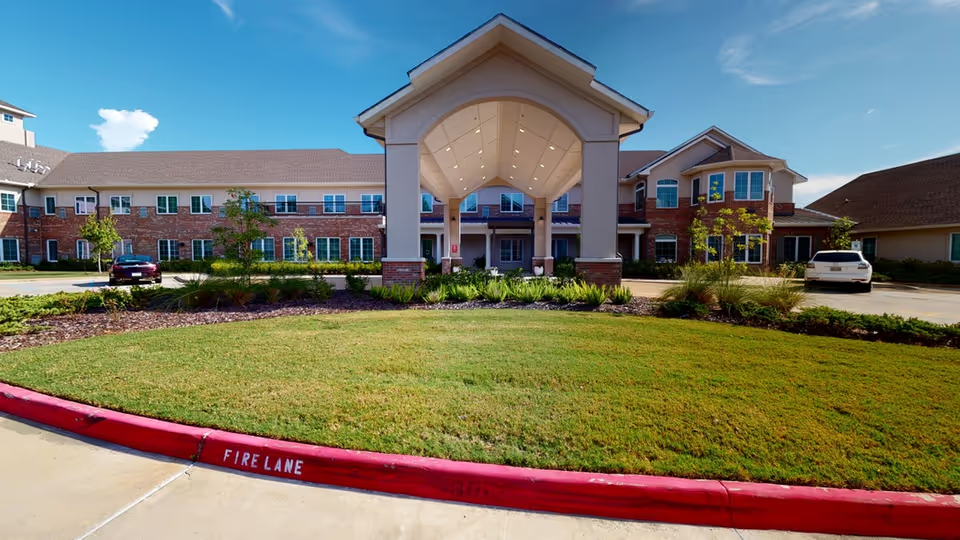
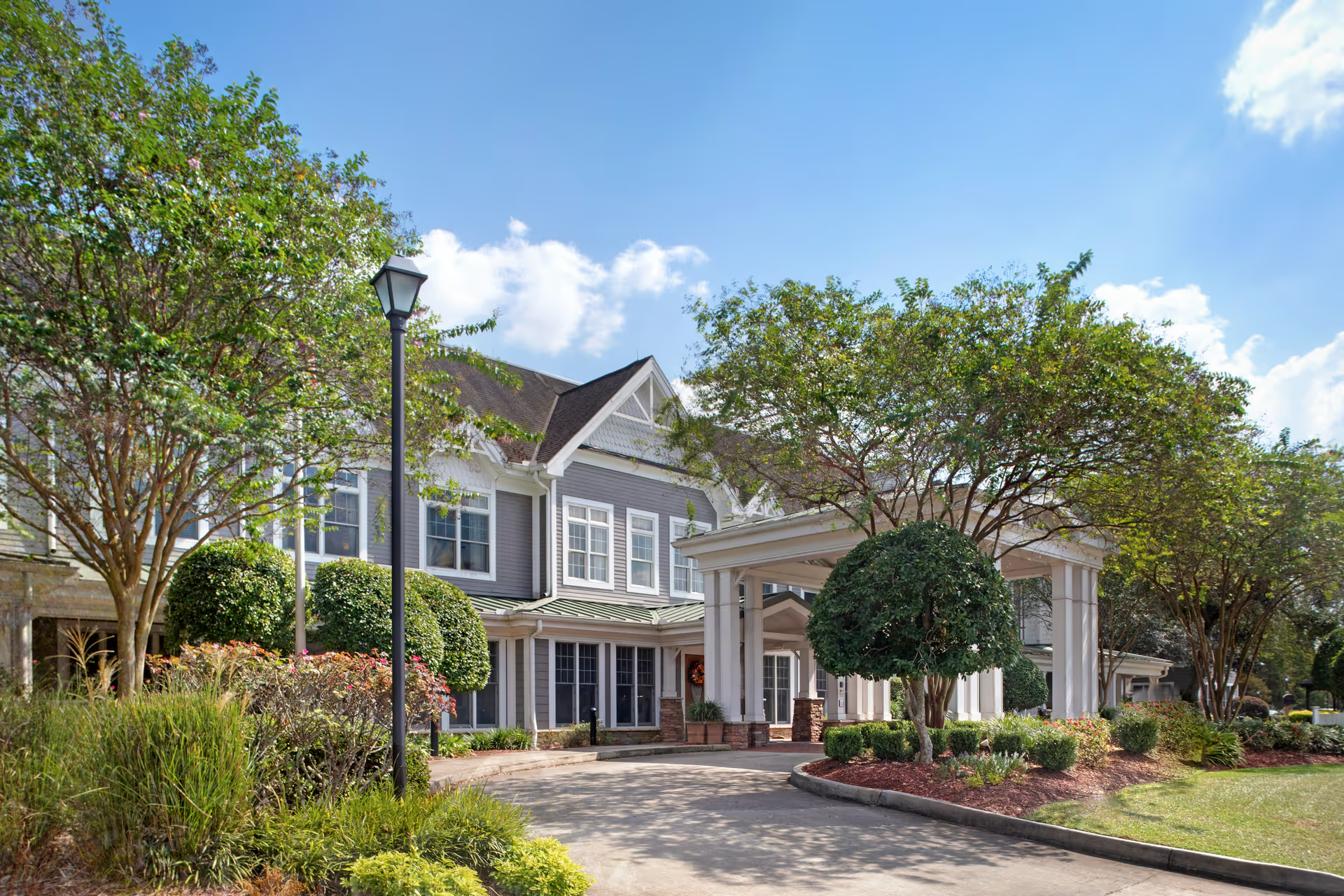
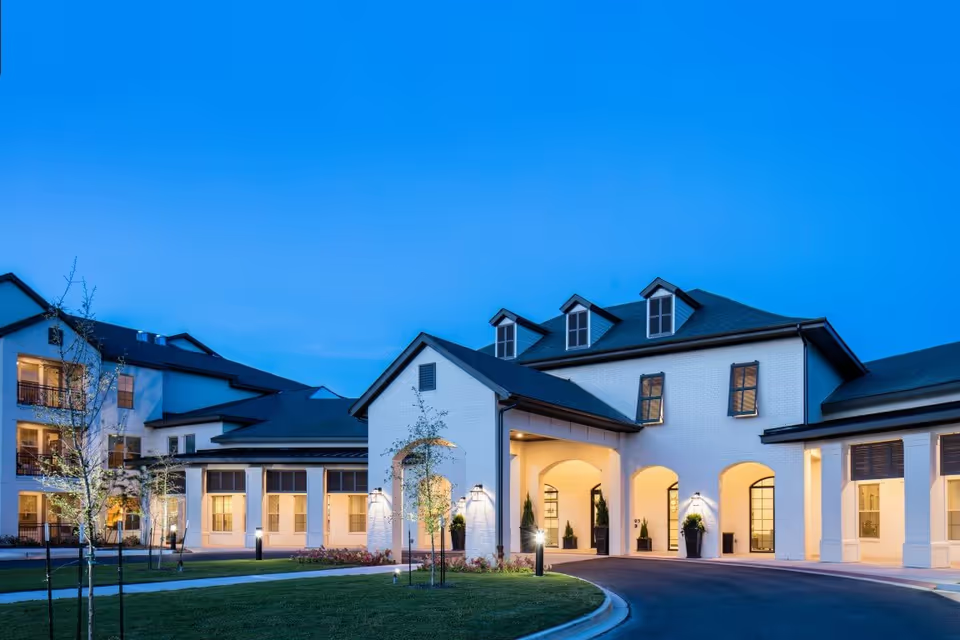
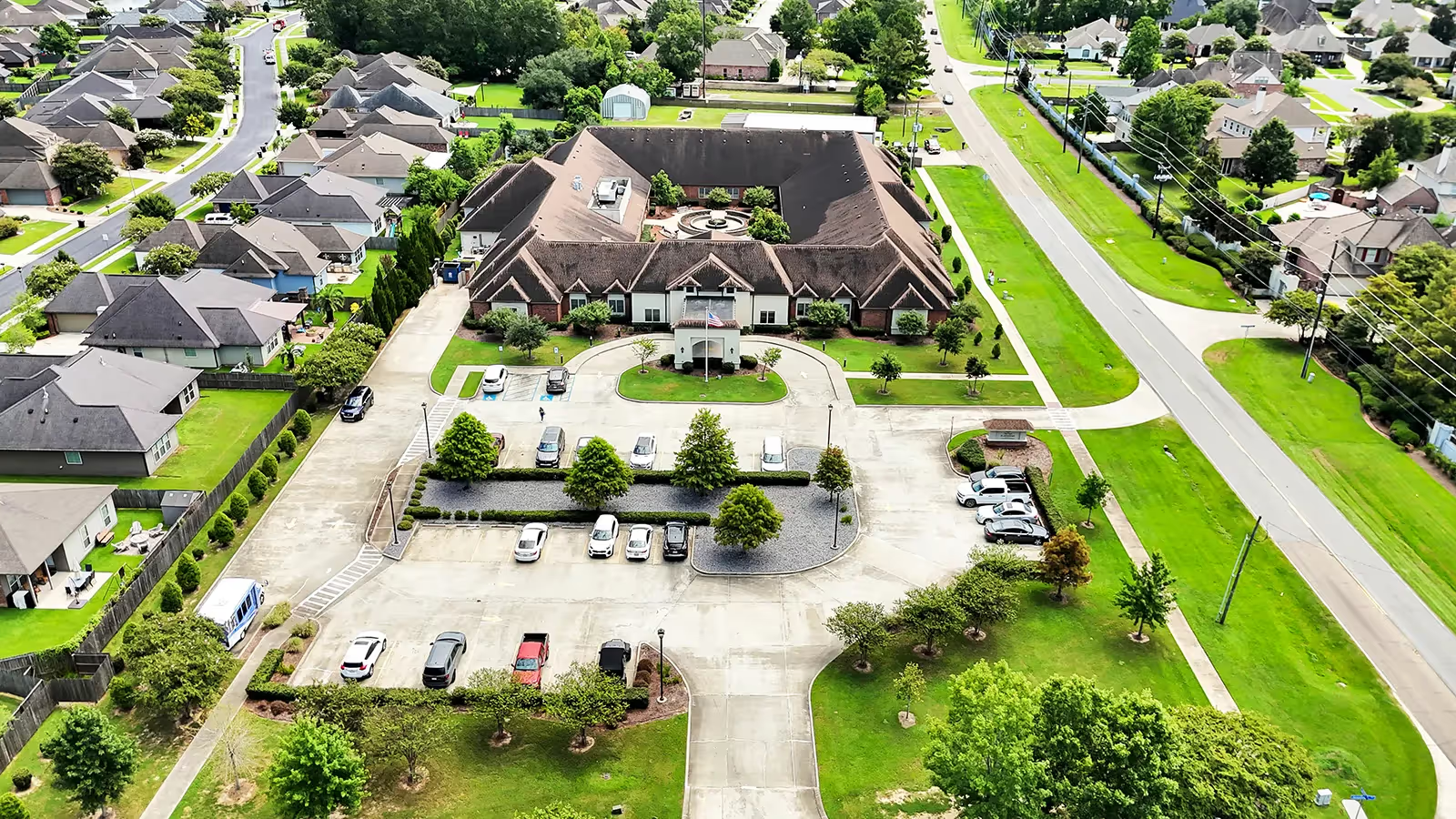
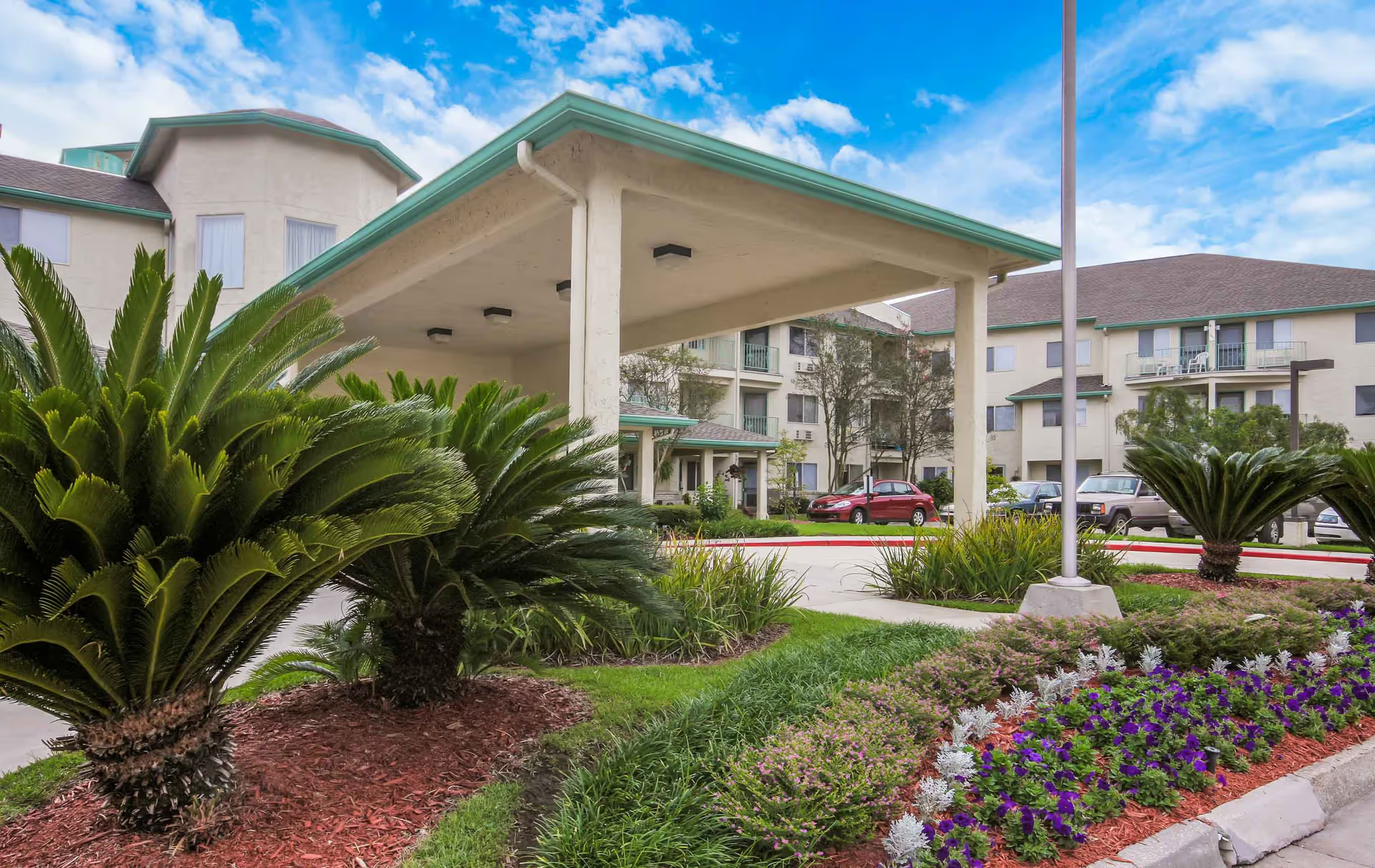
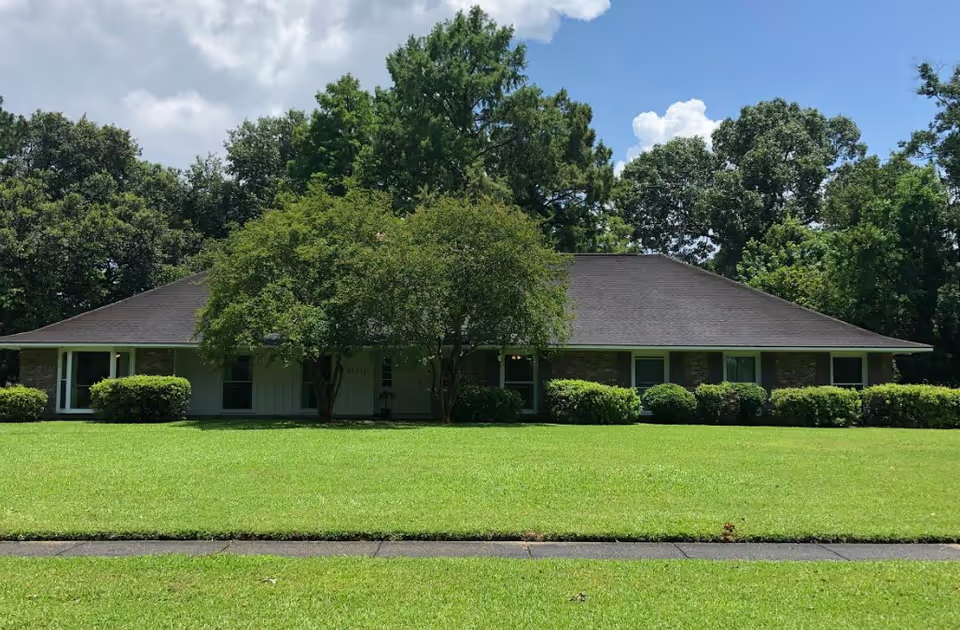
Reviews of Haven at Windermere 1 & 2 present a mixed picture. Strengths repeatedly cited include an overall clean and well-maintained environment, friendly and caring direct-care staff, spacious one-bedroom apartment layouts with kitchens, and convenient proximity to community resources such as the YMCA. Common-area amenities such as a library and an older movie room, plus a hotel-like atmosphere and well-kept grounds, contribute to a favorable first impression for many families and residents. Several comments also emphasize satisfactory dining experiences and value for cost.
Care and staffing impressions vary. Many families describe staff as attentive and compassionate and note good safety practices and professionalism from some employees. However, there are consistent operational concerns about staffing reliability and responsiveness: reviewers describe missed or delayed meal deliveries, gaps in routine monitoring, and variability in staff knowledge and availability. These reports suggest uneven staffing coverage or training gaps that can affect day-to-day care consistency.
Dining and programmatic supports are another area of divergence. While some residents praise the food and dining value, others report unreliable meal service and question the level of dietary oversight; mentions of a lack of a designated chef or dietician point to potential weaknesses in culinary leadership. Activity programming is described as limited by the facility’s physical layout and lack of dedicated multiuse rooms or an activity director, although access to off-site resources (the YMCA) and in-house offerings such as a library are positives.
The physical plant is characterized as older but clean and well maintained. Reviewers note privacy and layout limitations in some units (for example, unconventional door arrangements or glass-paned doors between living and sleeping areas), which may be important for prospective residents who prioritize private, home-like floor plans. There are also recurring concerns about infection-control and sanitation practices and about the clarity of ancillary charges (electricity/utility billing), both of which merit specific questions during a tour.
Management and culture observations are mixed. Some families find managers pleasant and helpful, while others describe poor communication, sporadic responsiveness to family concerns, and practices that have contributed to high resident turnover and staff morale issues. A number of reviewers perceive an emphasis on appearance and hospitality rather than consistent clinical or programmatic oversight. Given the variability in experiences, prospective residents and their families should confirm current staffing ratios, meal-service procedures, activity leadership, infection-control protocols, utility cost responsibilities, and unit-layout options during an in-person visit to determine whether the facility’s strengths align with their priorities.