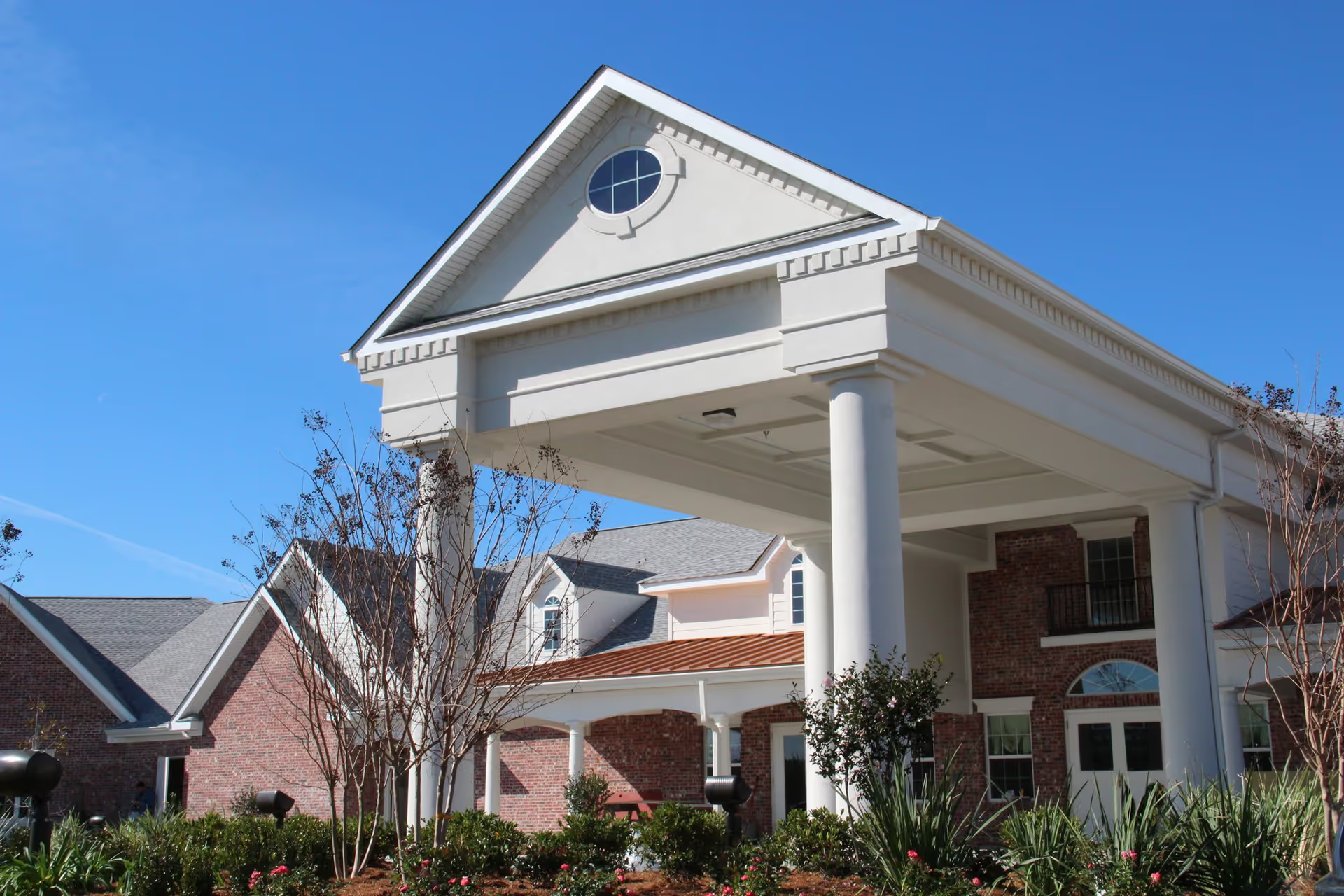
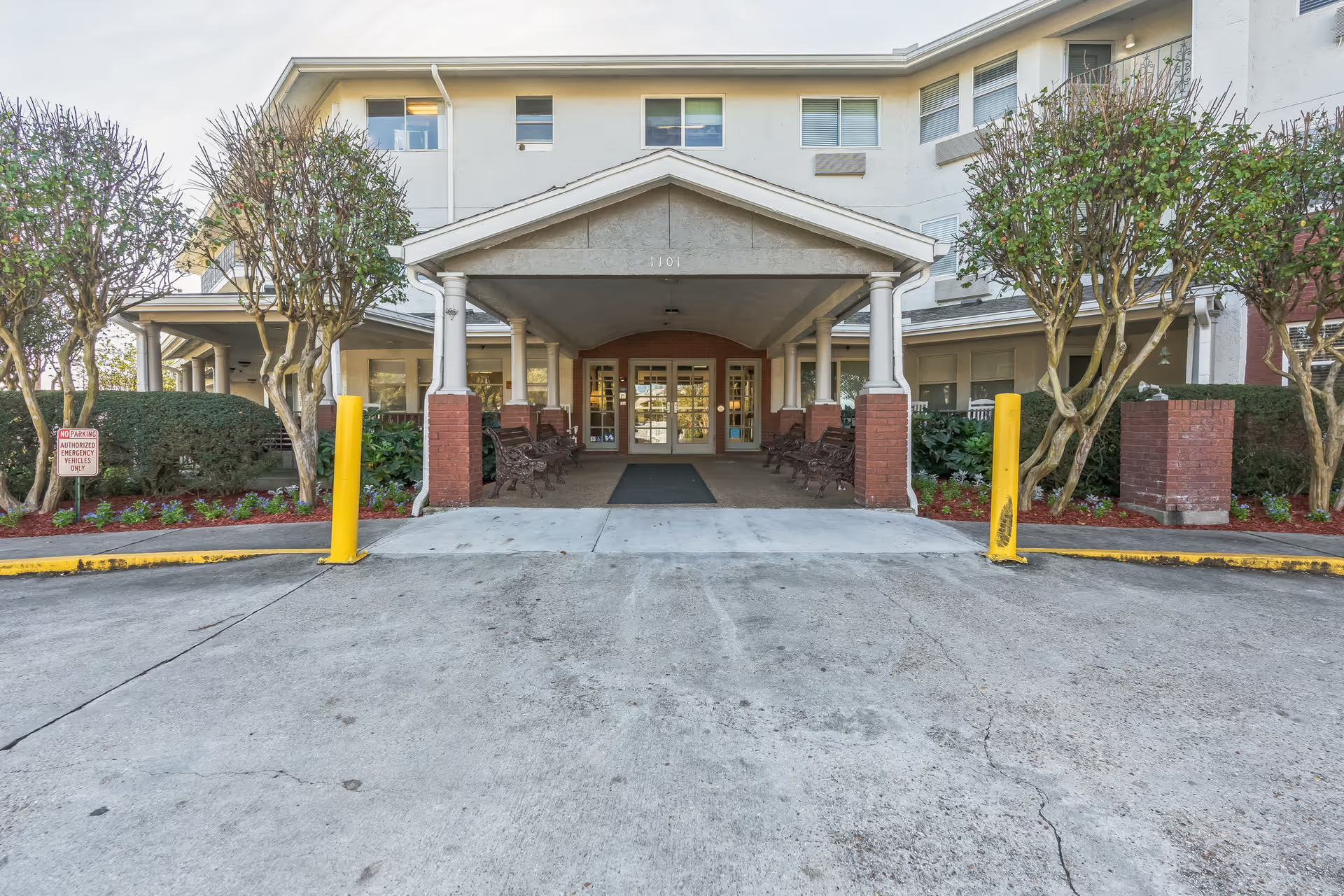
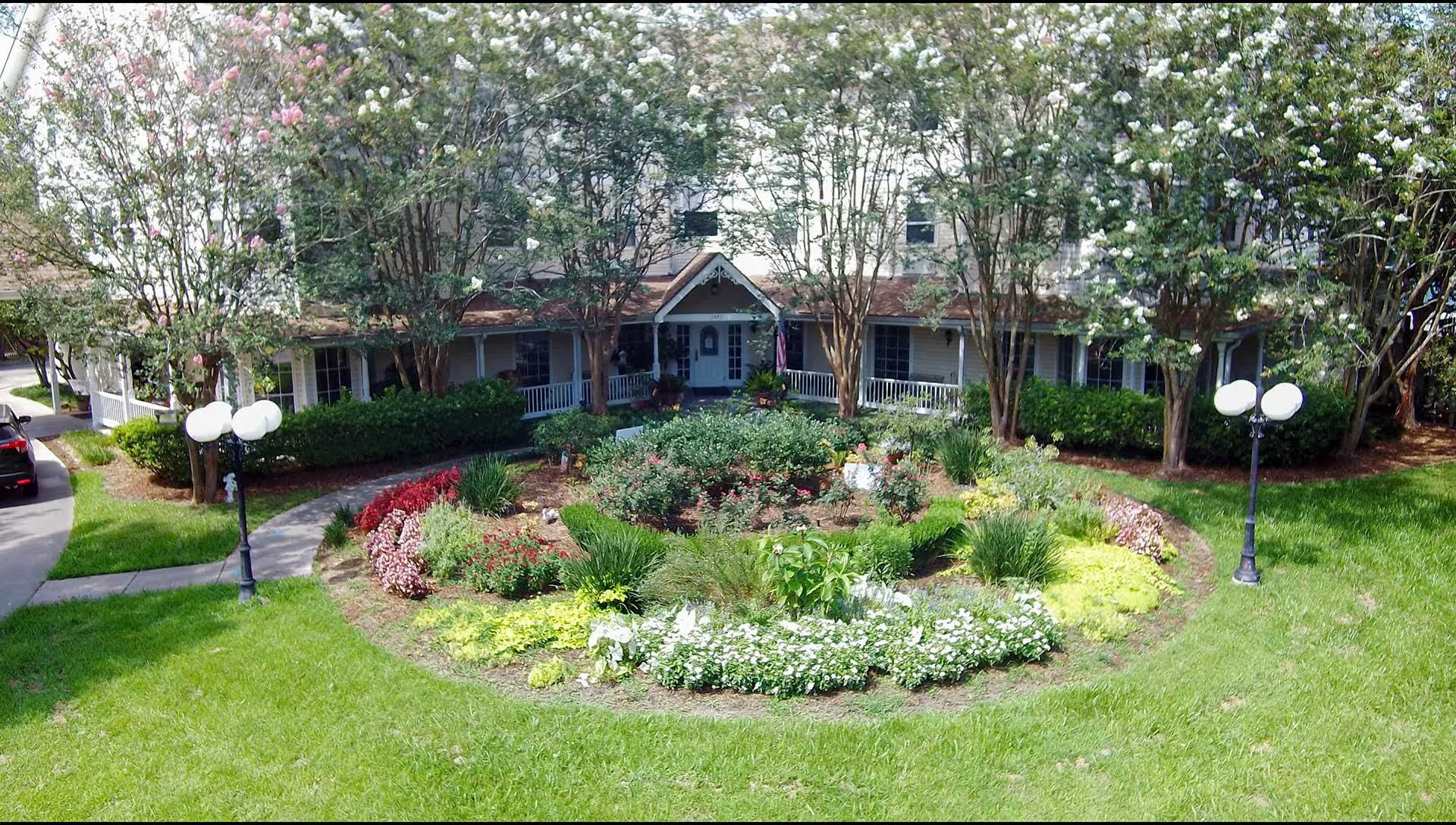
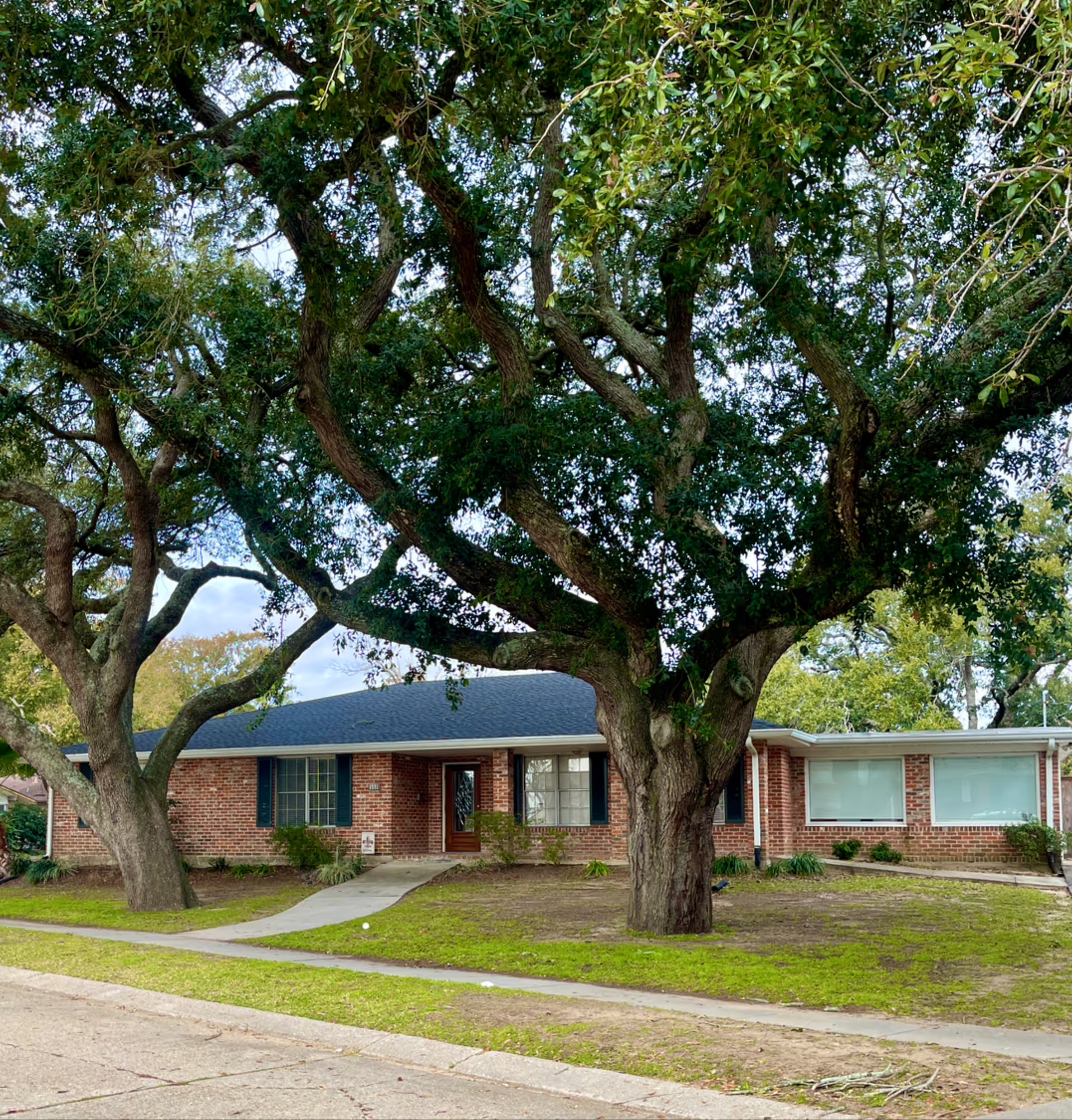
Overall impression: Reviewers portray Ormond Nursing & Care Center as a facility with many strengths alongside some notable operational inconsistencies. Positive feedback emphasizes a clean, well‑decorated environment, a warm, home‑like atmosphere, and a robust activities program that supports social connections. Rehabilitation and therapy services receive repeated praise for facilitating recovery. At the same time, several families described experiences that point to uneven performance in clinical oversight, admissions interactions, and front‑line responsiveness.
Care quality and clinical oversight: Many families credit the facility with attentive caregiving, successful rehab outcomes, and genuine improvements in residents' comfort and function. However, there are recurring concerns about variability in nursing skill and monitoring—examples include changes in weight or mental status that prompted transfers, and at least one instance where discharge planning and instructions were not clearly provided. These indicate potential gaps in clinical follow‑through and discharge communication that families should confirm during placement discussions.
Staff and conduct: Staff are frequently described as friendly, compassionate, and helpful; several reviewers explicitly characterized the team as courteous and supportive. Counterbalancing those accounts are reports of inconsistent professionalism, including instances of perceived rudeness, apathetic behavior, and privacy‑related protocol lapses. Staffing appears to fluctuate by shift, with some reviews noting reduced coverage or limited supervisory presence in late afternoons—conditions that can affect response times and overall resident supervision.
Dining and therapy: Dining experiences are generally acceptable, and therapy/rehab services are a clear strength for many residents, with multiple accounts of quick recoveries and positive outcomes. There are occasional notes of meal‑service interruptions or shortages, so prospective families may wish to ask about nutrition contingency plans and dietary management during their tour.
Activities and social environment: The facility offers a wide range of activities—bingo, card games, church services, movie nights, puzzles, and outdoor time—that support social engagement and friendships. Reviewers consistently highlight the central role of activities and communal spaces in improving residents' quality of life and emotional well‑being.
Facilities and infection control: The interior is repeatedly described as clean, well‑maintained, and pleasantly decorated, with measures such as temperature checks, masks, and sanitizer in place at entry. Locked units and secure check‑in practices for higher‑acuity residents are viewed as safety features, although some room configurations and access protocols have been described as limiting privacy or accessibility in individual rooms.
Management and communication patterns: Communication with families receives mixed evaluations. Many families report clear, supportive communication from nurses and therapists; others recount gaps in informed‑consent practices, unexpected communication methods, or uneven responsiveness from admissions staff. A serious concern raised involves equity and fairness during admissions interactions—families should confirm admission policies and ask specific questions about non‑discrimination practices. Supervision and leadership presence also appear variable, affecting staff conduct and the handling of incidents.
What to consider when deciding: Ormond Nursing & Care Center offers strong rehabilitation services, an active social program, and a generally clean, welcoming environment that works well for many residents. Prospective residents and families should tour the dementia/locked units, review staffing patterns by shift, clarify discharge and family‑inclusion processes, ask about sanitation and incontinence protocols for specific rooms, and discuss the facility's admissions and non‑discrimination policies. Doing so will help determine whether the facility's strengths align with the prospective resident's clinical needs and expectations for oversight and communication.