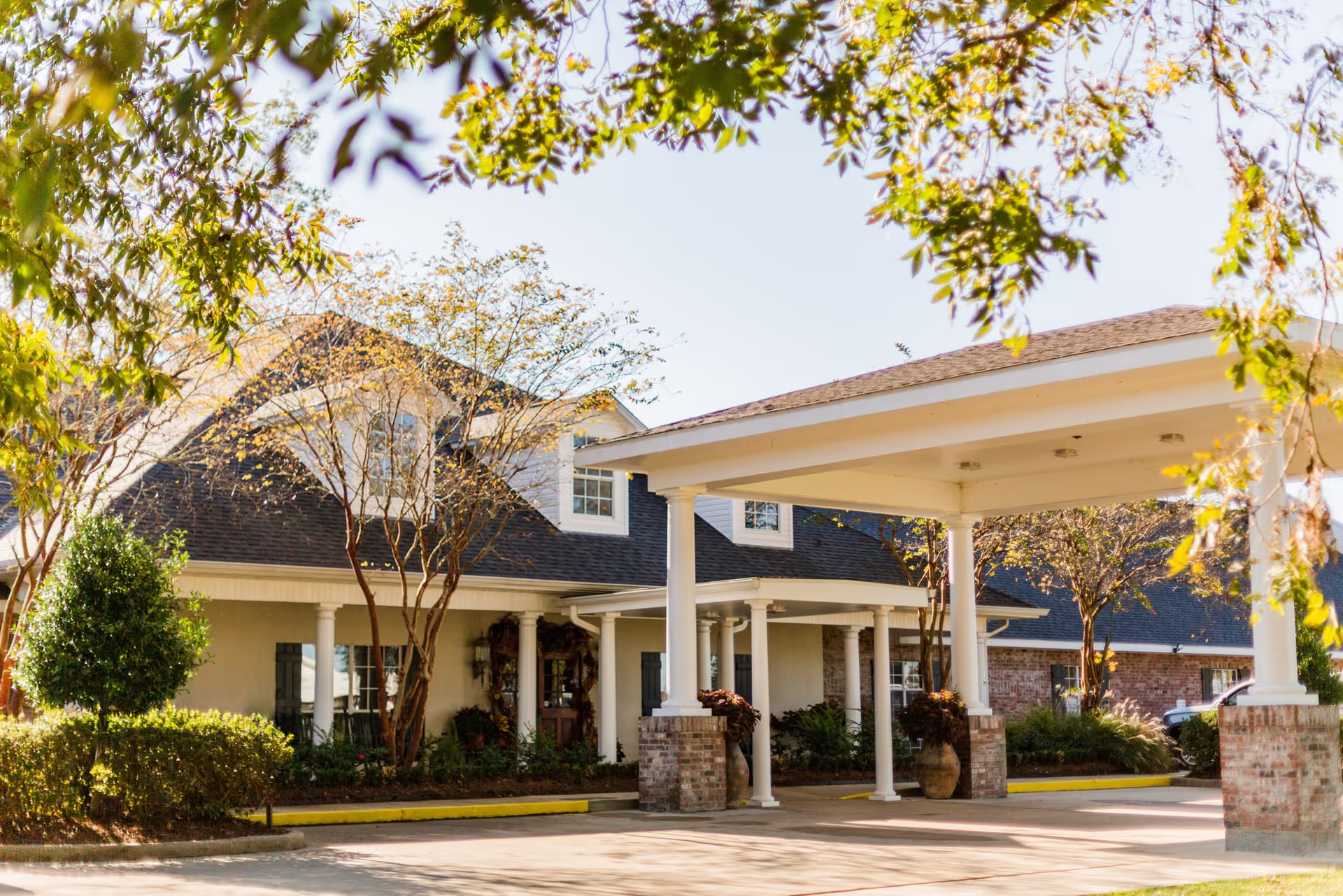
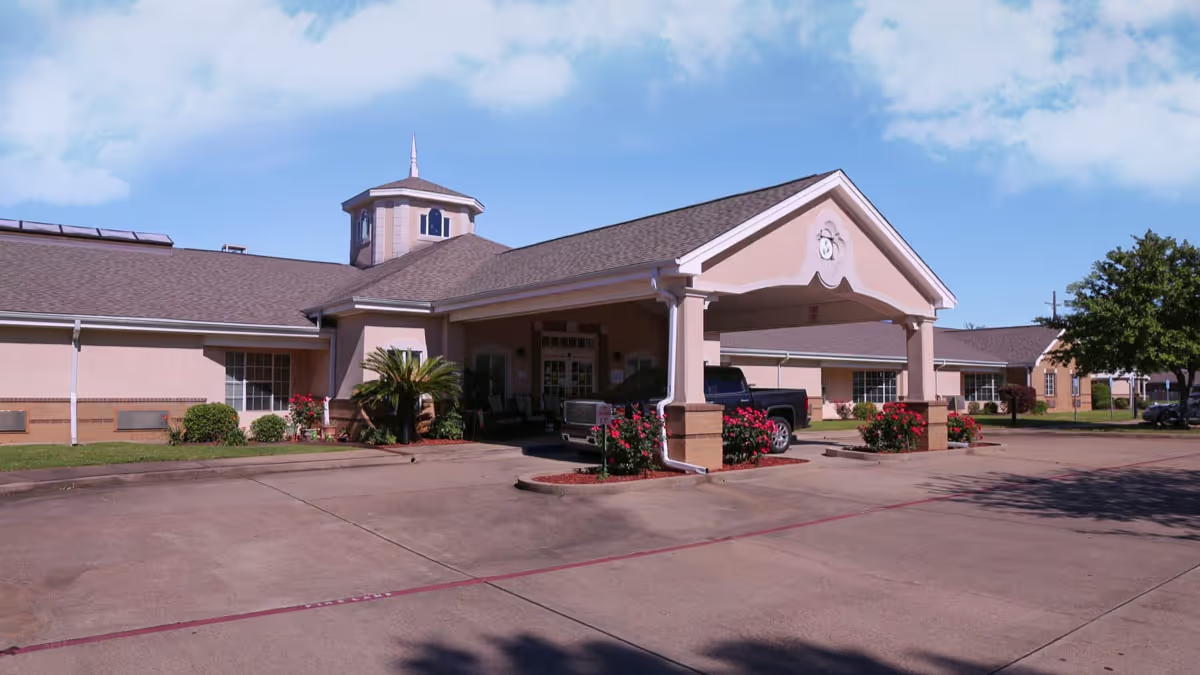
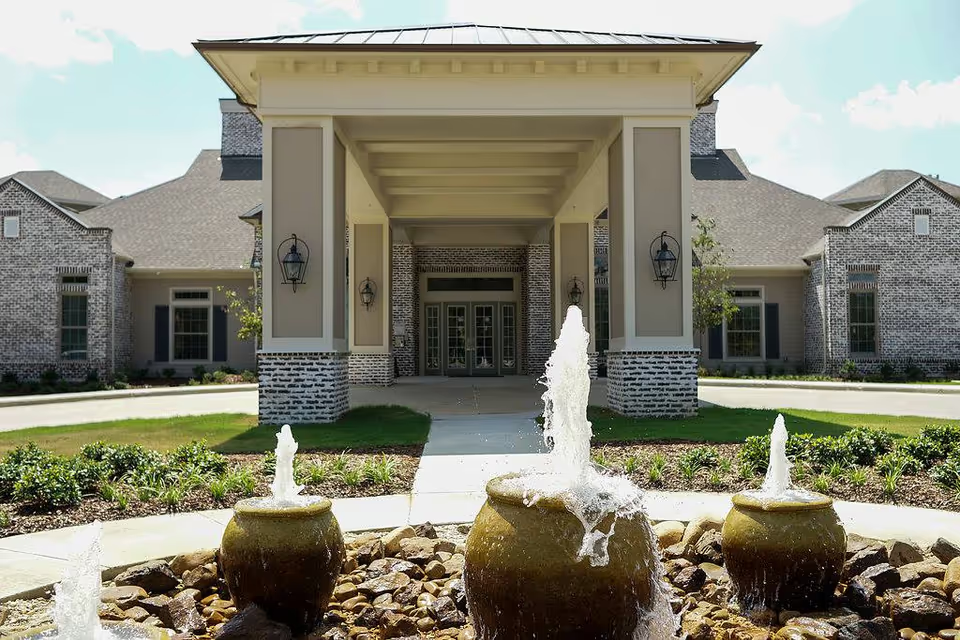
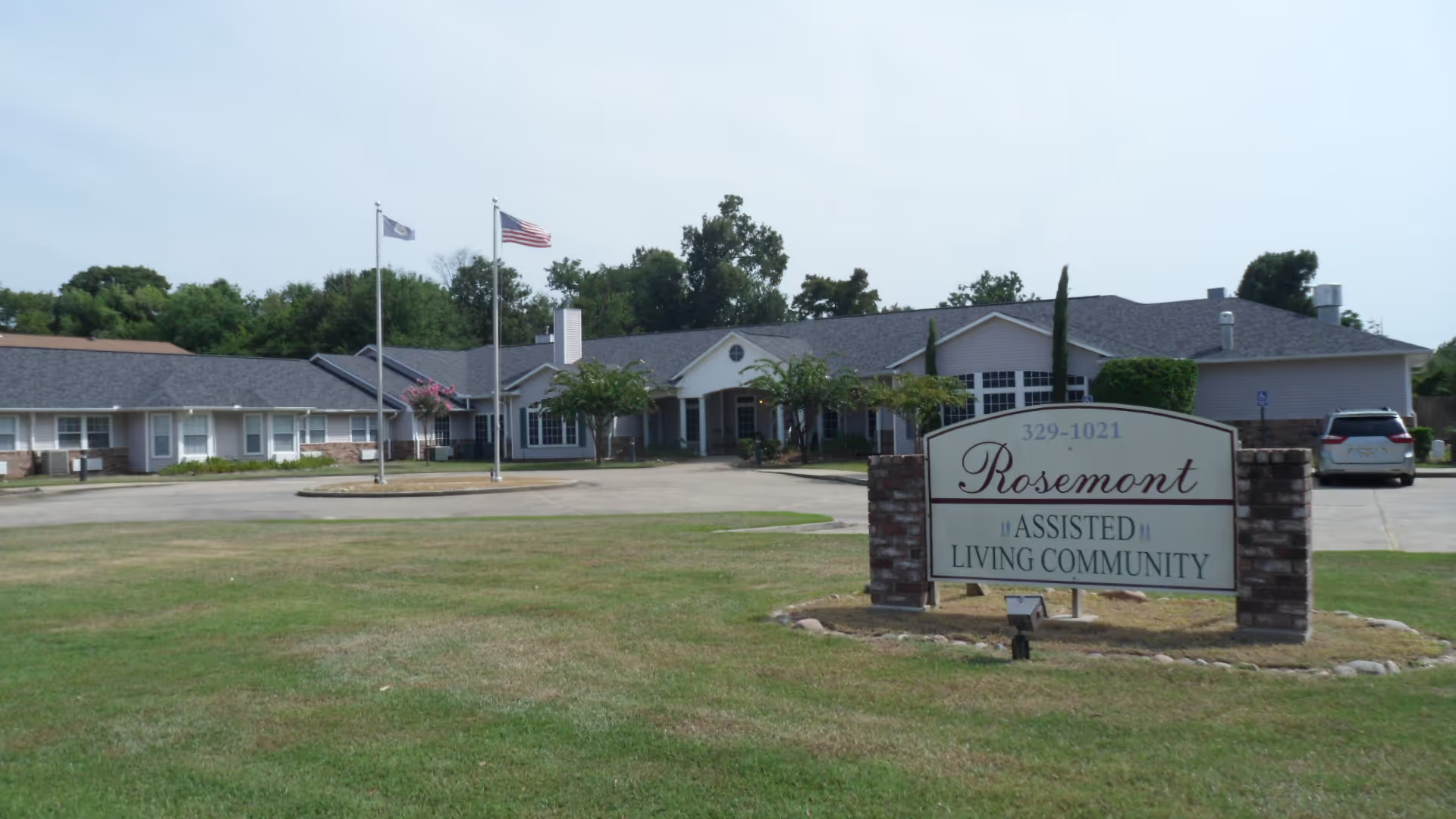
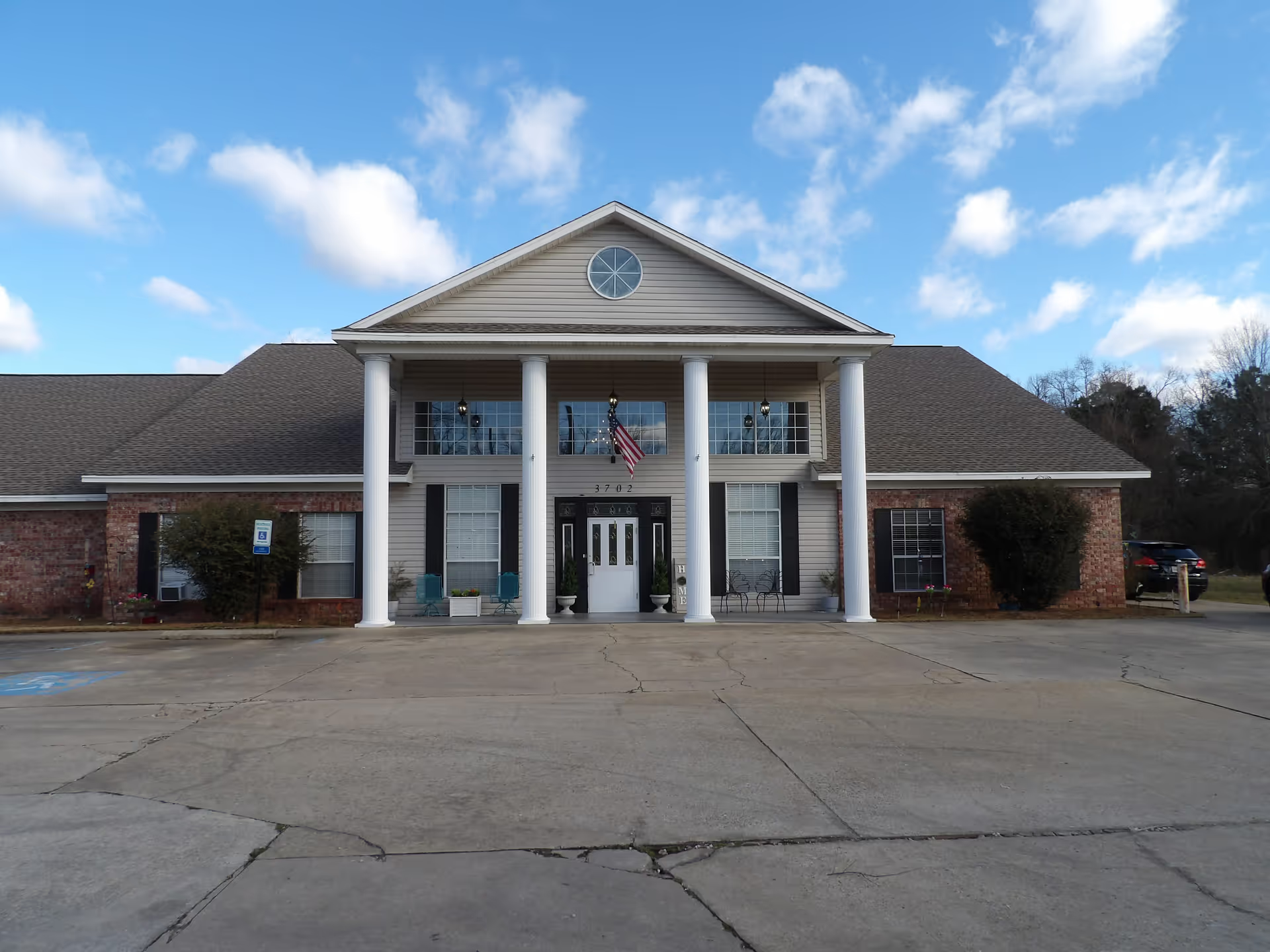
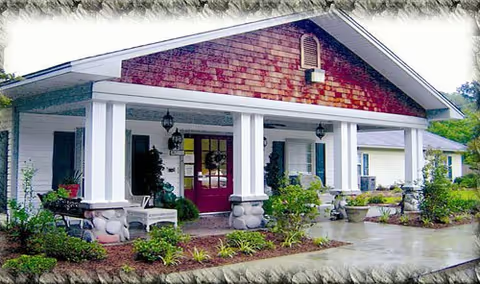
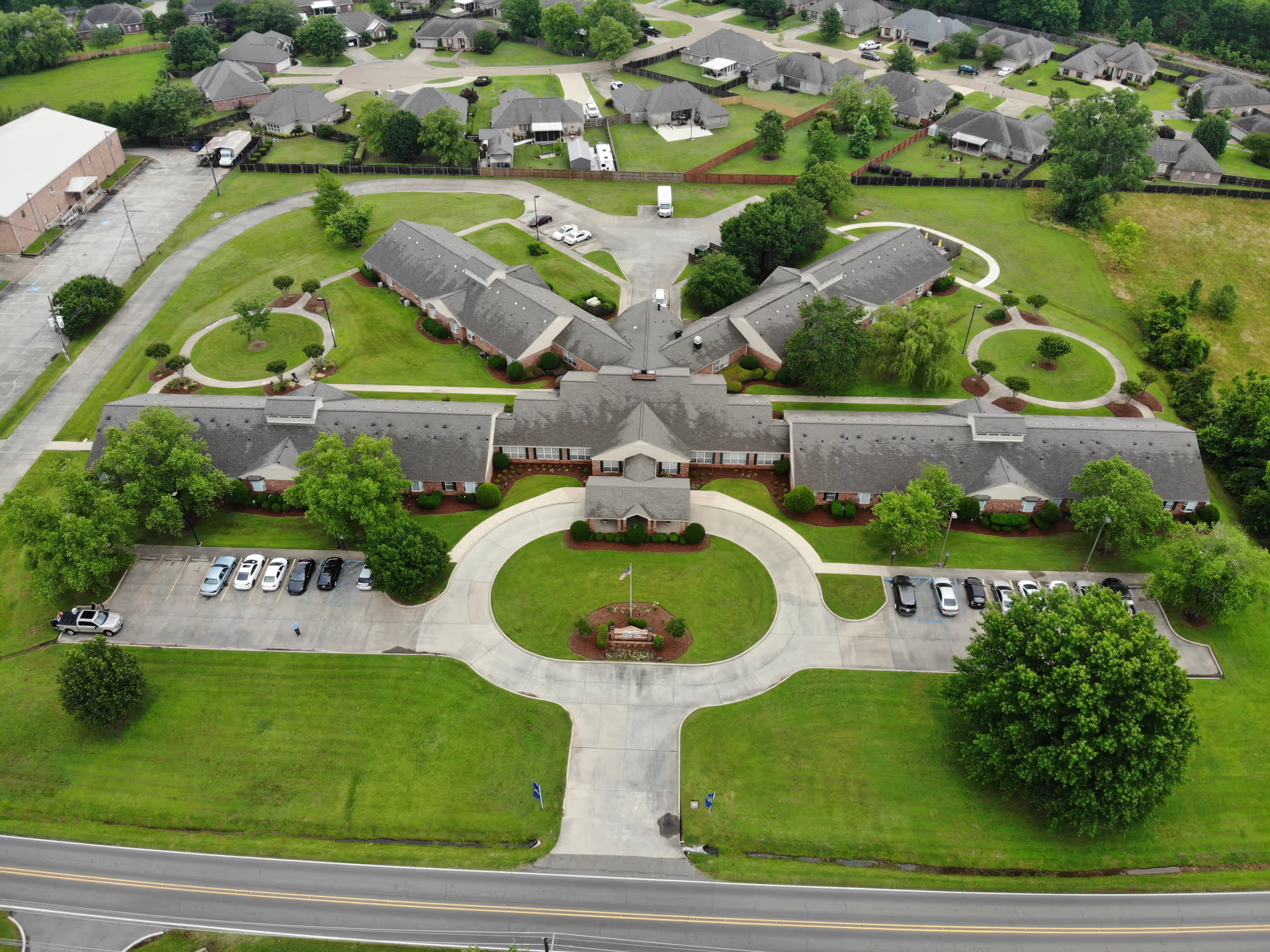
Camelot Leisure Living elicits mixed feedback that highlights clear strengths alongside operational concerns. Positive comments emphasize a generally clean, well-maintained environment and caregiving staff who are described as committed, compassionate, and attentive. Several families specifically praised supportive end-of-life care and individualized attention; others described the community as a calm place where residents are able to rest. Activity programming is another consistent strength, with organized on-site events (for example, bingo) and off-site outings or travel opportunities noted as meaningful opportunities for social engagement.
Care quality and staffing present a dual picture. On one hand, reviewers singled out individual caregivers and staff teams for good bedside manner and dedication; on the other hand, there are recurring concerns about inconsistent responsiveness and variability in how care is delivered. These concerns manifest as uncertainty about how reliably needs are met and whether clinical-safety practices are consistently followed. Of particular note are observations that point to gaps in fall-prevention and other safety measures — an operational weakness that families identified as directly affecting resident well-being.
Dining and housekeeping impressions are also mixed. Some reviewers described the dining and overall housekeeping positively, while others characterized the food as low quality and the facility appearance as bleak in places. Taken together these comments suggest inconsistent meal quality and dining experience, and sanitation or upkeep inconsistencies in specific areas rather than a uniform standard across the campus.
The activity program is a clear positive. Regular social events, bi-monthly visits, and organized outings were cited as contributing to resident morale and social engagement. For prospective residents who prioritize programming and social opportunities, this is a notable strength of the community.
Management and communication are areas where improvement is advisable. Families reported difficulty obtaining regular, clear updates and expressed anxiety about care continuity during shifts or transfers. Strengthening formal family-communication protocols, clarifying safety procedures, and standardizing care practices would address many of the concerns raised. Overall, the pattern is one of a facility with evident compassionate staff and useful social programming, but with operational inconsistencies in safety, communication, dining, and environmental upkeep that prospective residents and their families should evaluate during a tour.