Ascension Oaks generates sharply divided impressions in the reviews provided. Many families and residents praise the social programming, rehabilitation services, and certain members of the care team; other accounts describe operational and clinical shortcomings that have led to significant family concern. This summary synthesizes those patterns to help prospective residents and families weigh strengths against risks.
Care quality: Reviews indicate a wide range of clinical experience. Positive comments emphasize effective rehabilitation, attentive nursing or therapy staff, and residents who have made friends and stay engaged. Conversely, several reviews describe lapses in timely clinical response, missed or delayed incident reporting, and care events that resulted in emergency transfers or infections. These accounts point to variability in clinical oversight and follow-up rather than a uniformly consistent standard of clinical care.
Staffing and training: Staff behavior and competence are described inconsistently. Some reviewers commend friendly, detail-oriented staff and specific administrators or social workers. Others highlight issues such as staff spending time on phones, smoking while on property, a lack of supervision, and deficits in memory-care training. The pattern suggests uneven staff performance and training, with periods of adequate support interspersed with times when staffing levels or skill mix may be insufficient to meet resident needs.
Dining and daily care: Activity programming, including bingo and shopping outings, is a clear positive for many residents. Meal quality and assistance are more variable: some reviewers describe acceptable service, while others note unappealing food and gaps in meal assistance or delivery. There are also concerns about personal-care routines such as bathing and transfers, which some reviewers felt were handled improperly or inconsistently.
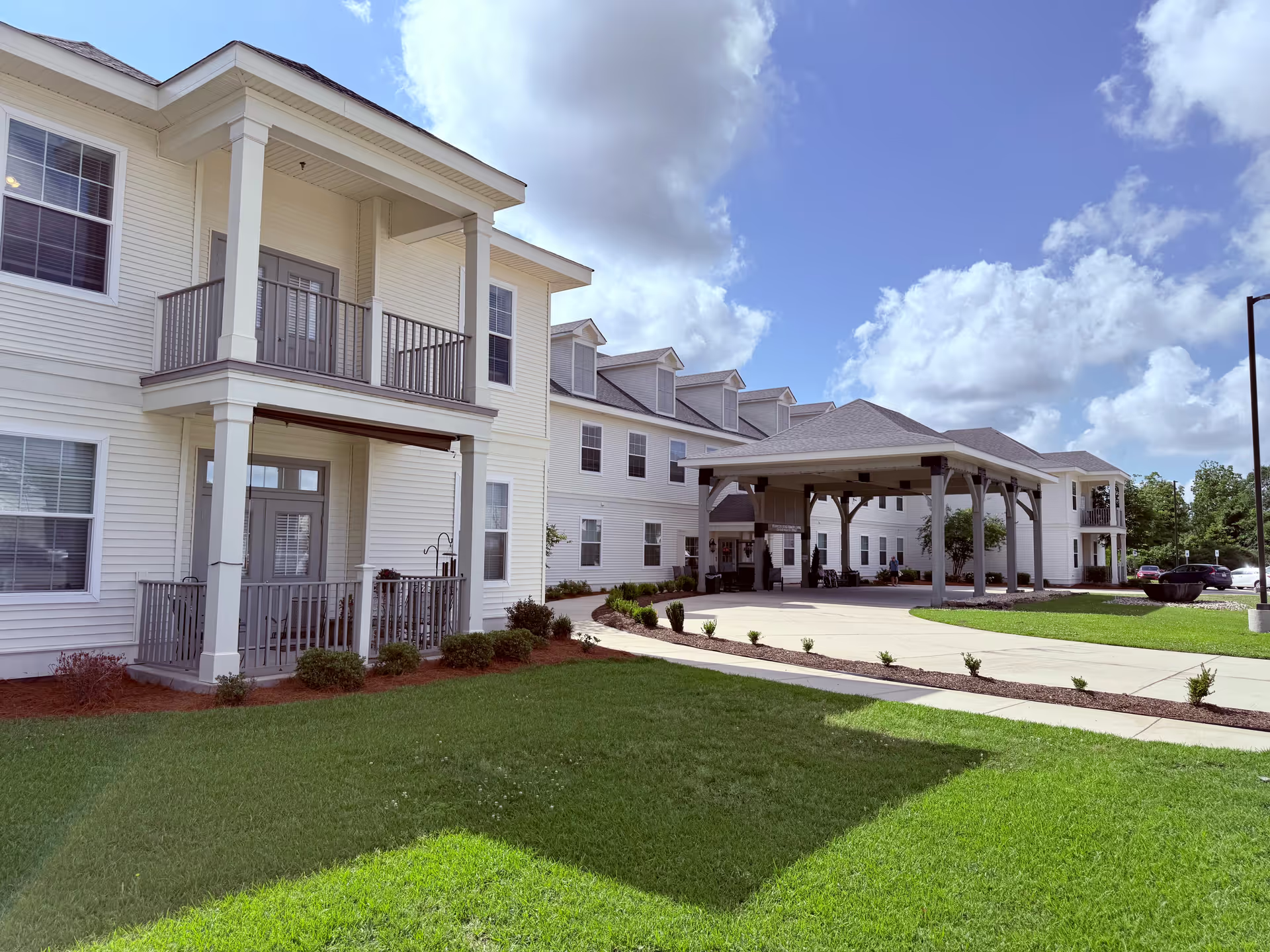
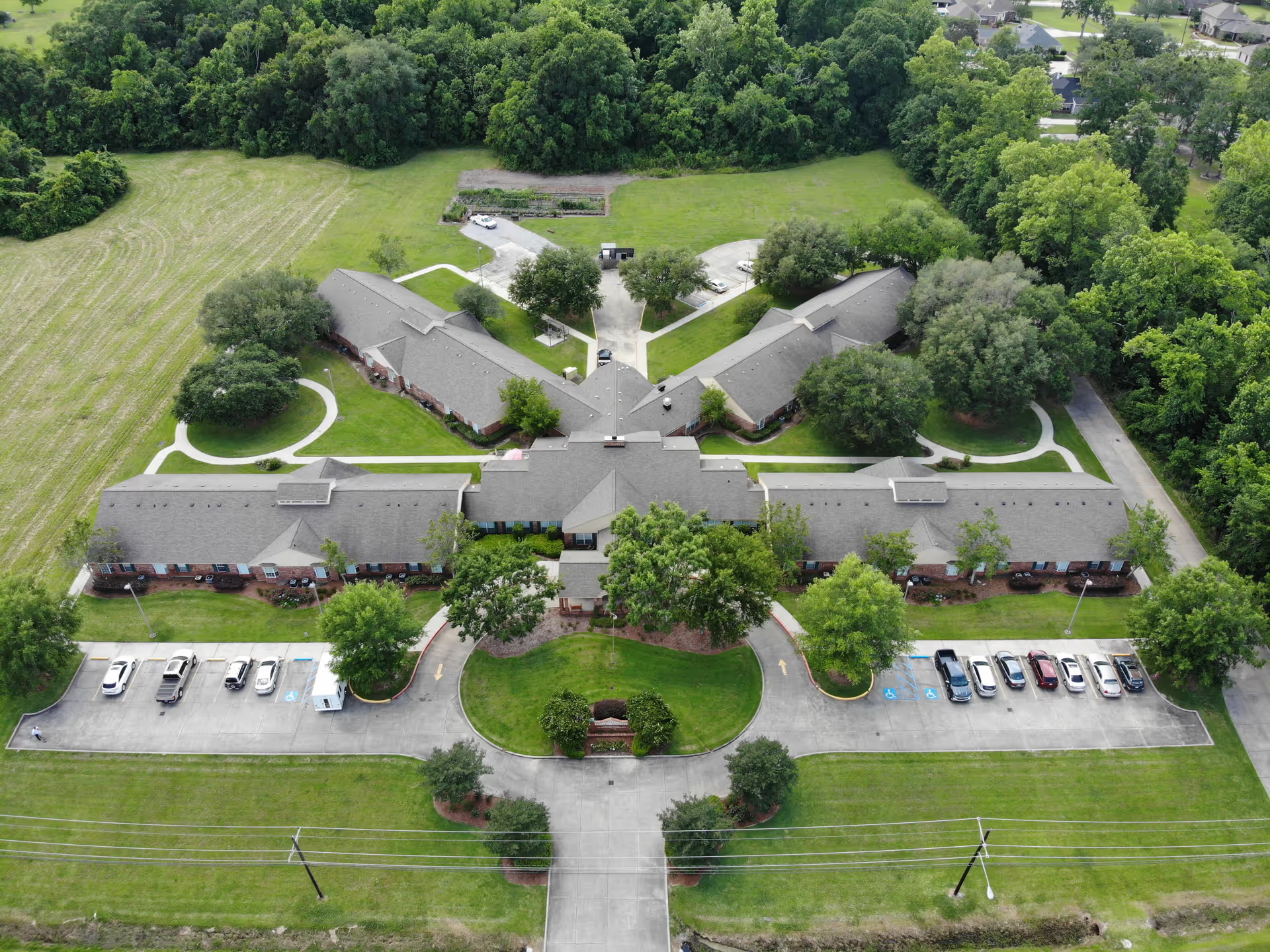
Facilities and maintenance: Multiple reviewers praised clean rooms and attractive common areas, indicating that parts of the facility are well maintained. At the same time, there are reports of broken equipment and sanitation inconsistencies in resident areas. These mixed assessments suggest that cleanliness and equipment upkeep may vary by unit or shift.
Management and communication: Experiences with management and admissions are mixed. Several reviewers describe professional, helpful admissions and customer-service interactions and name administrators positively. Others allege inconsistent admissions practices, including claims of dishonest behavior and discriminatory treatment, and report that management did not always address concerns to their satisfaction. There are recurring themes of insufficient communication with families and delayed managerial responses to incidents.
Notable patterns and considerations: The reviews reflect a bifurcated experience—some families report that residents are happy, active, and well cared for, while others describe operational gaps with potential clinical consequence. Key operational weaknesses to probe further during a tour include staffing levels and schedules, memory-care staff training, incident-reporting and follow-up protocols, meal-assistance procedures, property handling policies, and equipment maintenance. Given the mixed feedback, prospective families should consider in-person visits, ask for recent inspection or quality metrics, speak directly with the unit manager about staffing and training, and verify how the facility documents and communicates clinical incidents.