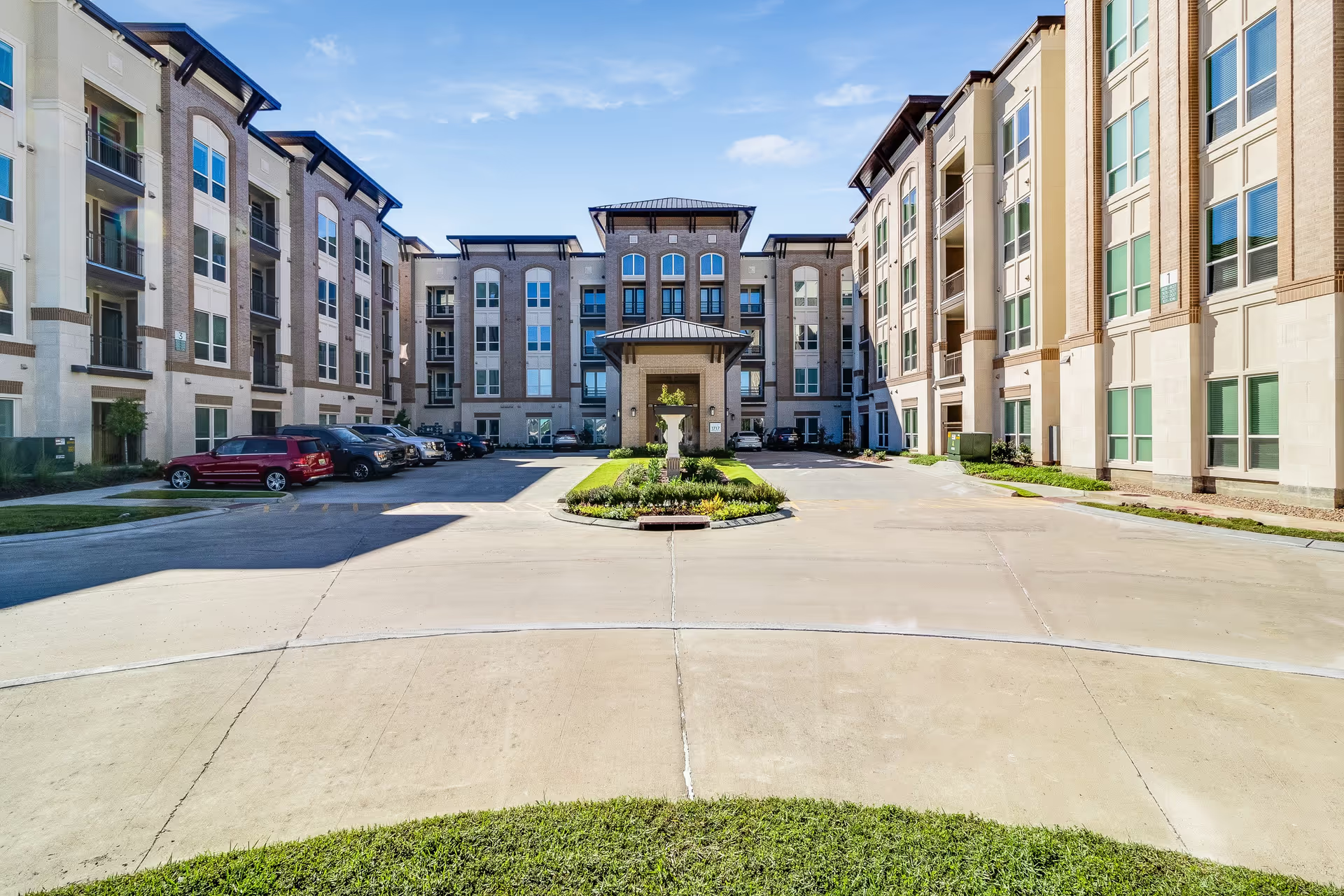
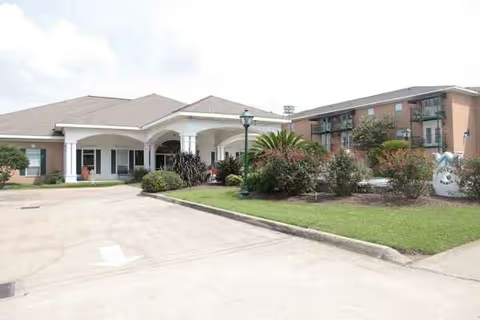
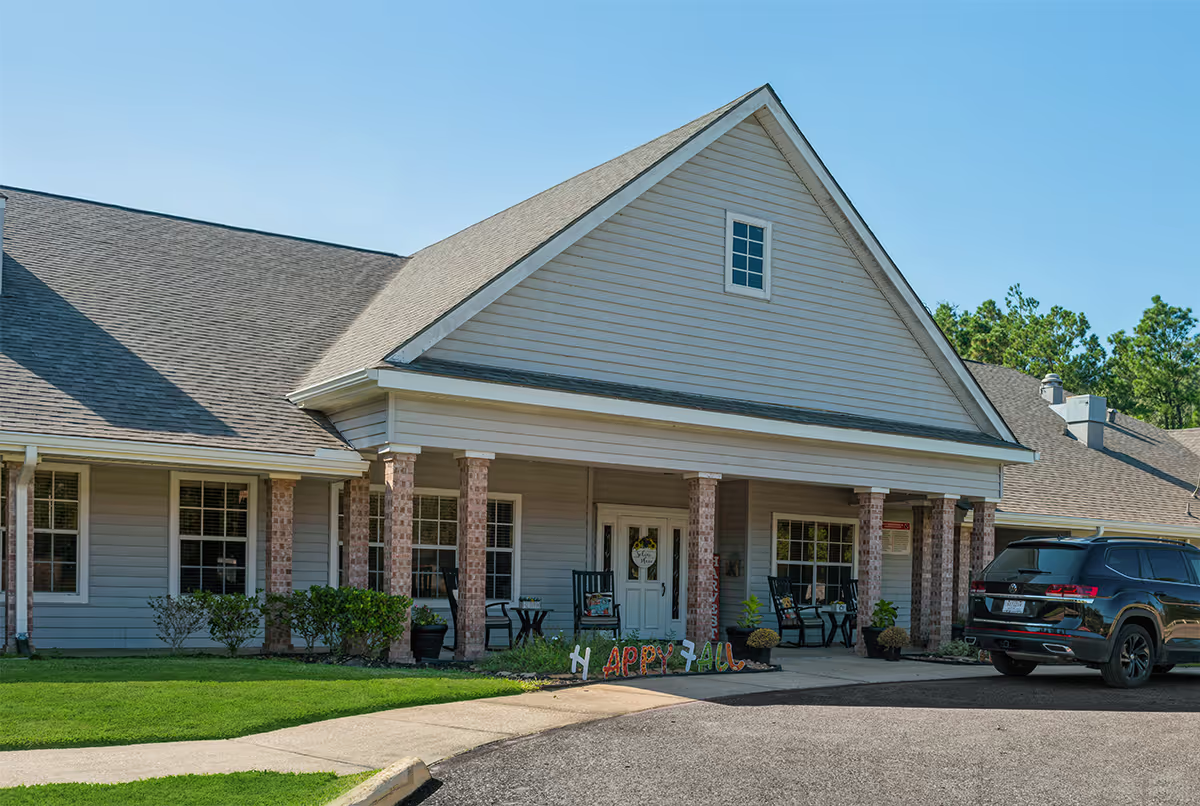
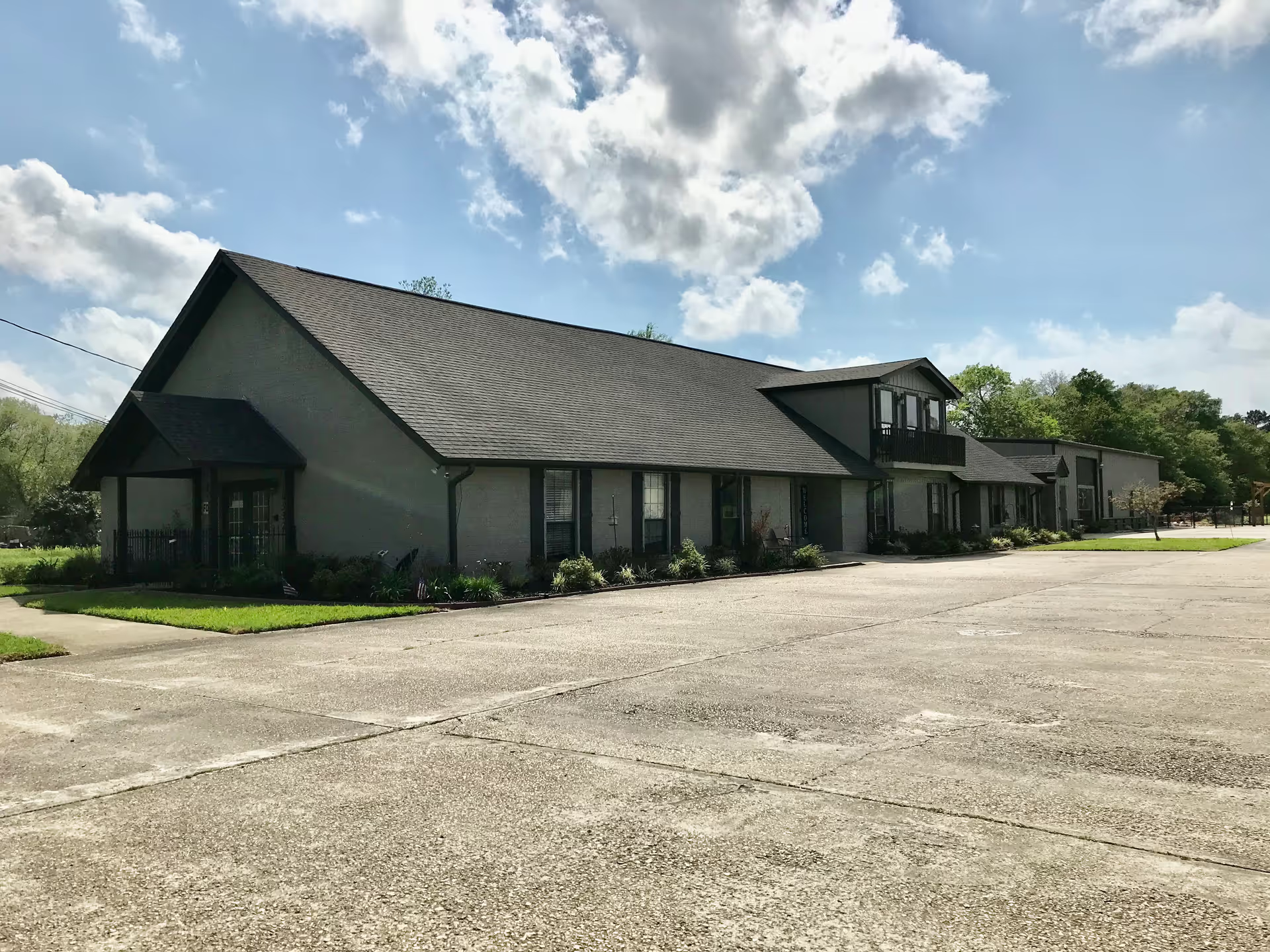
Overall impression Sage Oak of Lake Charles is presented consistently as a boutique, small-house assisted living and memory-care provider with a strong emphasis on personalized, home-like care. Reviewers highlight a deliberate model: small residential houses (roughly a dozen to 16 residents), visible residential kitchens with private chefs, and a staff structure designed to support close caregiver–resident relationships. The facility is new and well maintained, with attention to landscaping, natural light, and intentional layout to promote familiarity and comfort for residents.
Care and staff Care quality and staff performance are the most frequently emphasized strengths. Families and residents describe caregivers, nurses, activity staff, and administrators as compassionate, attentive, and advocacy-oriented. Low caregiver-to-resident ratios and house-level one-to-one care plans are cited as contributing to individualized attention, faster communication with families, and a sense of safety and dignity. Several reviewers specifically named clinical leaders (including the director of nursing and administrators) as accessible and responsive. At the same time, there are operational notes about occasional staffing constraints: RNs can become overextended during busy periods, and there are instances where an external caregiver was retained to meet some personal-care needs. These indicate periodic capacity pressures rather than a pervasive inability to provide care.
Dining and activities Dining is a consistently highlighted differentiator. Each house having a private chef, meals prepared in a residential kitchen, visible meal preparation, and the ability to accommodate dietary preferences are described positively. Reviewers report that food quality is high, that meals support resident preferences, and that dining design encourages social interaction. Activities programming and the activity director receive frequent praise for creating meaningful engagement, social opportunities, and special events (holidays, outings, etc.). The open floor plans and short distances between rooms, dining, and common areas are said to facilitate resident participation.
Facilities and design The physical environment is repeatedly described as modern, clean, and intentionally domestic rather than institutional. Landscaping, layout, and interior finishes are noted as thoughtful and inviting. Reviewers appreciate abundant natural light, visible nursing presence, and home-like common spaces. However, the house model also produces trade-offs: resident rooms are reported to be small with limited in-room amenities and little space for appliances, and some common areas and the courtyard are described as compact. Those spatial constraints can feel claustrophobic to some prospective residents or families seeking larger private suites and expansive communal spaces.
Management, pricing, and business model Management and ownership receive positive mention for accessibility, communication, and advocacy. The facility operates a straightforward, all-inclusive pricing model that reviewers describe as transparent and without frequent ancillary charges. The owner-operated, locally managed nature is framed as contributing to a family-like culture. Reviewers also note active growth plans and the opening of additional houses; while expansion aligns with high demand, it introduces potential scaling challenges that could affect staffing and consistency if not managed carefully.
Notable patterns and considerations for prospective families Strengths center on person-centered, small-house care, strong dining offerings, and staff engagement; these combine to create high satisfaction for many residents and families, particularly for those prioritizing socialization and a home-like environment. Areas to consider further during tours and conversations include room size and in-room amenities, the physical scale of communal outdoor and indoor spaces, and how the provider manages staffing and clinical coverage as the community grows. Clarify care-level definitions, memory-care placement criteria, and contingency staffing plans (RN coverage and backup caregiver arrangements) so expectations about clinical scope and consistency are aligned before placement.
In summary, Sage Oak of Lake Charles is characterized by a boutique, resident-focused approach with notable strengths in staffing culture, dining, and design. It is well suited to families seeking a small, home-like setting with personalized meals and active programming. Prospective residents should weigh those strengths against spatial limitations and inquire specifically about staffing and service scope as the community expands.