Overall impression: Reviews indicate an overwhelmingly positive day‑to‑day experience centered on a consistently compassionate staff and a small, home‑like community environment. Families and residents frequently describe staff as attentive, patient, and willing to accommodate personal requests; nursing and caregiving staff are credited with good clinical coordination, regular health updates to families, and responsive support during declining health and end‑of‑life care.
Care and staff: The facility is characterized by personalized attention, with low apparent turnover and staff who are described as warm and familiar with residents by name. Nursing leadership and on-site clinical support are frequently singled out for effective communication and proactive health-management. At the same time, a few reviews indicate periodic staffing shortages or high nurse‑to‑resident ratios that can affect responsiveness; this appears episodic rather than constant but is an operational risk to monitor.
Dining and housekeeping: Dining receives mixed‑to‑positive feedback. Evening meals and presentation are commonly praised, and kitchen staff are noted for accommodating special requests and dietary needs. Some commentary identifies variability in meal quality, limited menu choices at times, and occasional meals deemed unsuitable — suggesting inconsistency across service shifts or days. Housekeeping and laundry services are regularly noted as thorough, with assigned laundry days and routine room upkeep contributing to the facility’s clean and bright appearance.
Activities and social life: The activity program and director receive strong, repeated praise for organizing outings, games, arts and crafts, and social events that promote mobility and engagement. Reviewers credit socialization with measurable improvements in resident mood and function. A recurring theme is that activity frequency and dementia‑appropriate programming could be expanded; family members who have residents with higher cognitive needs request more consistent, daily programming tailored to memory‑care residents.
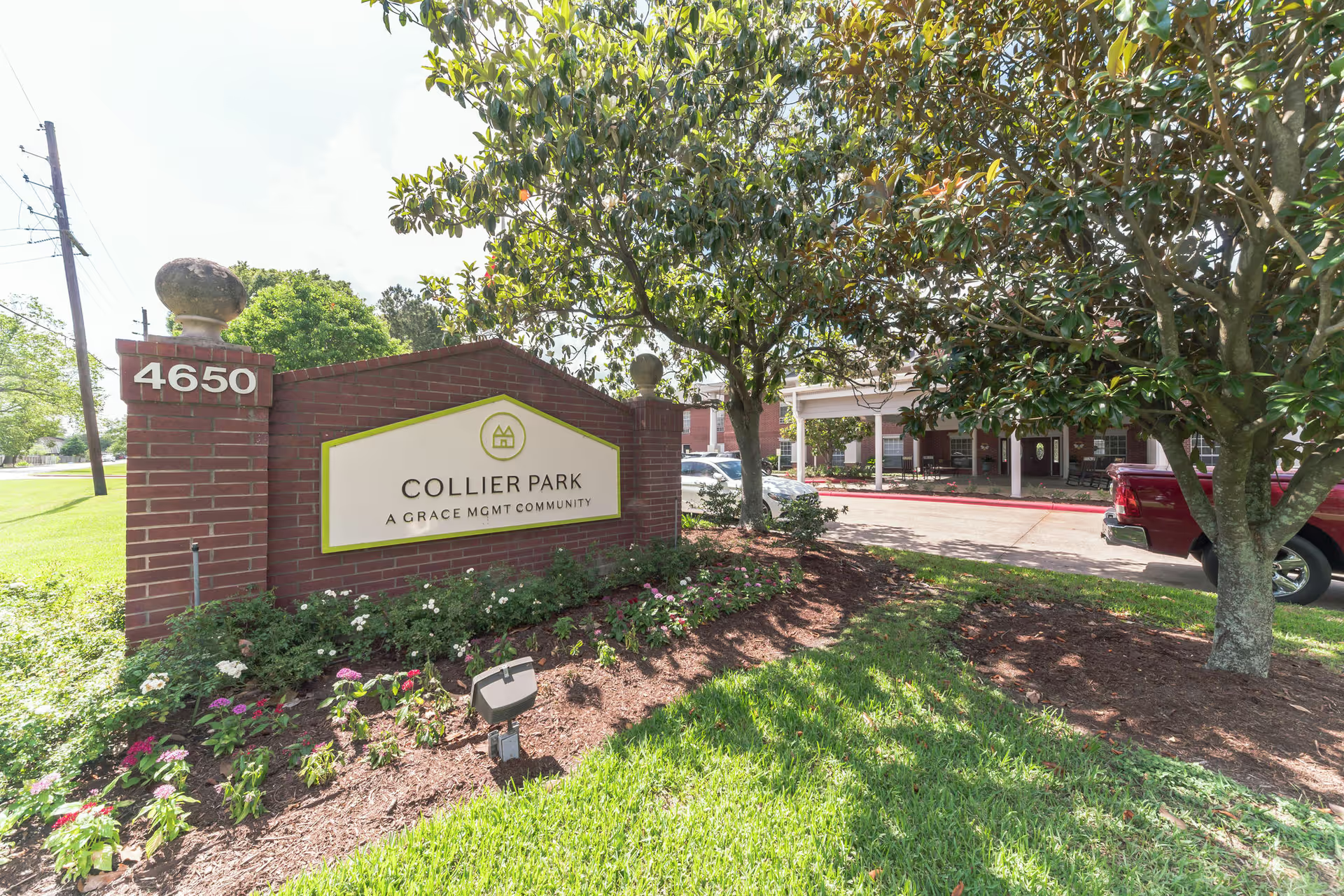
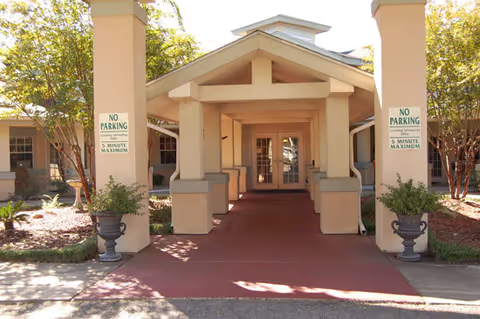
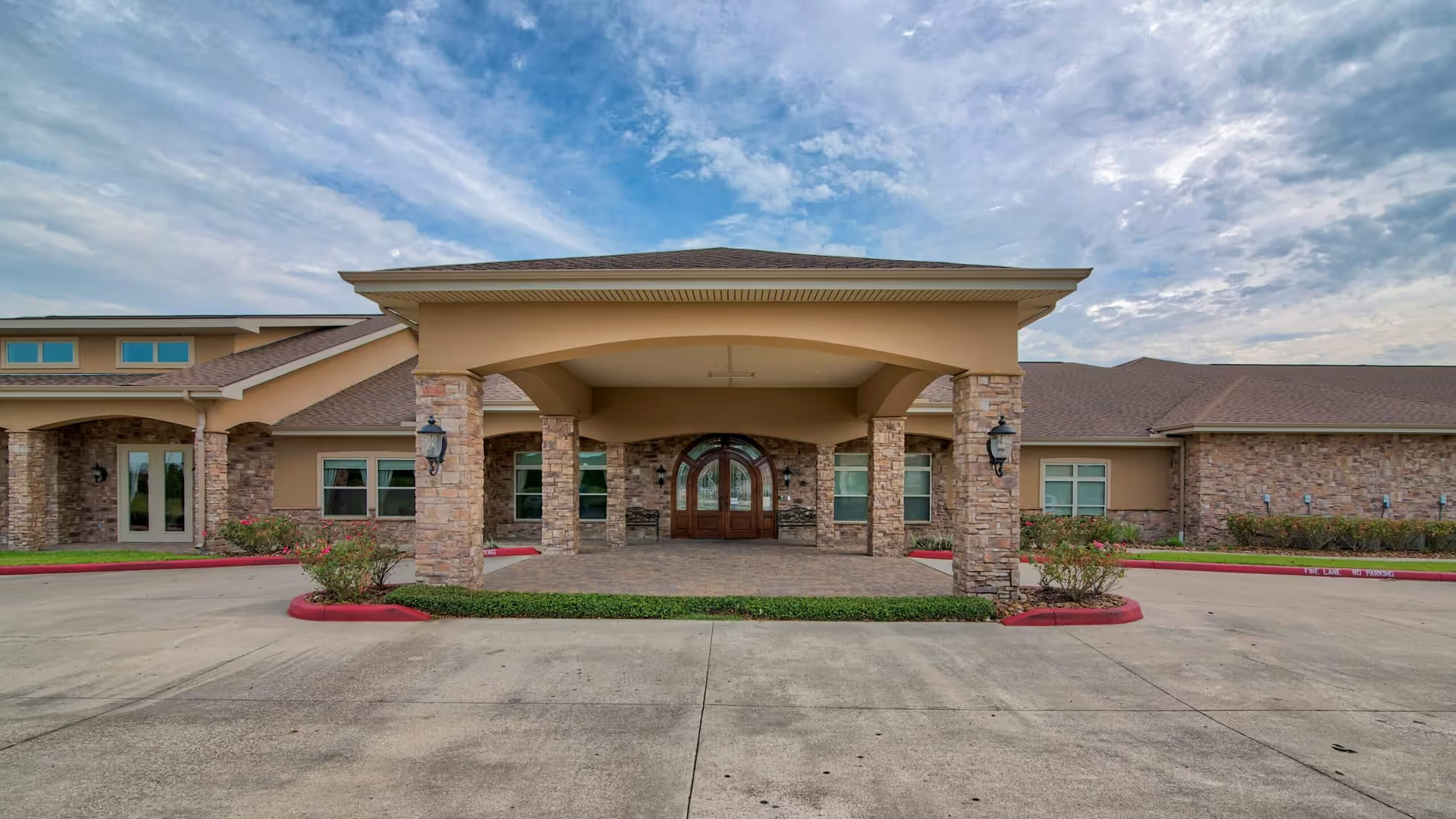
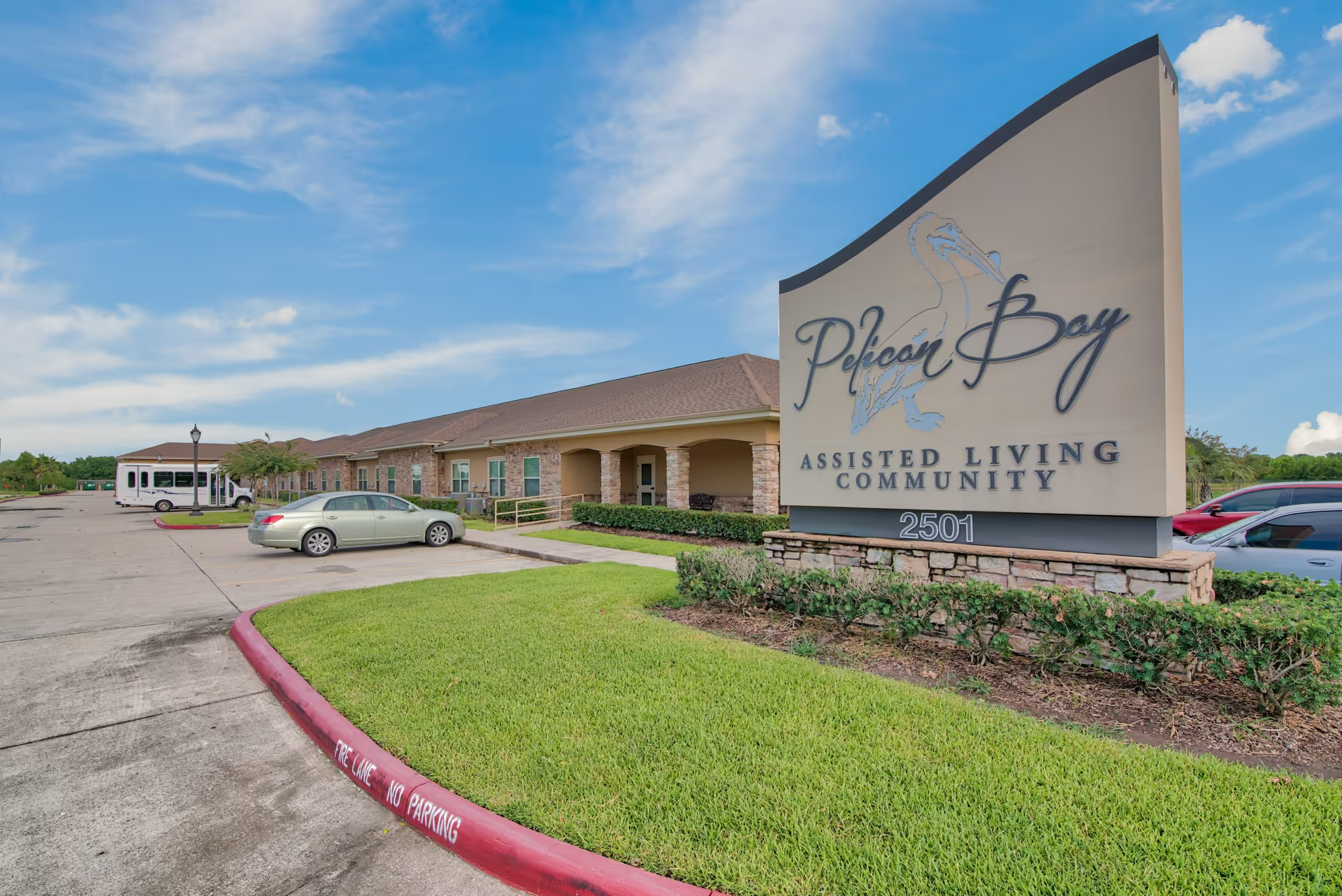
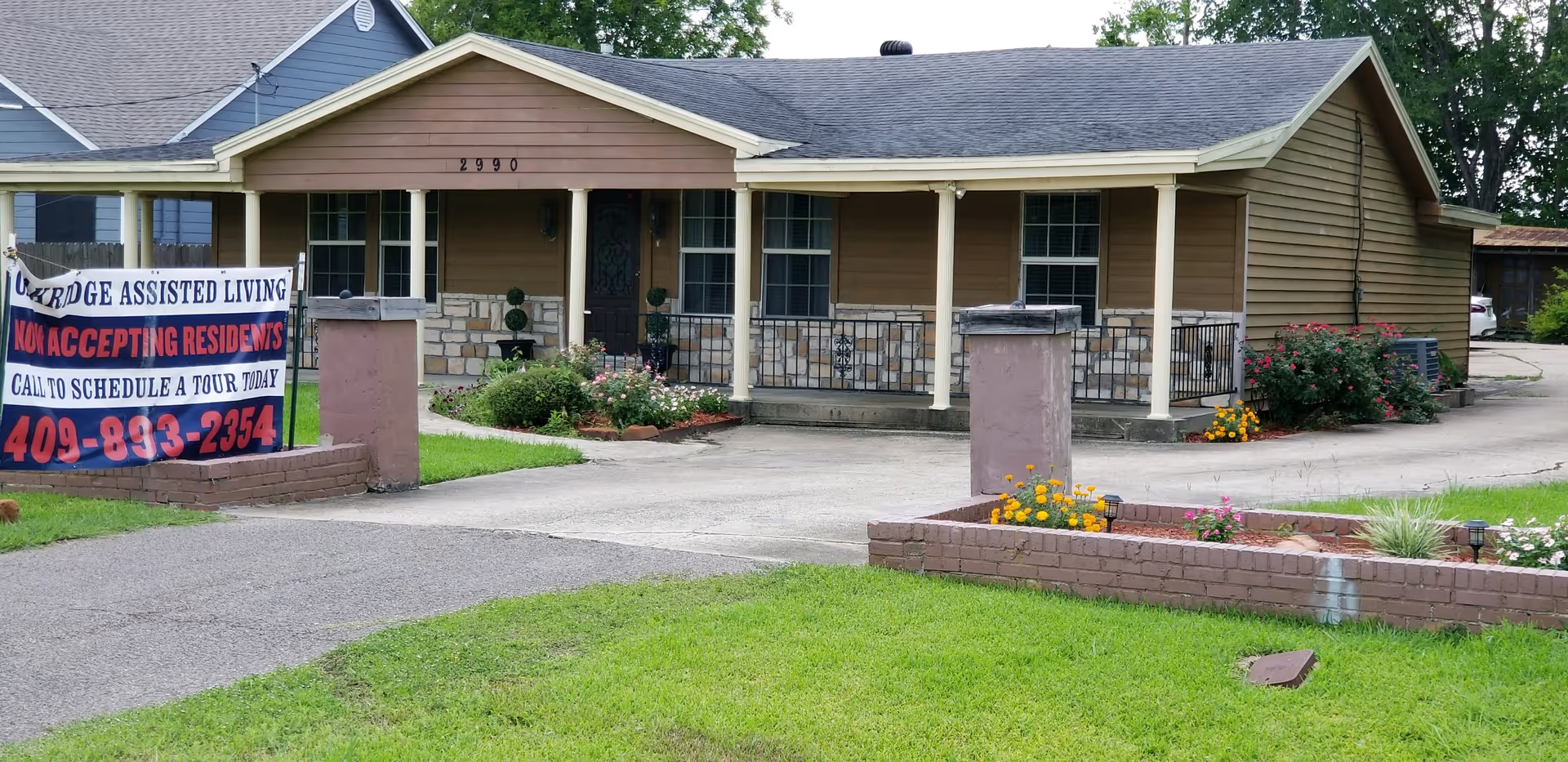
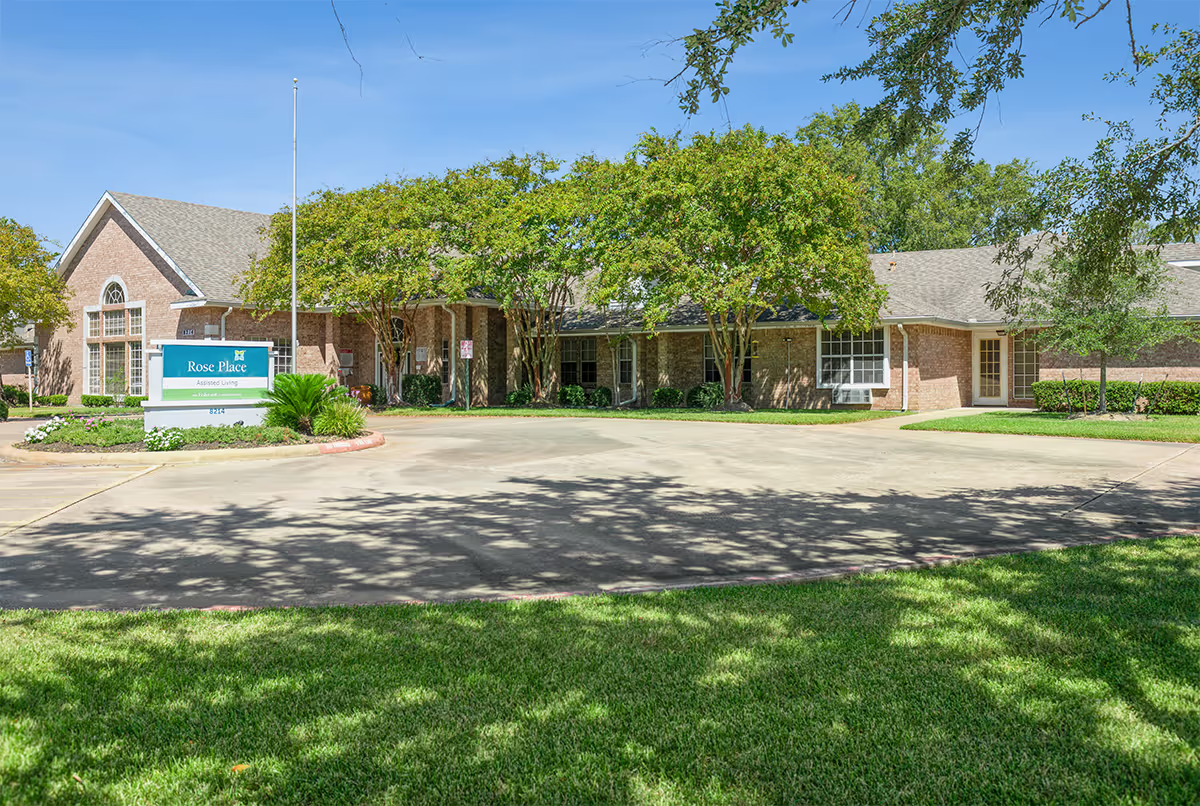
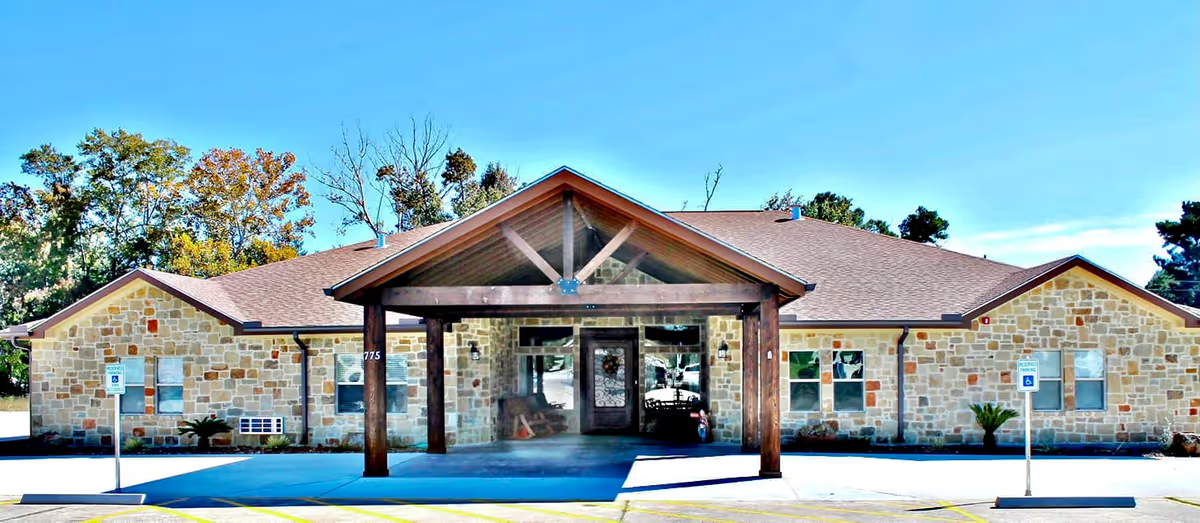
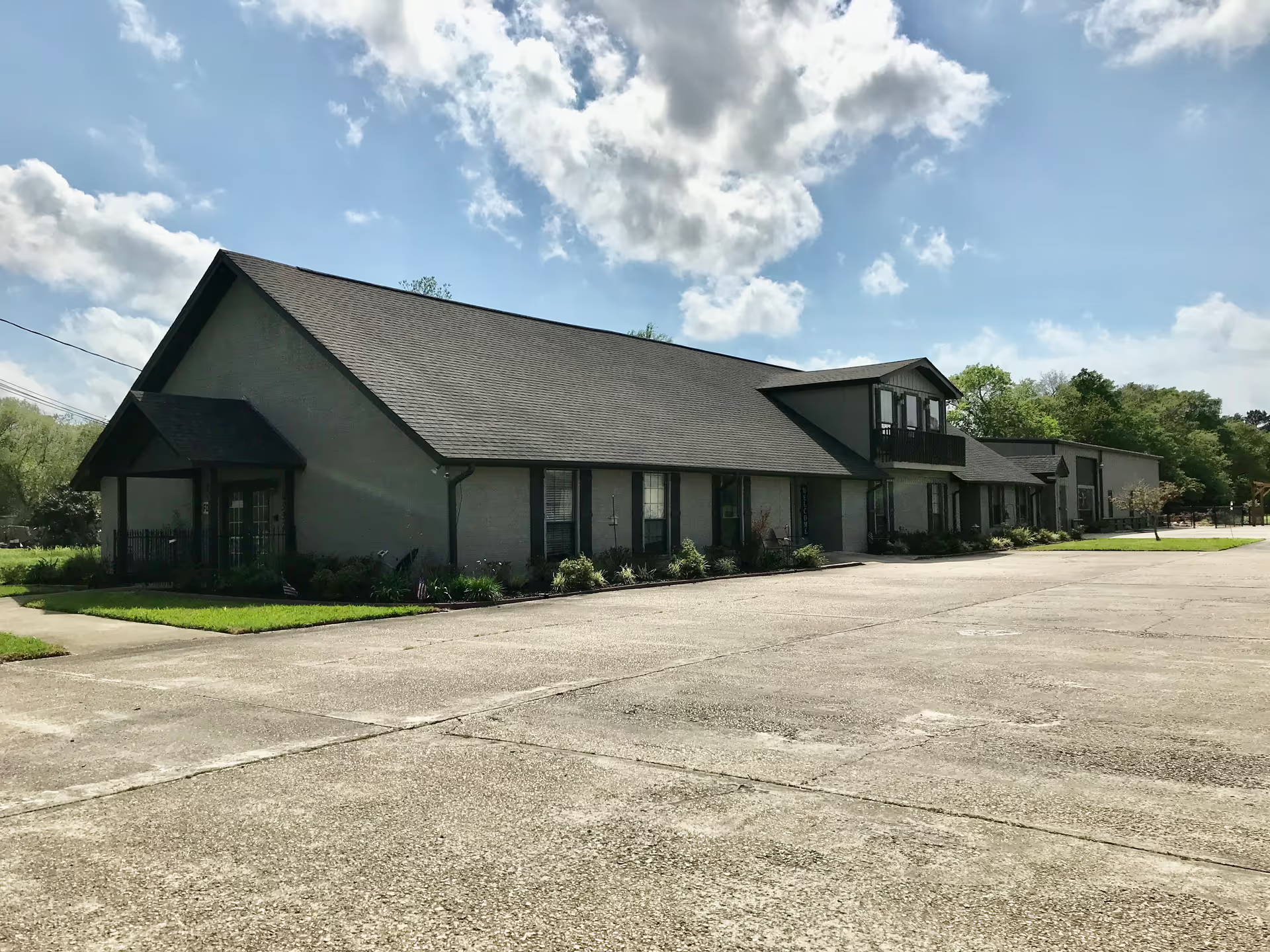
Facilities and amenities: The physical environment is described as well maintained, cheerful, and secure, with multiple courtyards, landscaped grounds, and pet‑friendly policies. Apartments and common areas are described as clean and homelike, though some units are noted to be relatively small and the community is intentionally modest rather than luxurious. A few reviewers cite discrepancies between advertised amenities (for example, a gym or broader transportation services) and what is actually provided.
Management and patterns to watch: Admissions and move‑in processes are consistently described as efficient and accommodating, and administration is generally responsive and communicative. Notable operational concerns clustered across reviews include episodic staffing pressures, limited memory‑care capacity, visitation restrictions imposed during infection‑control periods, and occasional communication lapses about outside service coordination. Prospective families should verify current activity schedules, memory‑care availability, staffing ratios, and the exact scope of advertised amenities and transportation services during a tour.
Bottom line: Lucas Court/Lucas Place is portrayed as a clean, well‑run small community with strong, compassionate caregiving, active programming led by an engaged activity director, and reliable housekeeping and meal accommodations. It best fits residents and families who prioritize personalized attention, social engagement, and a homelike atmosphere. Families seeking robust memory‑care capacity, daily high‑frequency dementia programming, or a broad set of luxury amenities should confirm current offerings and capacity before committing.