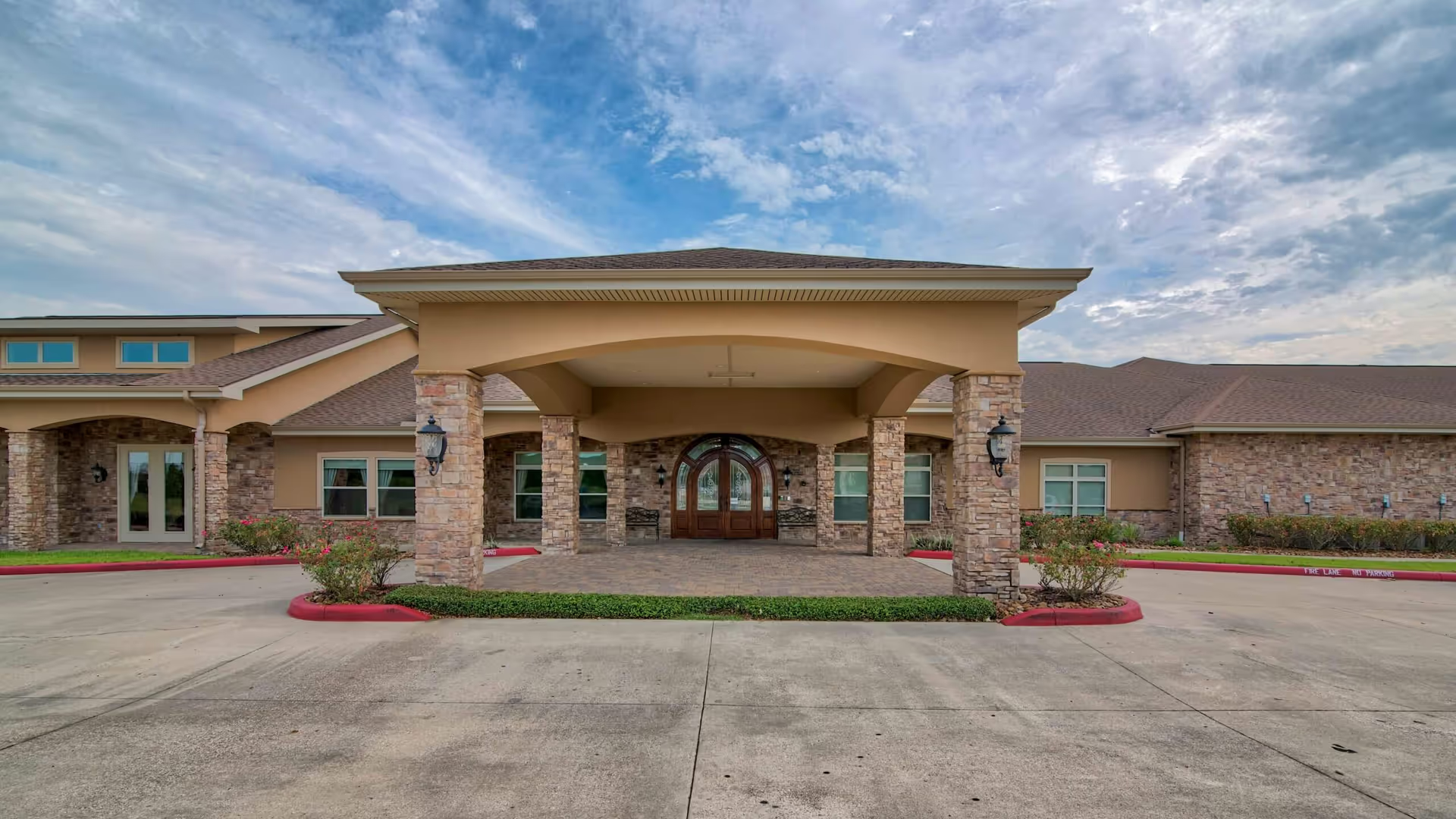
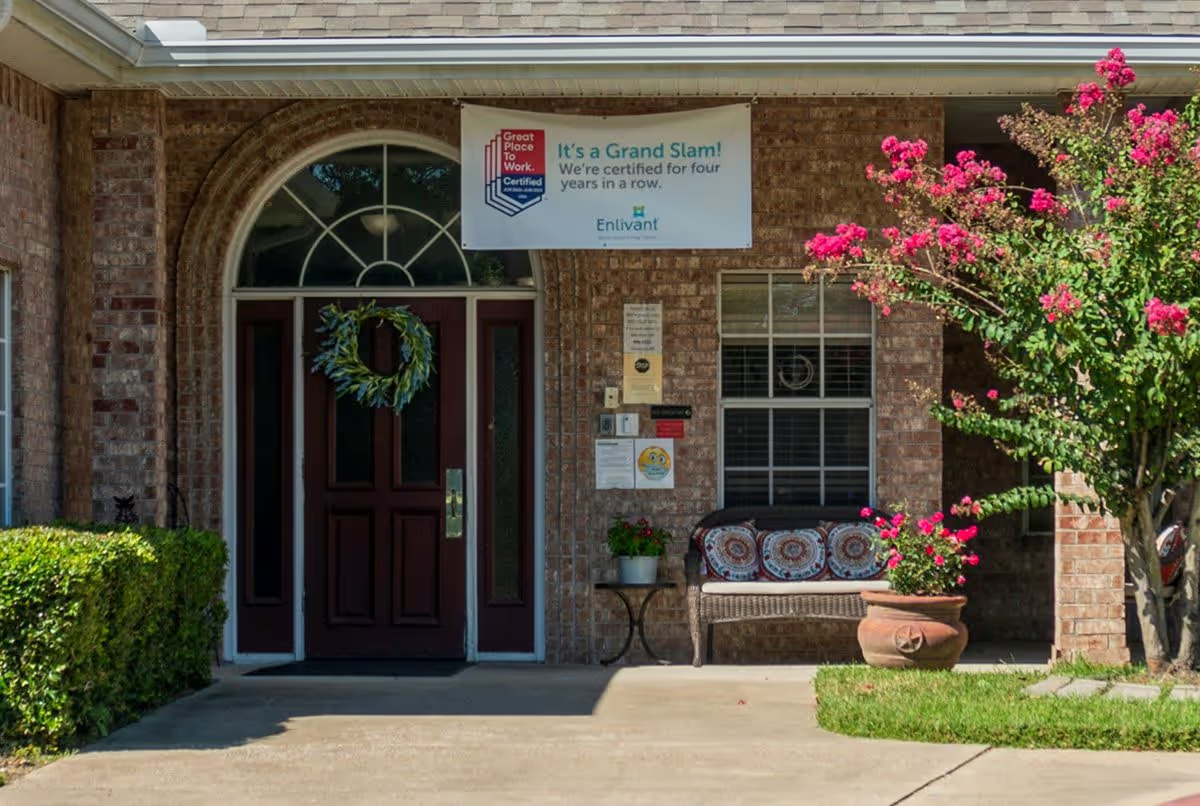
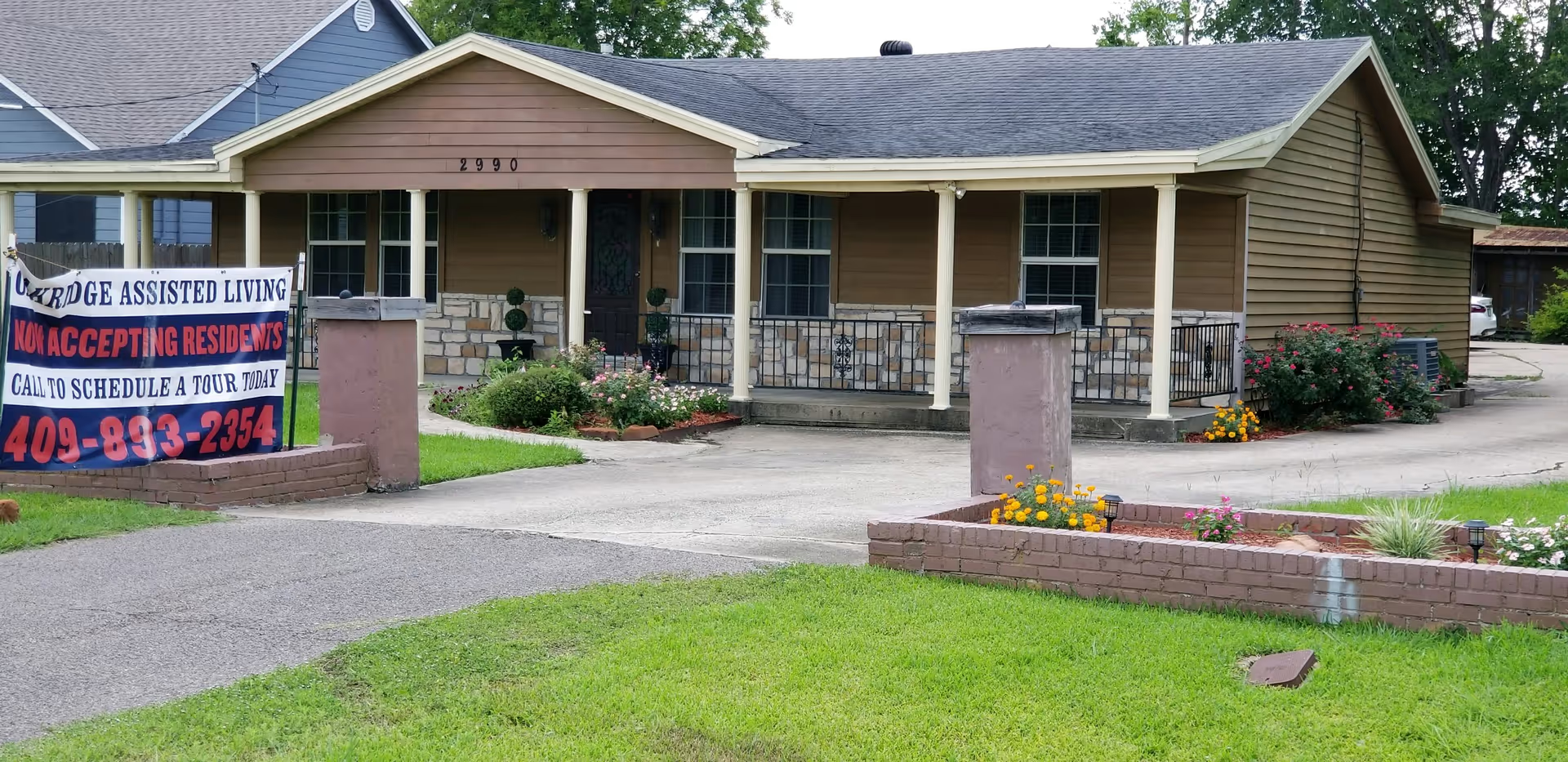
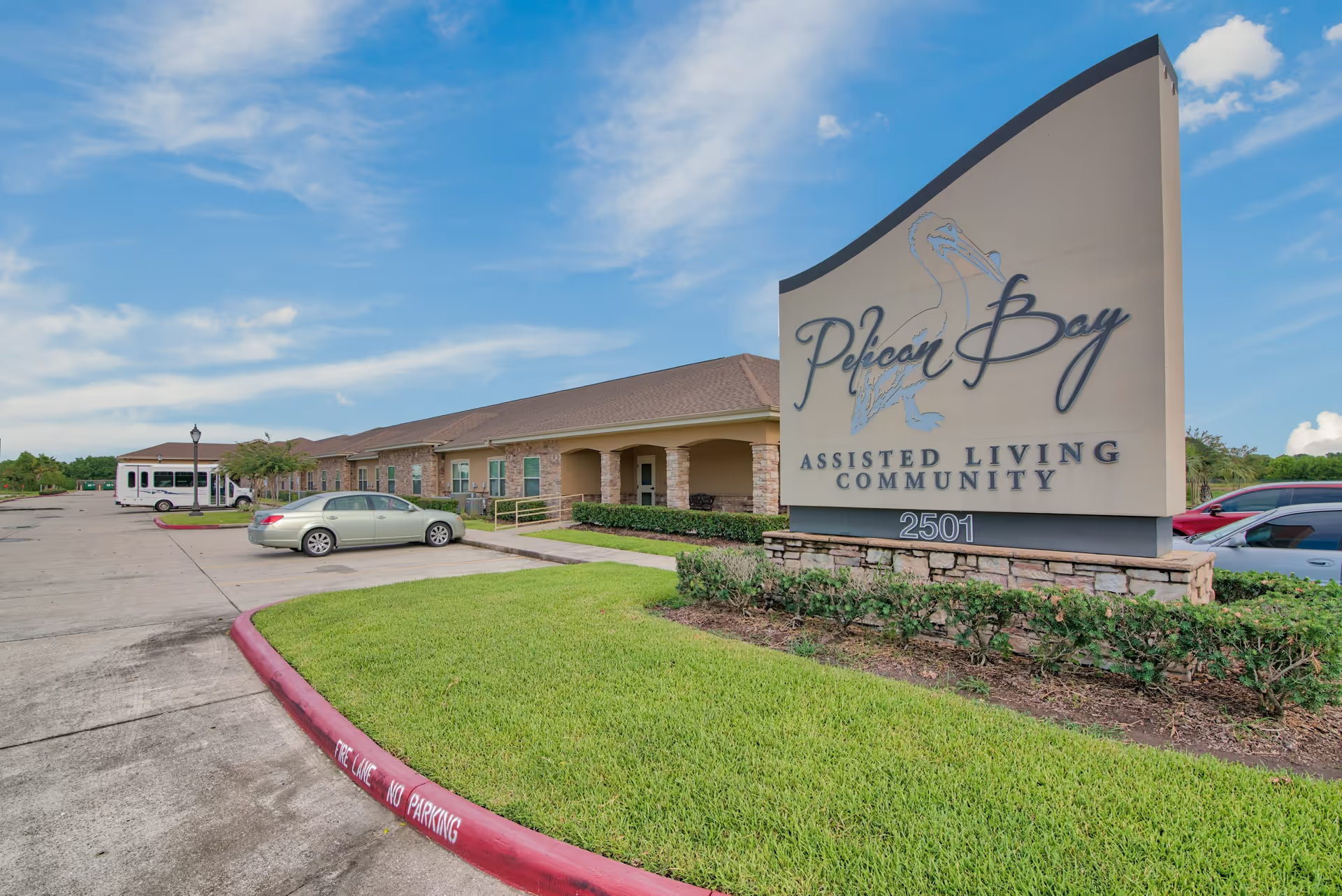
Overall impression: Rosefield Court presents as a small-to-midsize, well-kept senior community with many families describing a warm, social resident population and a generally clean, hotel-like environment. Strengths repeatedly mentioned include compassionate direct-care staff, accommodating dining teams and chefs, active social programming, and useful services such as transportation and housekeeping. Several families specifically praised dementia and end-of-life care, and the community is positioned as an affordable, comfortable option for short-term respite stays as well as longer placements.
Care and staff: Caregivers and nursing staff receive frequent praise for being caring, attentive, and communicative; families note that the staff helped alleviate stress during transitions and that nurses make visits as needed. That said, there are recurring operational concerns around staffing levels—reviewers described situations where limited staffing affected the timeliness and consistency of routine care. In addition, a small number of reviews raised serious allegations about clinical-incident handling, including concerns following a resident's death and references to a state inquiry; these items indicate potential gaps in emergency response and family communication that merit targeted follow-up.
Dining and activities: Dining appears to be a clear positive. Reviewers describe fresh meals, accommodating dining staff, family-meal events, and overall satisfaction with food quality. The activity program is active and varied—bingo, dominoes, movies, and family events were all noted—and reviewers generally regarded the community as socially engaging and supportive of resident interaction.
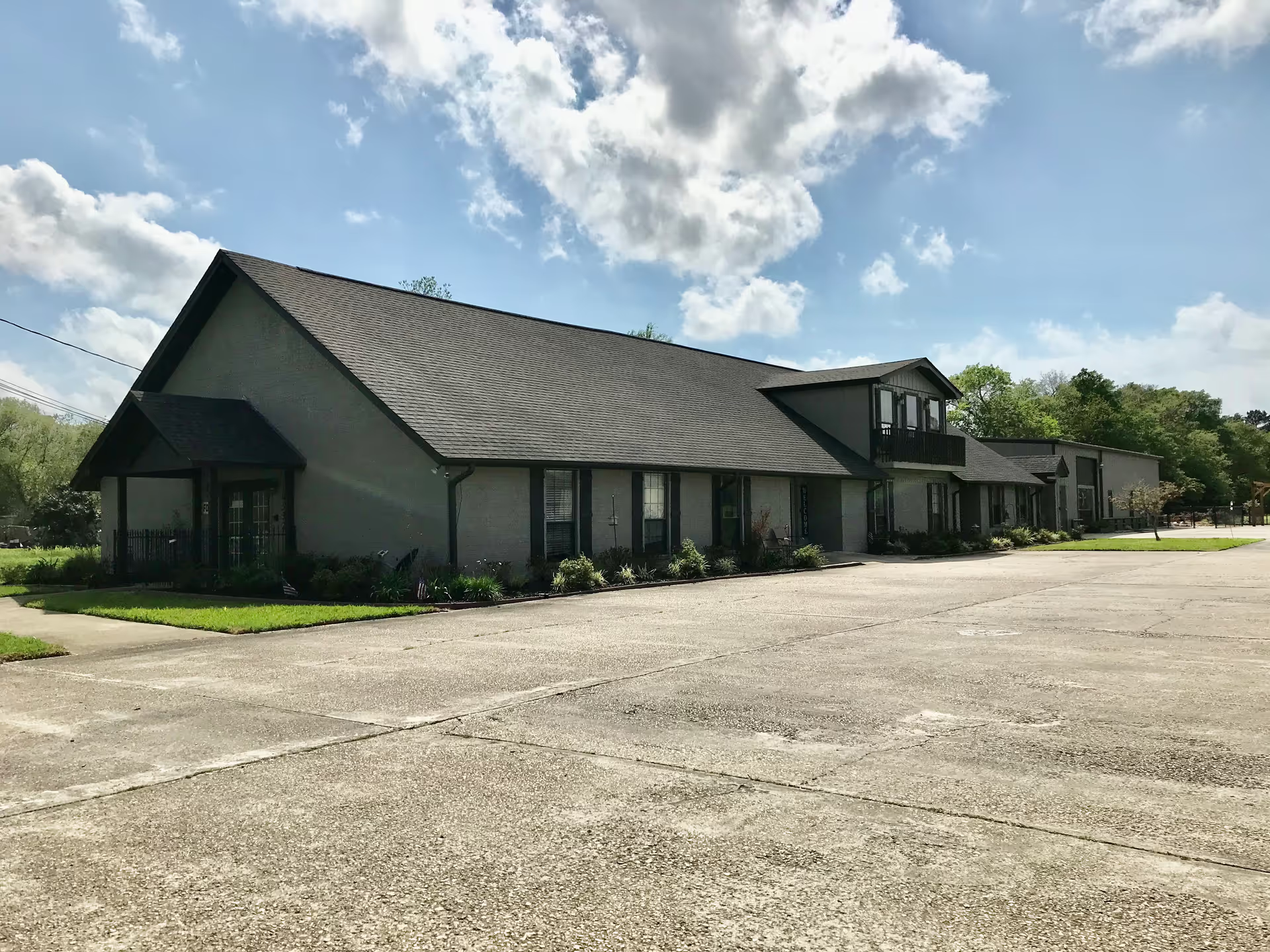
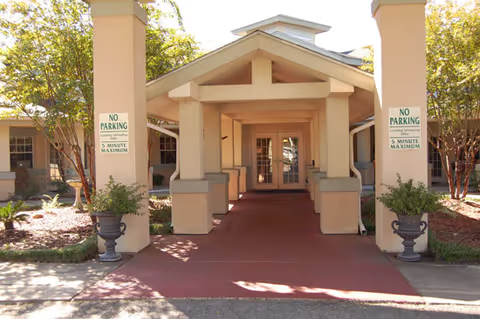
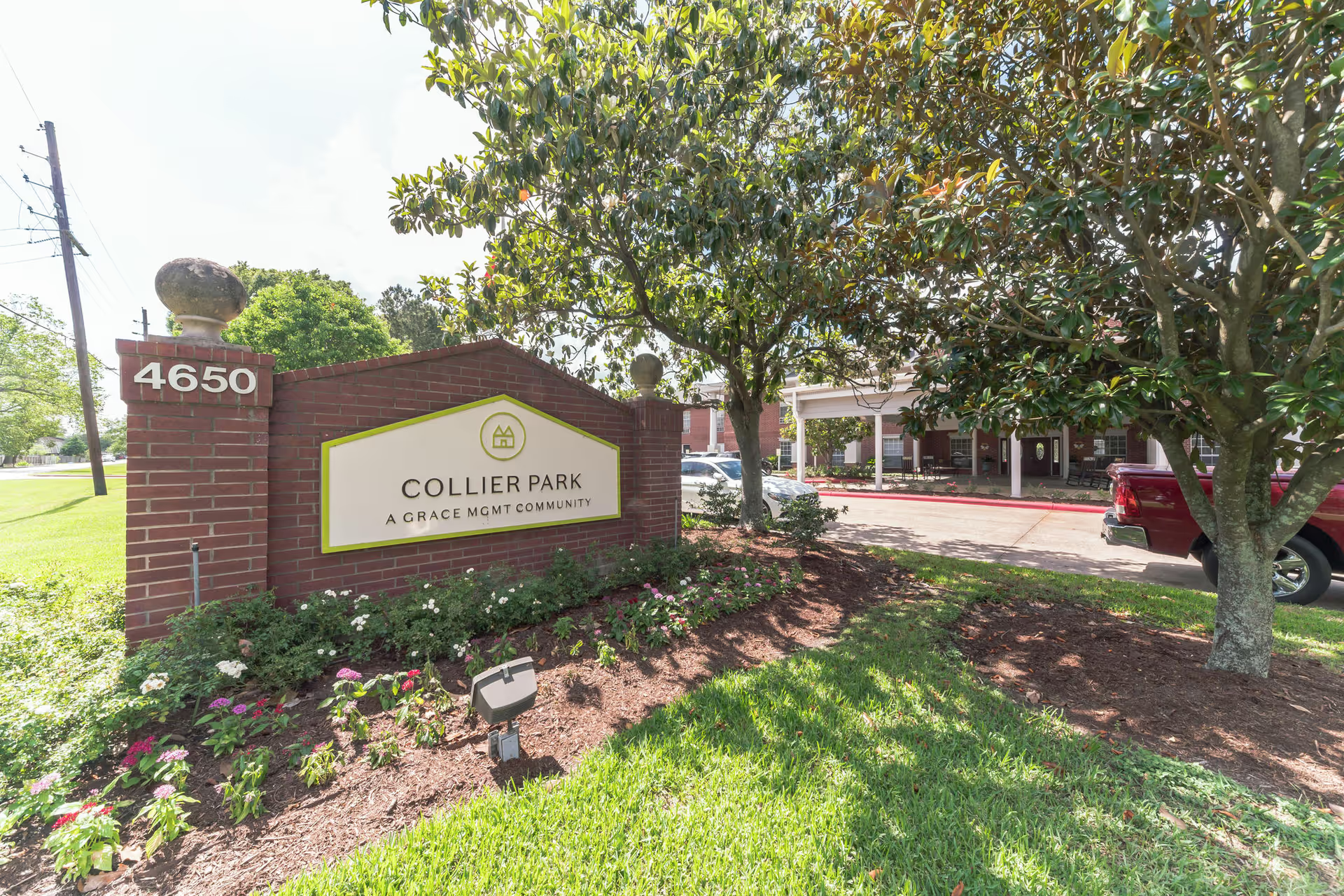
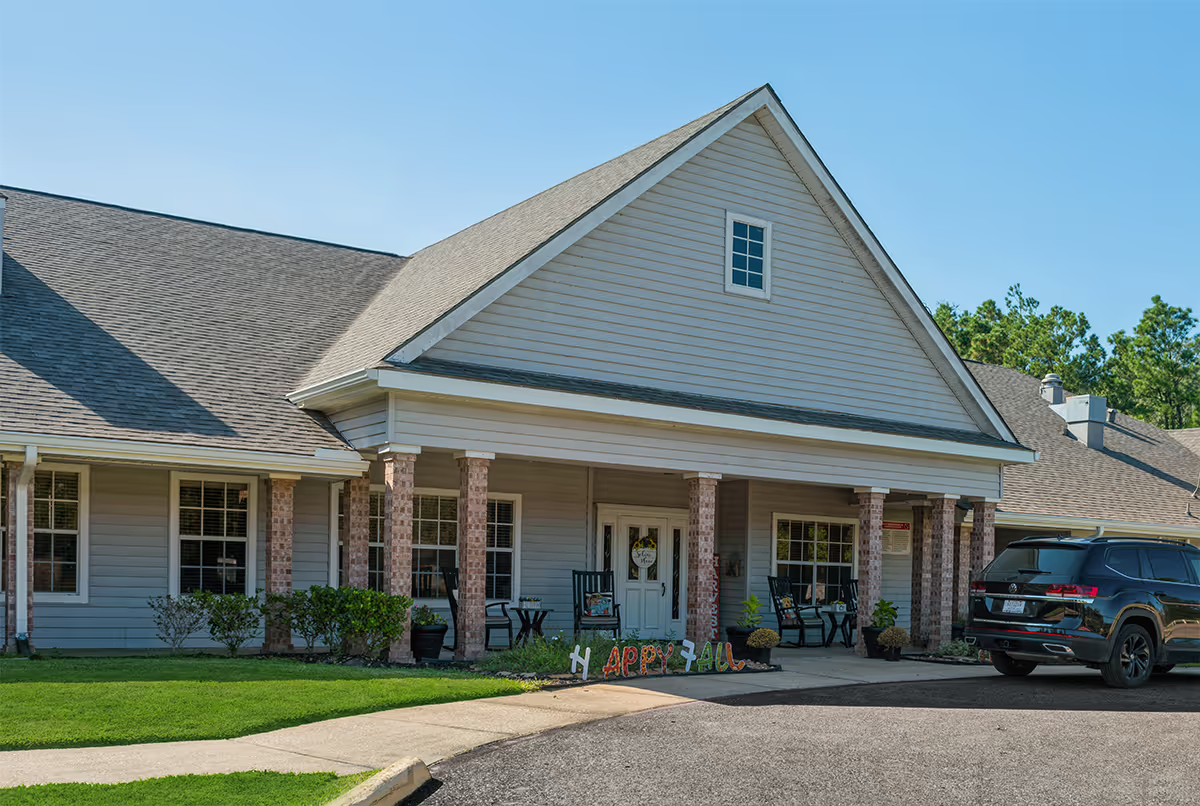
Facilities and maintenance: The property is described as well-maintained with updated, comfortable apartments and pleasant outdoor space. Many reviewers called the rooms "nice" and "hotel-like." However, there are recurring maintenance-related items at the unit level—plumbing problems, bathroom stains or carpet issues, and occasional moves of residents for repairs—which suggest unevenness in upkeep or delays in completing repairs. Studio apartments are on the small side, which may not suit those needing more space.
Management and administration: Communication during the COVID period (weekly emails, proactive updates) was cited positively, and some reviewers praised specific directors or staff for responsiveness. Conversely, others noted management turnover, unclear leadership transitions, phone-answering gaps, billing delays, and administrative disorganization. These administrative inconsistencies appear to be a prominent operational weakness and are linked in some reviews to families' frustration during transitions.
What to check on a visit: Prospective residents and families should tour units, ask about current staffing ratios and recent turnover, request details of emergency-response and incident-communication protocols, review recent state inspection results, and inquire about average repair turnaround times and billing processes. Given the mix of strong caregiving praise and operational concerns, verifying current leadership, staffing stability, and maintenance responsiveness will help determine whether this community meets a particular family’s priorities.