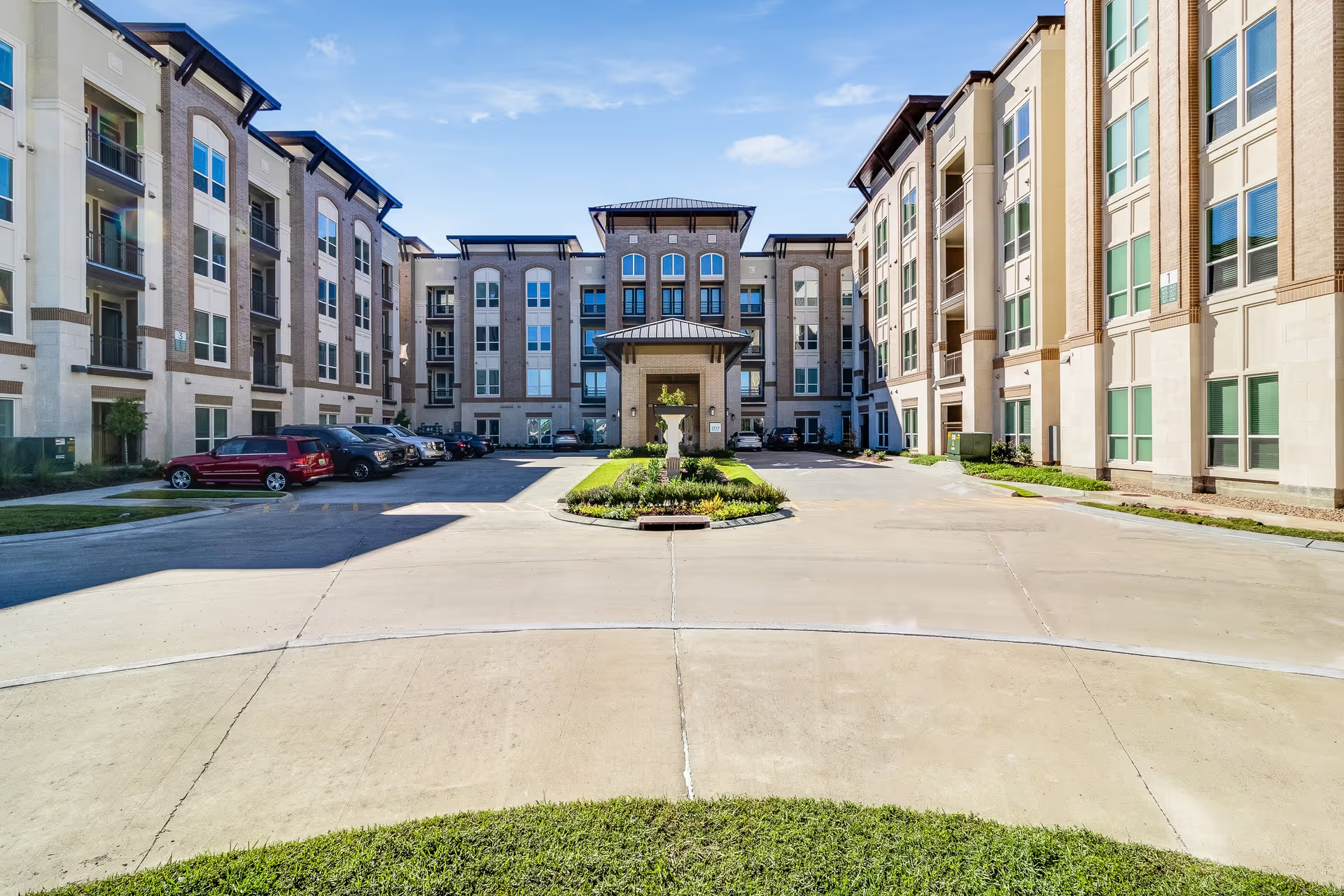
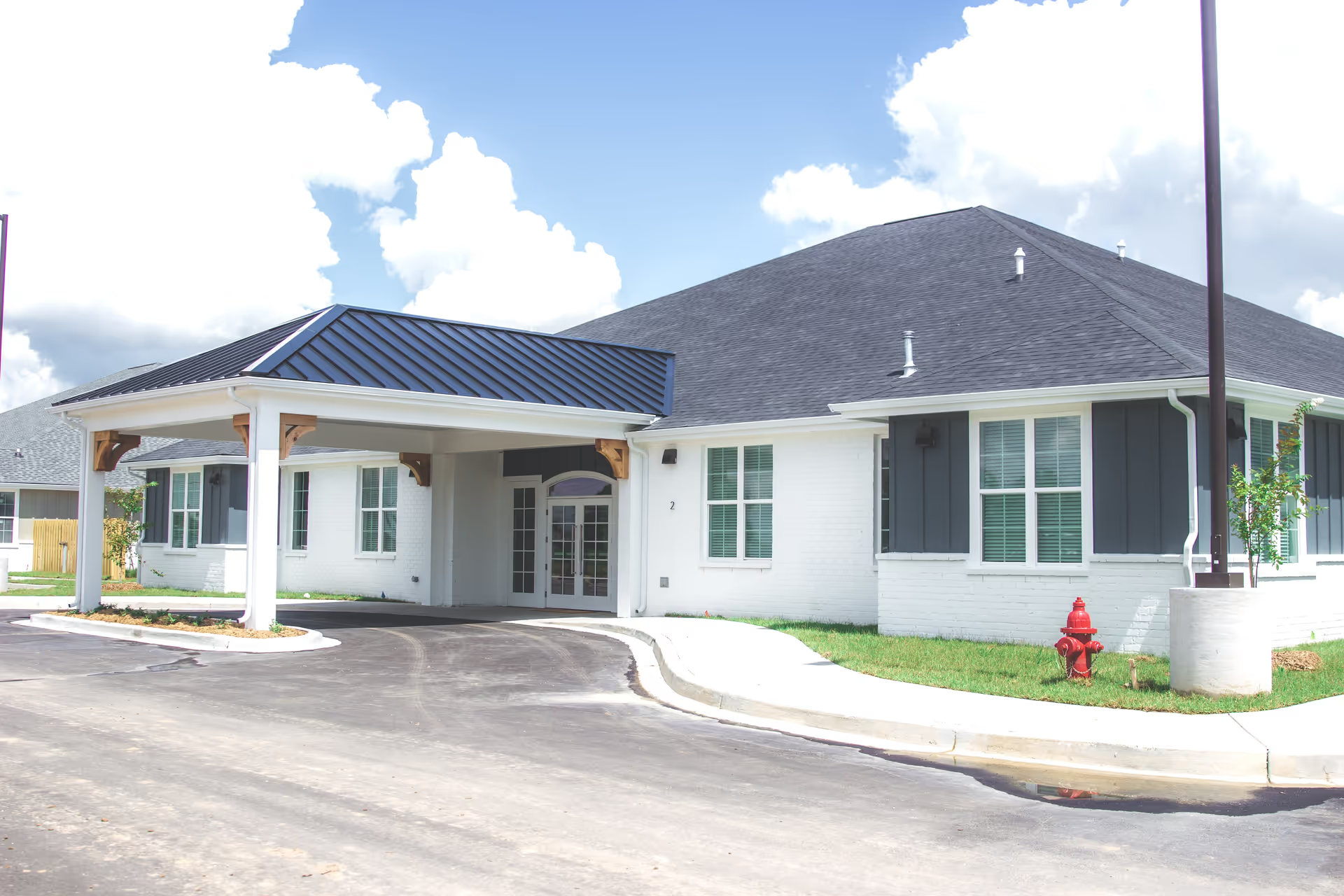
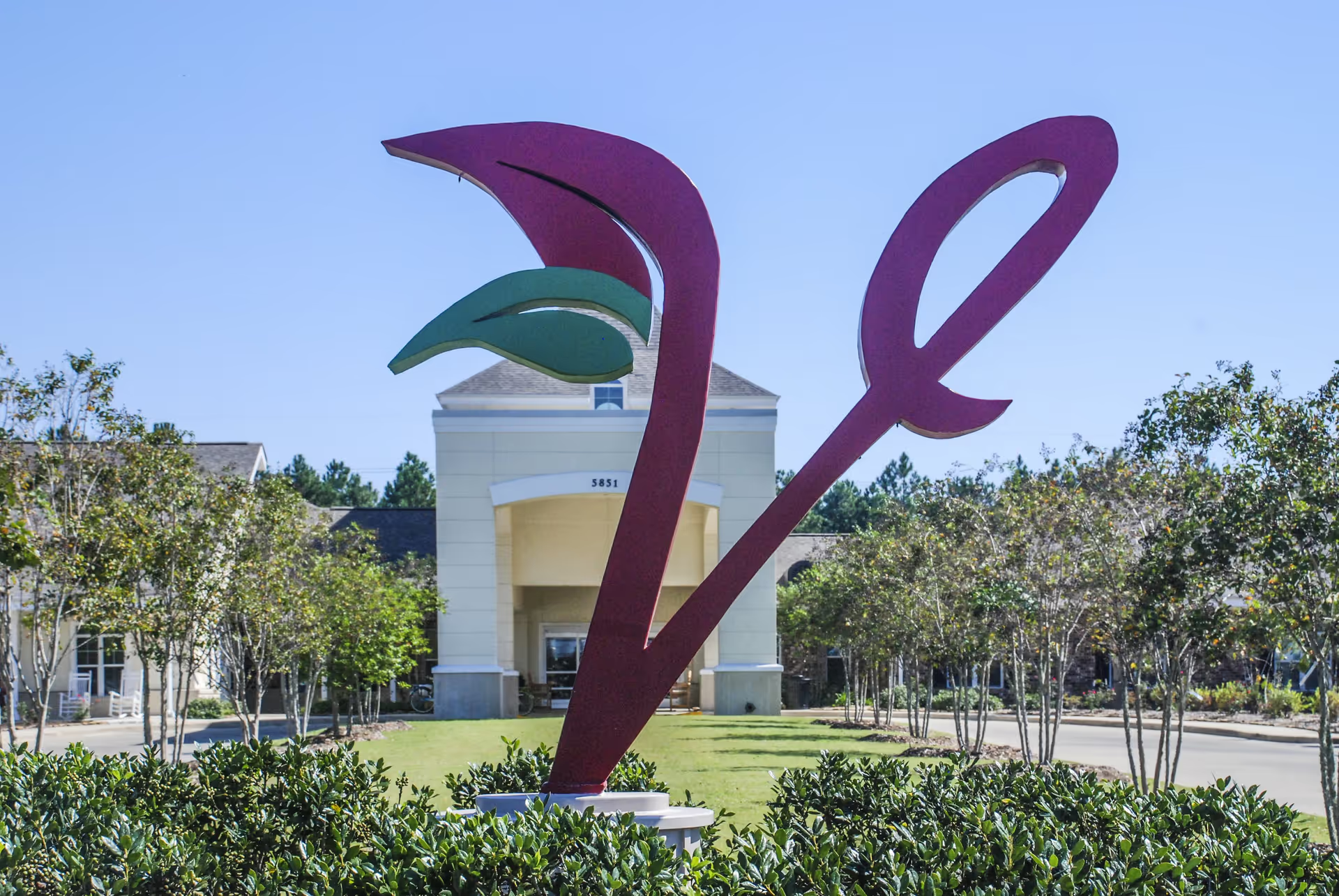
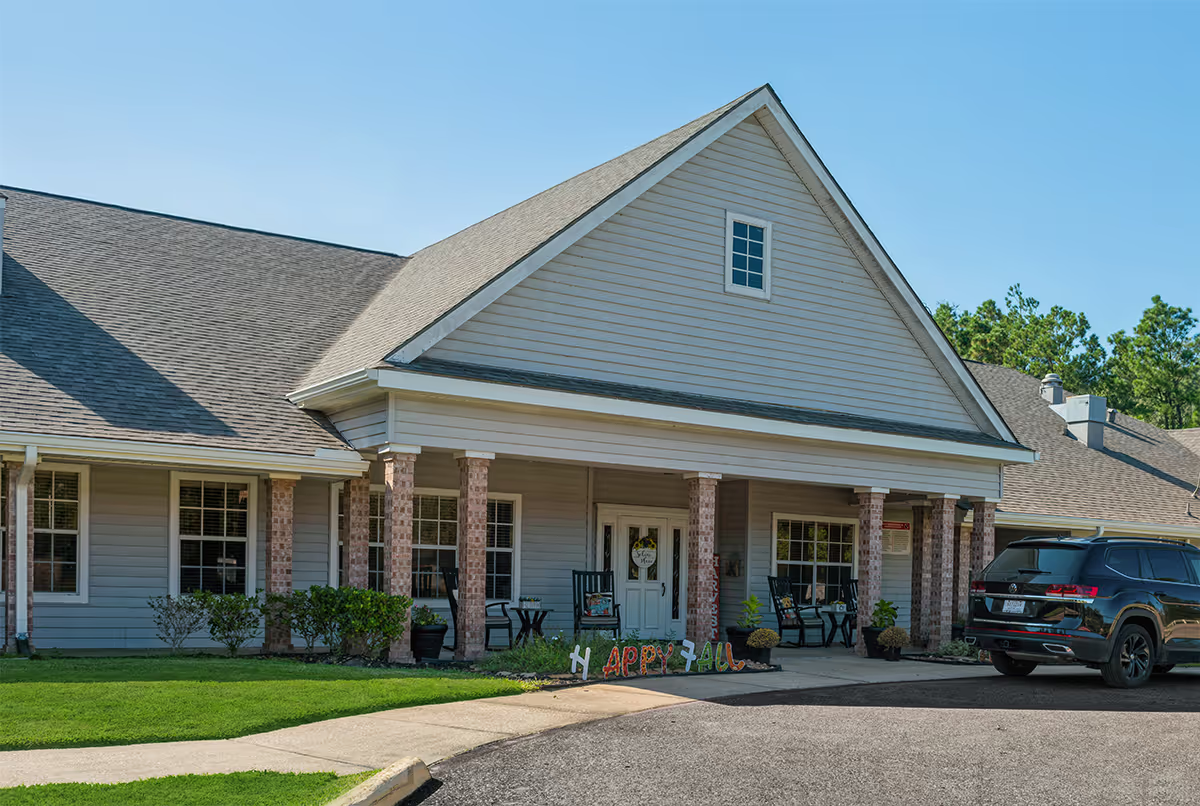
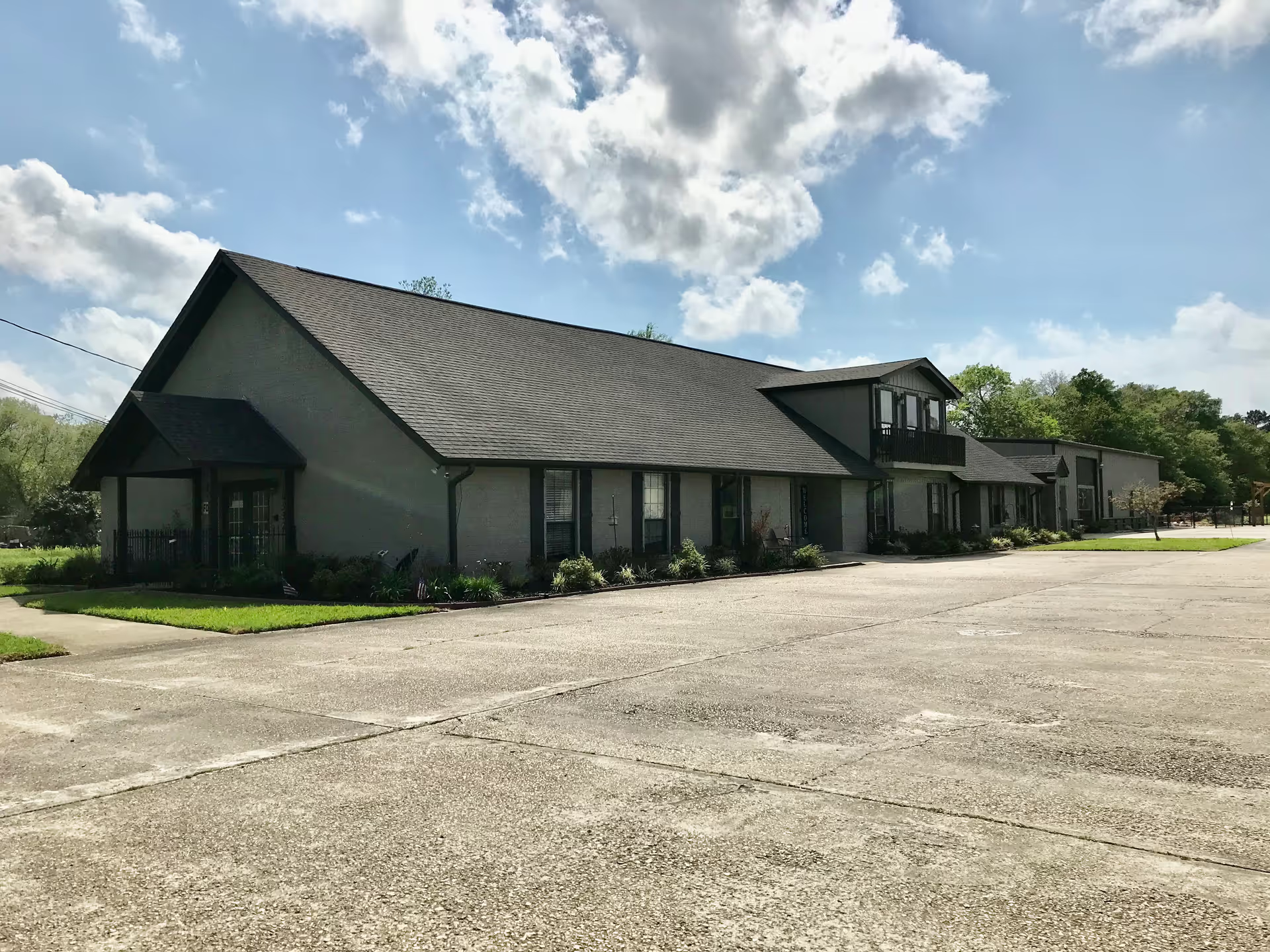
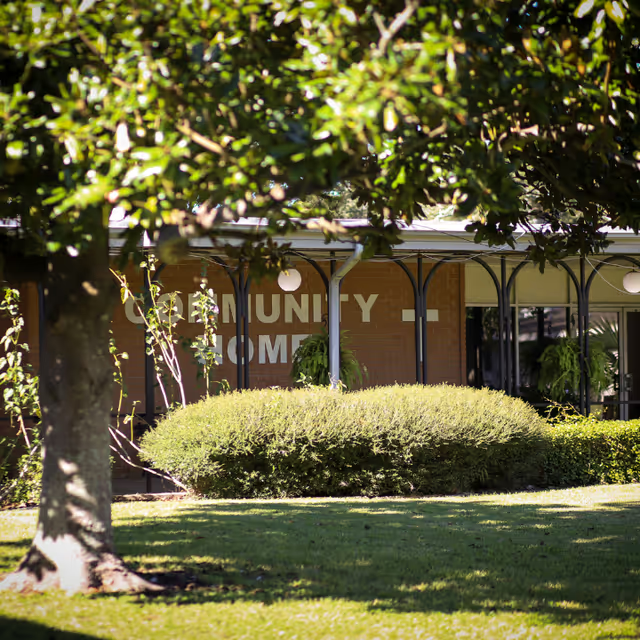
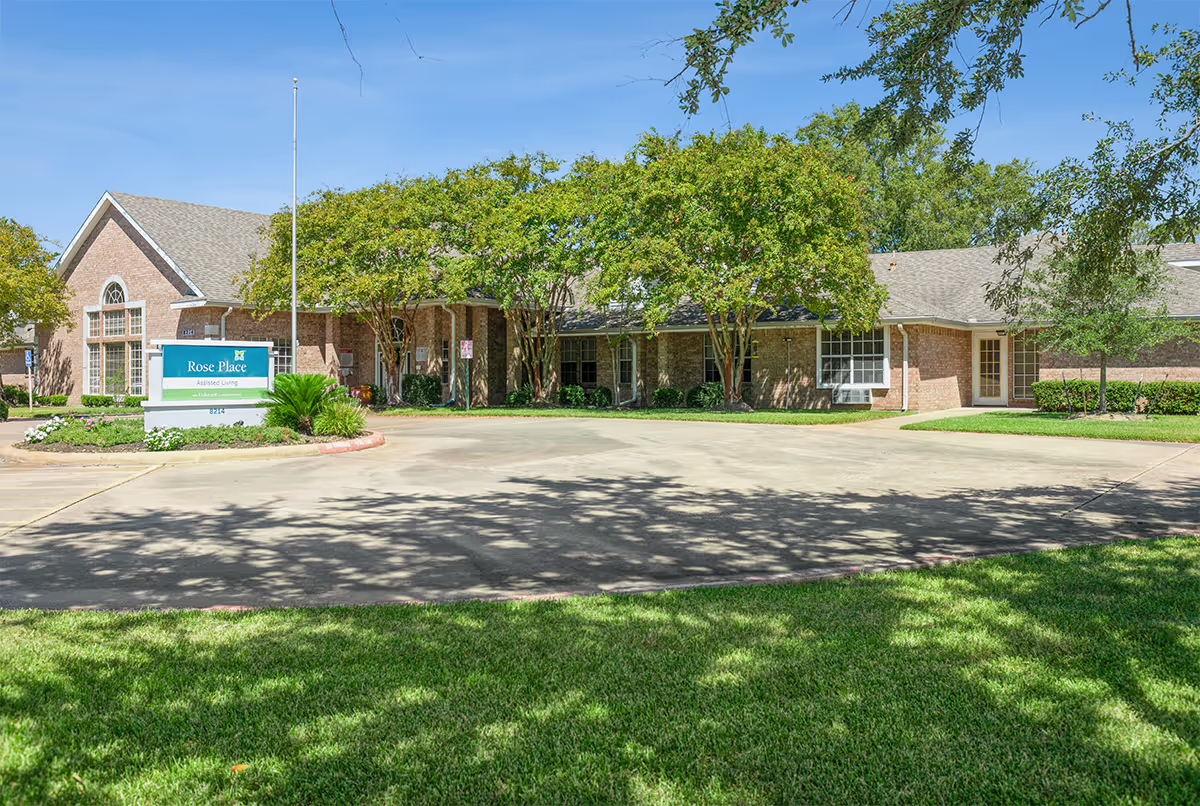
The Gardens & Guardian House presents a mixed but substantive profile: many families describe warm, professional caregiving and strong rehabilitation services, while others identify operational weaknesses that affect consistency of care. The campus model—combining skilled nursing and assisted living—and recent remodeling produce a welcoming, home-like environment with private rooms, family seating areas, a chapel, and an attractive courtyard. When systems are functioning as intended, reviewers cite effective discharge planning, individualized PT/OT programs, a full schedule of activities and outings, and a restaurant-style meal service that residents enjoy.
Care quality and staff performance are central themes. Several families praised compassionate nursing, attentive CNAs, and a hands-on Director of Nursing; physical and occupational therapists receive repeated positive mention for restoring mobility. At the same time, there are recurrent concerns about inconsistent staffing levels and high workloads, which reviewers link to slower responses to call buttons and delayed clinical escalation. These operational gaps have been associated with safety oversight concerns (for example, delayed assistance after falls) and wound-care/pressure-injury management issues in some cases. There is also at least one serious allegation regarding discharge practices; prospective families should treat that as an item to verify directly with administration.
Dining and activities are generally strengths. Many reviews describe pleasurable meals, restaurant-style service, and an active entertainment program led by a dedicated director. However, a subset of families noted limited menu variety or inconsistent food quality, so dining experience may vary by day or resident preference. The facility’s transportation and organized outings are repeatedly appreciated as contributing to social engagement.
Facilities and equipment earned positive comments for cleanliness, recent remodeling, and private-room layouts, but there are notes of variability. Some families reported that monitoring or call systems were not consistently reliable, and a few described lapses in housekeeping attention in particular living spaces. These issues appear intermittent rather than facility-wide, but they are important to confirm during a visit.
Management and organizational culture show signs of transition. Several accounts indicate improvements since new leadership arrived, including better communication and more visible nursing leadership; others describe ongoing staff-drama, morale challenges, and phone-accessibility problems that hinder timely family contact. Taken together, the pattern suggests a facility with clear strengths in rehabilitation, leadership presence, and resident-centered amenities, paired with operational weaknesses around staffing consistency, clinical escalation, and equipment maintenance.
For families considering this facility: arrange an in-person tour during different shifts (day and night), ask for current staffing ratios, inquire about protocols for emergency transfers and wound/oncology care, review maintenance records for monitoring systems, and request references from recent rehab residents. These checks will help weigh the facility’s strong rehabilitation and social program offerings against the documented inconsistencies in staffing, responsiveness, and some aspects of clinical capability.