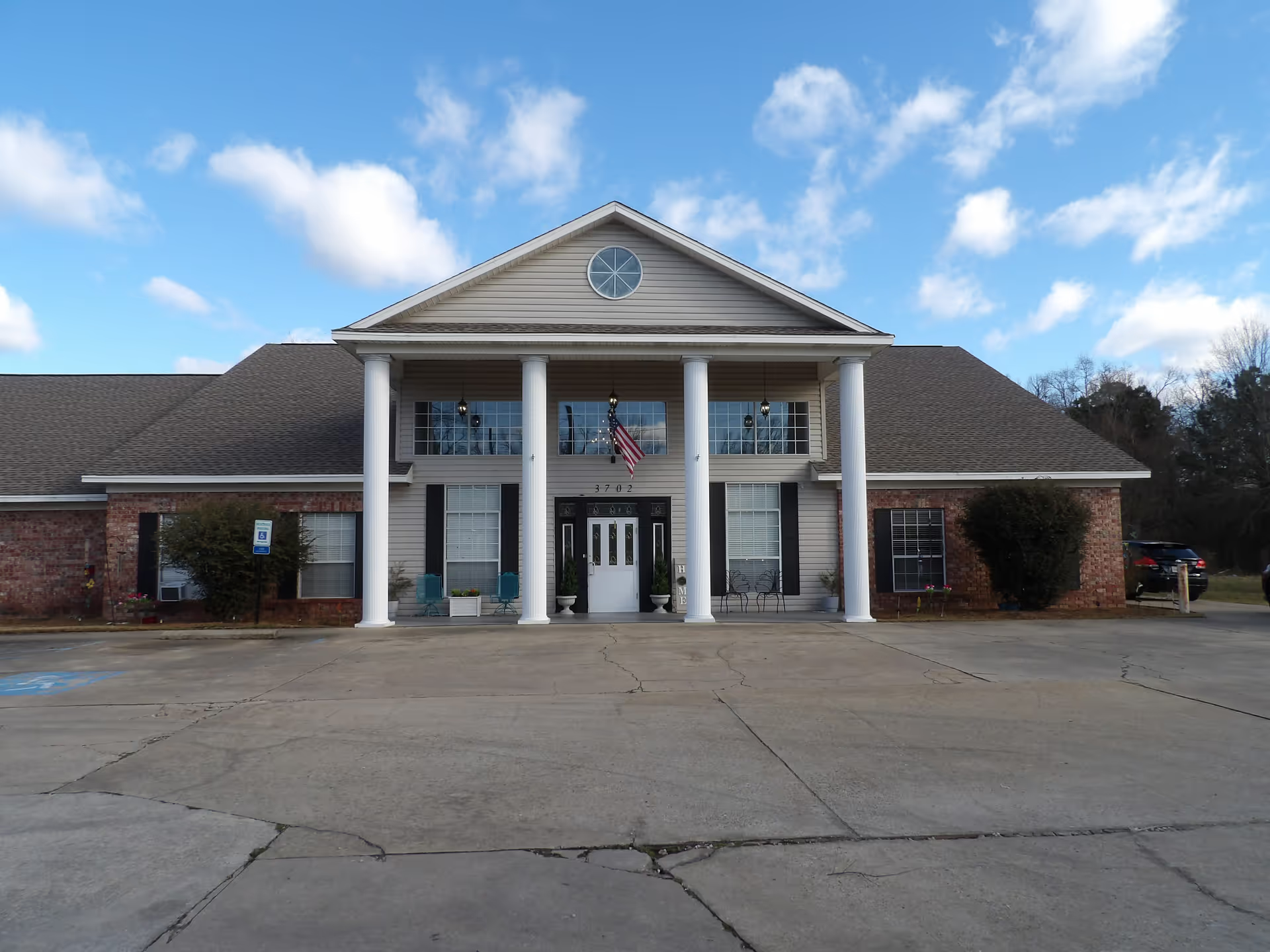
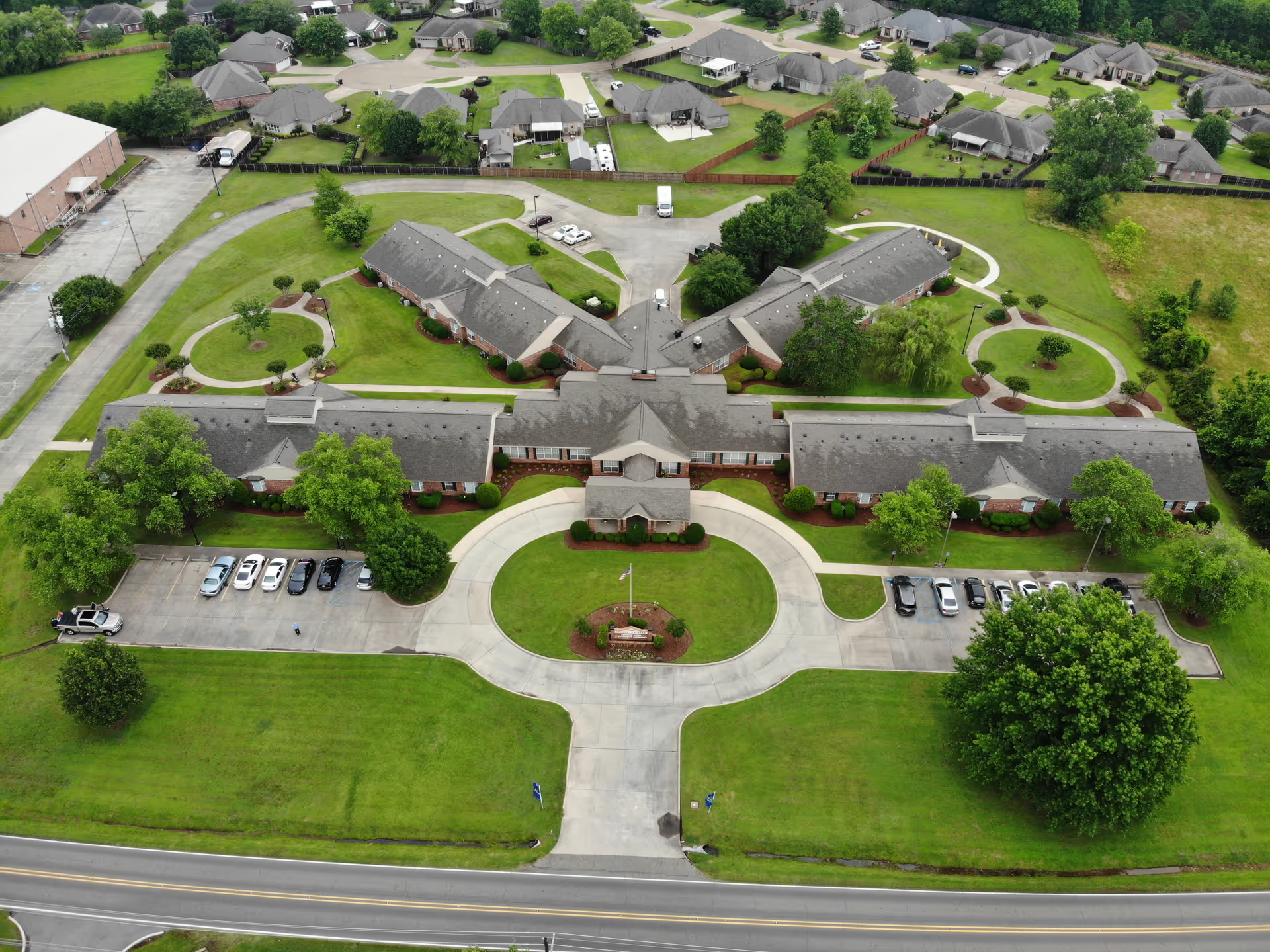
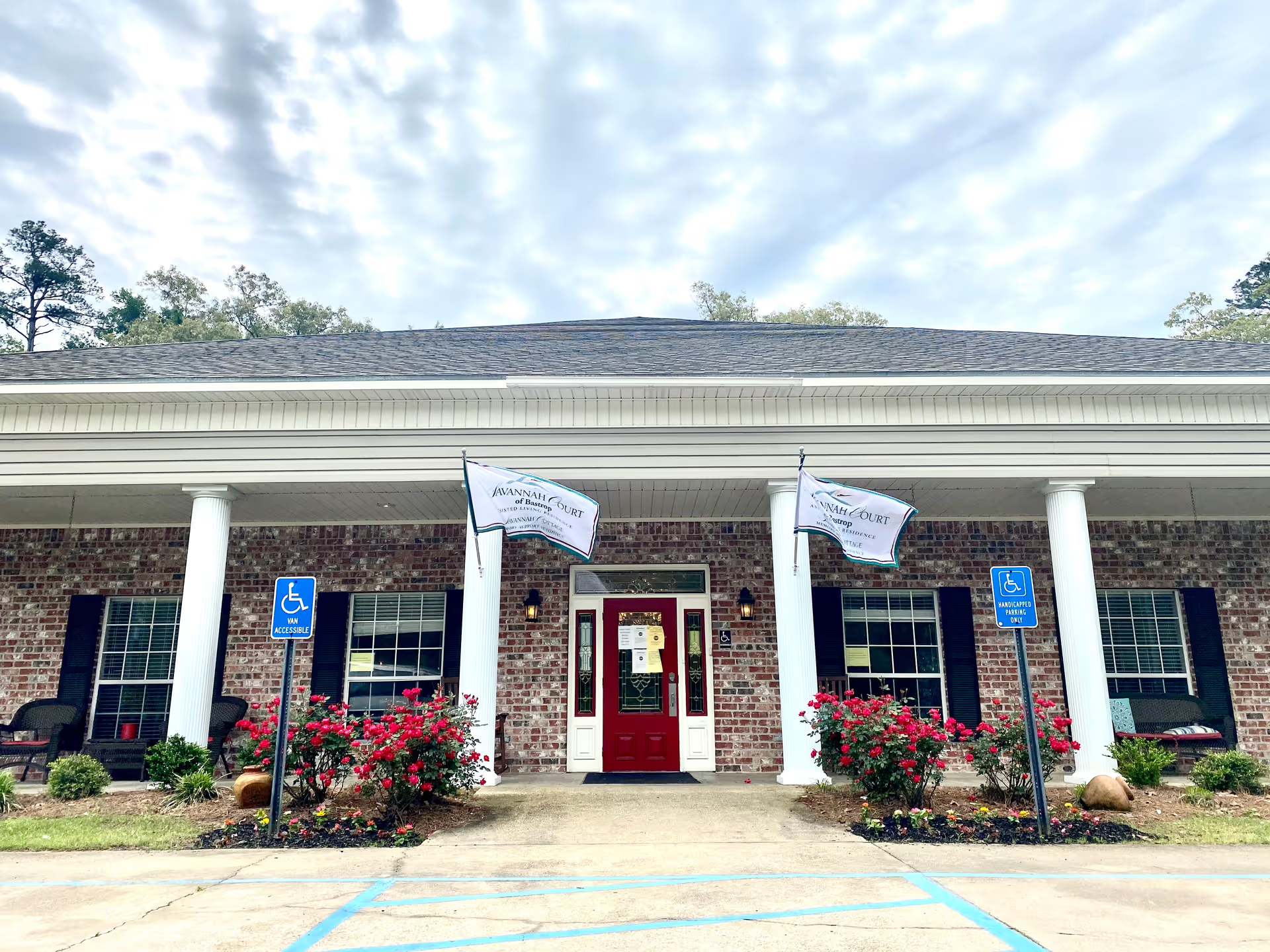
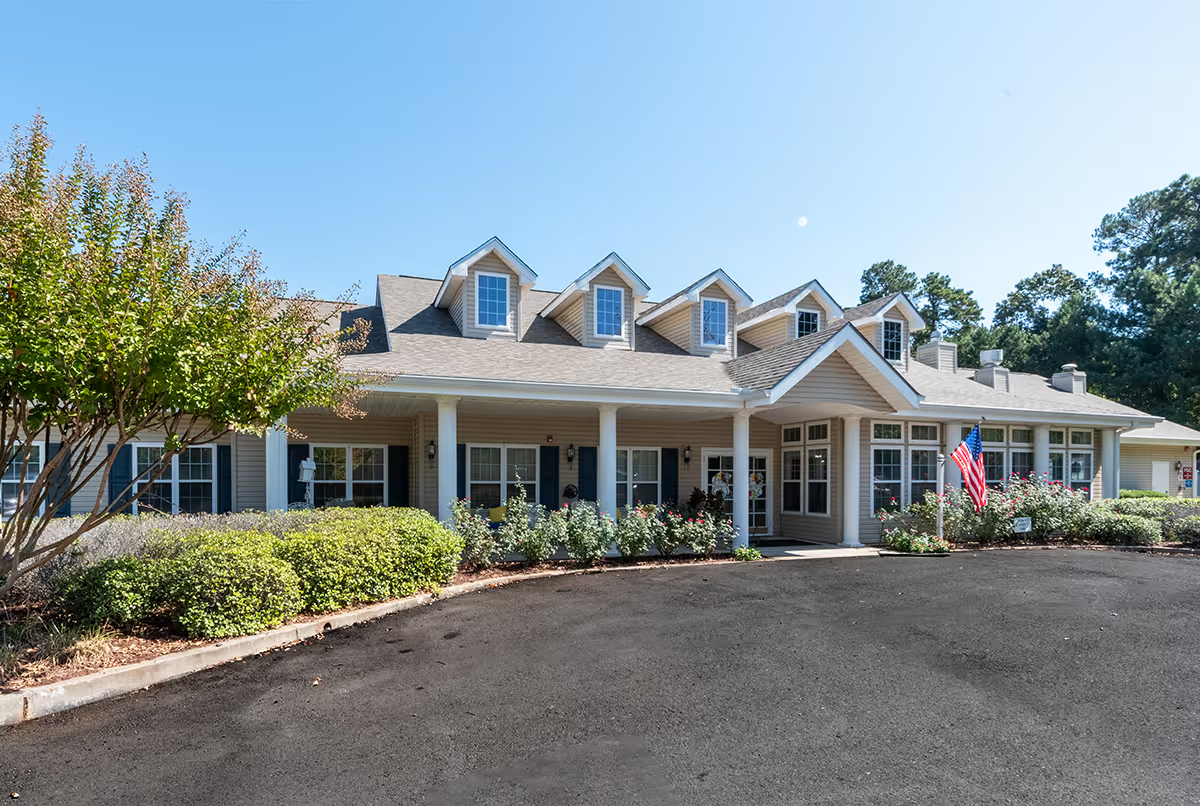
The reviews present a polarized picture of West Monroe Guest House Inc. Several reviewers described positive, even excellent, aspects: a modern, attractive building with a small-community layout; staff who treat residents with respect and dignity; cooperative assistance across departments; and a therapy program that some families found highly effective. Some long-term residents and families expressed a high level of satisfaction and gratitude for the care received, describing staff as compassionate and expert in their roles.
At the same time, a number of operational weaknesses recur. Staffing instability and turnover appear to affect consistency of care; reviewers noted gaps in night-shift supervision, an unattended nurses' station after hours, and limited visible staff on some units. Communication with families is frequently cited as unreliable—examples include inconsistent answers, unreturned phone calls, and unclear therapy scheduling. These communication gaps contribute to uncertainty about care plans and follow-up.
Clinical-operations concerns include training and equipment issues. Several reviewers described problems consistent with inadequate lift-transfer training and with promised mobility or assistive equipment not arriving or being in short supply. This is reinforced by comments about limited availability of wheelchairs and bedside commodes. Reviewers also raised sanitation and maintenance items: odor concerns in some common-area restrooms, burned-out lights, loudly closing doors, intercom crackle, and missing amenity information such as a TV channel guide. These facility-maintenance items can affect resident comfort and perceived safety.
Dining and therapy impressions are mixed. Some families praised plentiful, well-prepared meals and strong rehabilitation services; others described small meal portions and an overall poor meal experience. Therapy and rehabilitation were among the more consistently positive areas, with specific praise for effectiveness and staff skill in that department.
Management and regulatory patterns merit attention. Reviewers cited management shortcomings, inconsistent enforcement of visitor sign-in procedures, and reports that complaints have been filed with the local health department. Several narratives described a perceived decline in care following restrictive visitation policies during infection-control events, and linked that decline to leadership and staffing challenges. Overall, the most notable pattern is variability: some residents and families report high-quality, attentive care, while others experienced delays in response, communication breakdowns, and operational lapses. Prospective residents and families should weigh the positive experiences alongside the documented operational concerns, and inquire specifically about staffing stability, equipment availability, night coverage, and family-communication protocols during tours and admissions conversations.