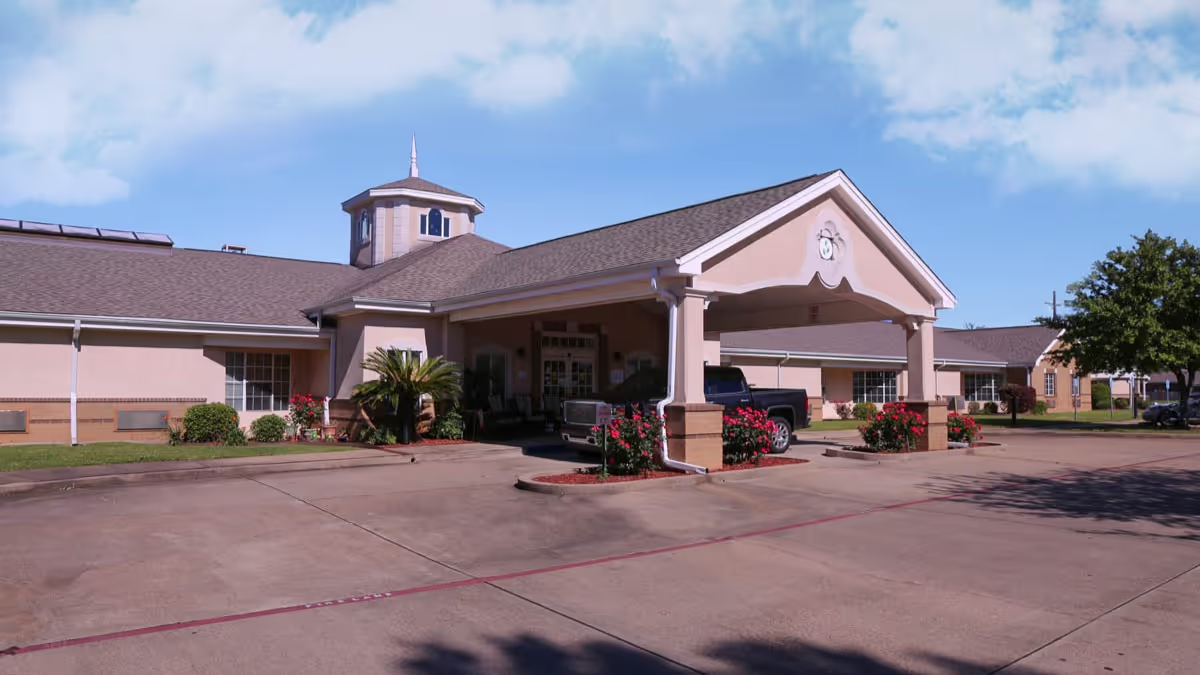
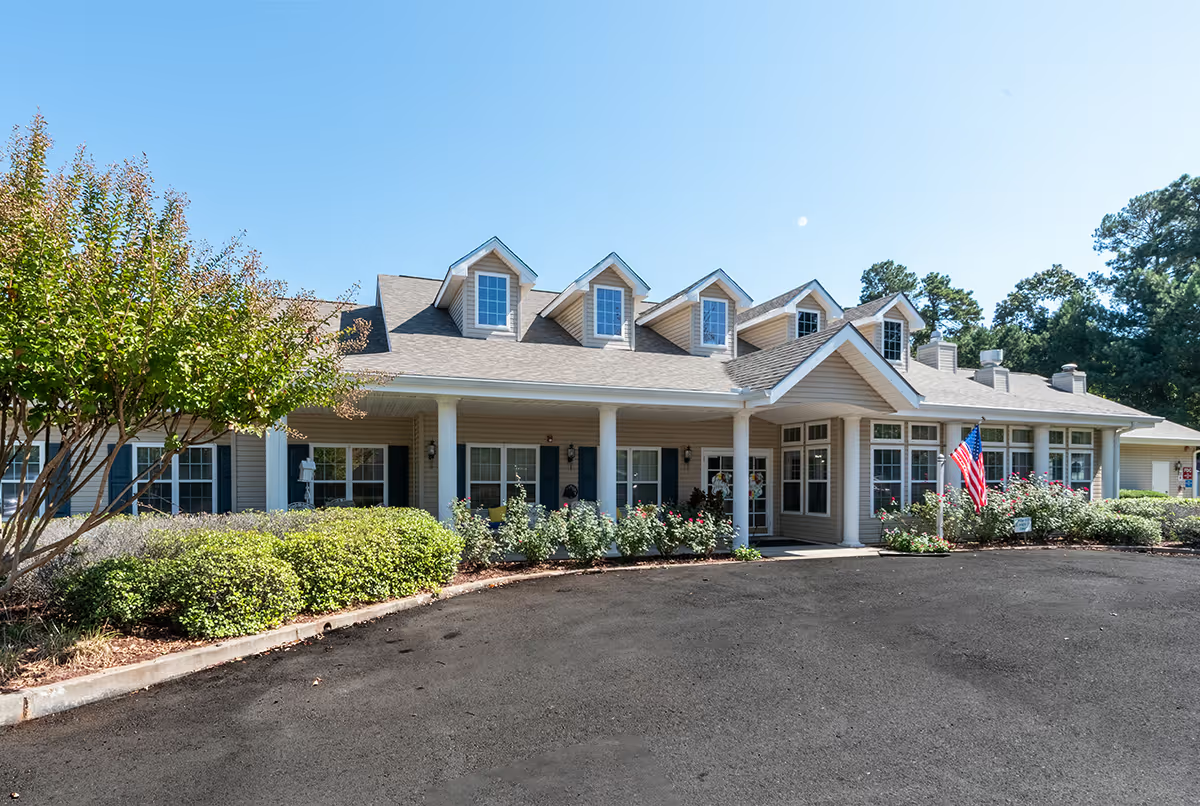
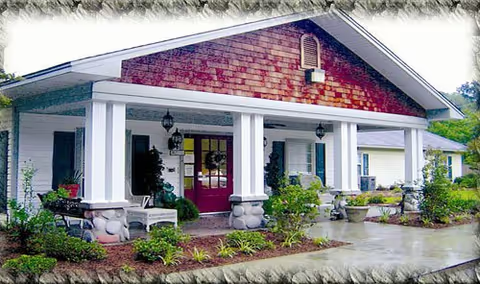
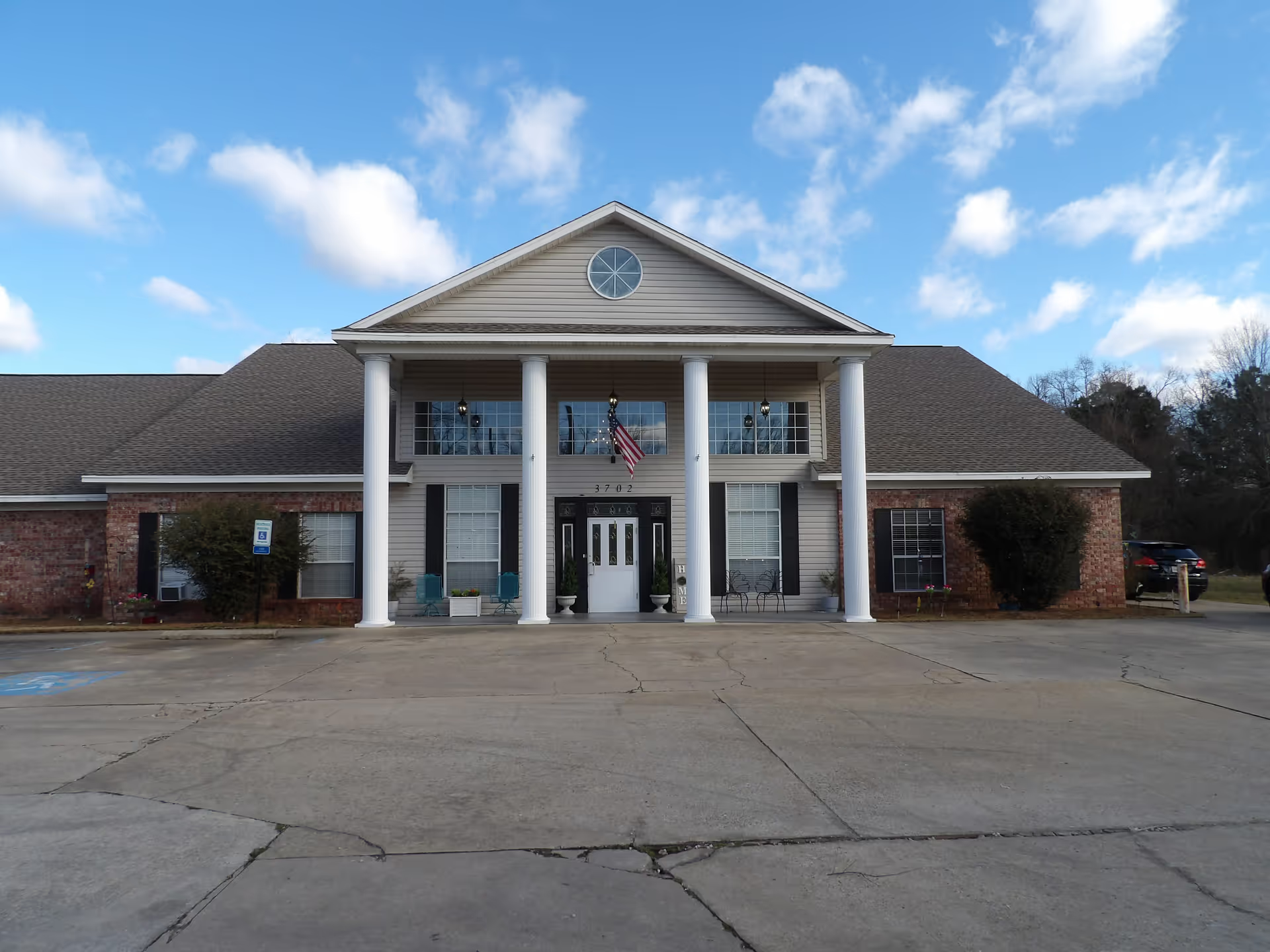
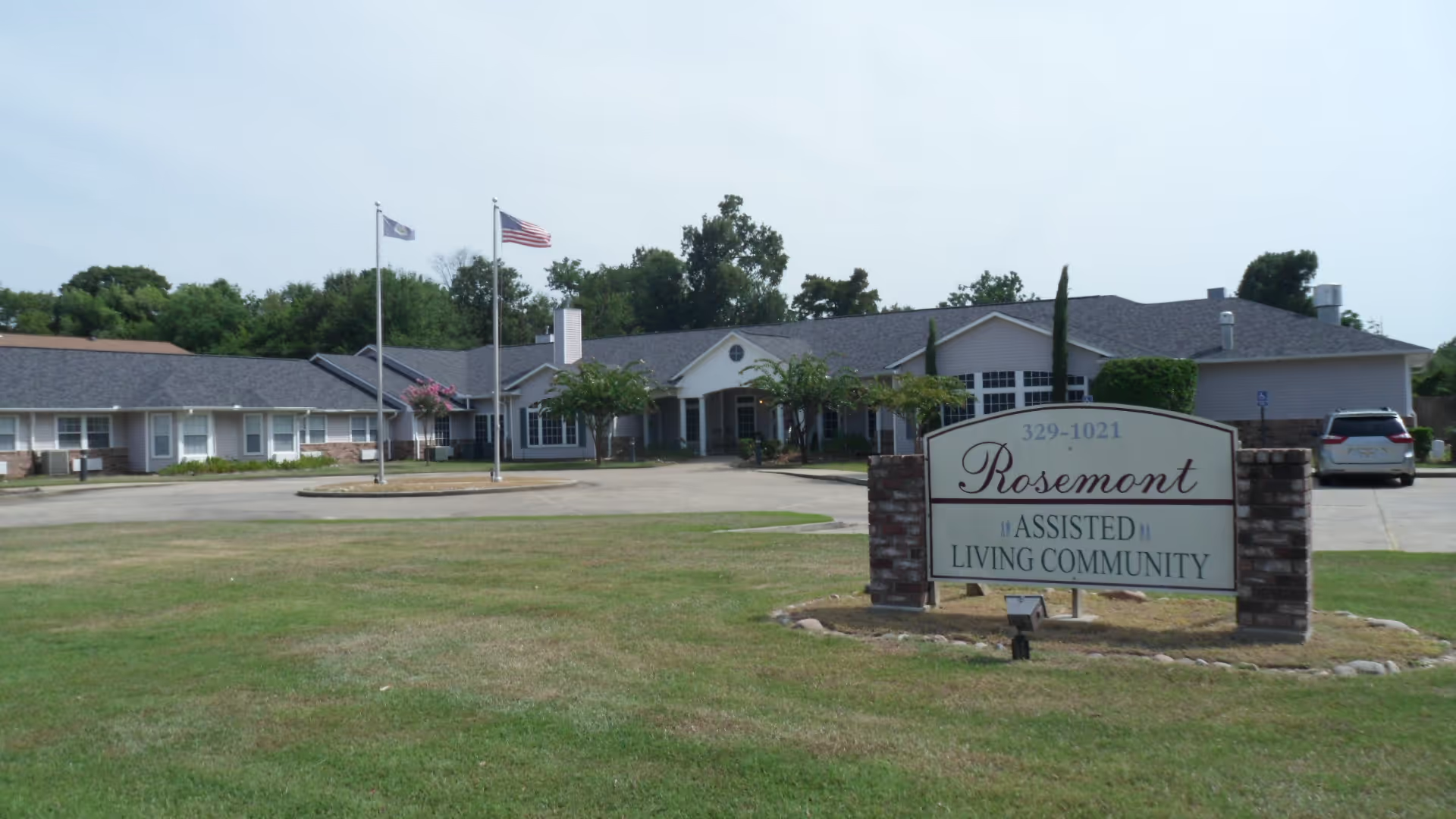
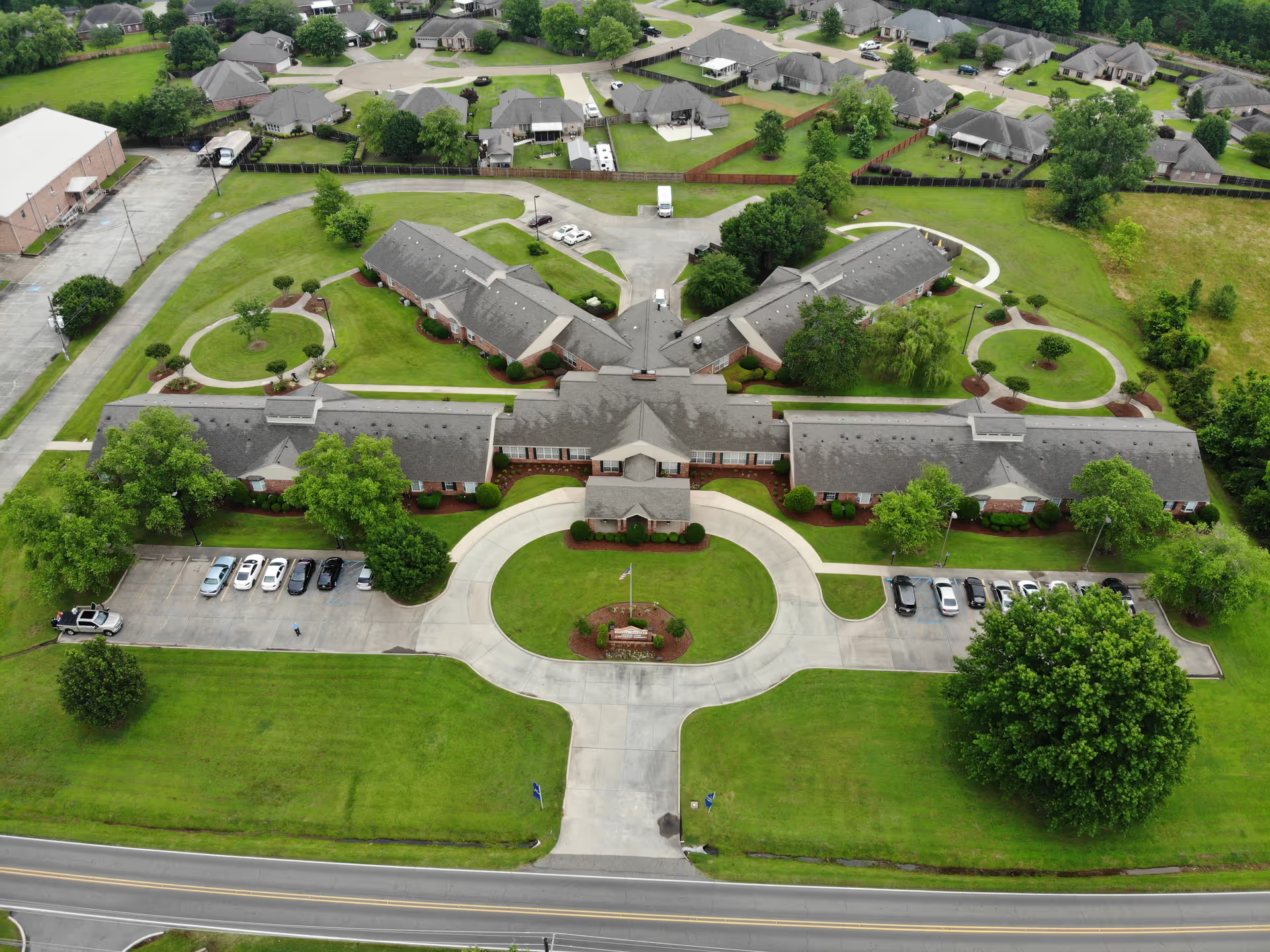
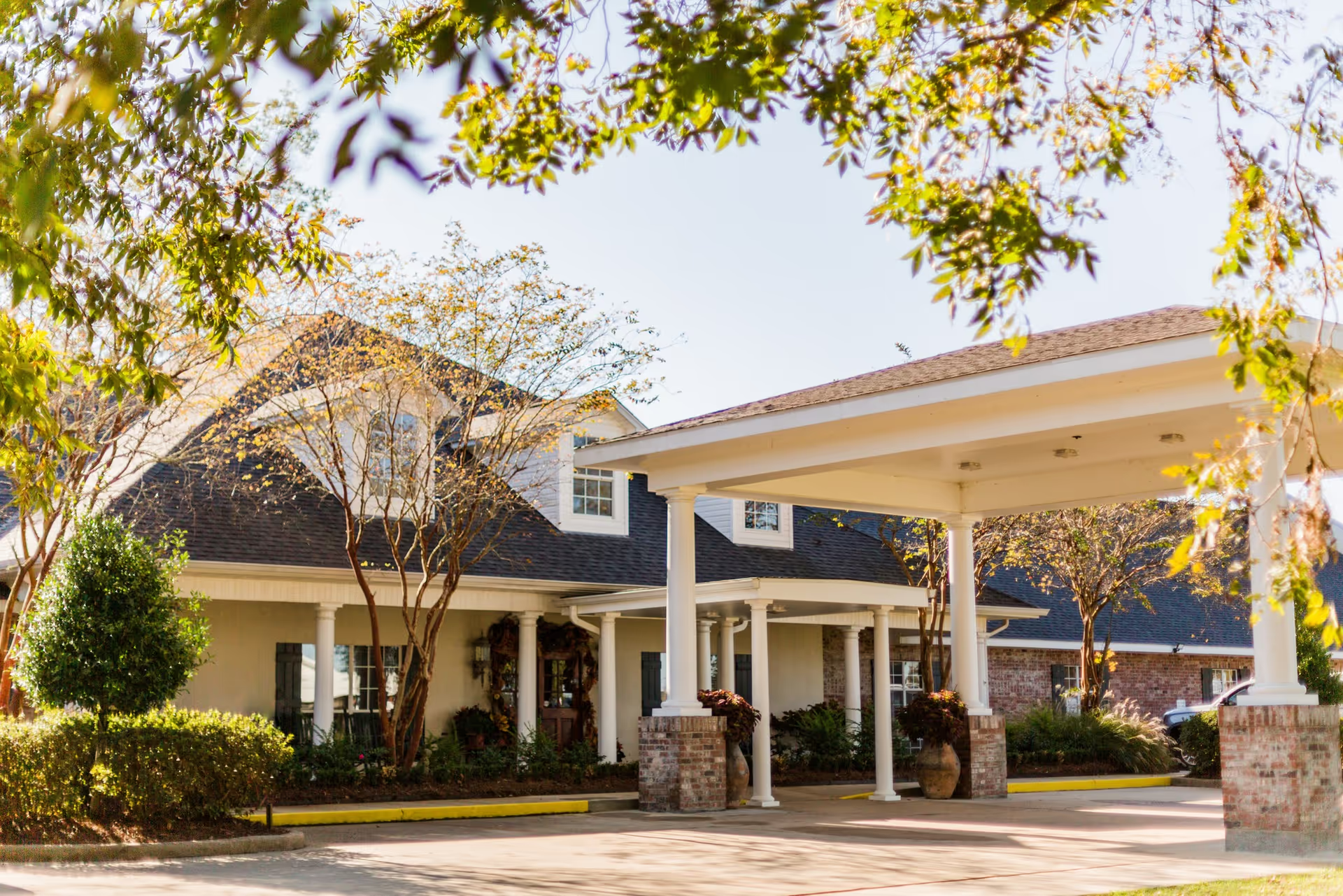
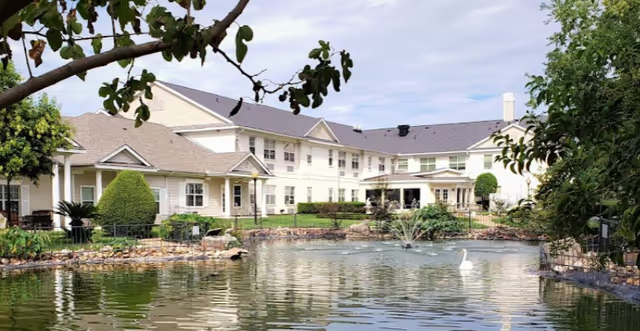
Autumn Leaves Nursing & Rehabilitation Center presents a mixture of clear strengths and some operational concerns. Positive feedback centers on the quality of hands-on care and the therapy program: families and visitors describe compassionate, respectful caregivers and an active rehabilitation department that engages residents frequently. The facility's activity offerings, including live music and piano performances, are highlighted as meaningful contributors to residents' engagement and wellbeing. Many accounts also emphasize an attractive physical environment—private rooms, well-kept grounds, and generally clean, pleasant-smelling interiors—along with a family-oriented culture that some relatives find reassuring.
Care and staff performance are frequently praised. Reviewers commonly note kindness, professionalism, and attentiveness from nursing, therapy, and office teams; several families expressed gratitude and pride in the facility's staff. At the same time, there are operational patterns worth noting. Several reviews point to inconsistent responsiveness when assistance is needed, which may indicate staffing shortages or uneven shift coverage. Relatedly, some feedback describes variability in how staff communicate with families—ranging from compassionate to curt—suggesting inconsistencies in training or supervisory oversight.
Dining and activities are generally regarded as strengths. Meals are described positively by multiple sources, and the facility offers a range of activities and frequent therapy sessions that residents enjoy. The presence of organized programming and regular rehab work is a recurrent positive theme and appears to support functional recovery and social engagement for many residents.
Facility amenities and maintenance receive favorable remarks overall, but there are isolated sanitation concerns. In particular, a subset of comments mentions odor concerns in resident rooms, which may be associated with localized incontinence-care or housekeeping issues rather than facility-wide conditions. Additionally, a specific family-level incident involving the removal of a resident's personal belongings without prior notification was reported; while this appears to be an individual event, it signals a potential gap in property-management and discharge/notification procedures that families should clarify in advance.
Management and administrative issues surface in several areas. Reviewers raise questions about pricing transparency and a perception that the facility projects an exclusive, wealth-focused image; rates are not visibly posted to some families, creating uncertainty during placement decisions. There are also notes about employee-relations concerns—claims of poor treatment of staff or ignored contributions—that could affect morale and turnover if accurate. Together, these items point to the value of asking targeted questions about staffing ratios, written pricing and contract terms, property-handling policies, and supervisory practices during a tour.
Practical guidance for families: request written policies on personal-property inventories and discharge procedures, ask for current staffing ratios and how the facility handles peak-demand periods, observe activity and dining programs during a visit, and seek clear, written pricing or fee schedules. These steps can help corroborate the strengths described by many families while probing the operational areas where reviewers identified inconsistencies.