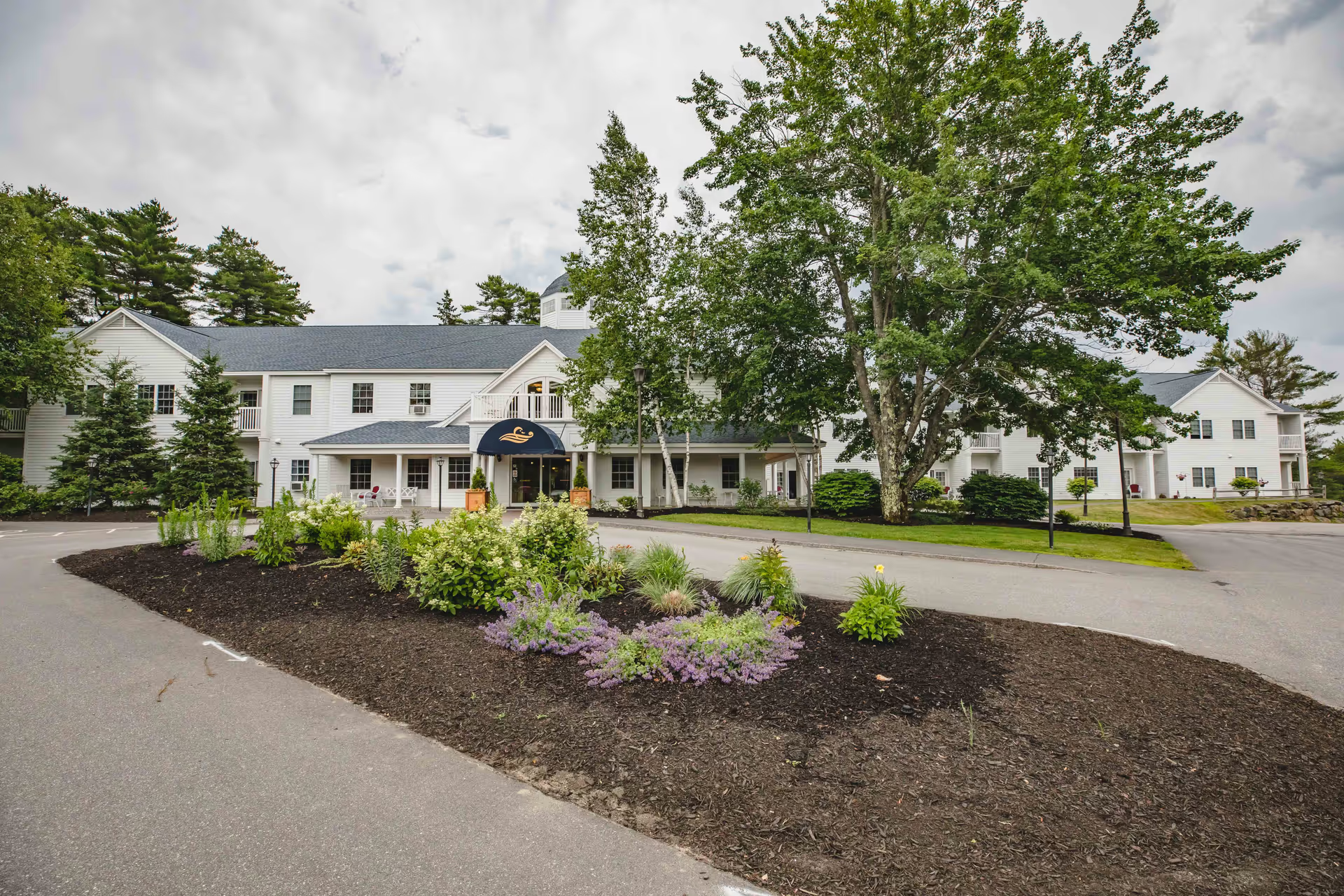
Augusta Center for Health & Rehabilitation presents as a facility with several clear strengths alongside operational inconsistencies that prospective families should weigh. Positive themes include an overall clean, well-maintained environment, spacious and attractive common areas (including a sunroom and panoramic sitting area), and amenities that support socialization such as community rooms and a robust activities program. The activities department, in particular, is frequently described as energetic and creative, and the center supports pet companionship and regular resident engagement opportunities.
Caregiving staff receive frequent praise for kindness, professionalism, and family communication. Several accounts highlight long-tenured employees and named staff who deliver compassionate, individualized attention; many families described feeling included in care decisions and kept informed about changes. The facility’s rehabilitation services and therapy staff also attract favorable comments, with specific praise for physical therapists and the organization of therapy programs. Administrative elements such as an internal newsletter and helpful social-work support are additional operational strengths.
Areas of concern center on variability in clinical and operational performance. Multiple accounts point to inconsistent quality between the rehabilitation wing and long-term care units: while rehab services are commonly described as strong, some long-term residents experienced limited activities, small rooms, and constrained personal space. Staffing levels and coverage appear uneven — reviewers described both attentive, reliable staff and periods of understaffing that contributed to delays in attending to resident needs, extended assistance wait times, and episodic lapses in incontinence-related care. Relatedly, there are reports suggesting gaps in medication management and medication availability, and some families noted infrequent physician visits or delays in clinical assessment; these indicate potential weaknesses in clinical oversight and transition-of-care processes.
Dining and daily living impressions are mixed: food quality was characterized as adequate by some, while others implied variability. The physical plant is generally rated positively for cleanliness and maintenance, though a subset of comments raised safety and environmental-maintenance inconsistencies and a sense of crowding in certain units. Communication strengths (staff keeping families informed) coexist with isolated comments about staff conduct and tone, suggesting variability in interpersonal interactions across shifts or teams.
Recommendations for prospective families: observe direct care interactions during a visit, ask about current staffing ratios and physician coverage, clarify medication-administration and pharmacy/transition protocols, confirm availability of private rooms and room sizes, and review the activity schedule for long-term residents. Overall, Augusta Center offers several meaningful strengths in cleanliness, activities, and rehabilitation, but families should verify current operational practices around staffing, medication management, and long-term resident engagement before making placement decisions.